Royal Academy.
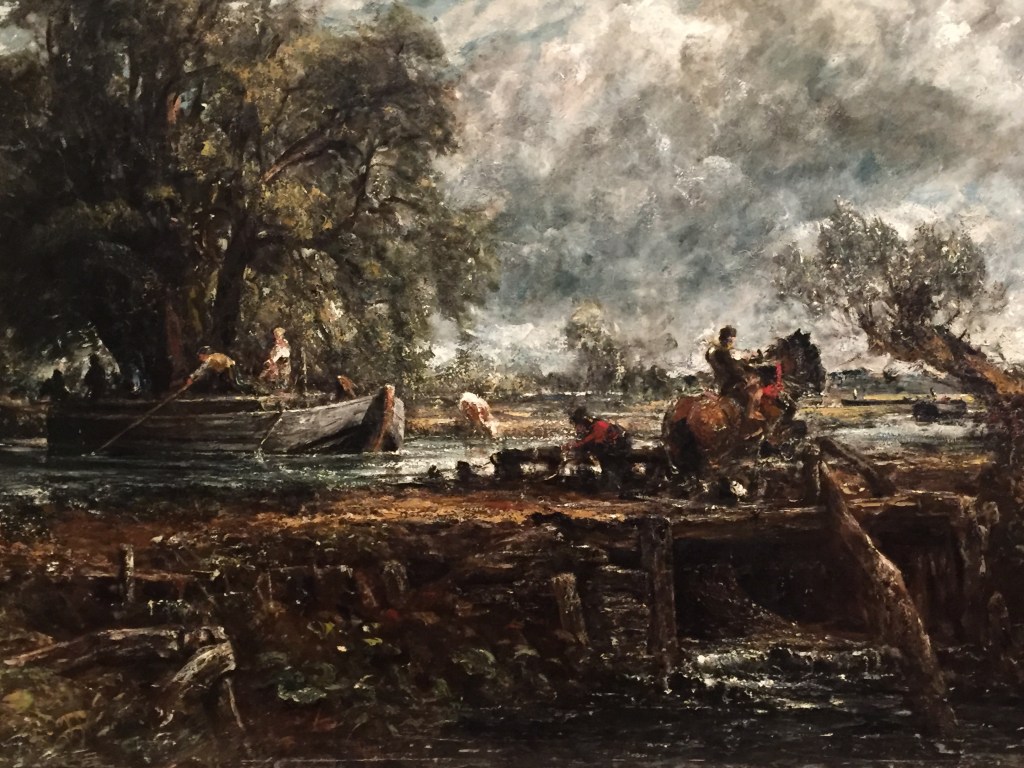

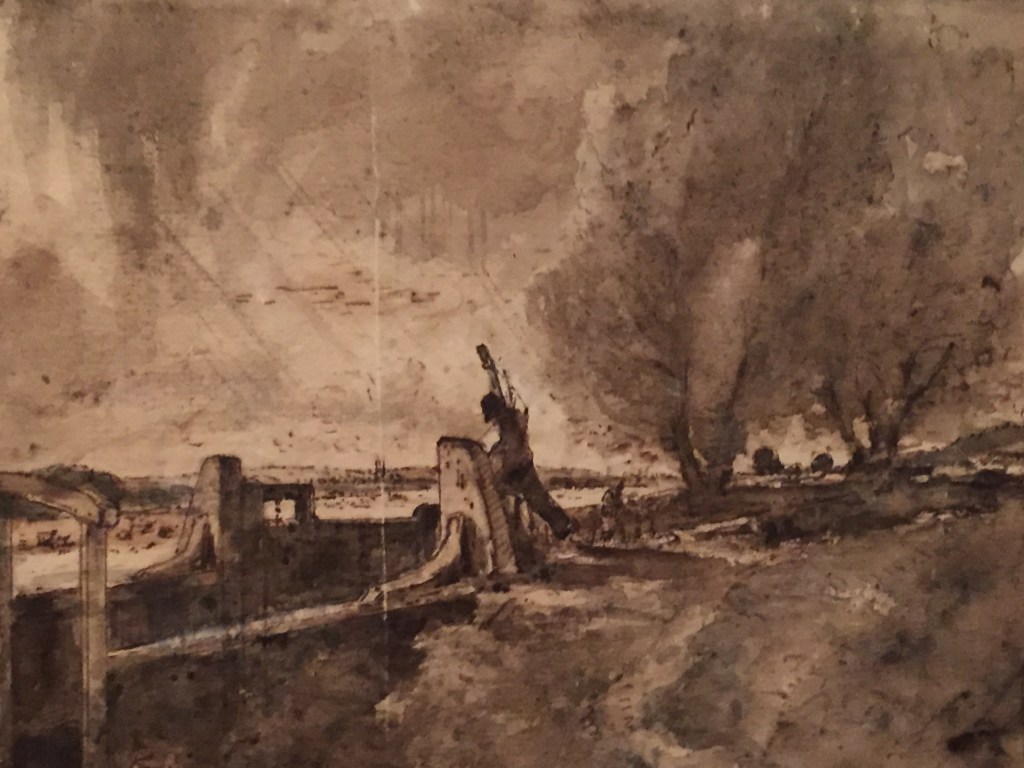
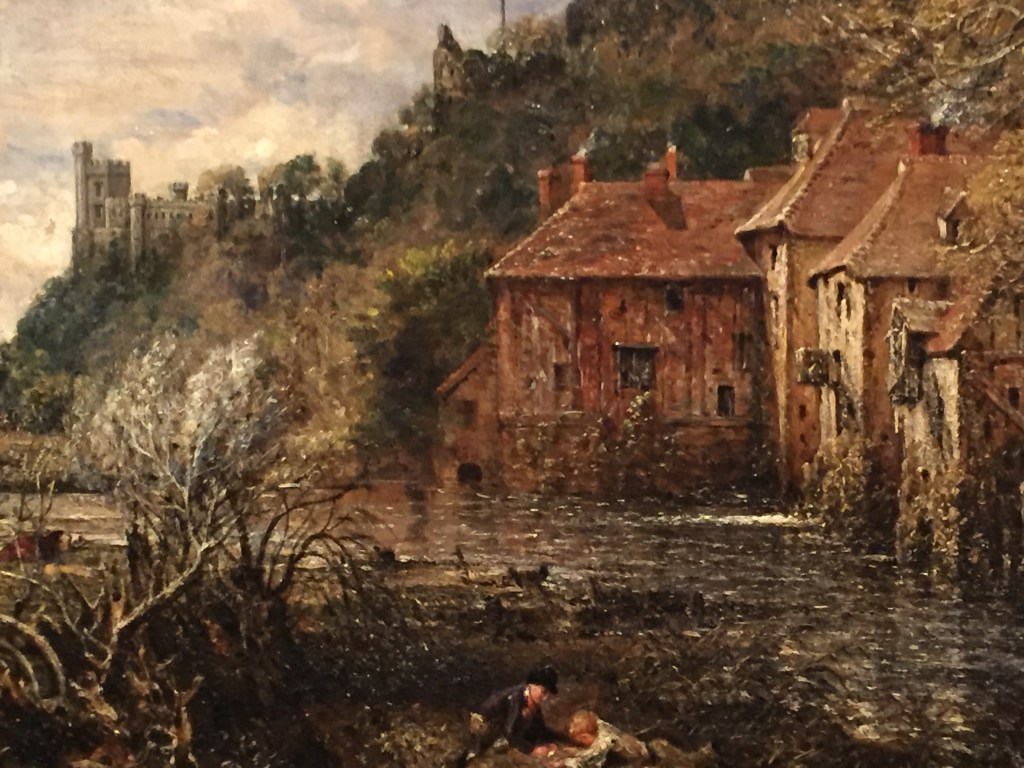
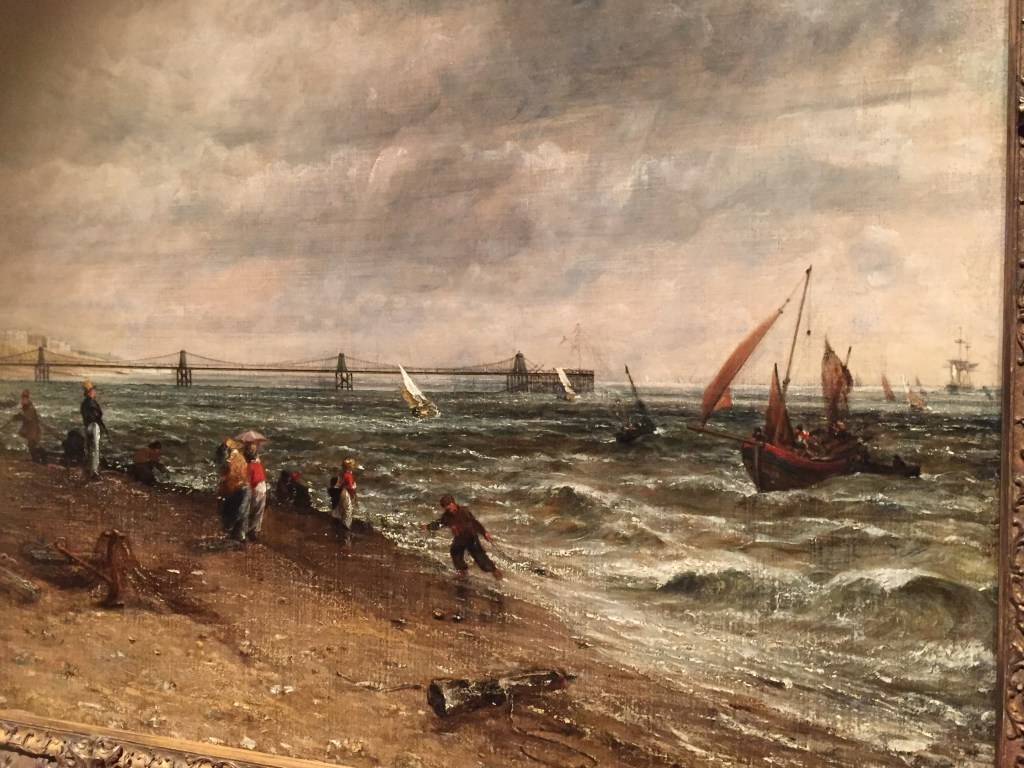
Royal Academy.
Somerset House.
A must for culture vultures.

My visit to Somerset House to see “The Art of Breaking the Rules”, was eagerly anticipated. It is an exhibition that charts the history of and pays tribute to The Beano.
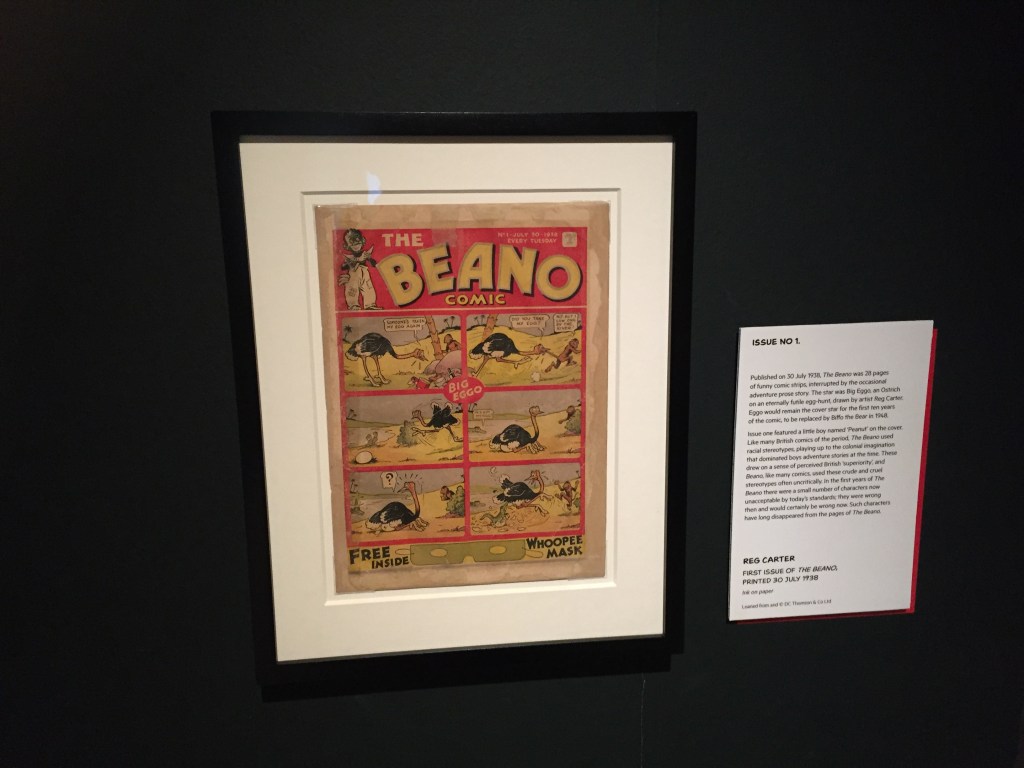

The Beano has been making us chuckle since it was first published in 1938. In those days many children were brought up to learn about the British empire, to tug their forelock to a person of higher status or older age, and later be conscripted into national service. A child’s first reading of The Beano must have had a similar impact to hearing Little Richard or seeing The Sex Pistols for later generations.
Many of the characters in The Beano are subversive, railing against the authority of their parents, their teachers and anybody wearing a uniform. However, on almost every occasion things don’t work out like they wanted them to do and they suffer the consequences, which often was a dam good whacking.
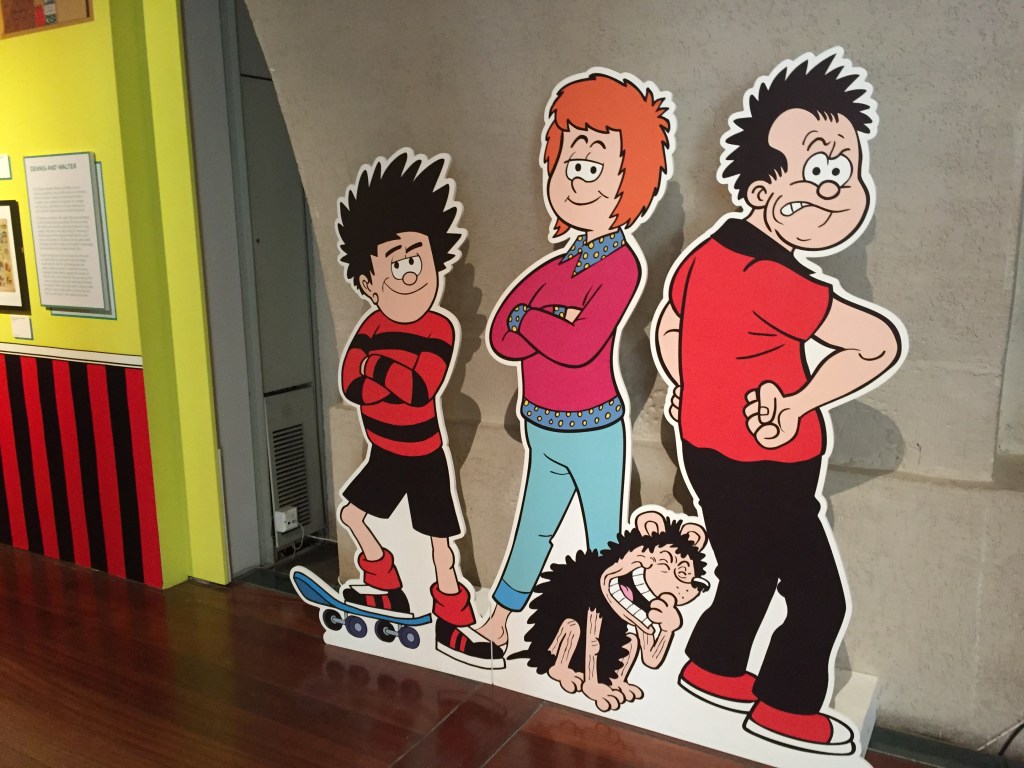
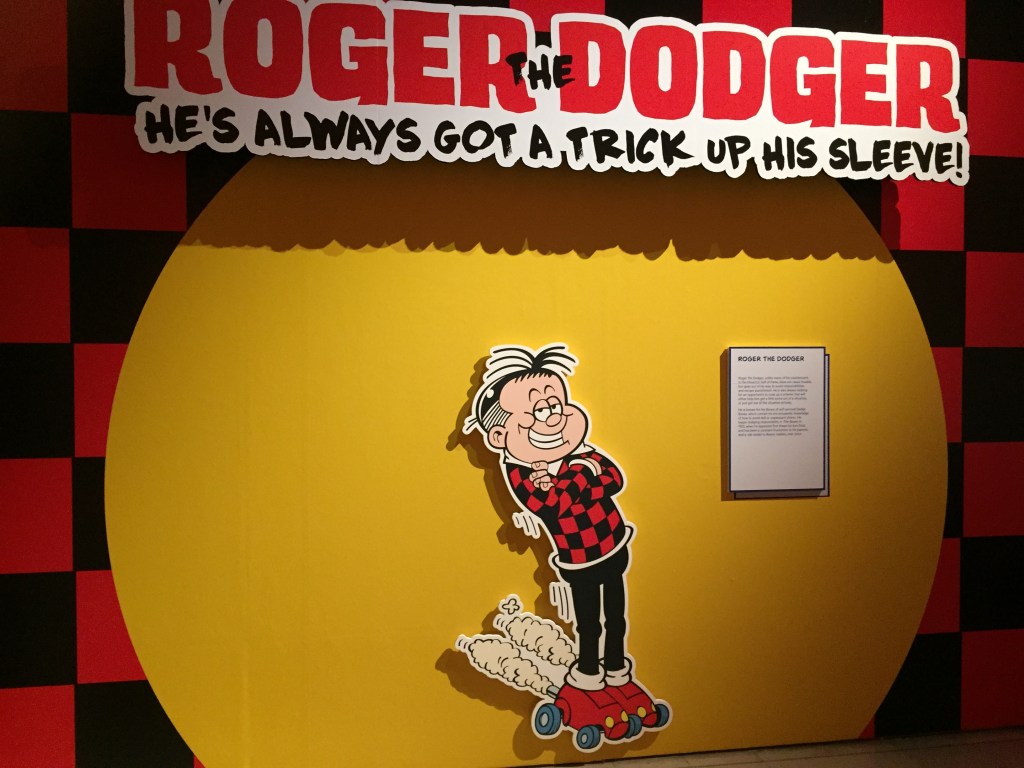
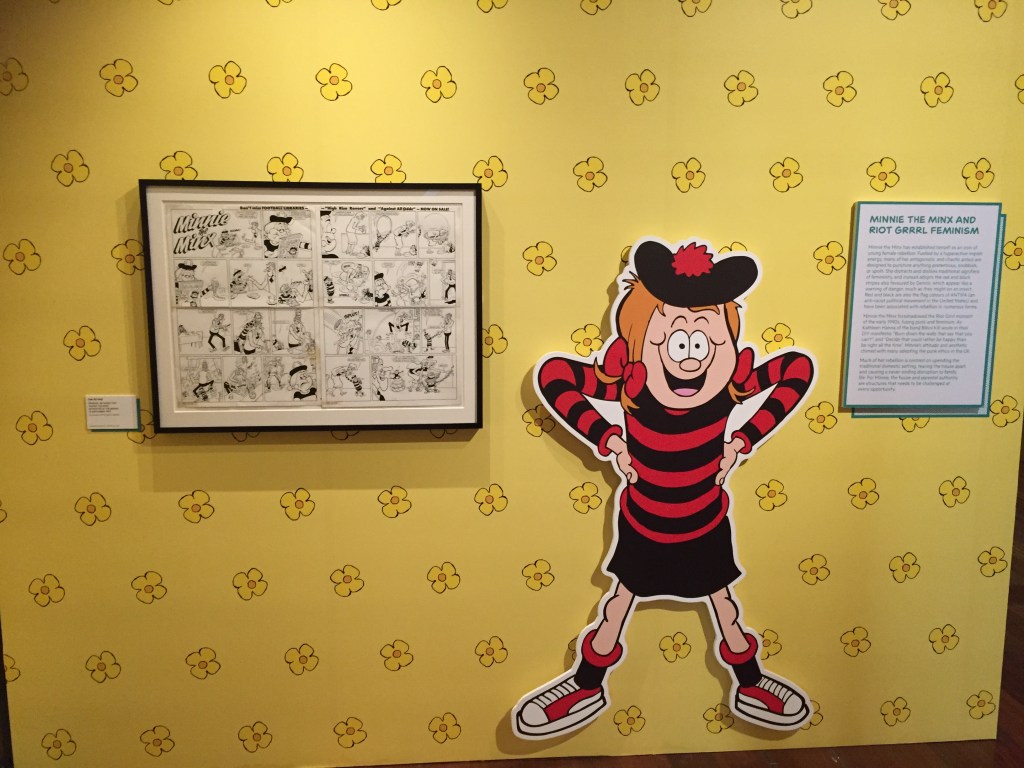
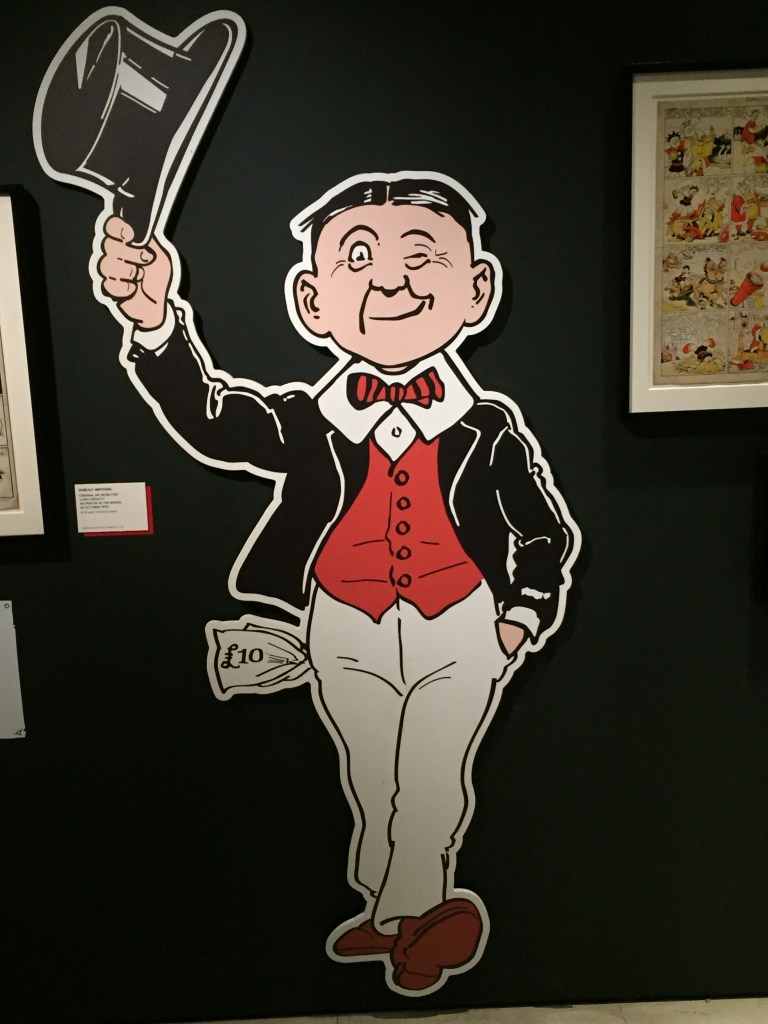
All the characters are celebrated at the exhibition. Dennis the Menace, Roger the Dodger, Minnie the Minx, Billy Whizz. Lord Snooty and many others.
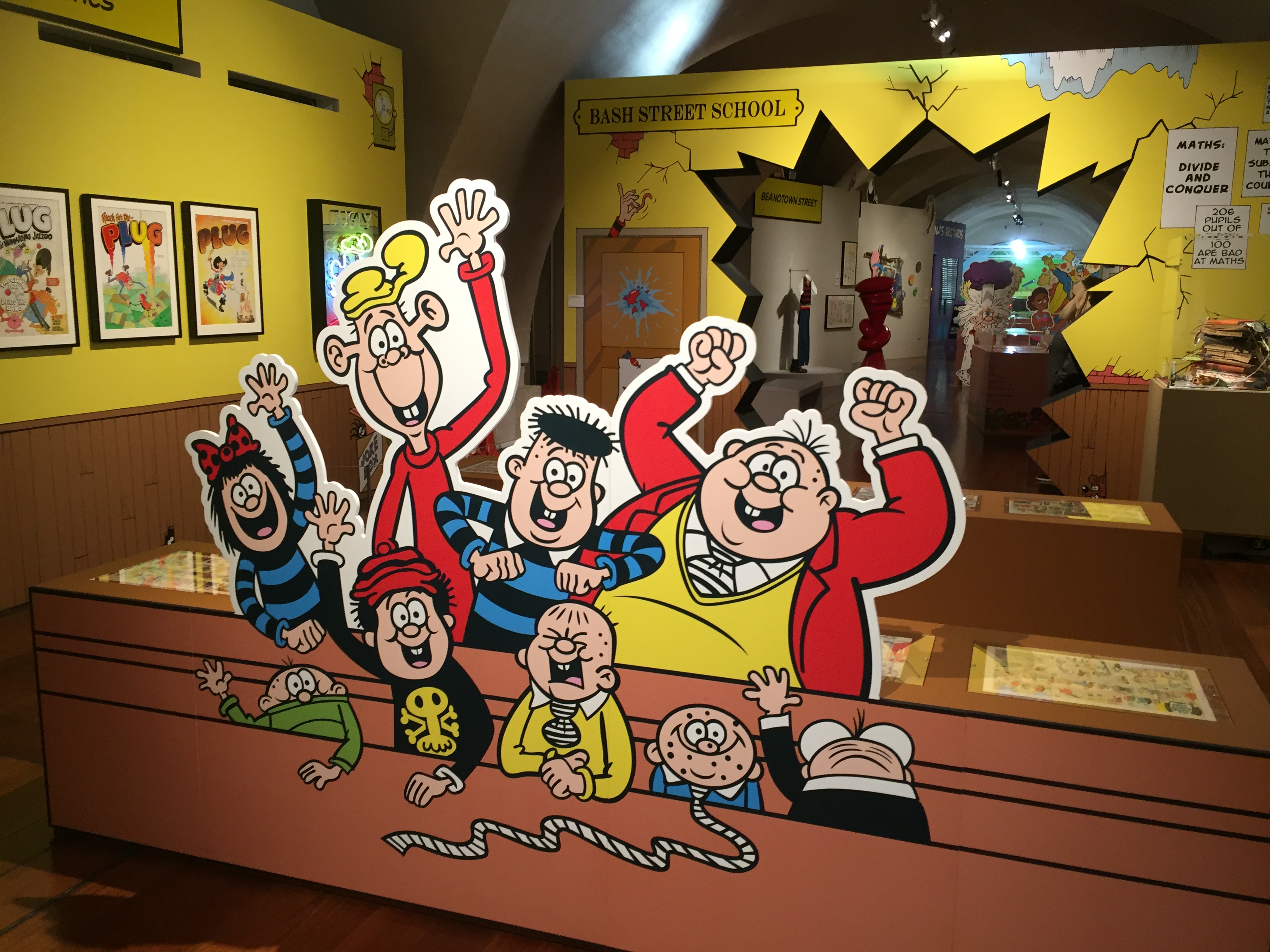
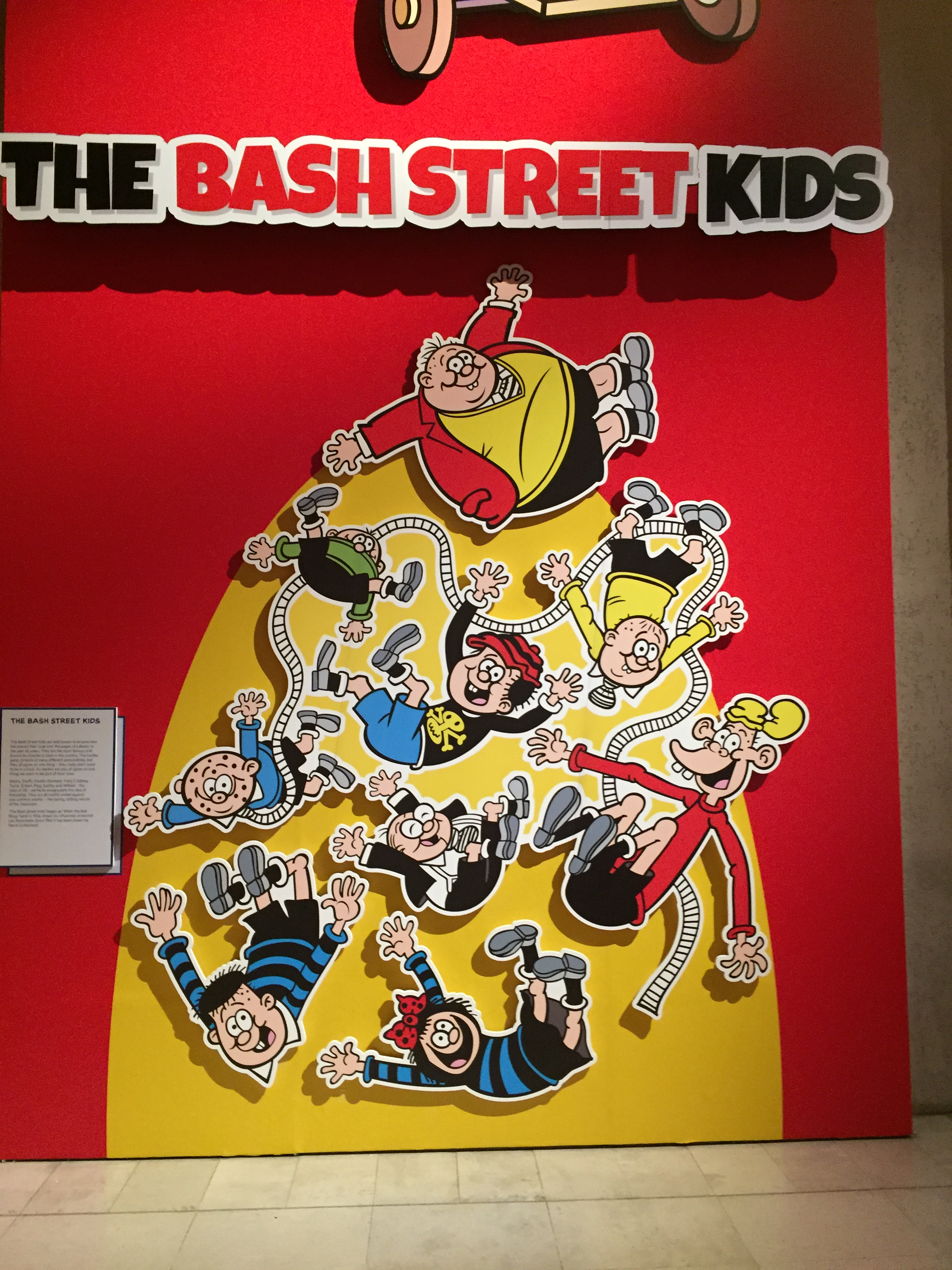

My own favourites are the anti swots of British education, The Bash Street Kids. Every week we have been able to enjoy their constant attempts to undermine and reject the dull and lifeless curriculum that has been presented to them.
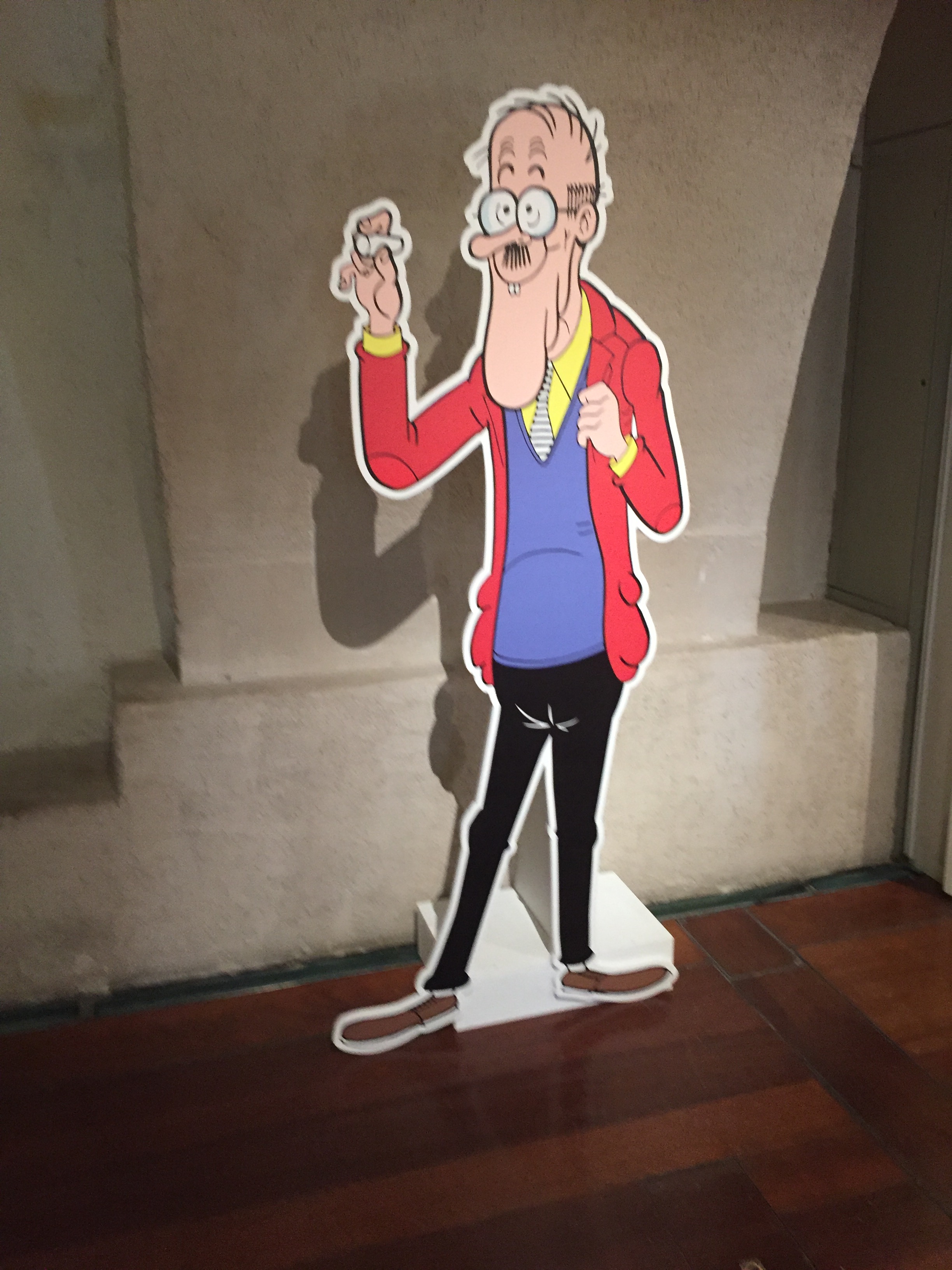

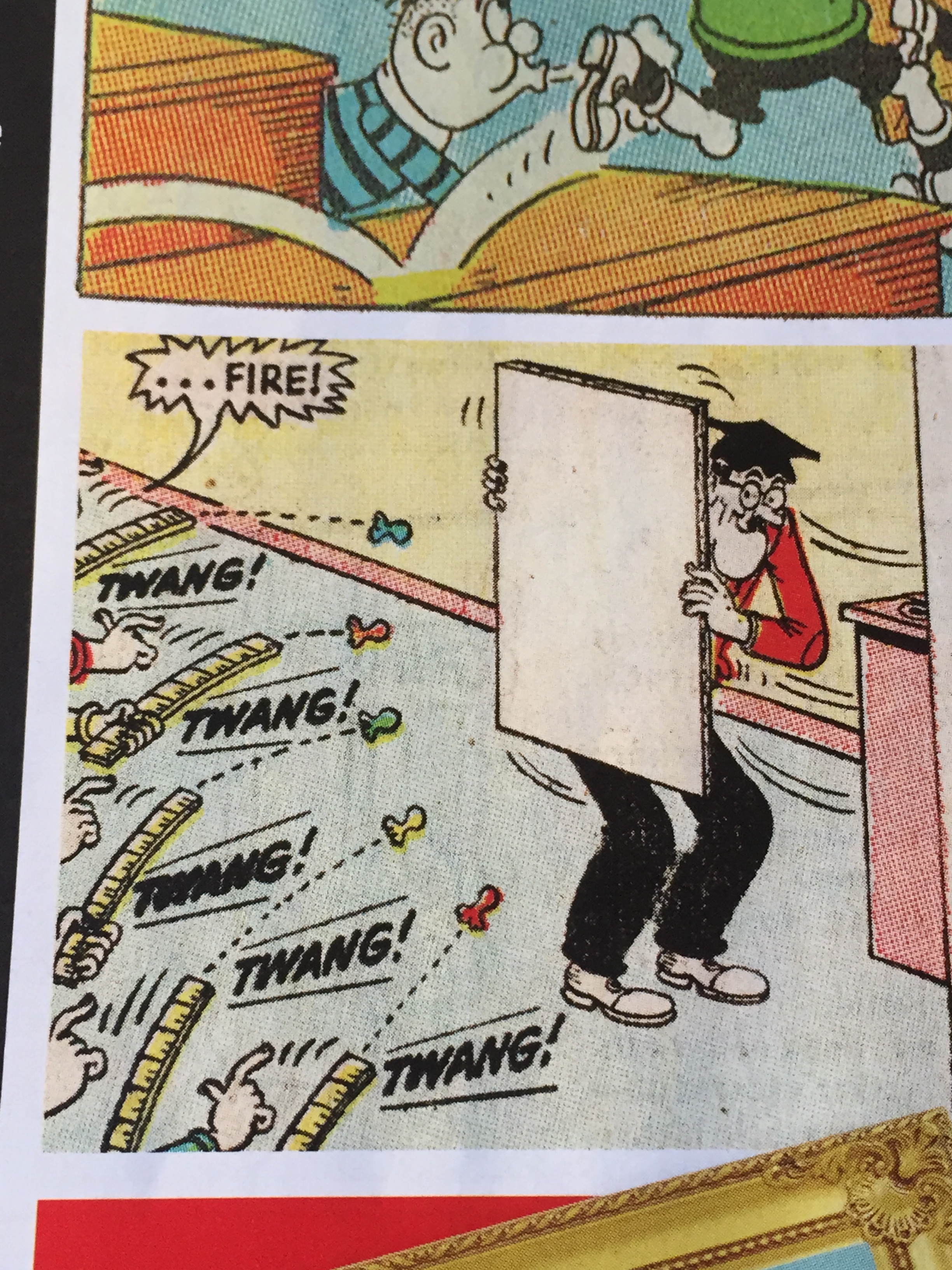
Poor old teacher. No matter how hard he tries, his plans always end in chaos.
I would not want to take his register and teach all of his lessons!
The Jones Gang at the 229 Club.
The 1970s are not over yet.
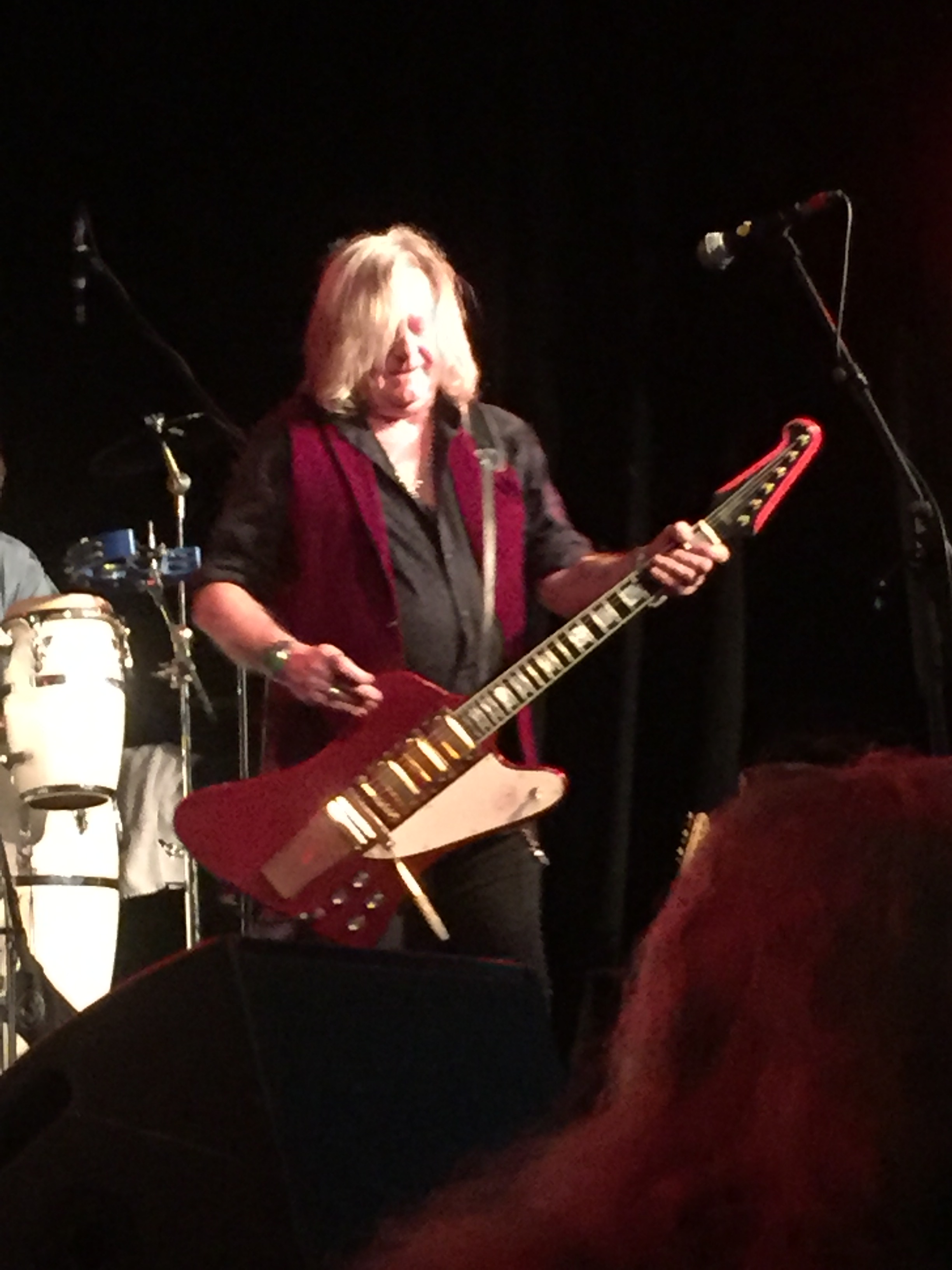
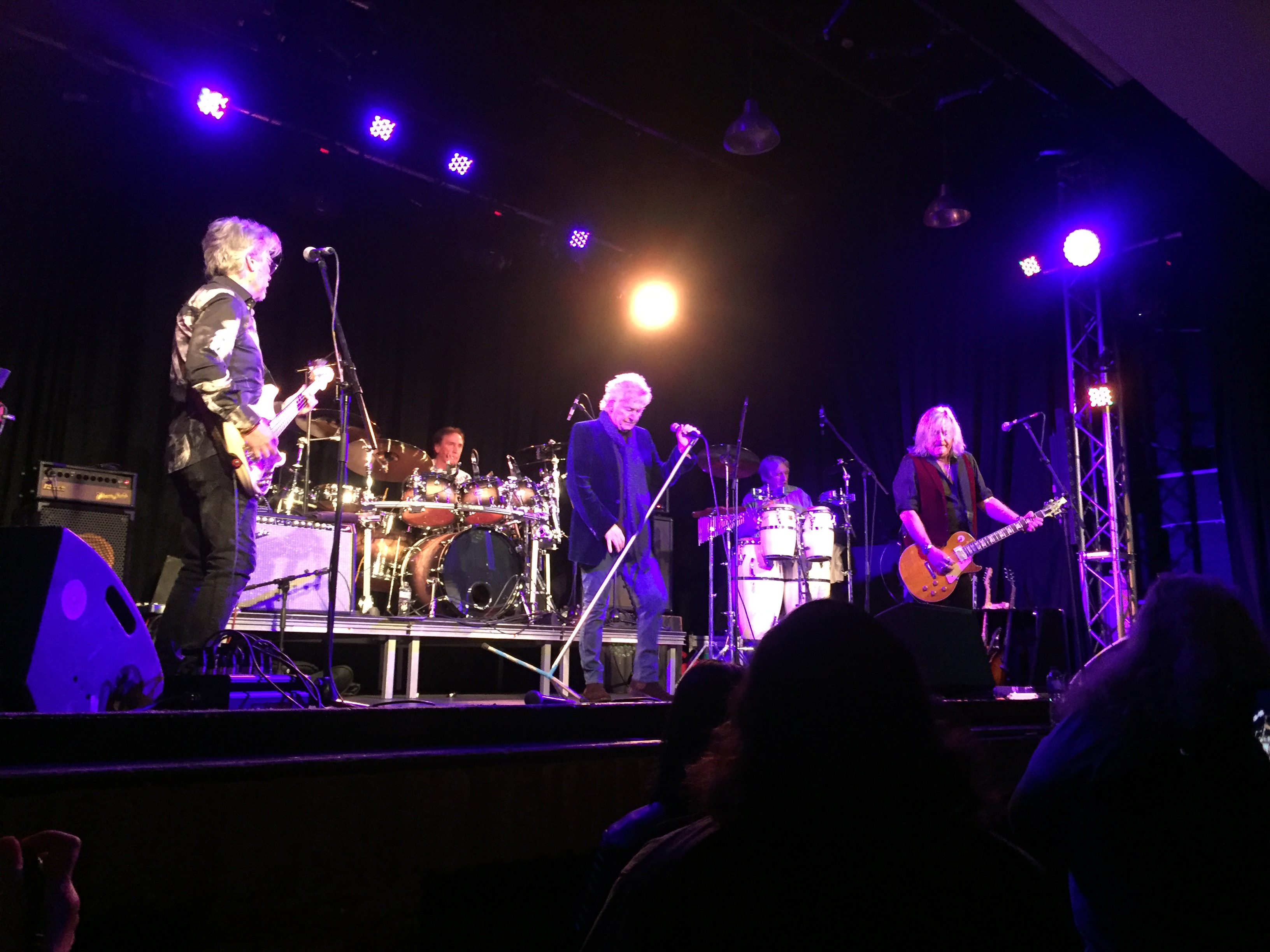
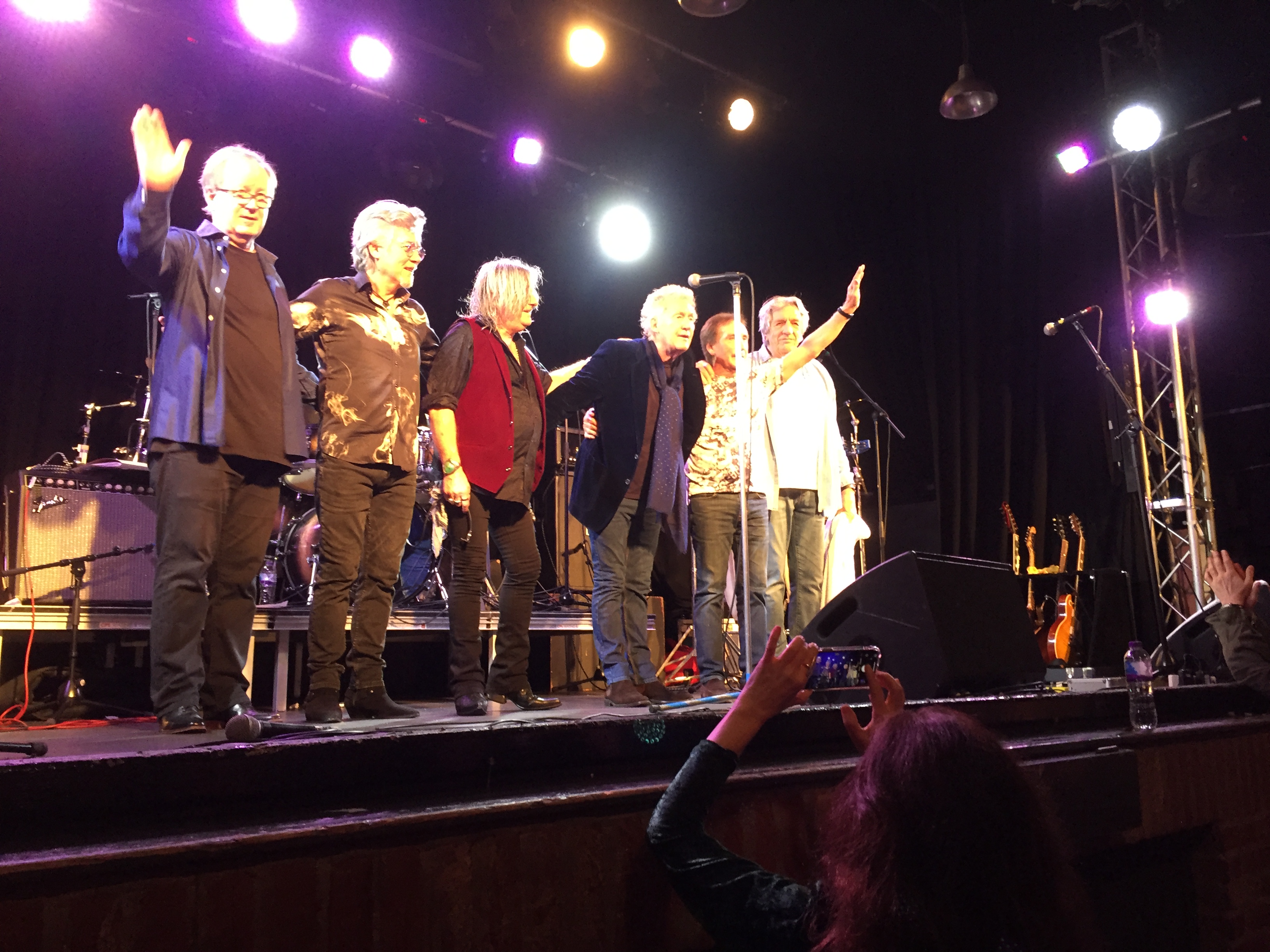
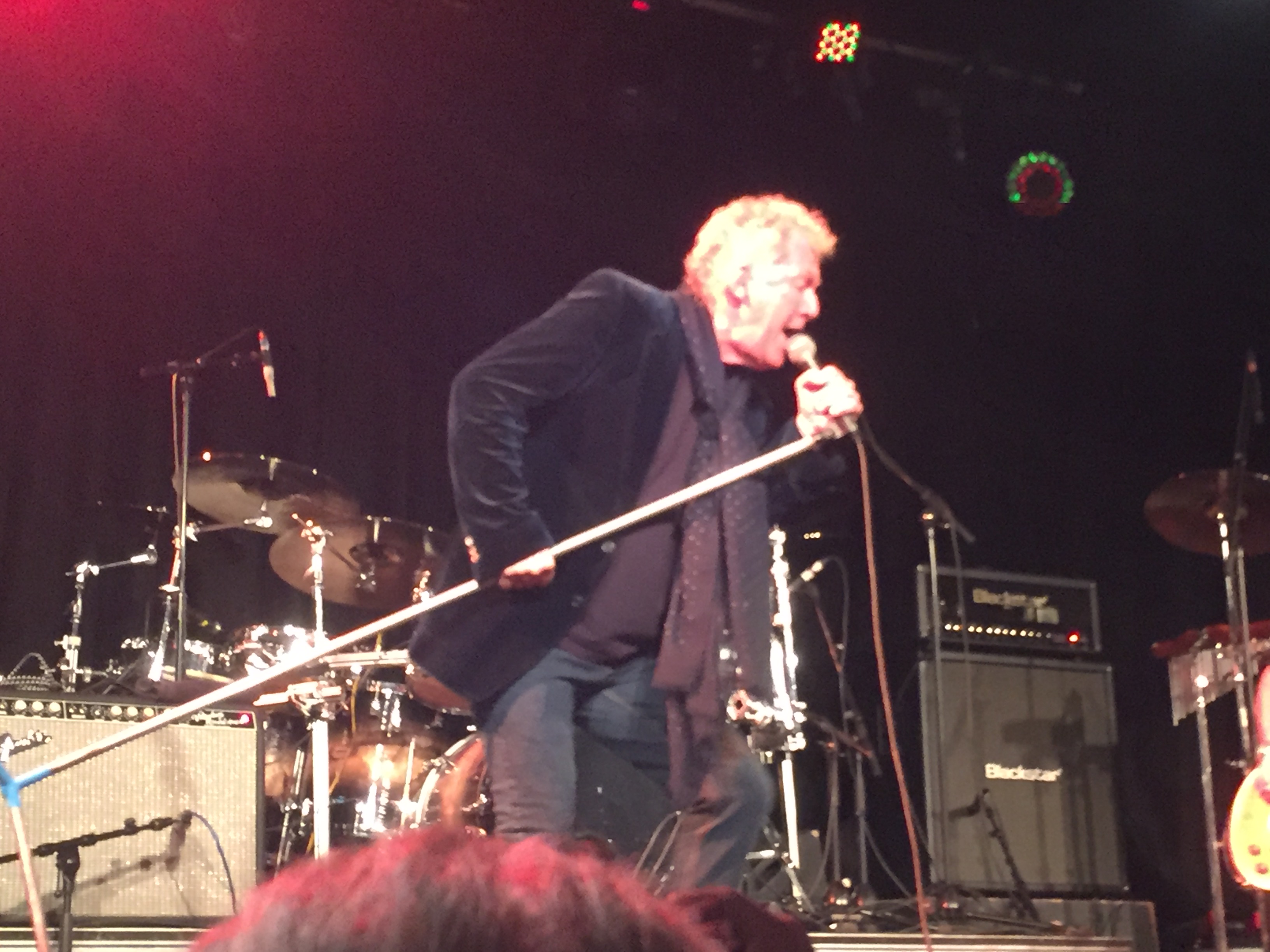
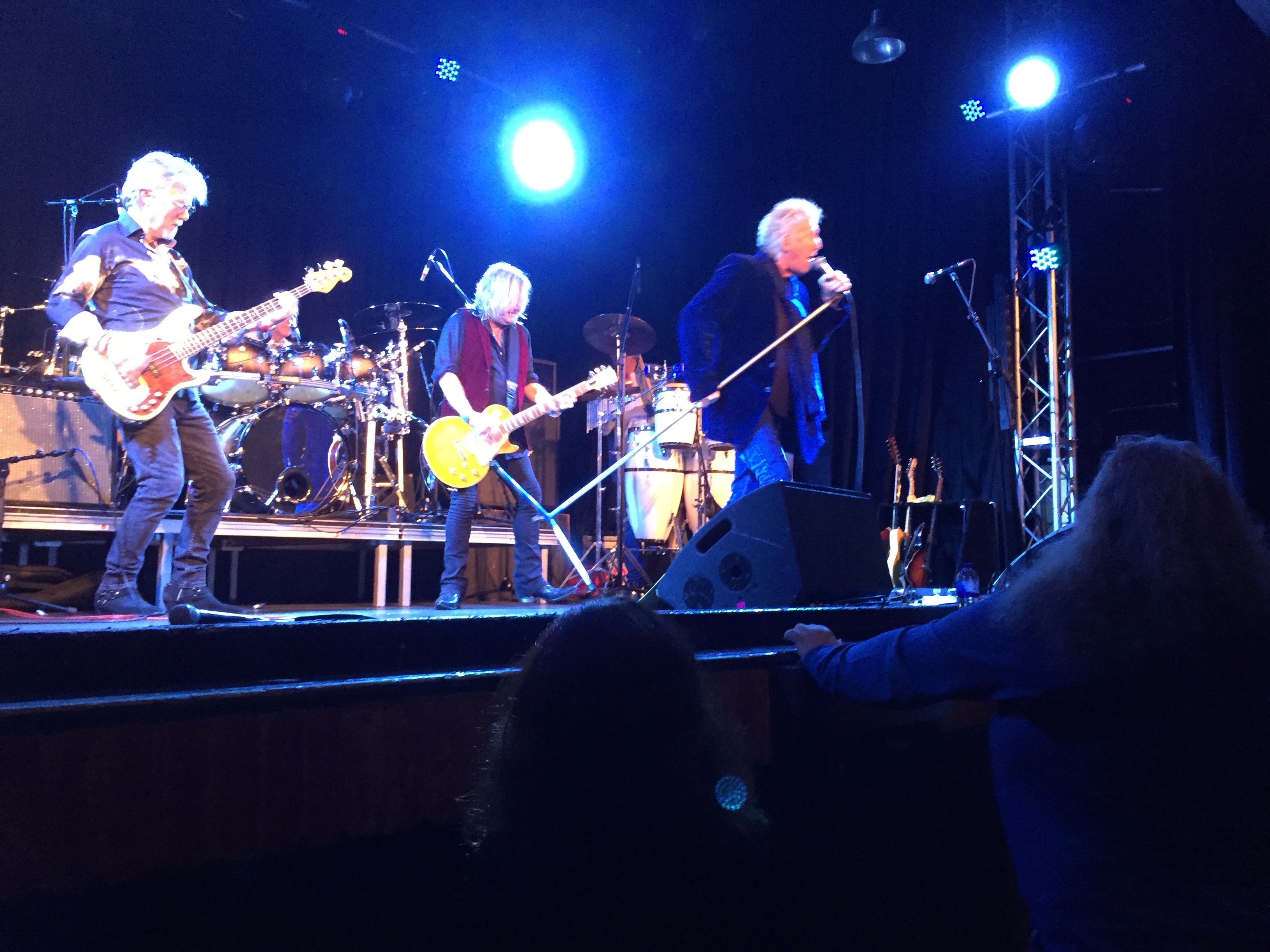
A visit to Symphony Hall to see The Pretenders. A marvelous evening. The band was in great form.
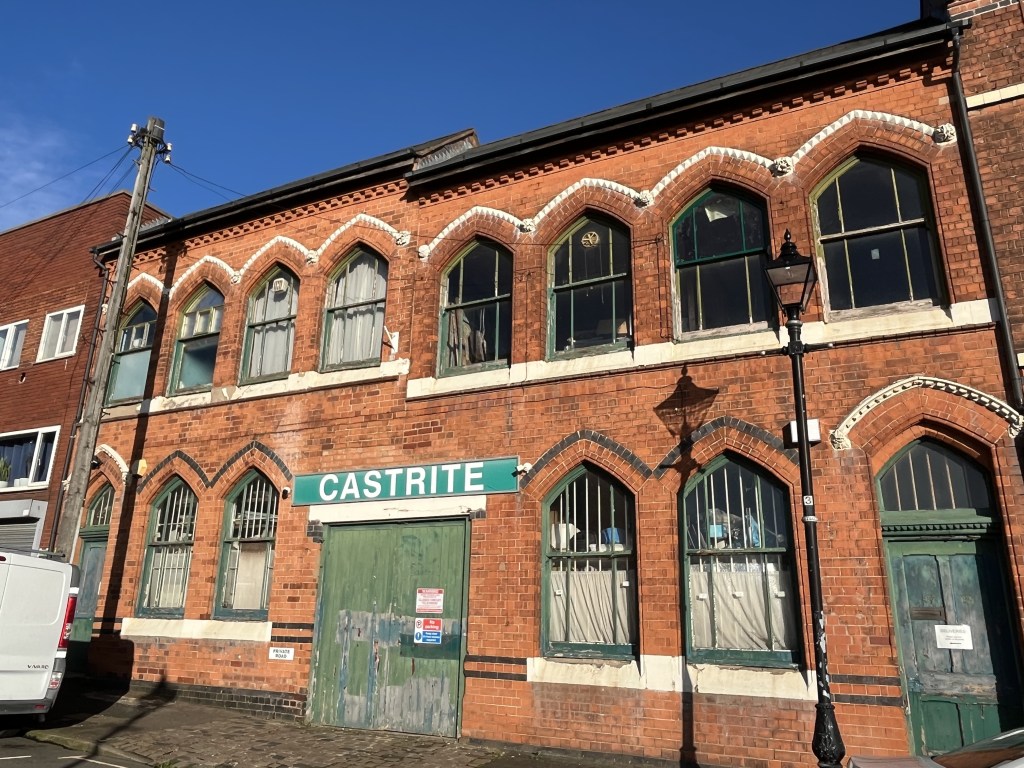
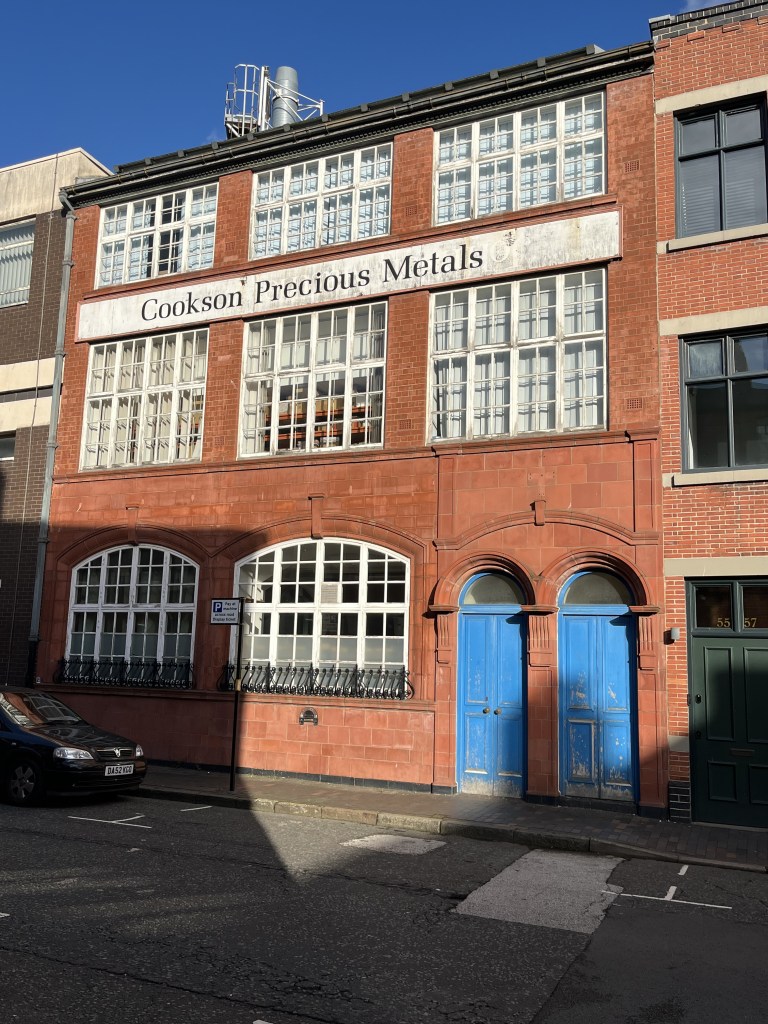

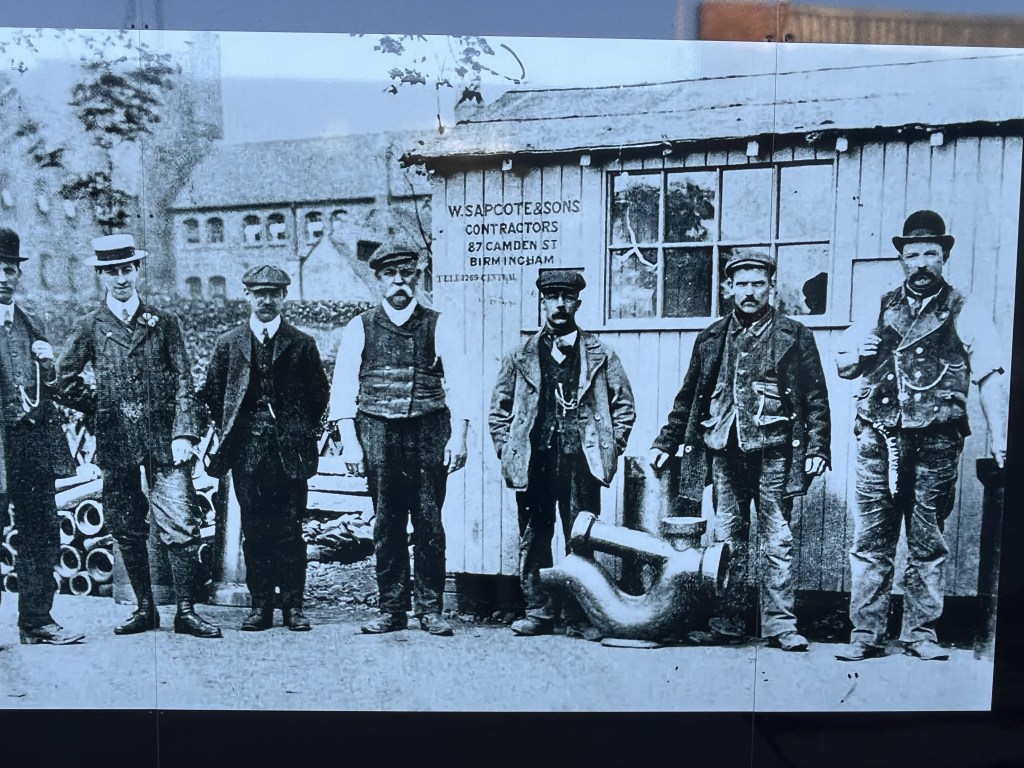
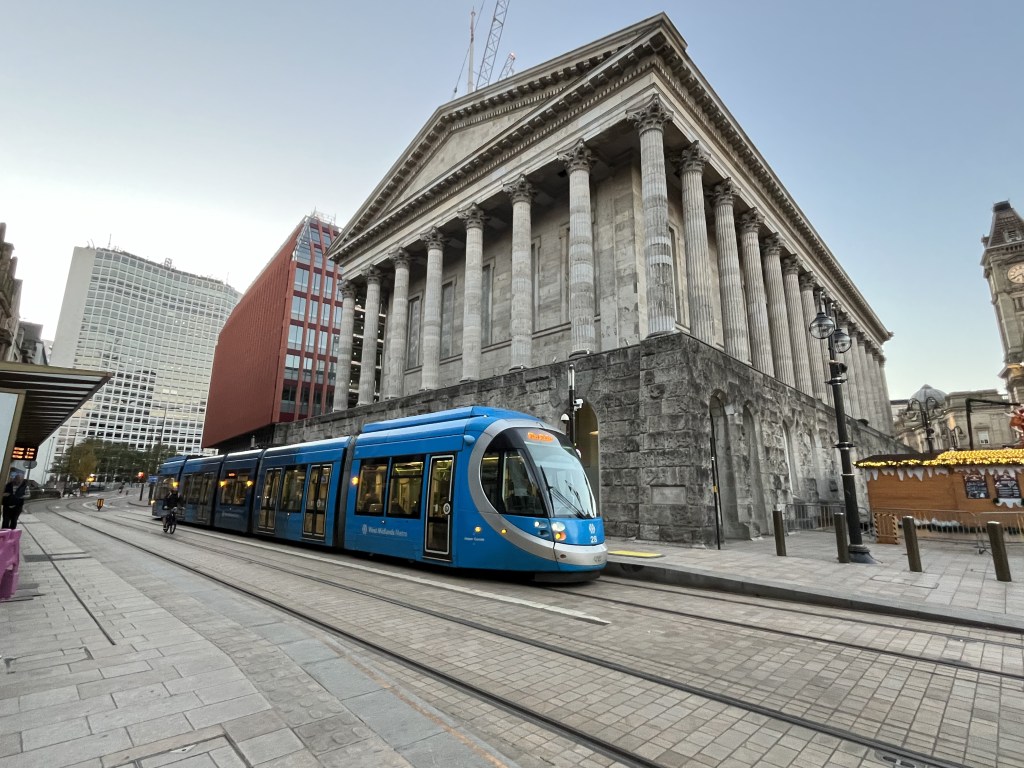
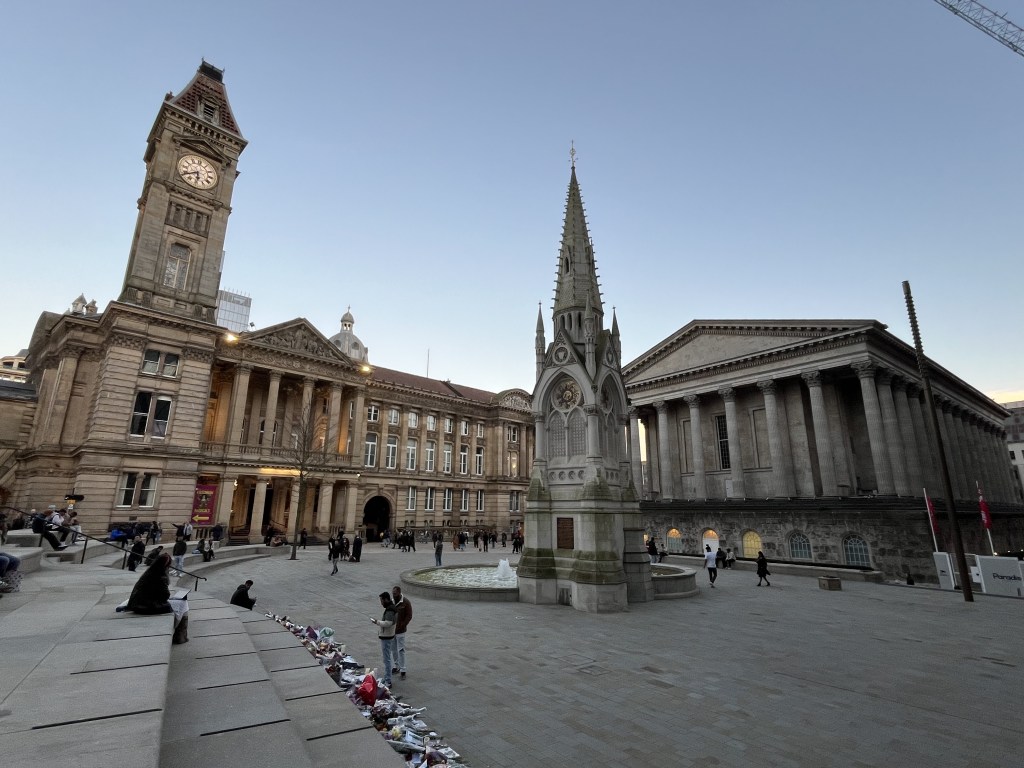
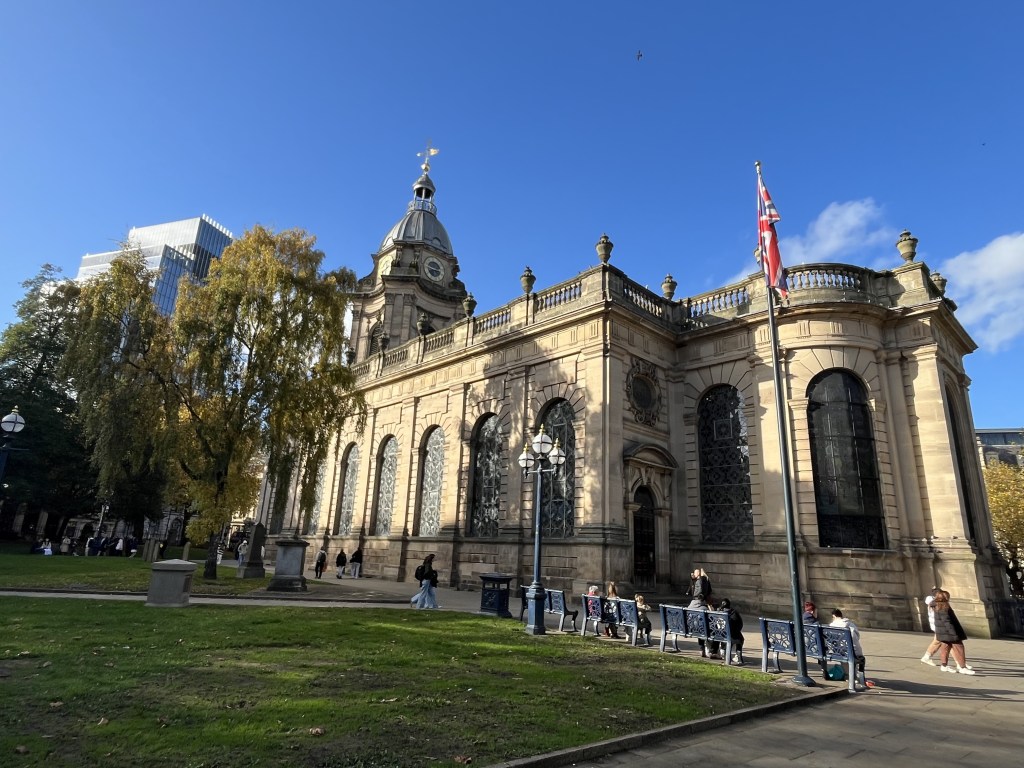
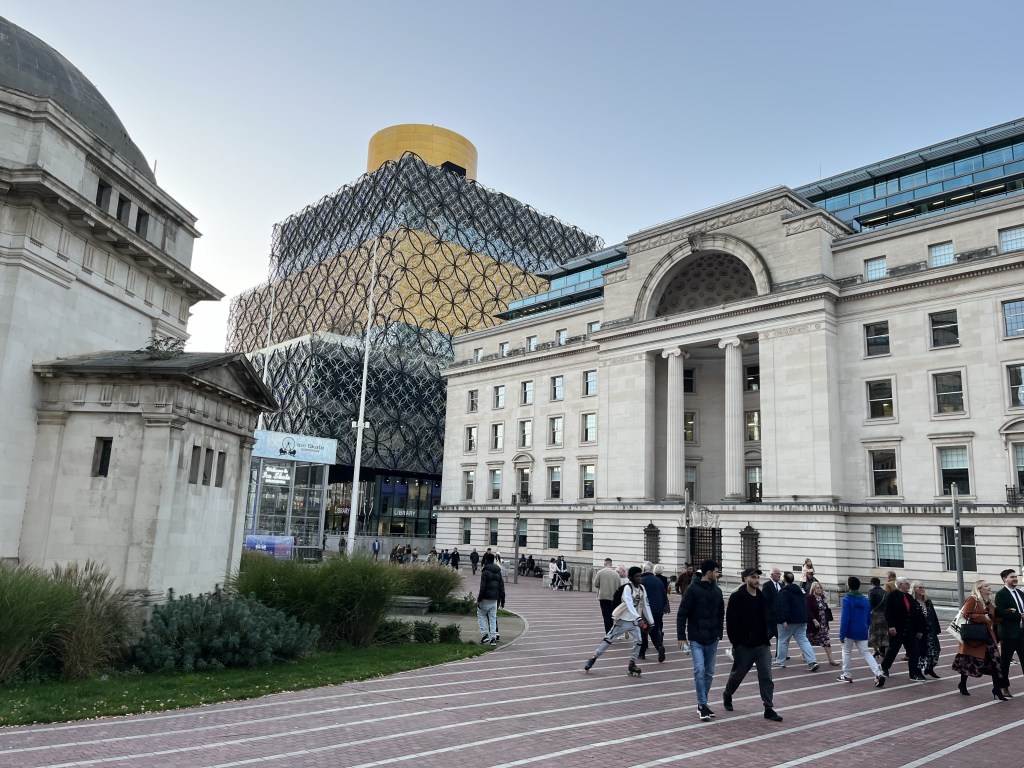
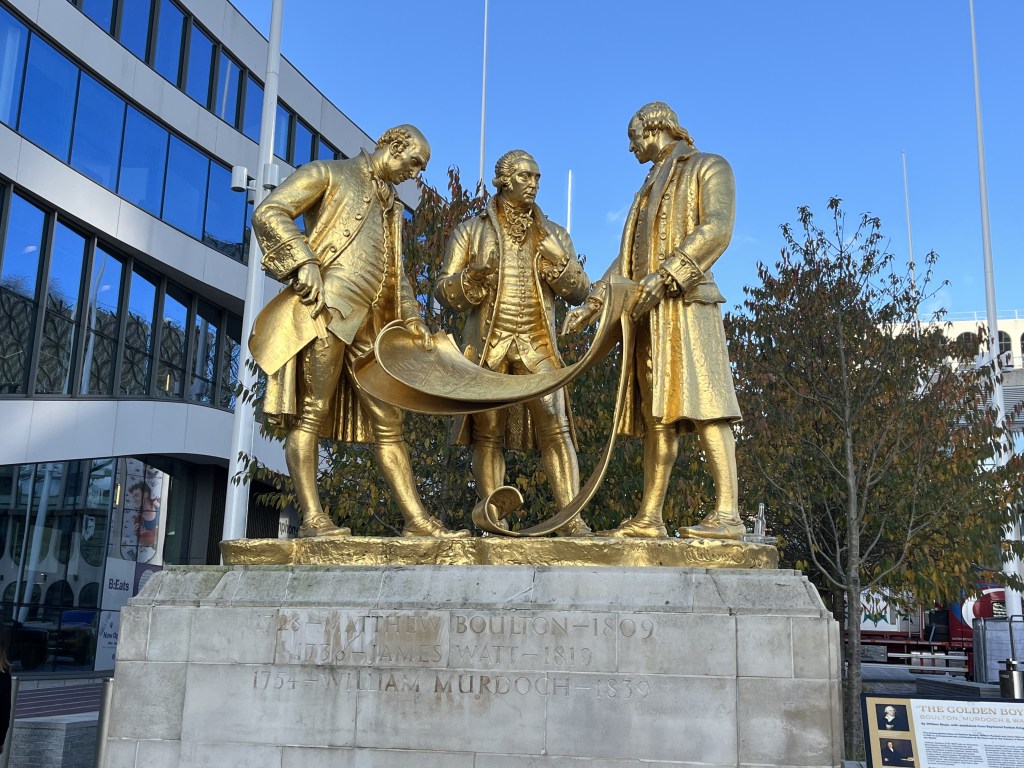
Birmingham is a fascinating city to visit. Of course, it was at the hub of the industrial revolution and you don’t have to look very hard to find evidence of its manufacturing heritage.
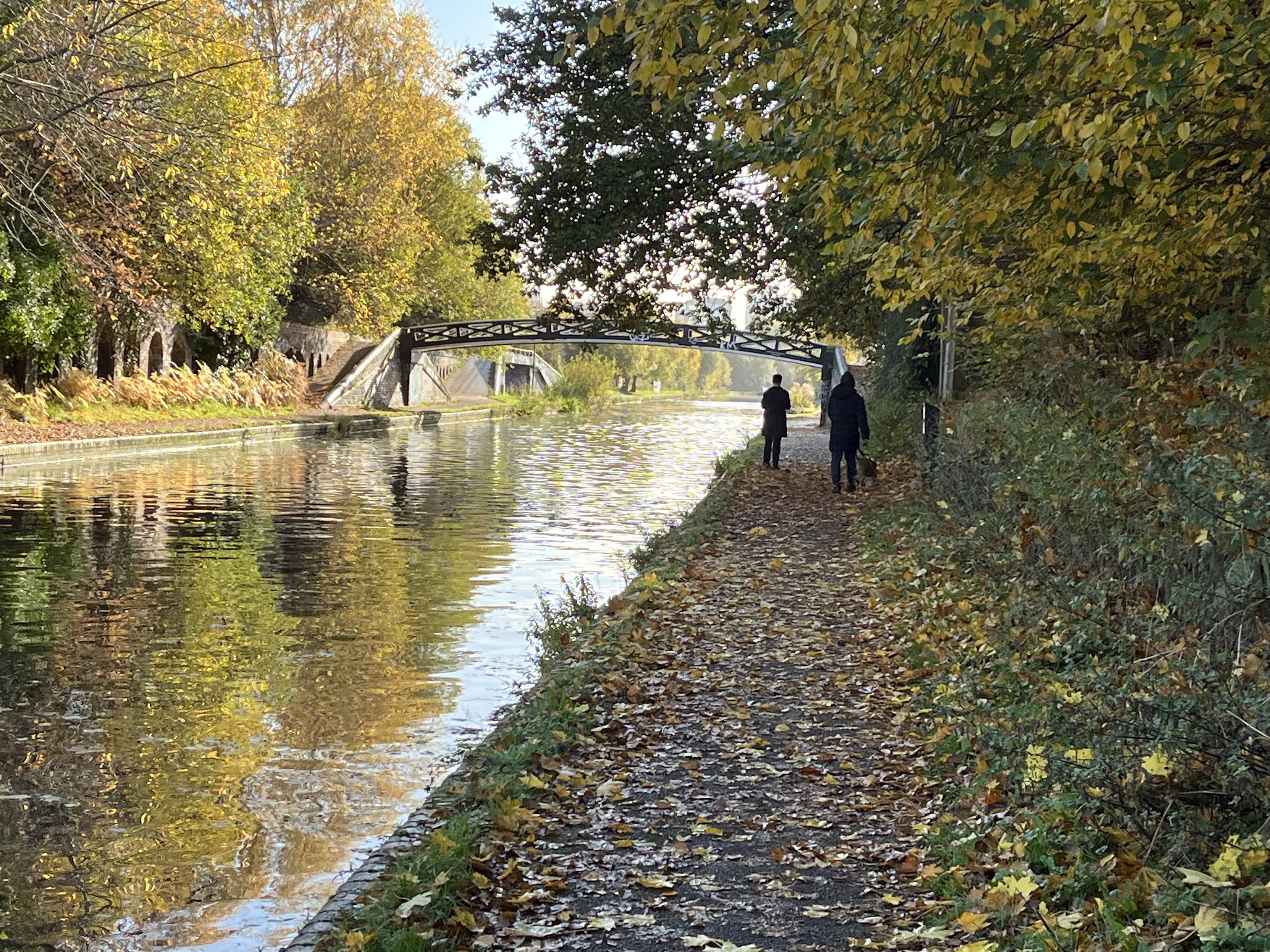
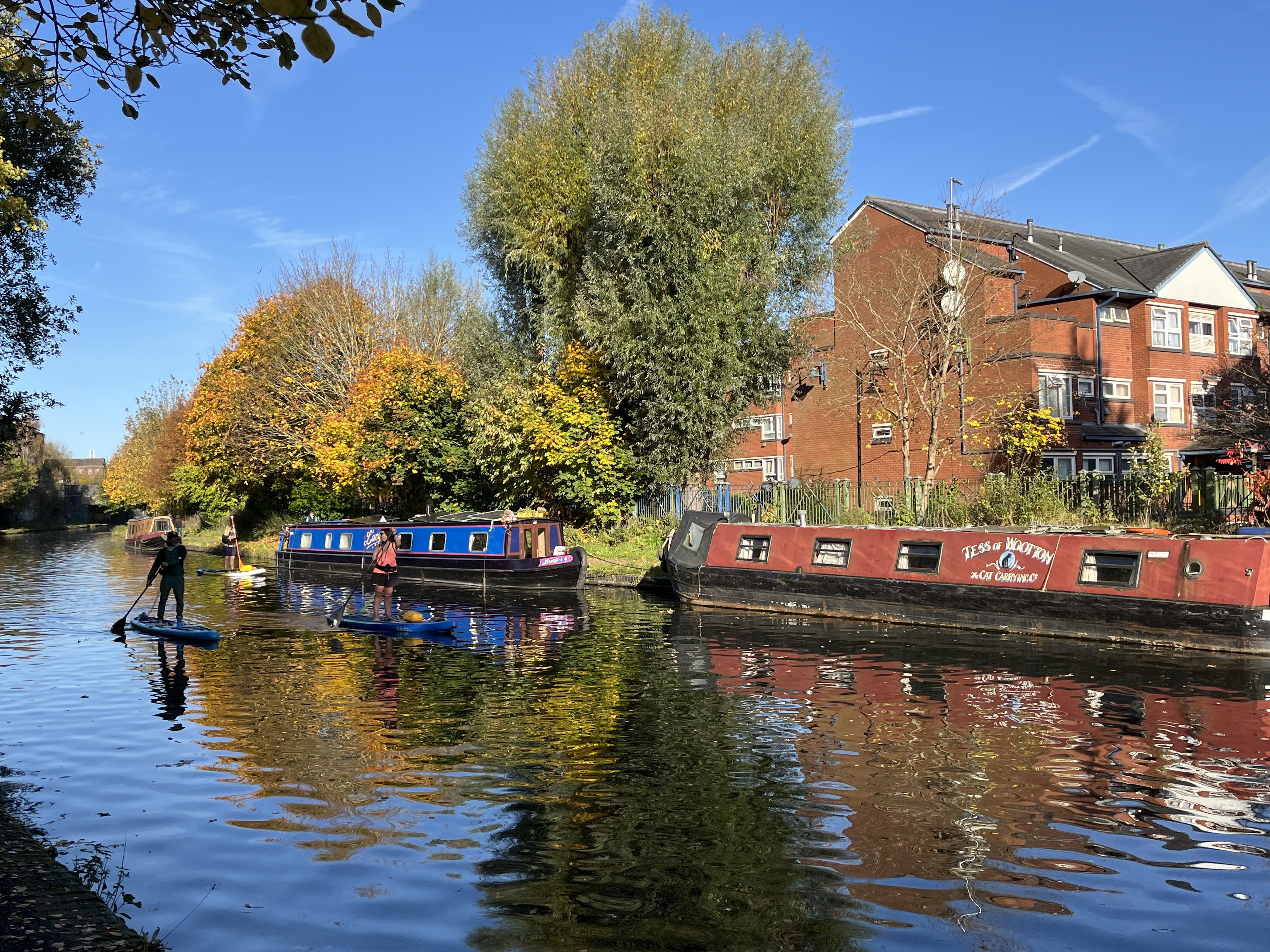
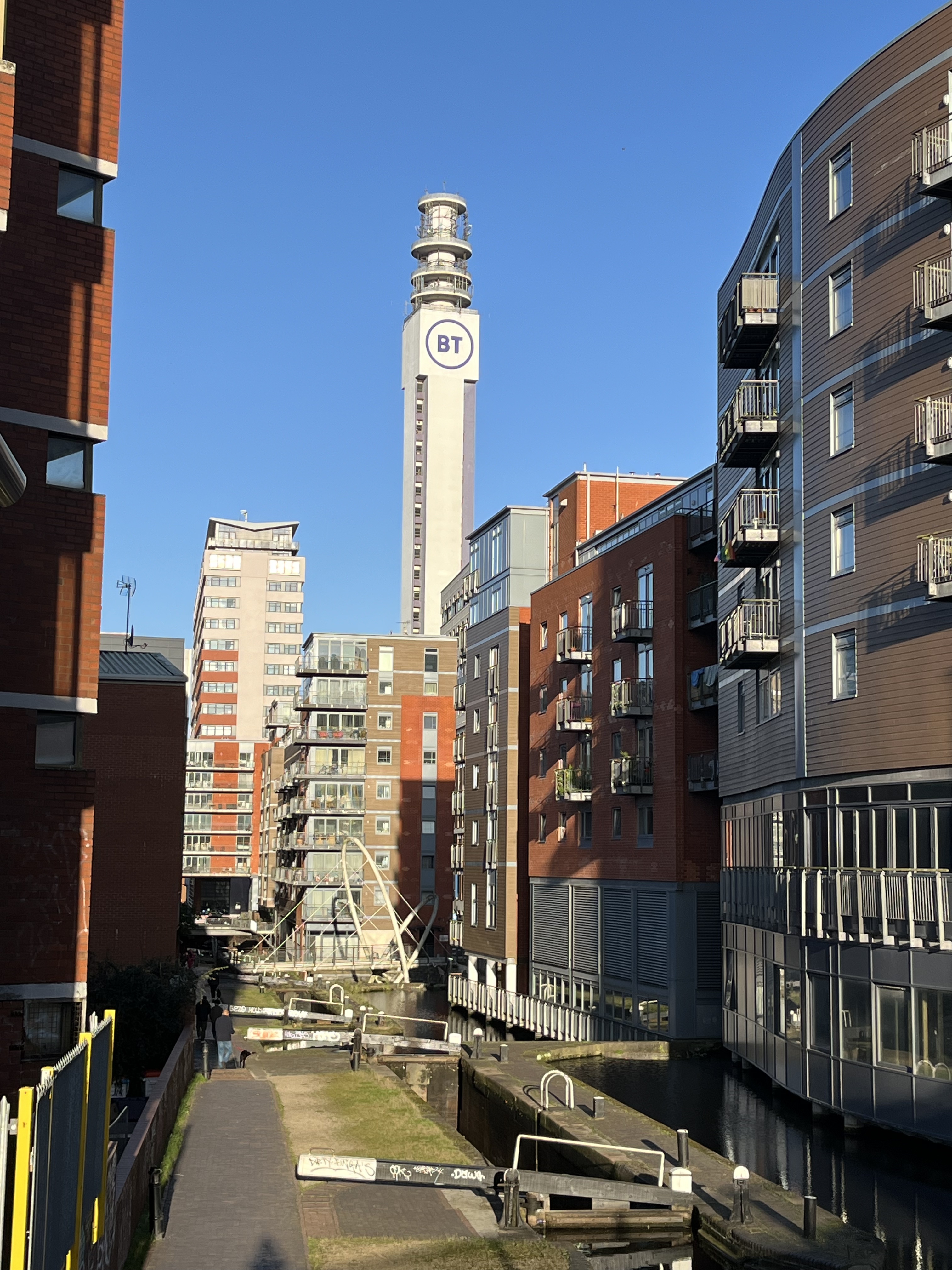
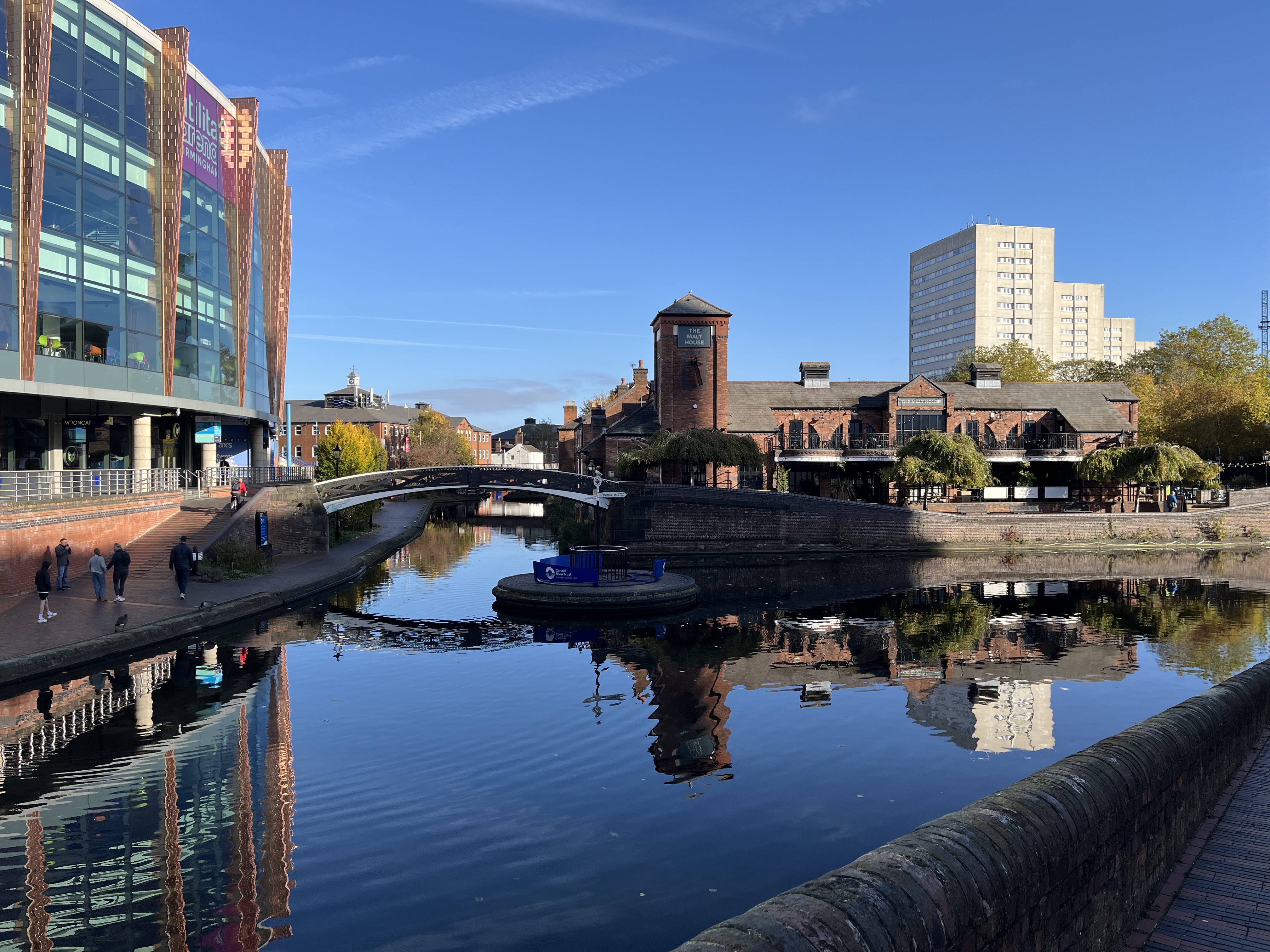


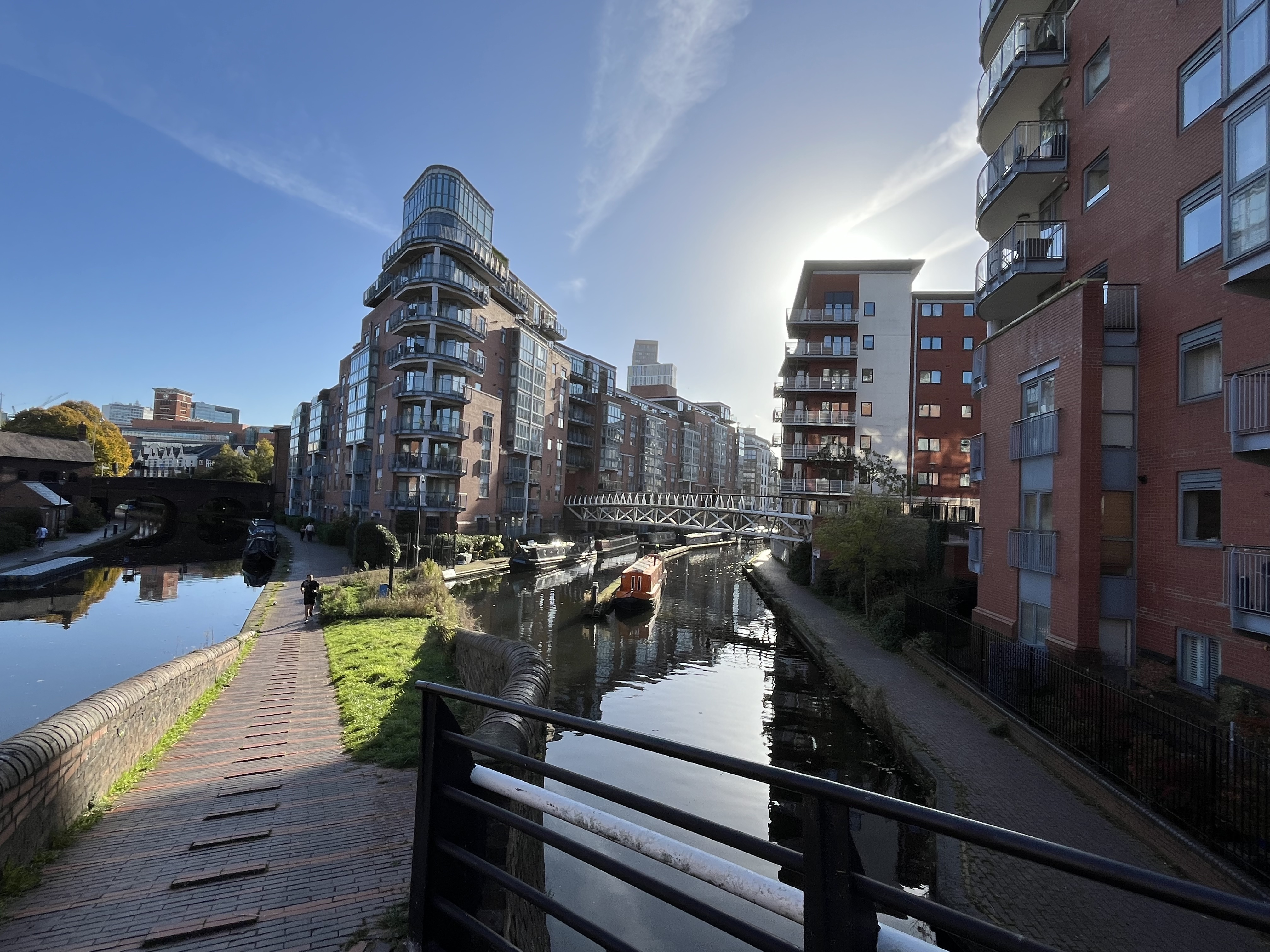
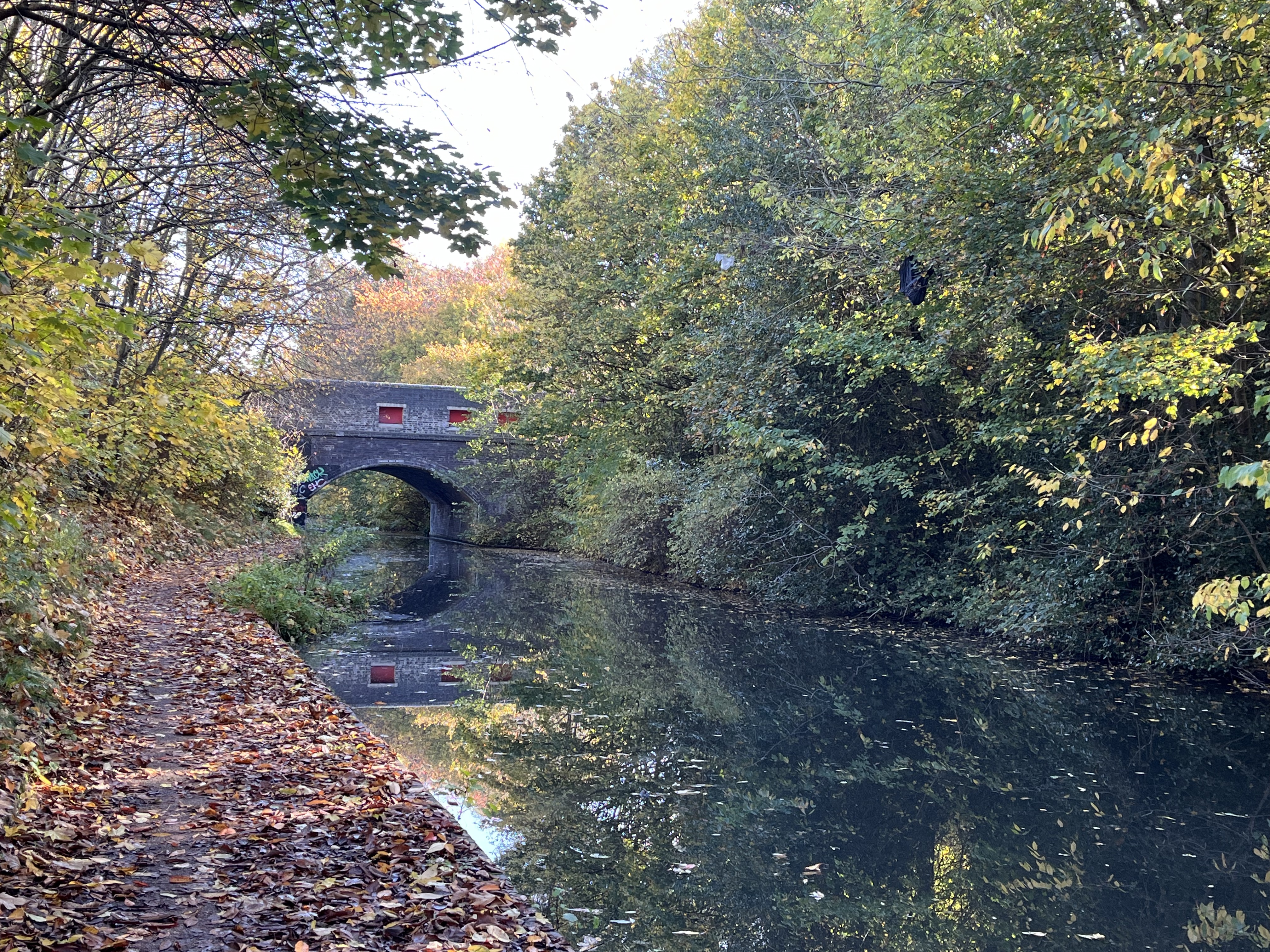
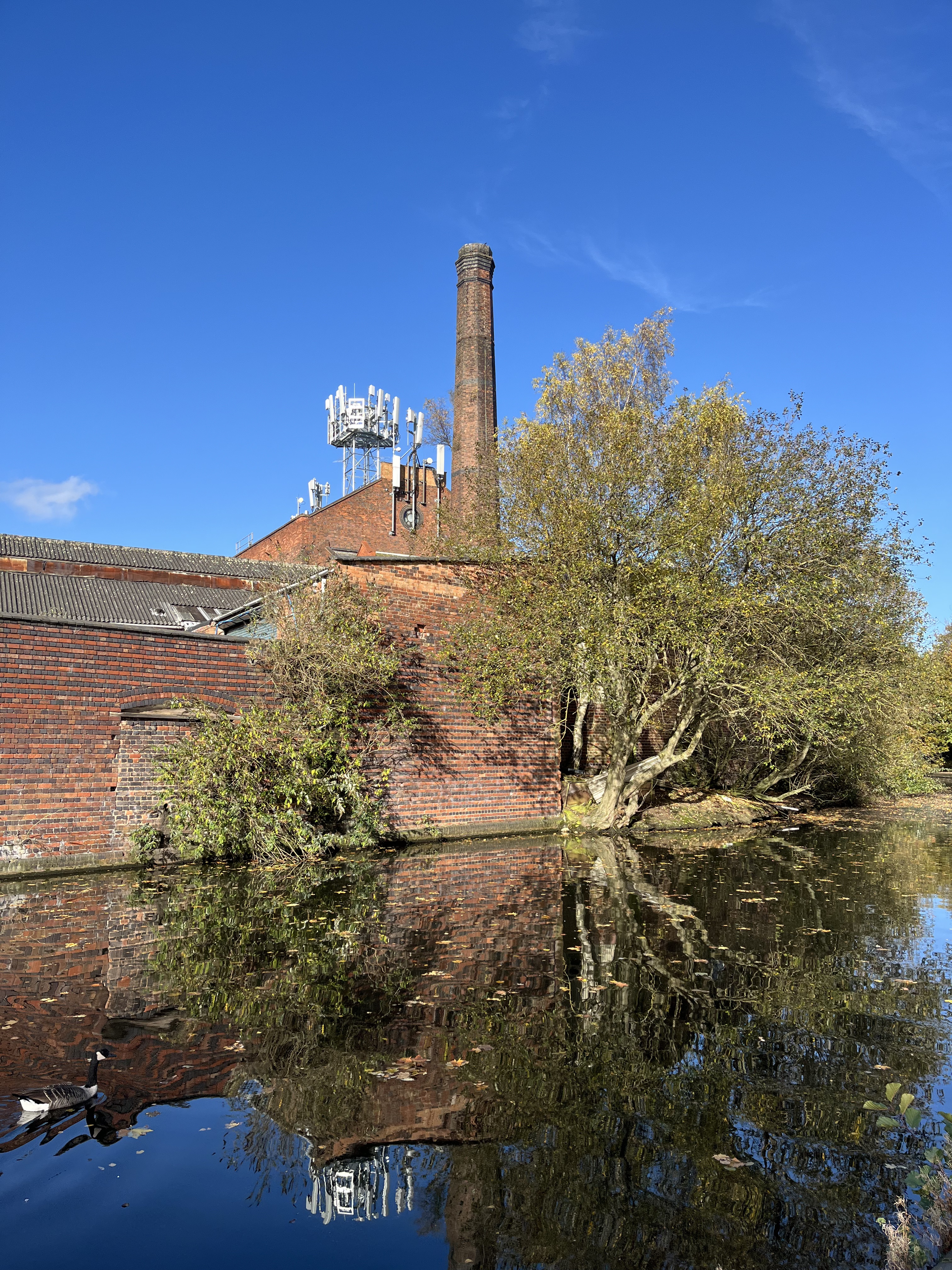
A great way to explore Birmingham is to follow the miles of canal towpaths that slice through the city. You can start your journey from Gas Street Basin, smack in the middle of town. There are lots of routes to follow and within a few minutes you will have left the bustle of the bars and the business districts and be strolling through peaceful countryside.
However, wherever you are, there will be a piece of social history to notice and investigate. It might be a neglected factory, a wonderful pub, a chapel, a boatyard or a spectacular bridge that crosses the waterway.
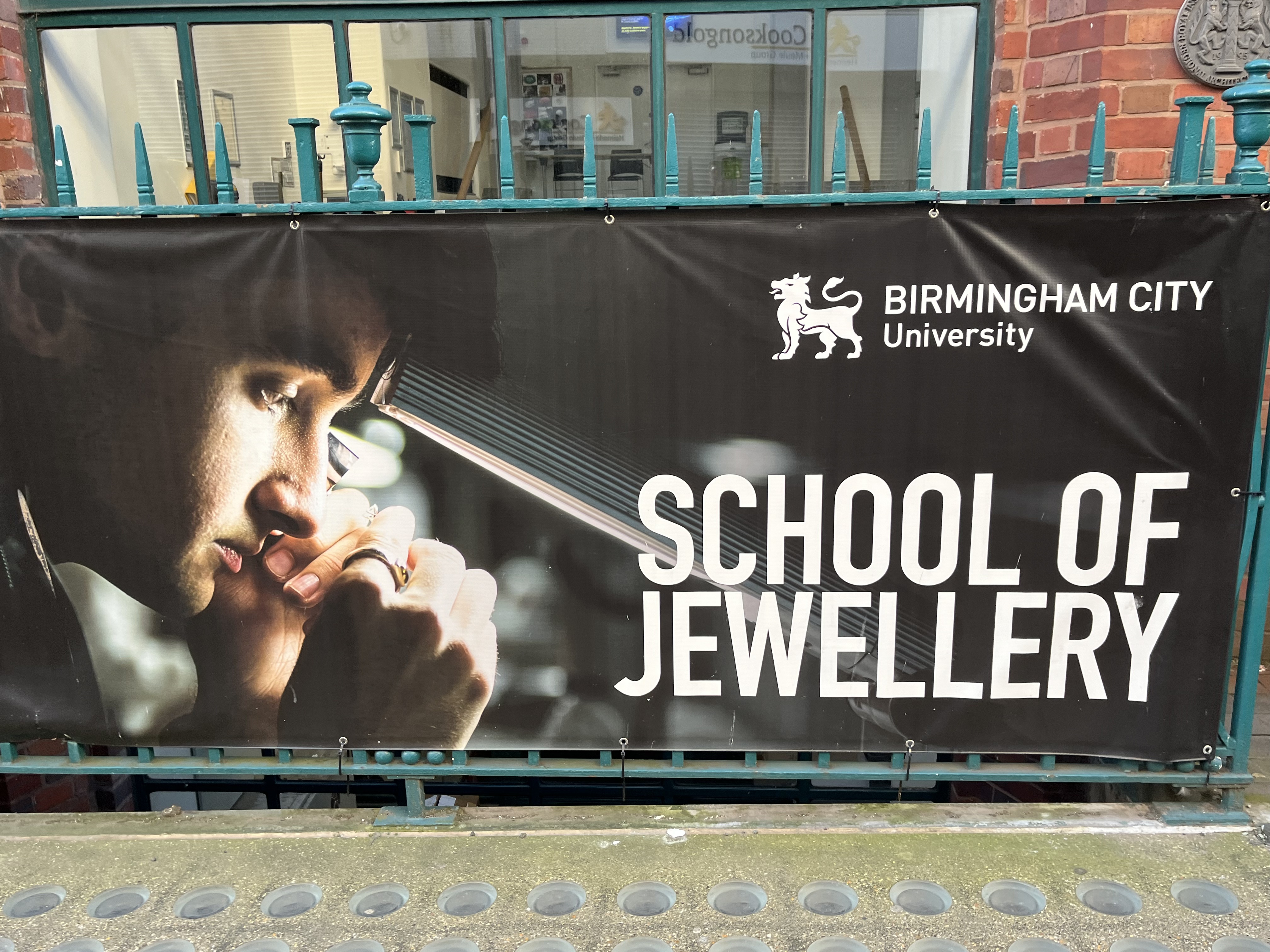
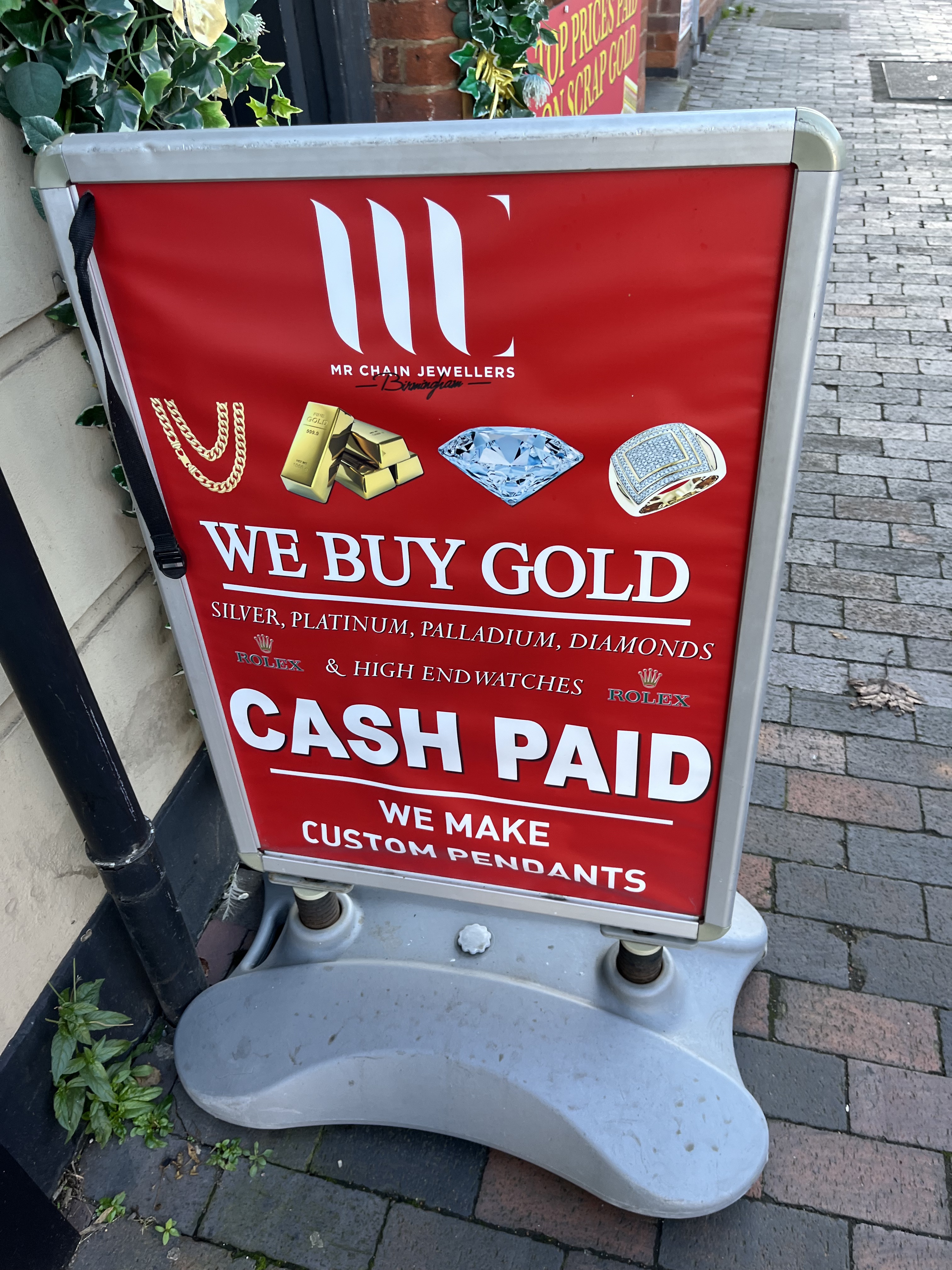
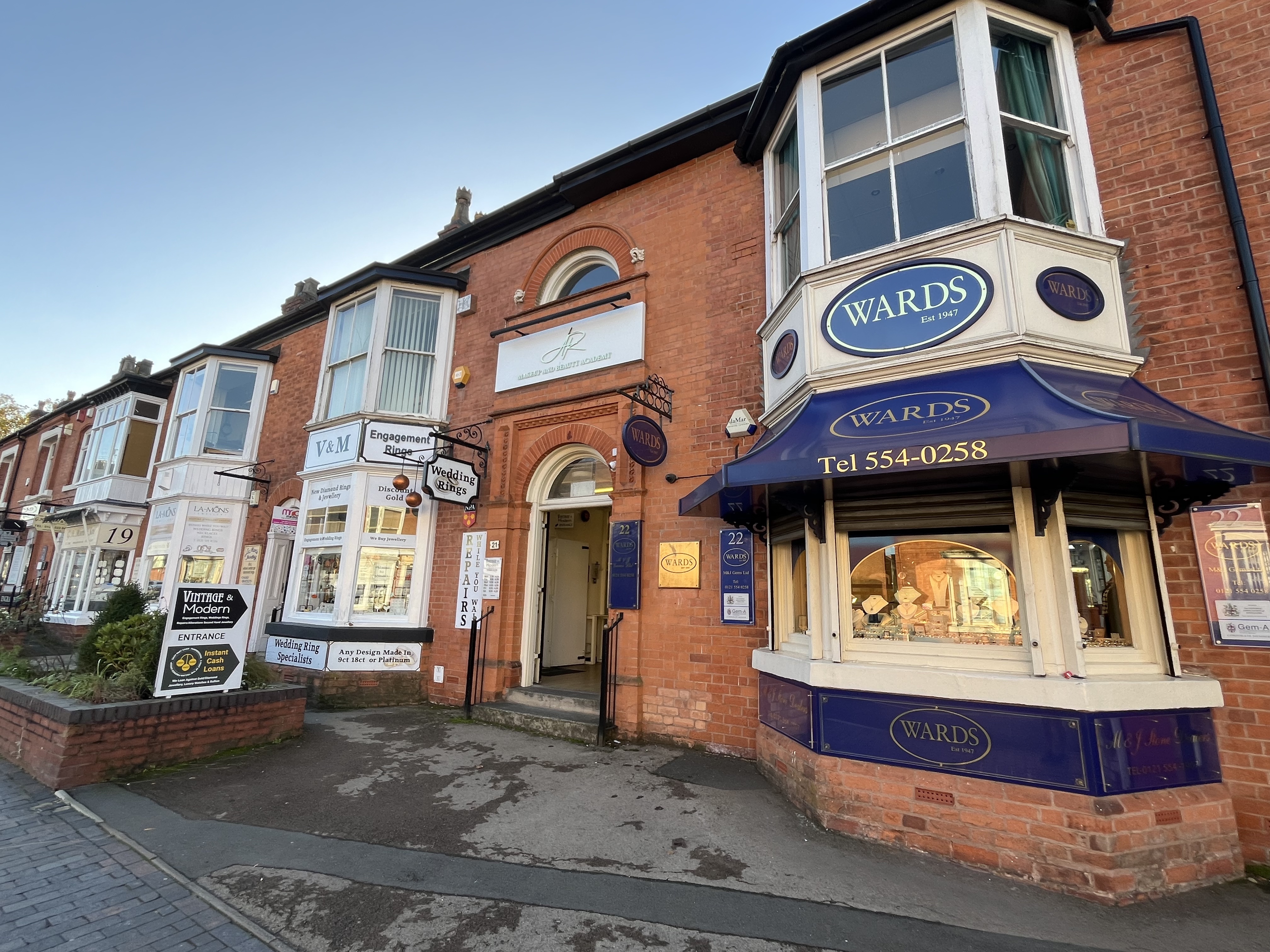
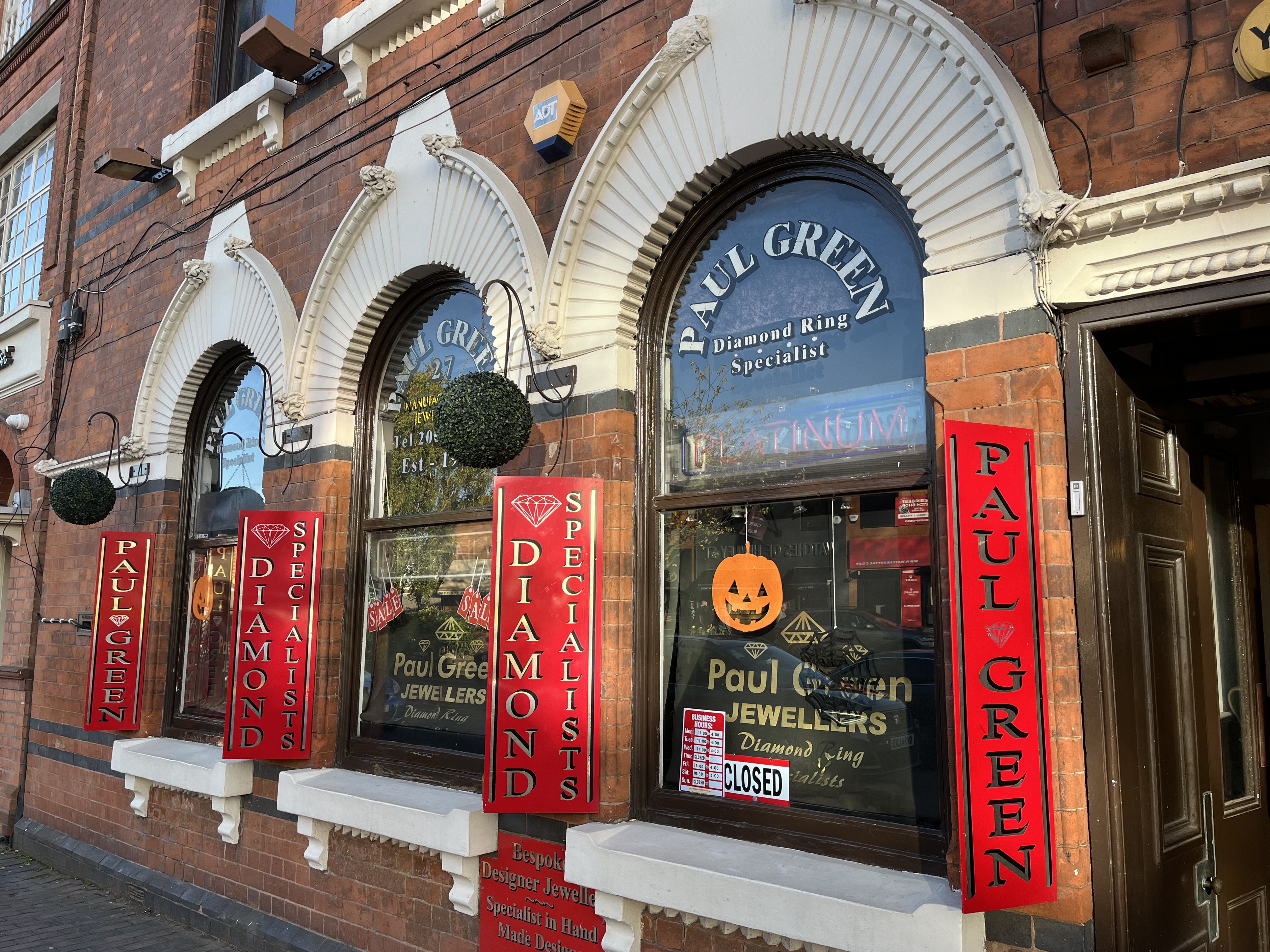
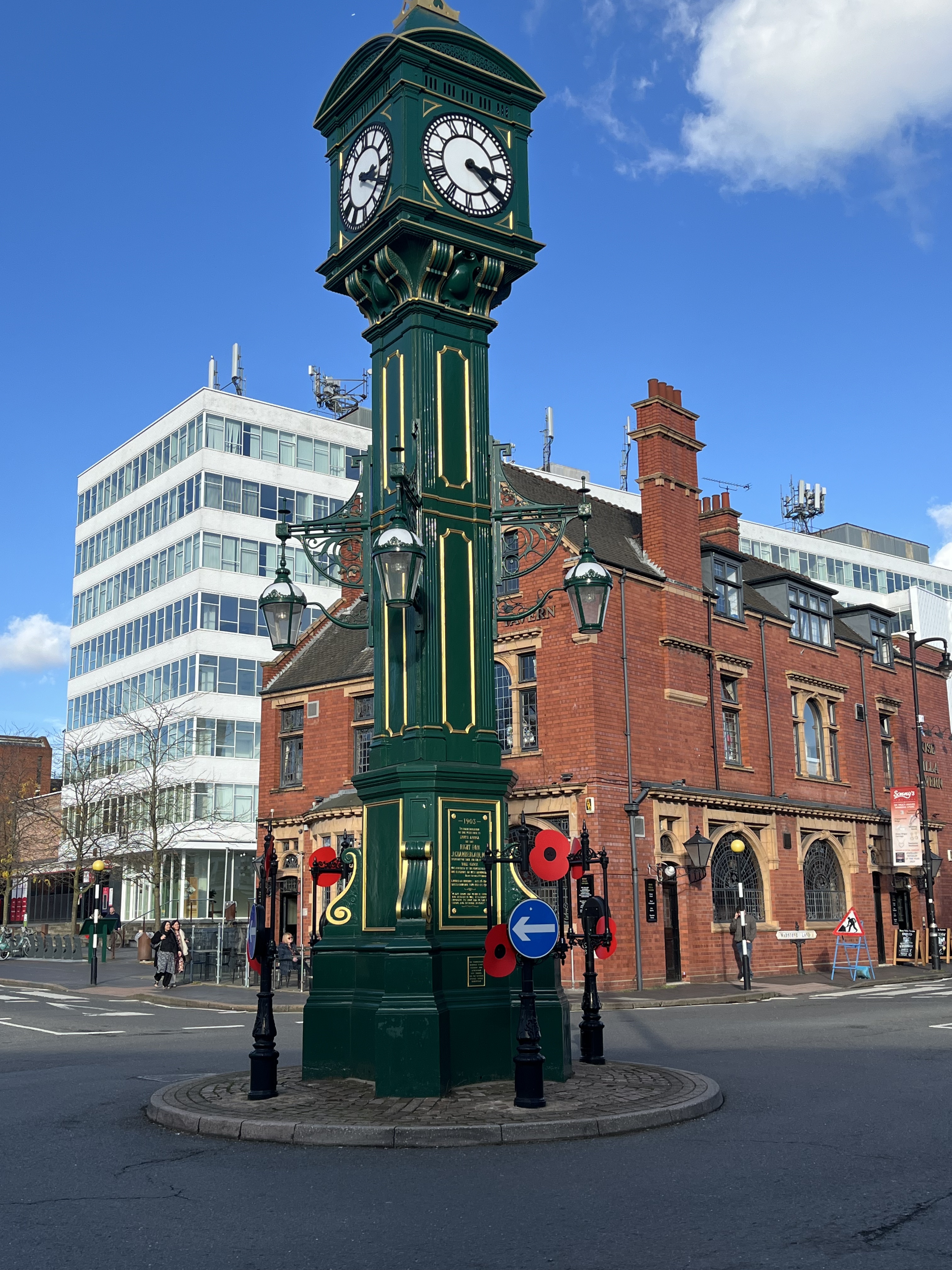
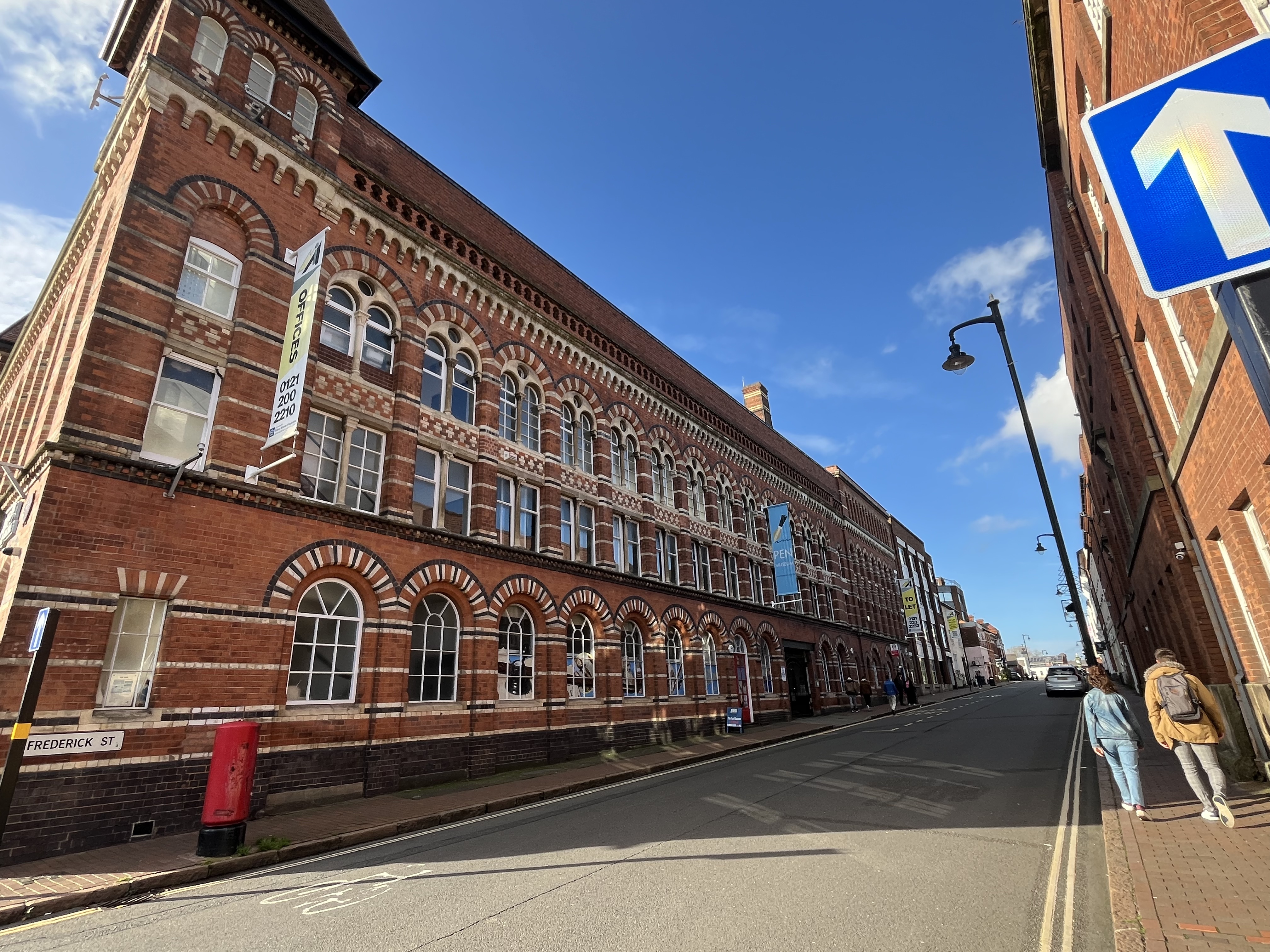
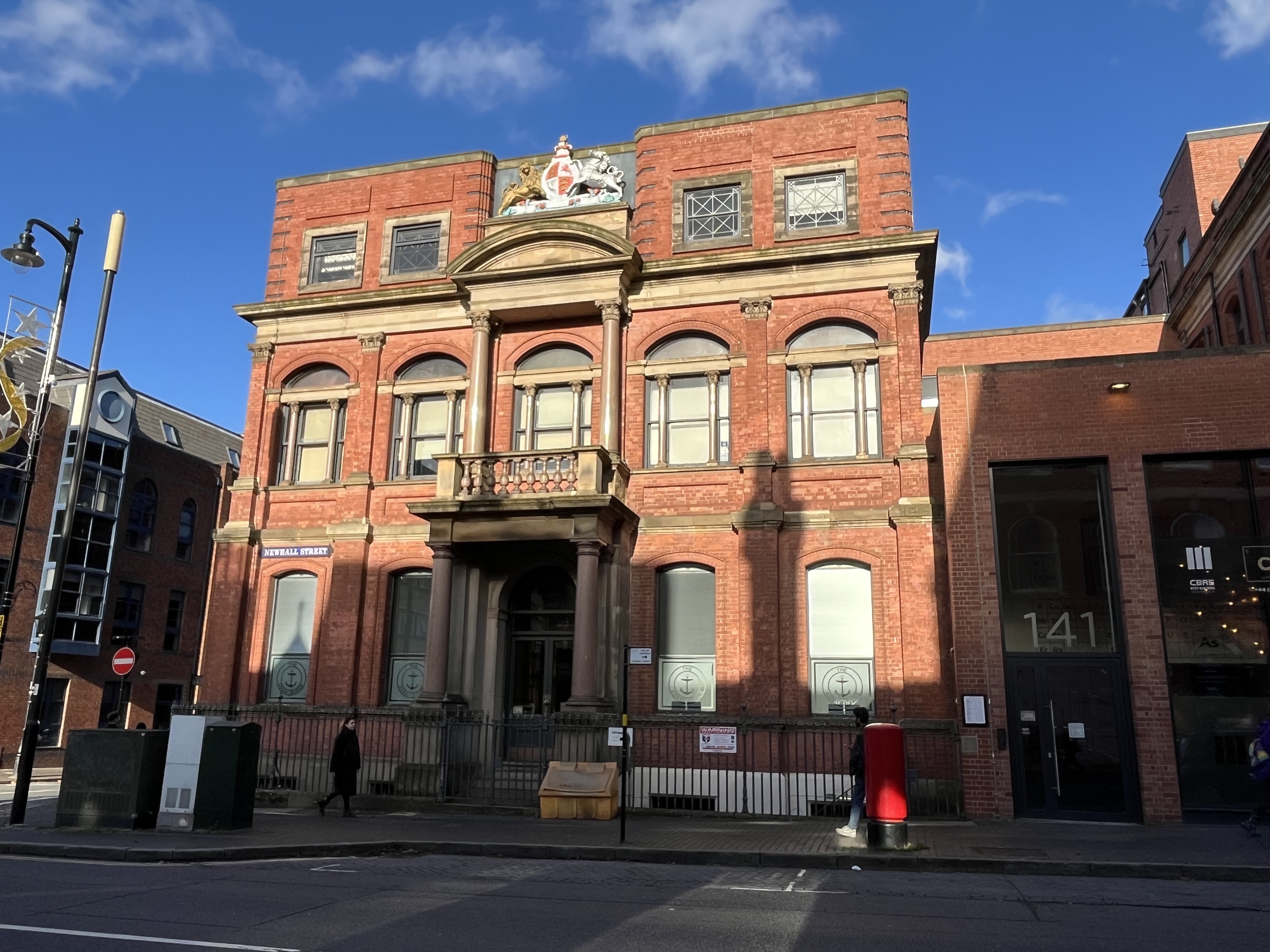
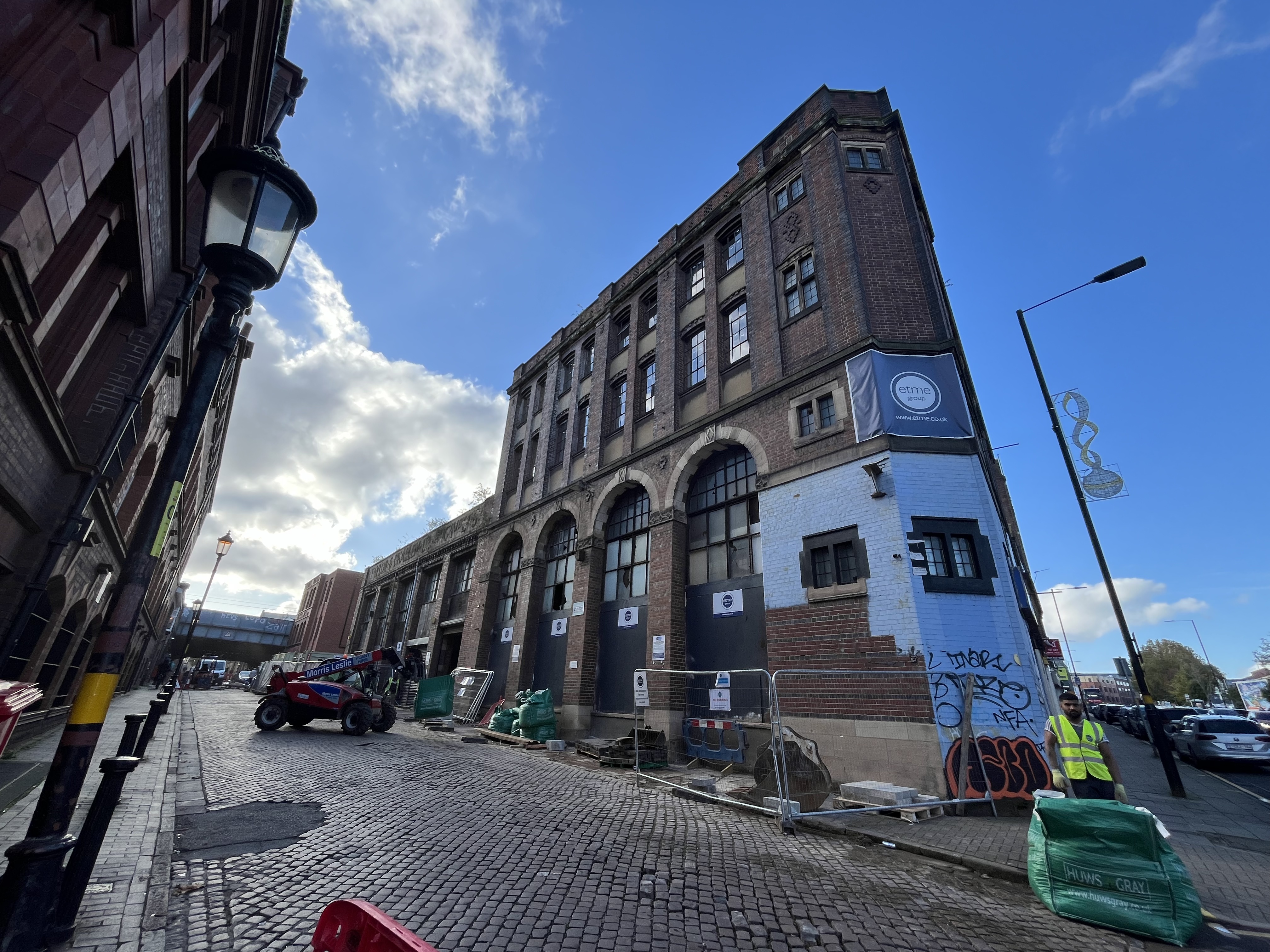
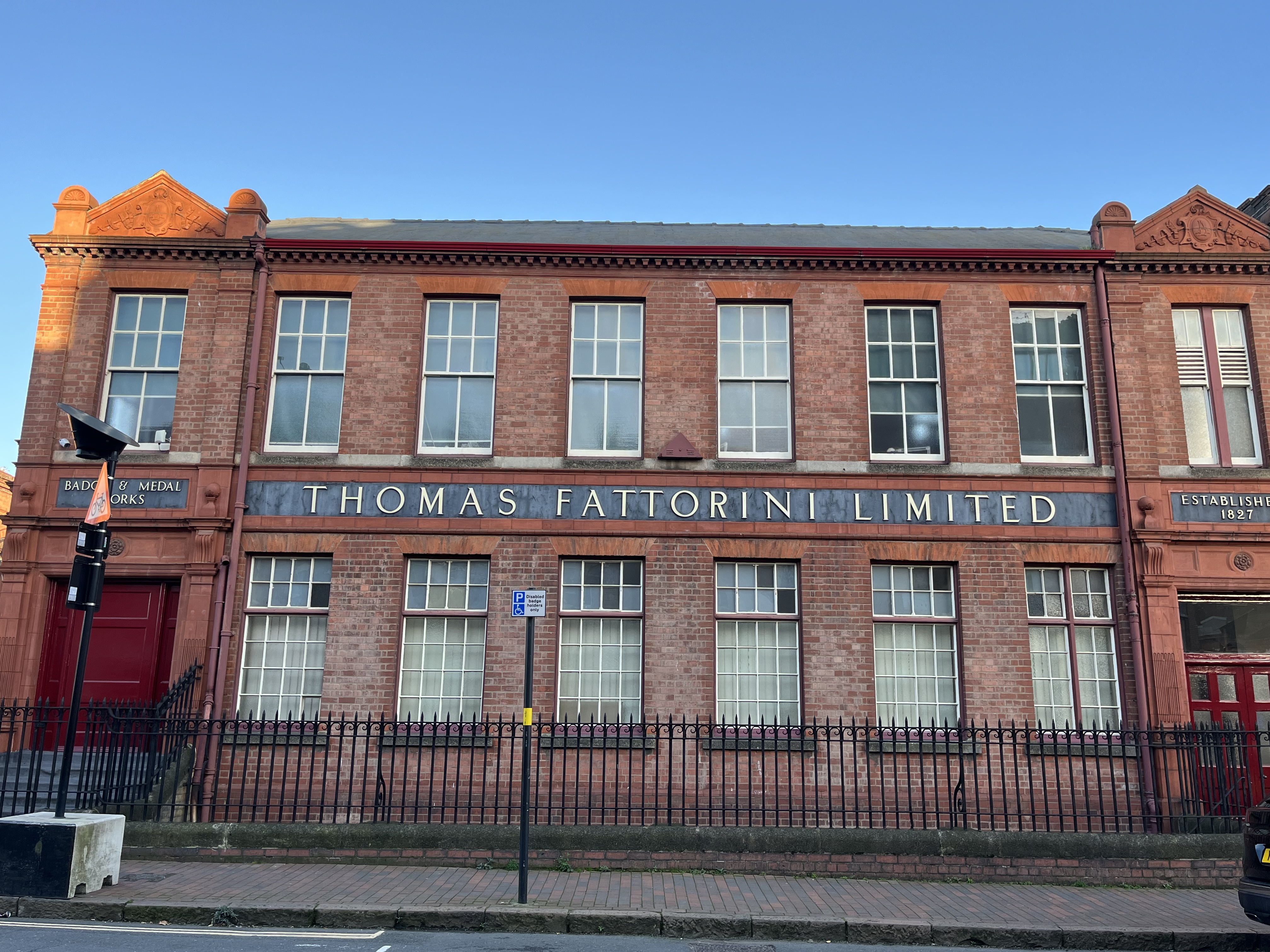
The Jewellery Quarter has an abundance of Victorian and early 20th century buildings devoted to the manufacture of jewellery and similar small goods. There are still many shops and businesses in the area. I noticed the factory of Thomas Fattorini Ltd, a company well known for the manufacture of famous sporting trophies, including the original F.A. Cup.

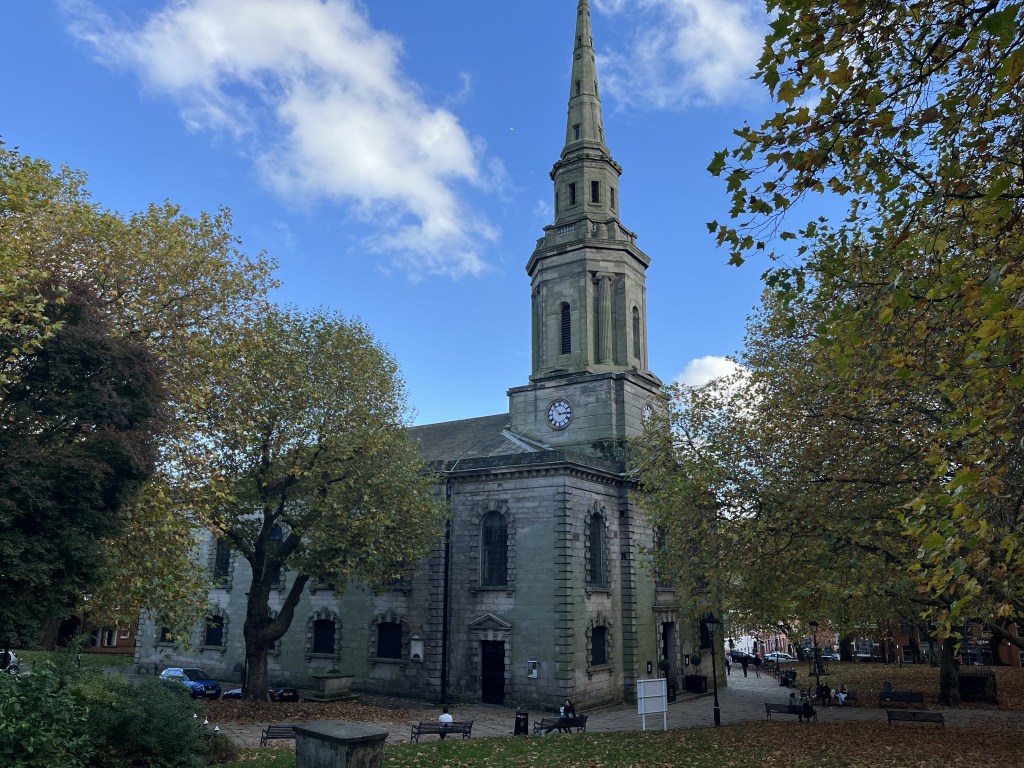
If you do visit, make time to relax in the grounds of St. Paul’s church, a wonderful place to relax and to appreciate the local history. A wonderful place to have a lunch.



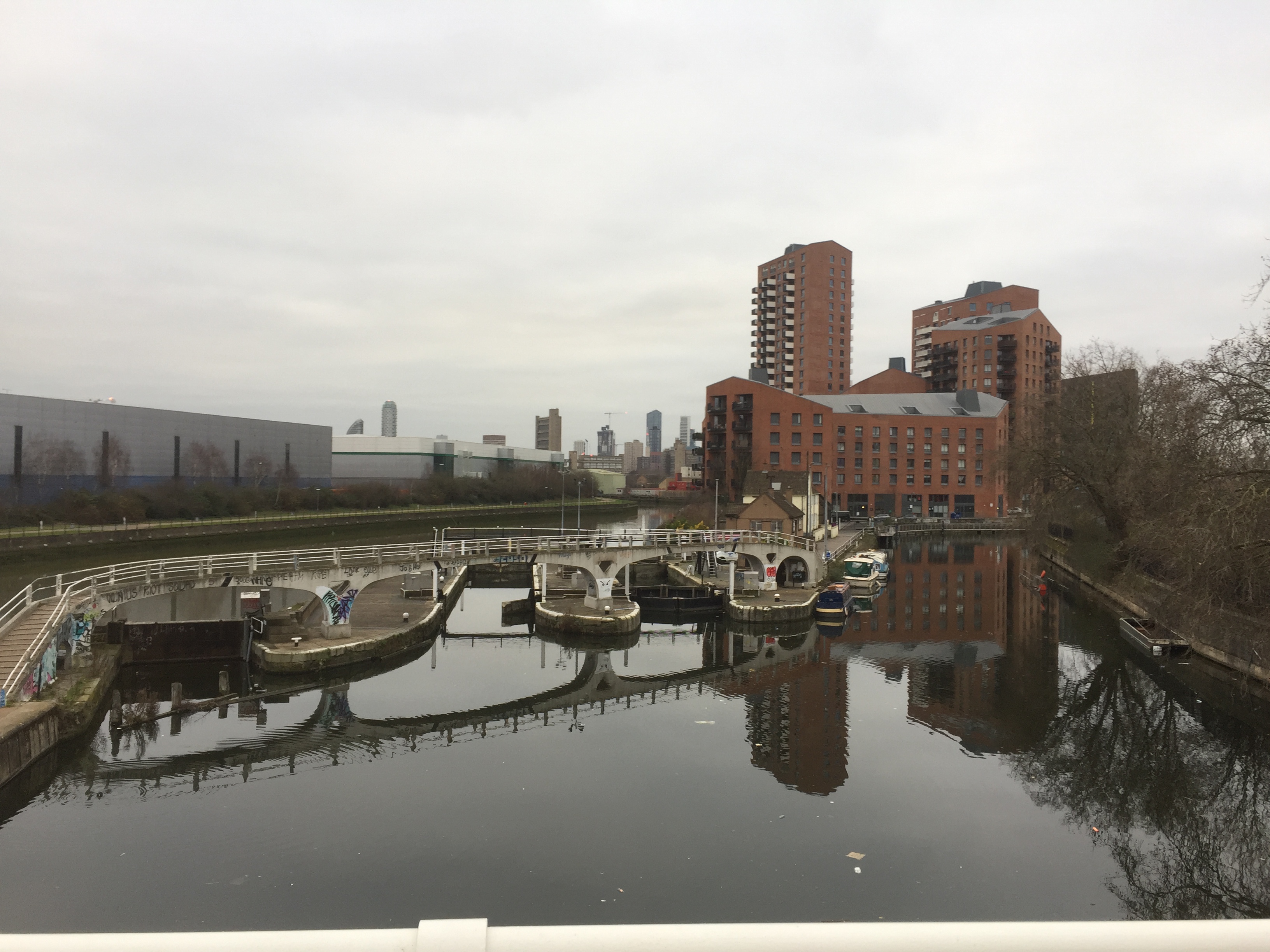
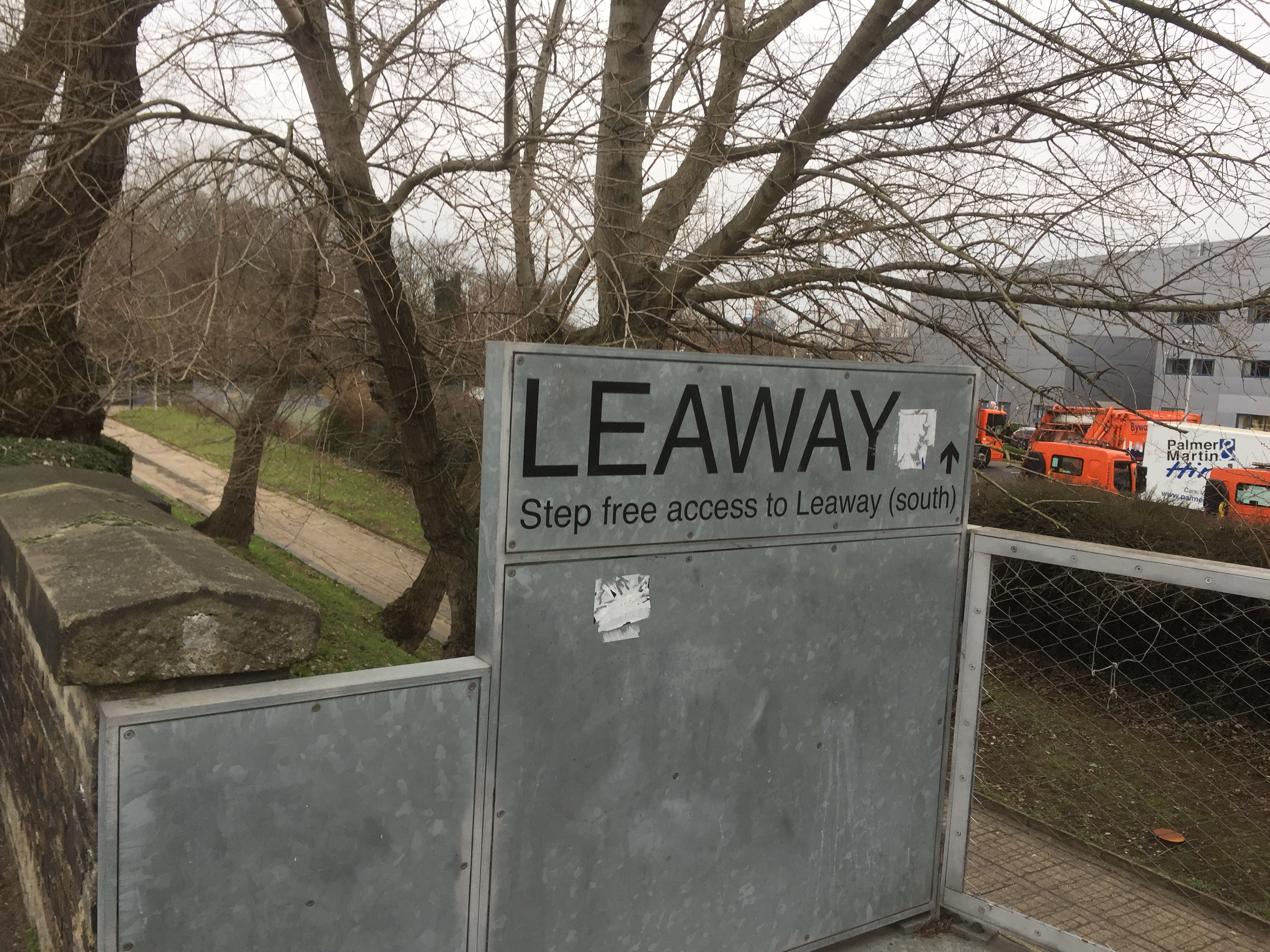
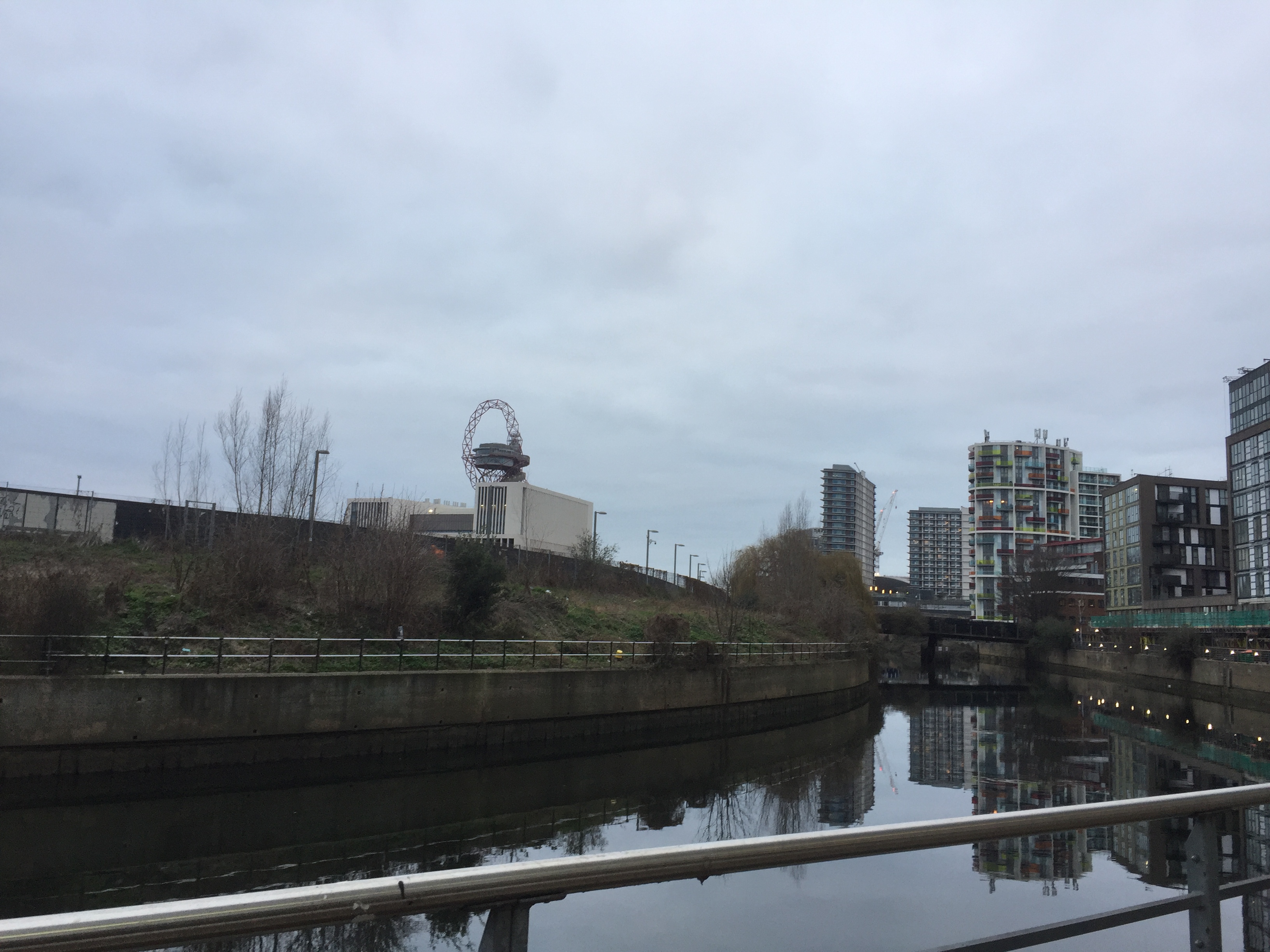
The River Lea is London’s second river. It rises near Luton and meets the River Thames at Leamouth, close to Docklands. A walk along its banks may surprise you. Especially as it flows through the area formerly known as Stratford-at-Bow, but is now known as Bow.
It is an area that has changed radically this century. The 2012 Olympics stimulated that change. There are many new buildings in addition to The Olympic Park.
The final couple of miles of the River Lea are known as Bow Creek. The river is tidal and it has a big impact on the economic and social history of this end of the capital.
The area was heavily industrialised. It was a site for shipbuilding, coal wharfs and the Thames Ironworks. The workers at the ironworks formed a football club that developed into West Ham F.C.
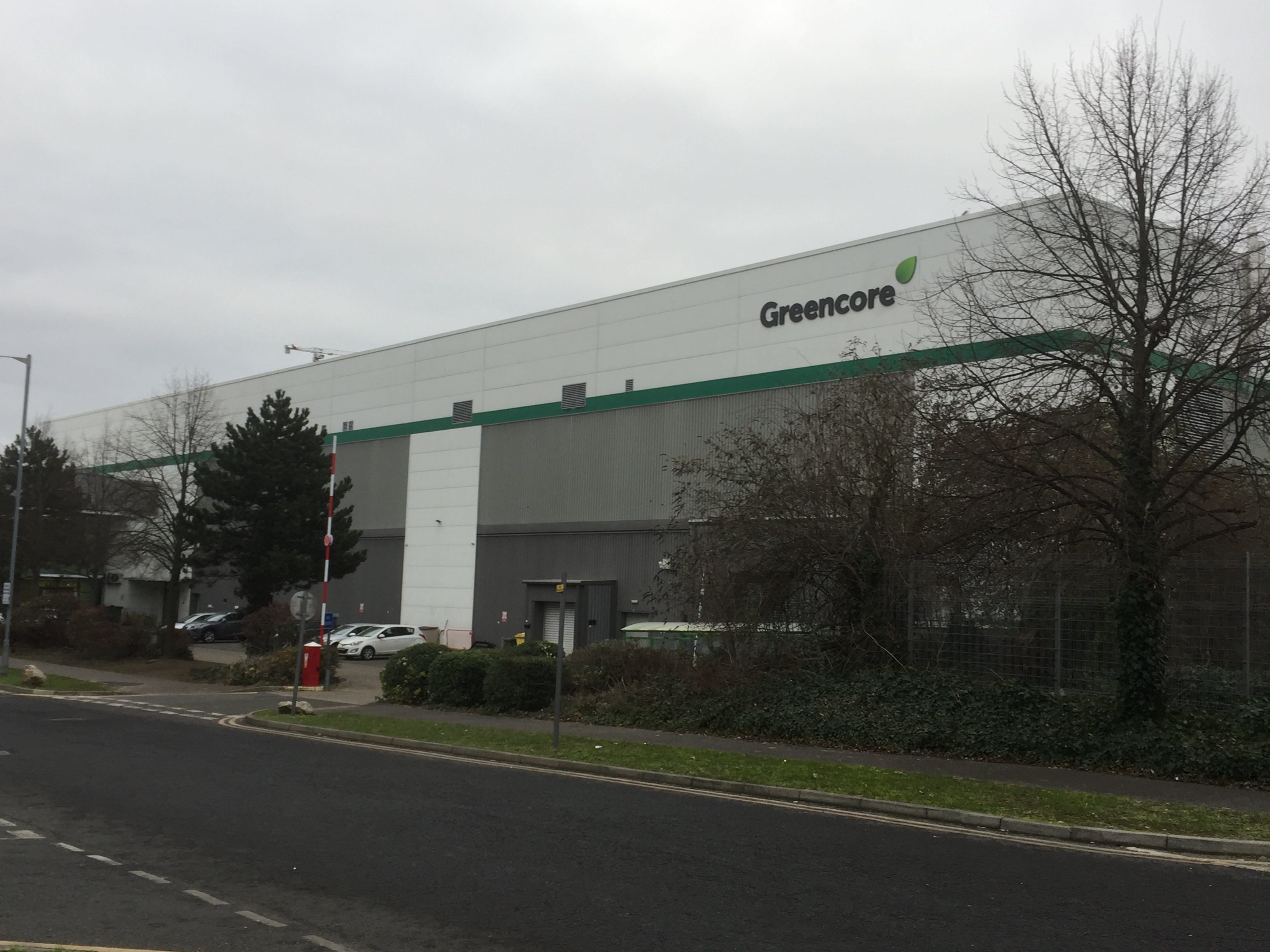

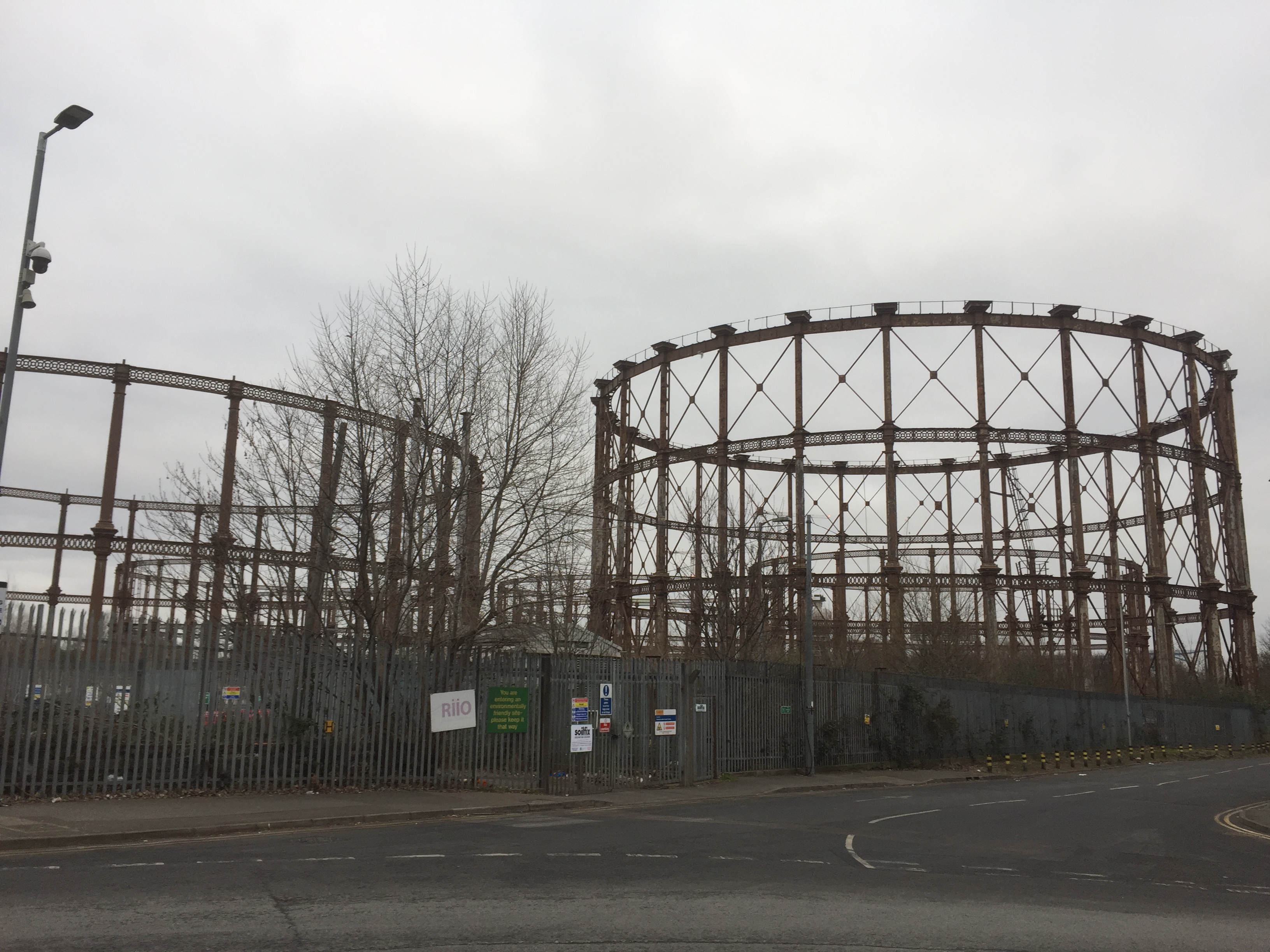
Between the Greencore Sandwich Factory in Bow and the London Stadium in Stratford is Three Mills, an island on the River Lea. For hundreds of years mills on this site produced grain, not only for bakers but also distillers of gin.


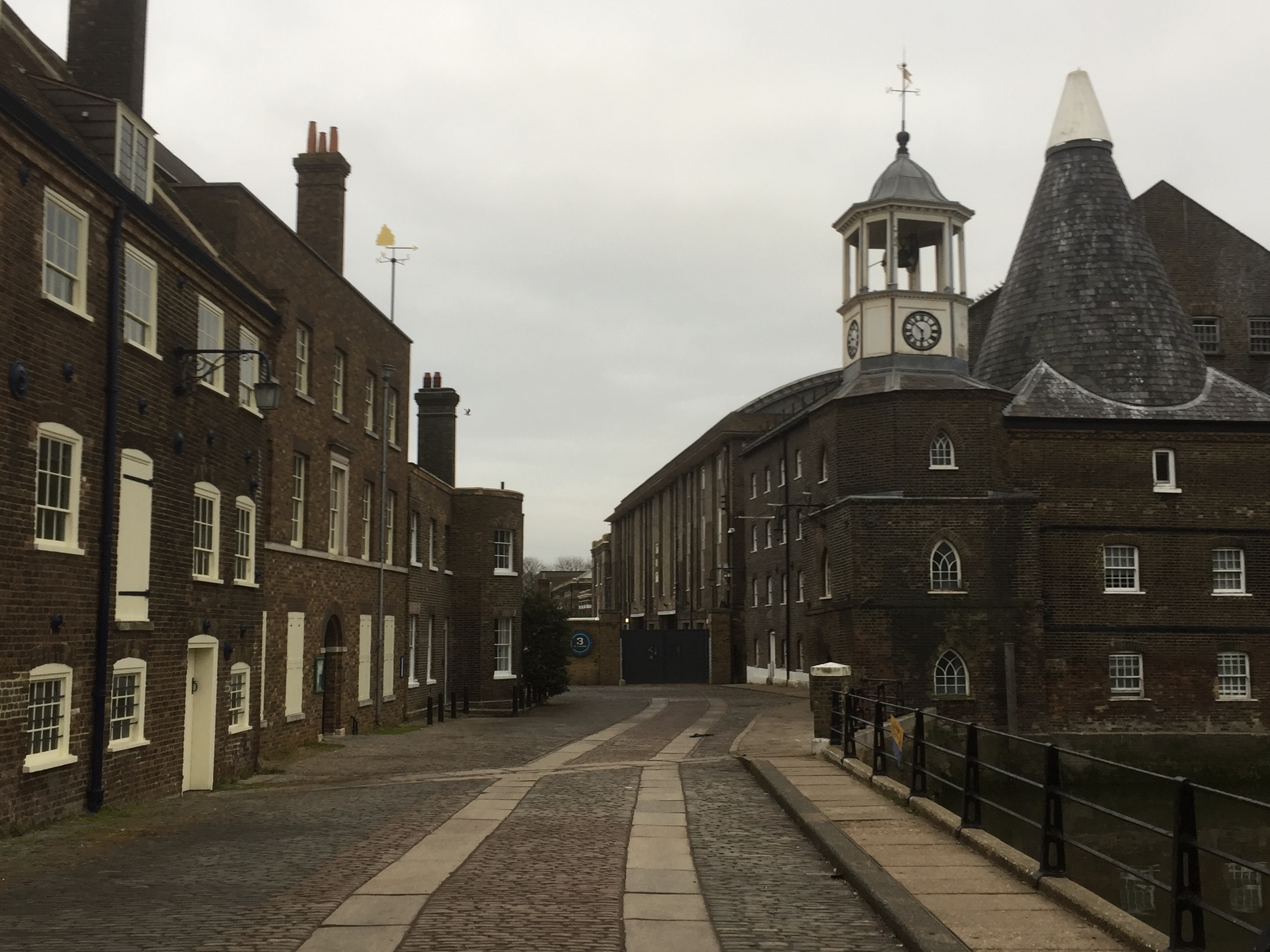
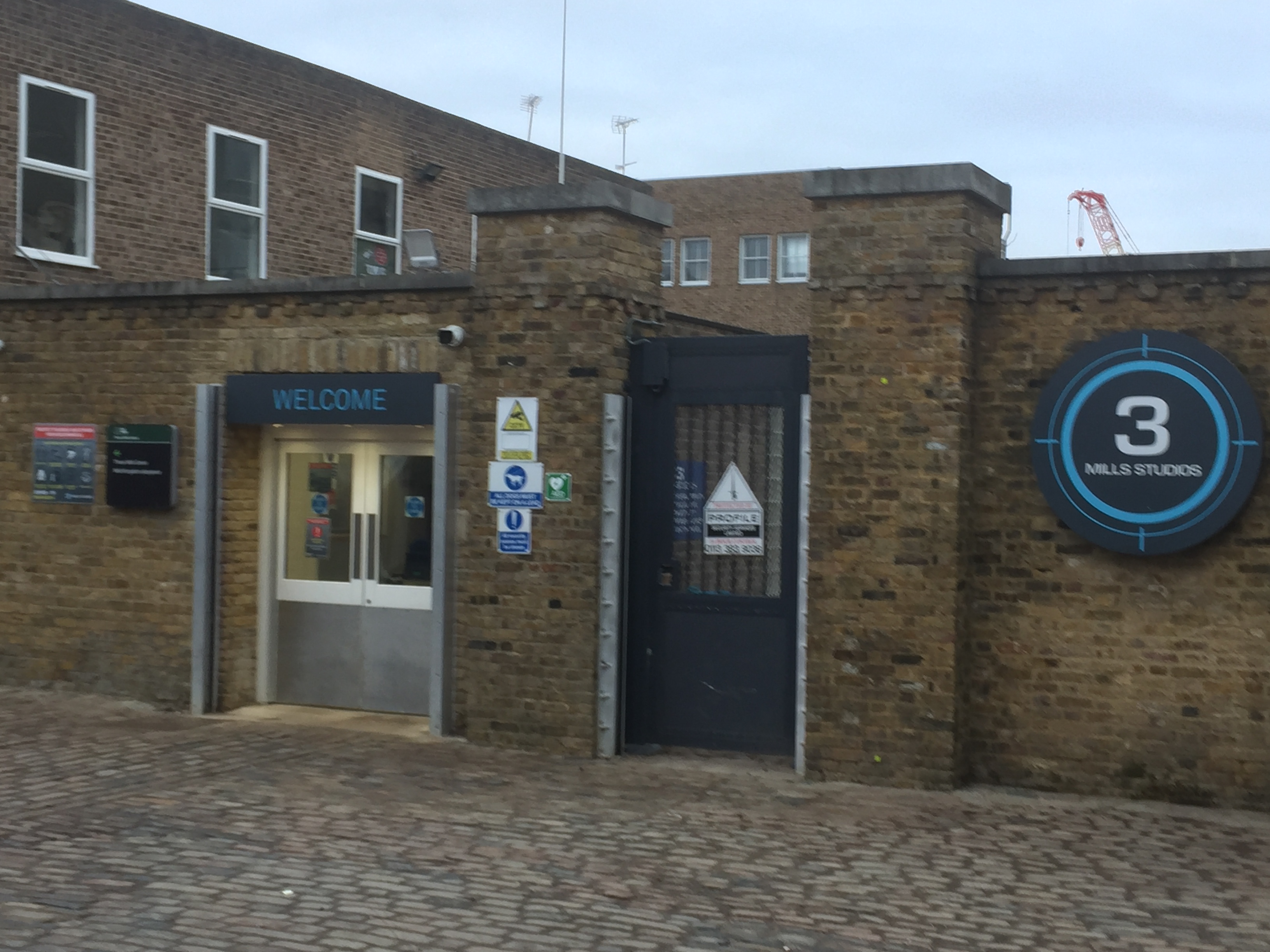

Many of the mill buildings survive. Some have been converted into “3 Mills Studio”. Many films and television shows have been recorded here including MasterChef. Yes, this is the lair of Gregg Wallace.
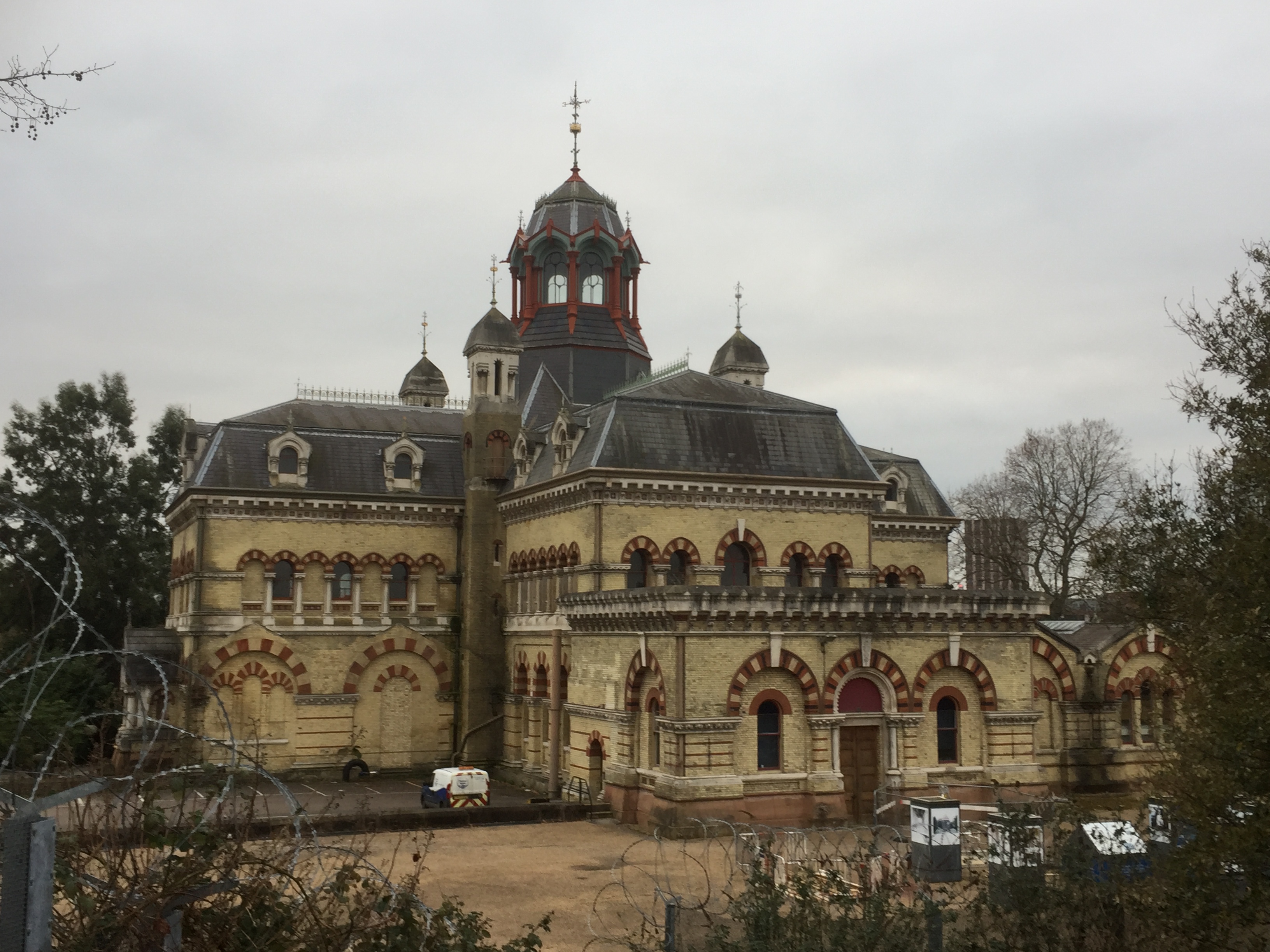
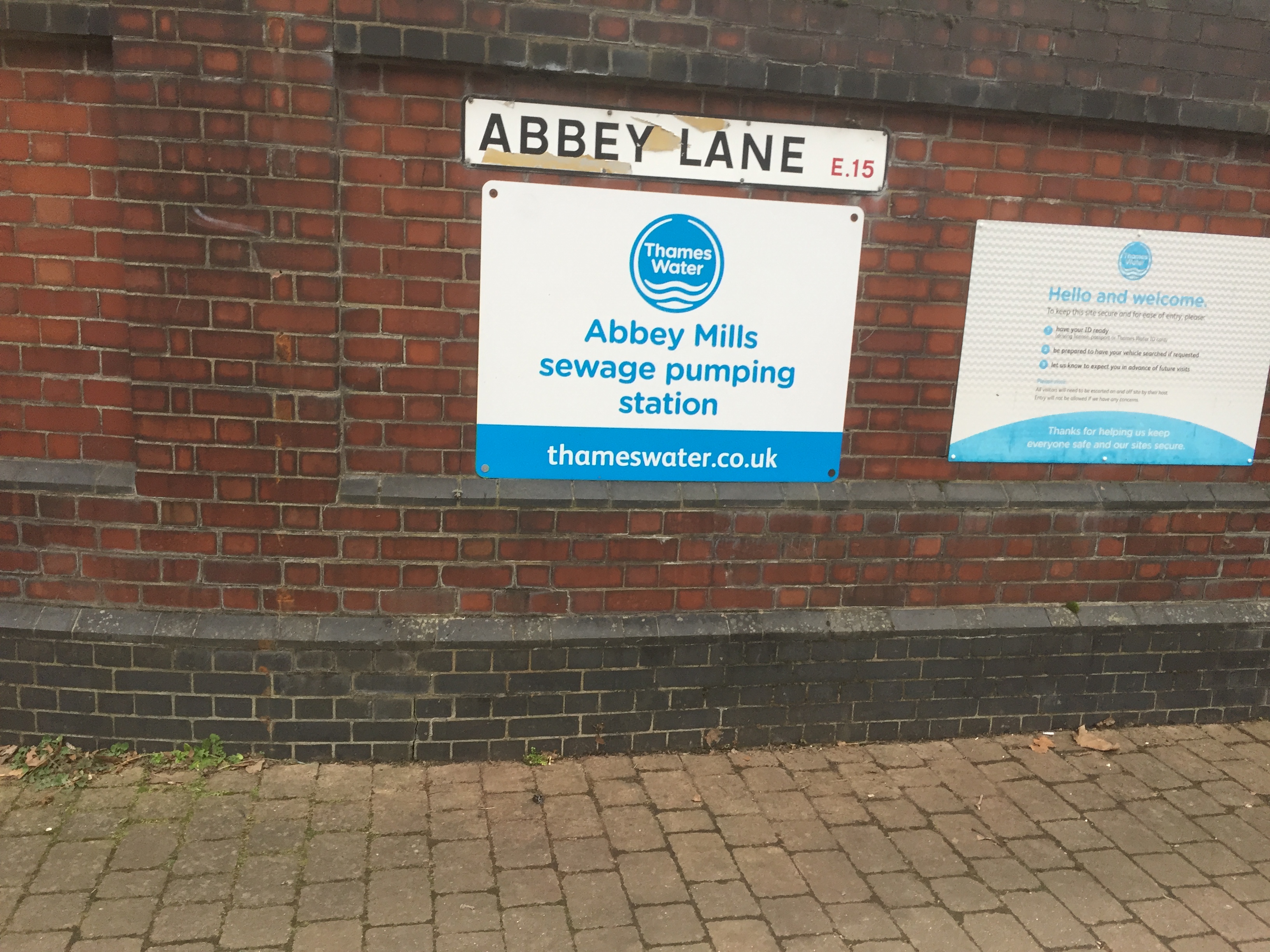
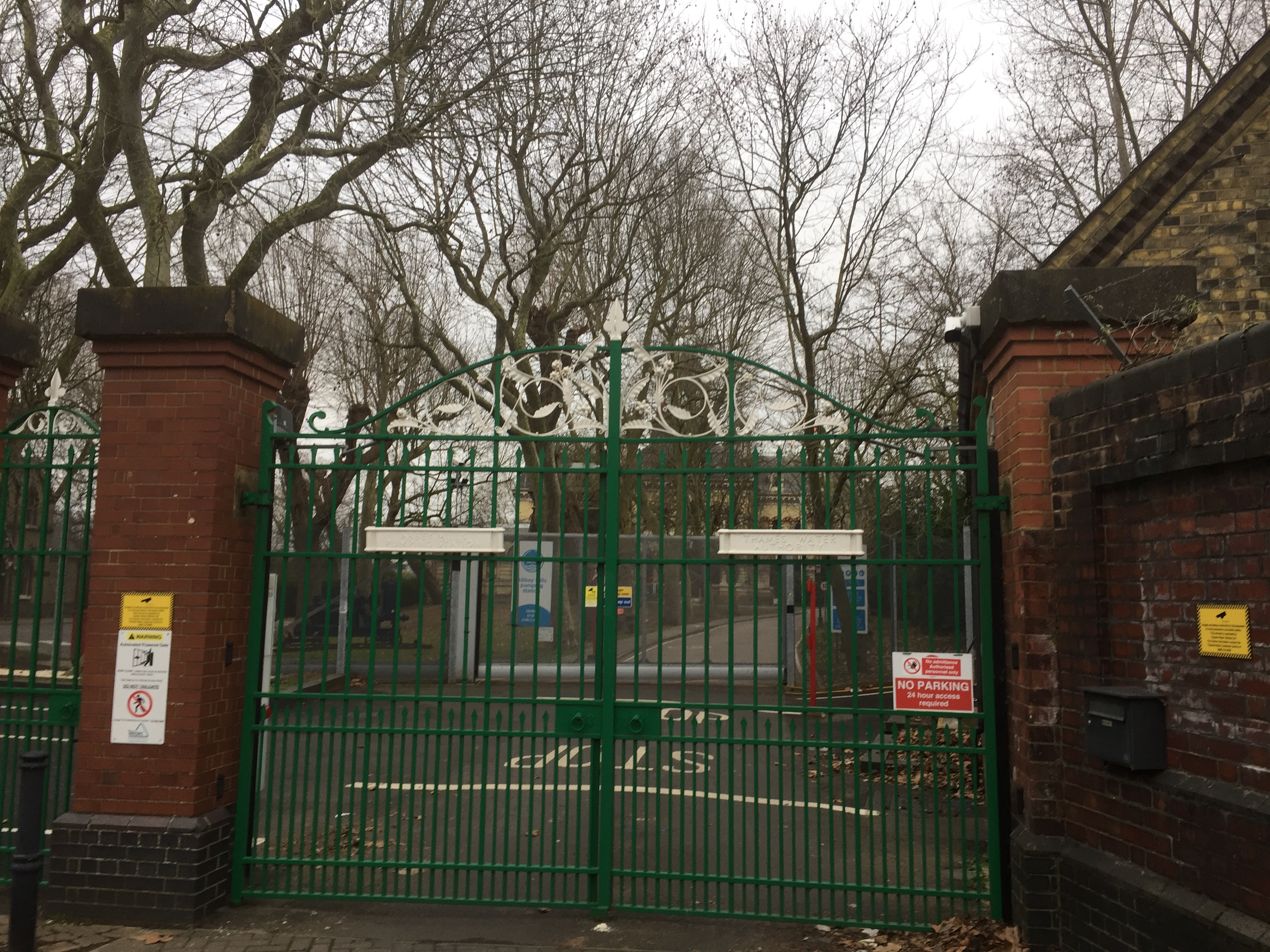
Not far away is Abbey Mills Pumping Station. This is a splendid Victorian building that has been called ” a cathedral of sewage”. Very nice.
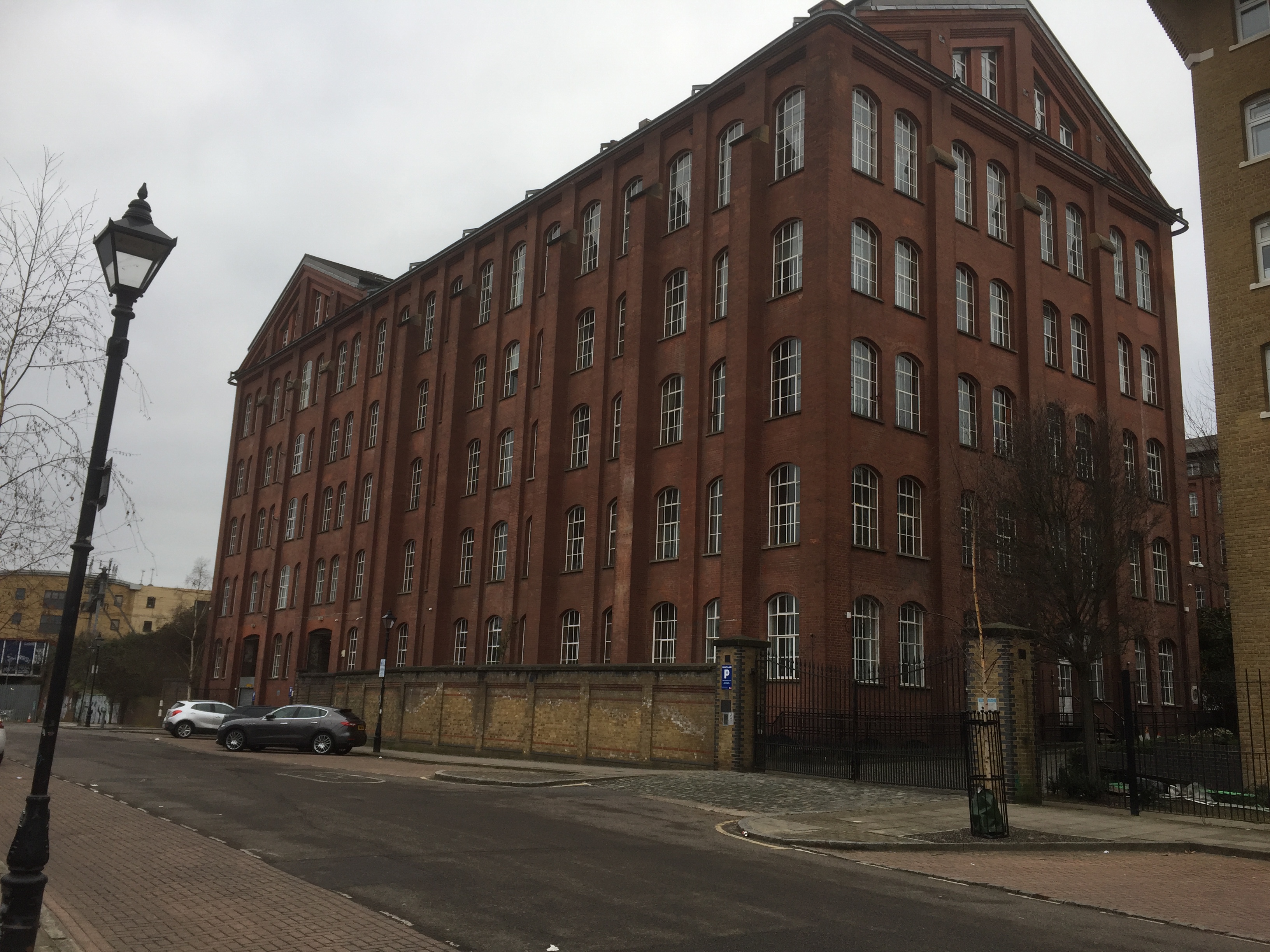
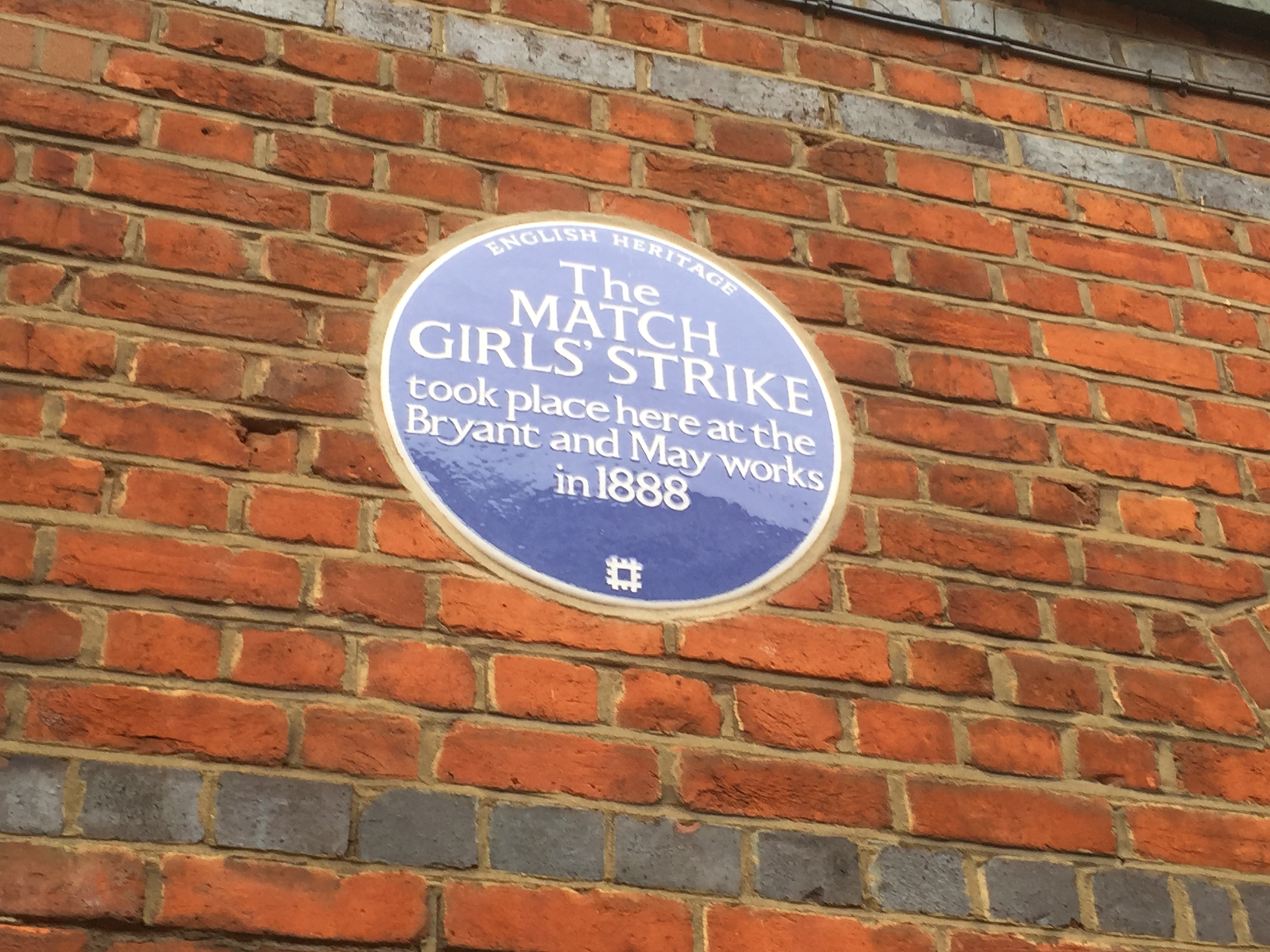
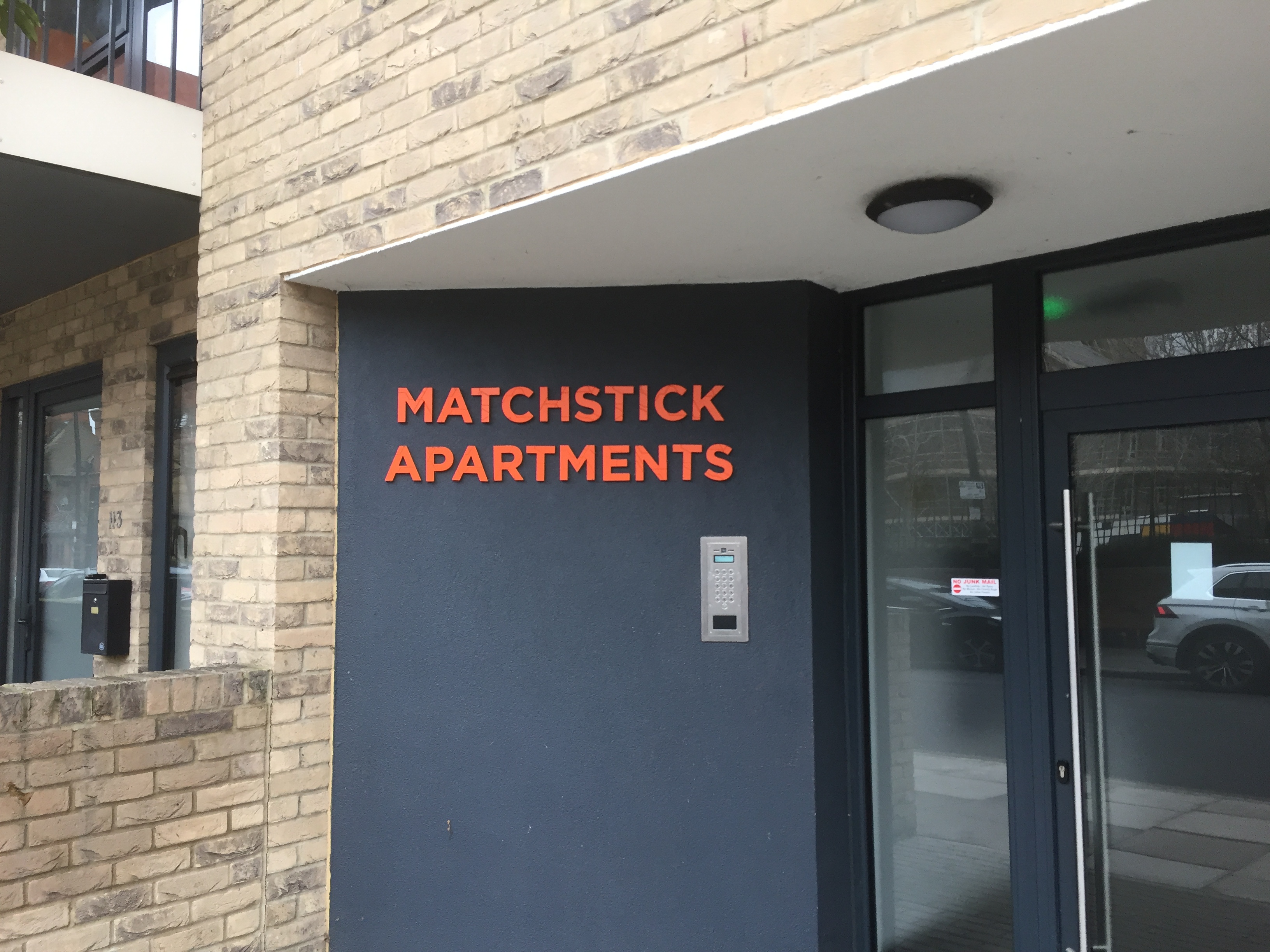
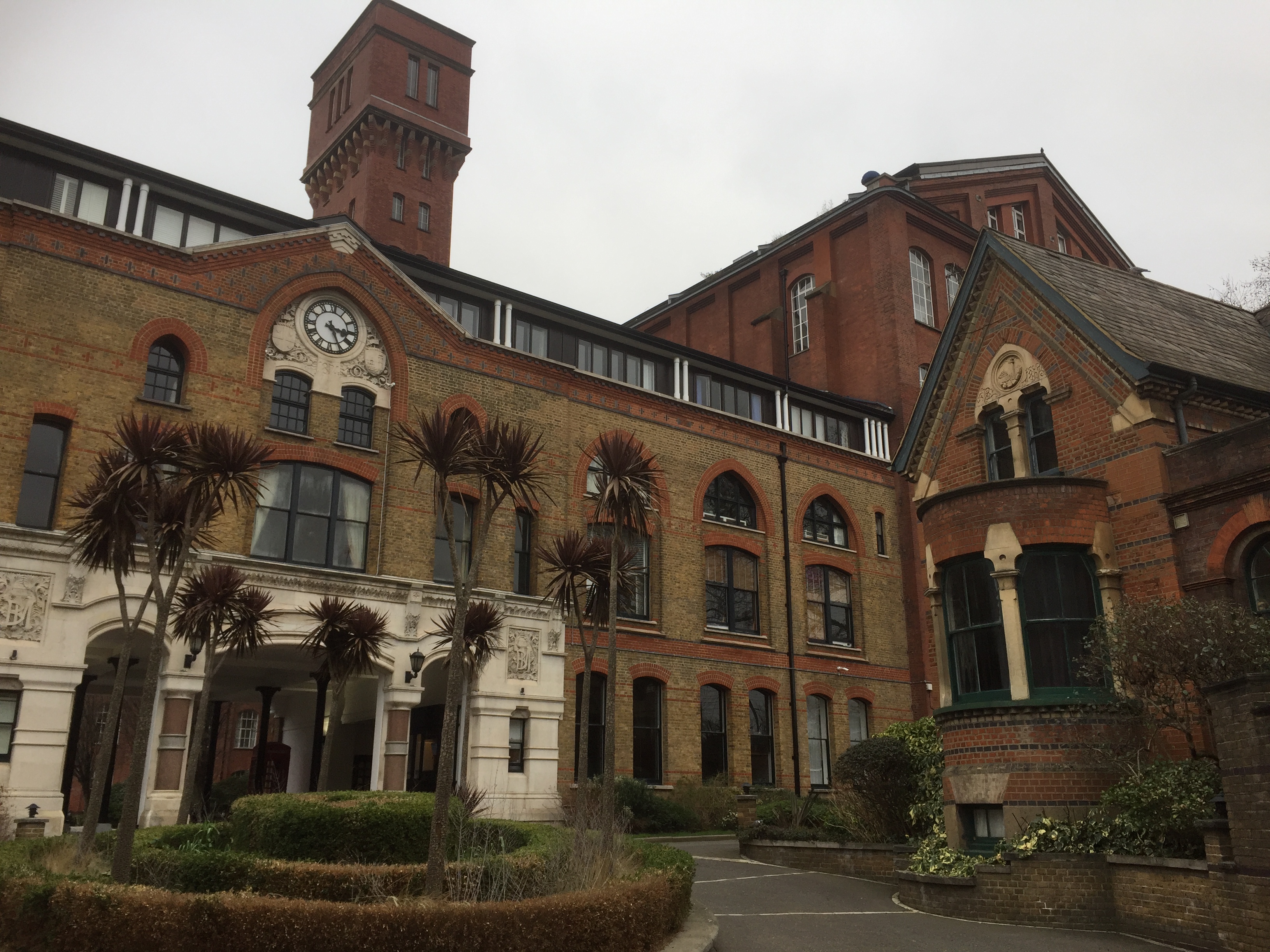
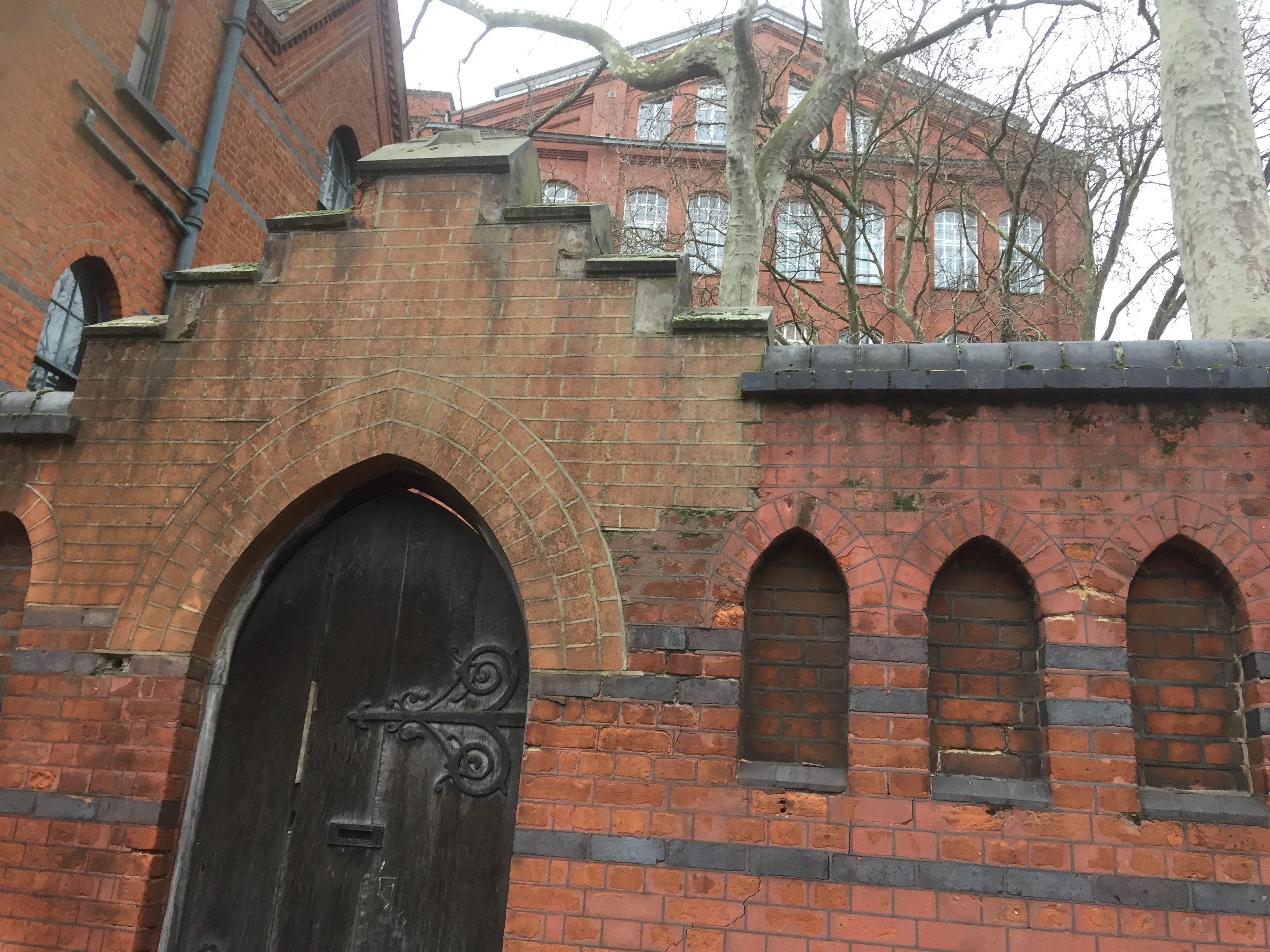
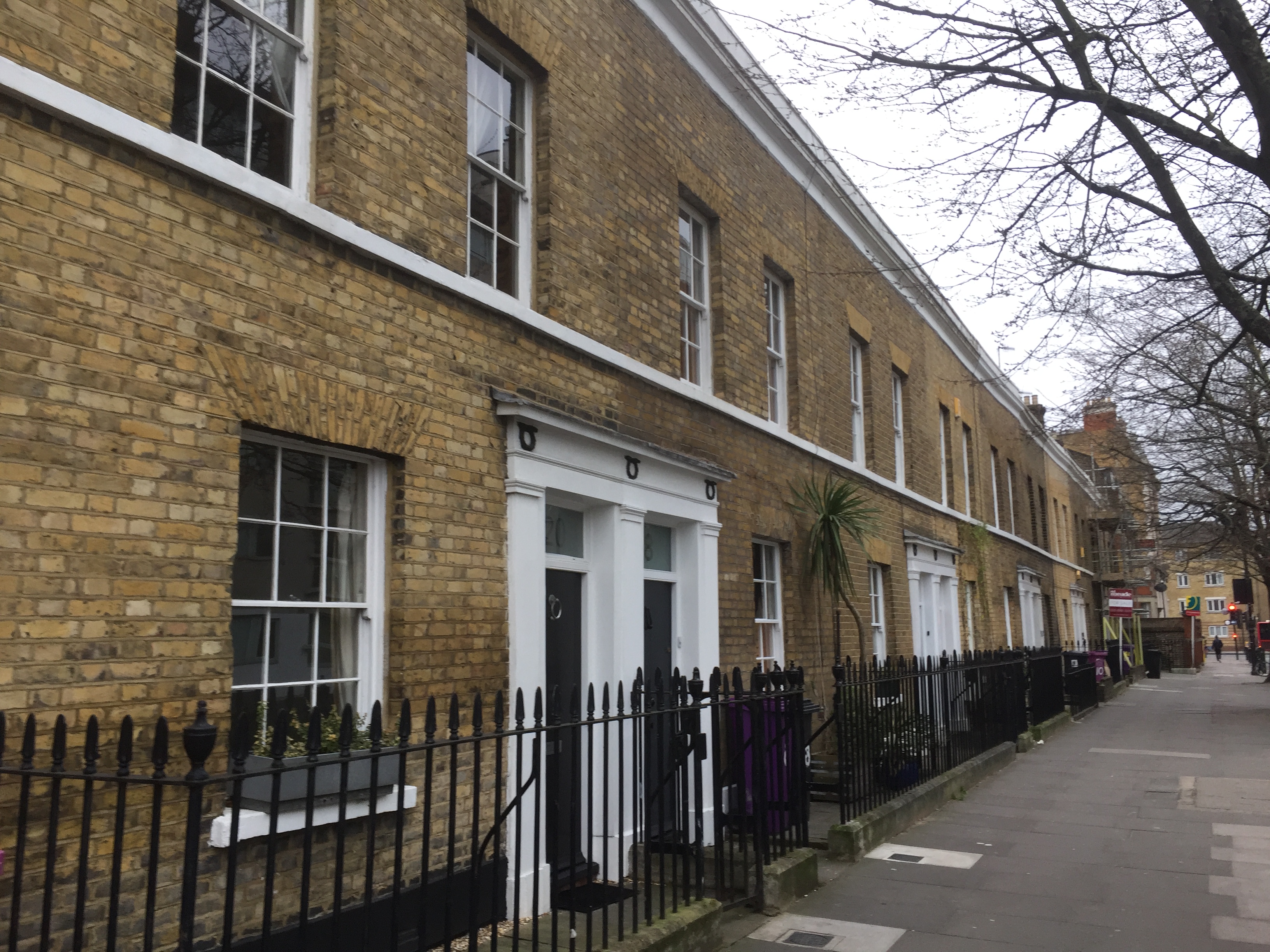
A little away from the river is the former Bryant and May Match Factory. At the end of the 19th century this huge building was London’s largest factory and had a workforce of around 5000 employees. Many of the employees were women and children. They were known as ‘Match Girls”. Any readers who have studied Victorian social history may be familiar with these workers and the famous strike that they held in response to their working conditions and in particular the risk of catching “Phossy Jaw” as a consequence of working with sulphur.
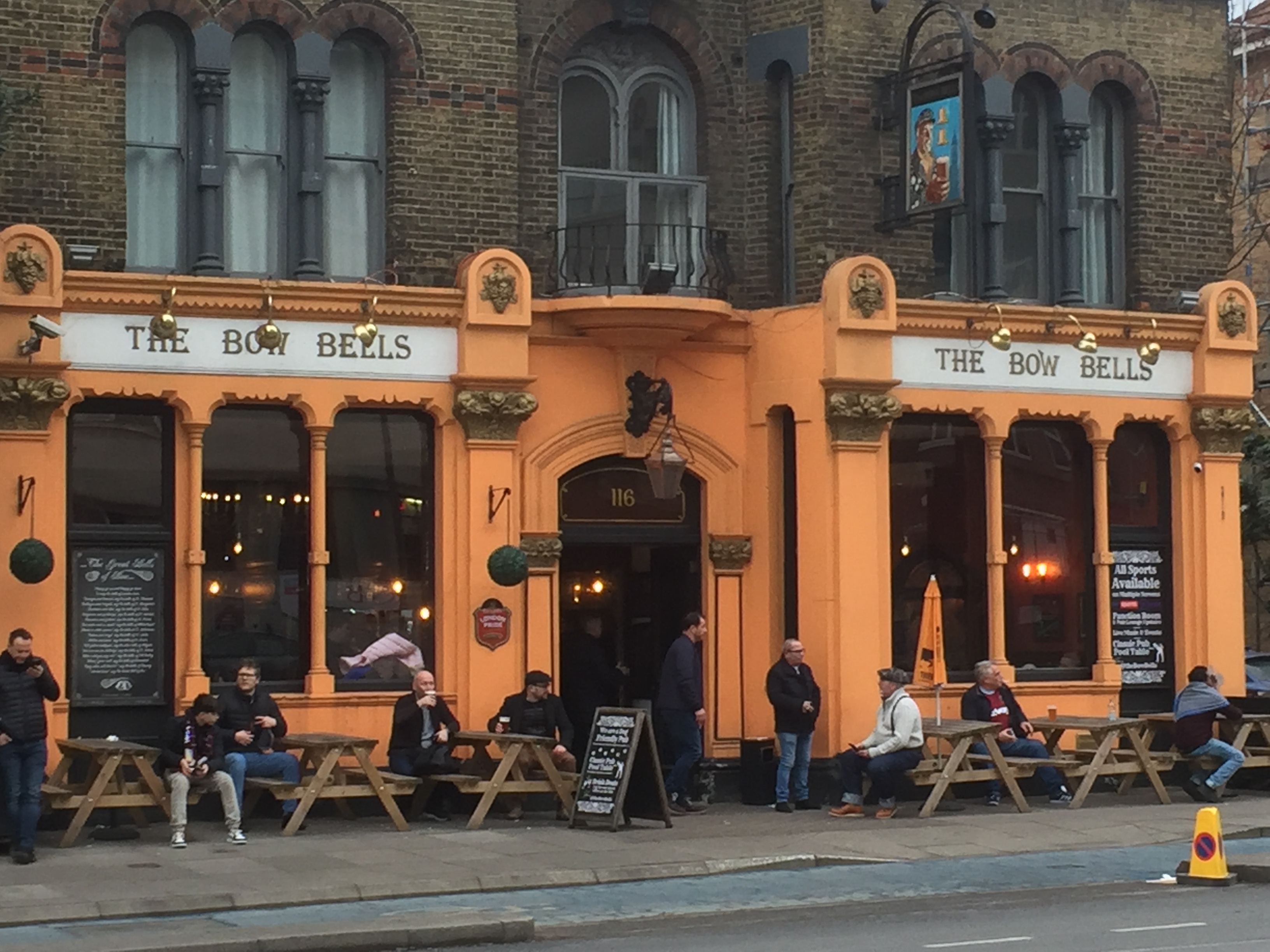
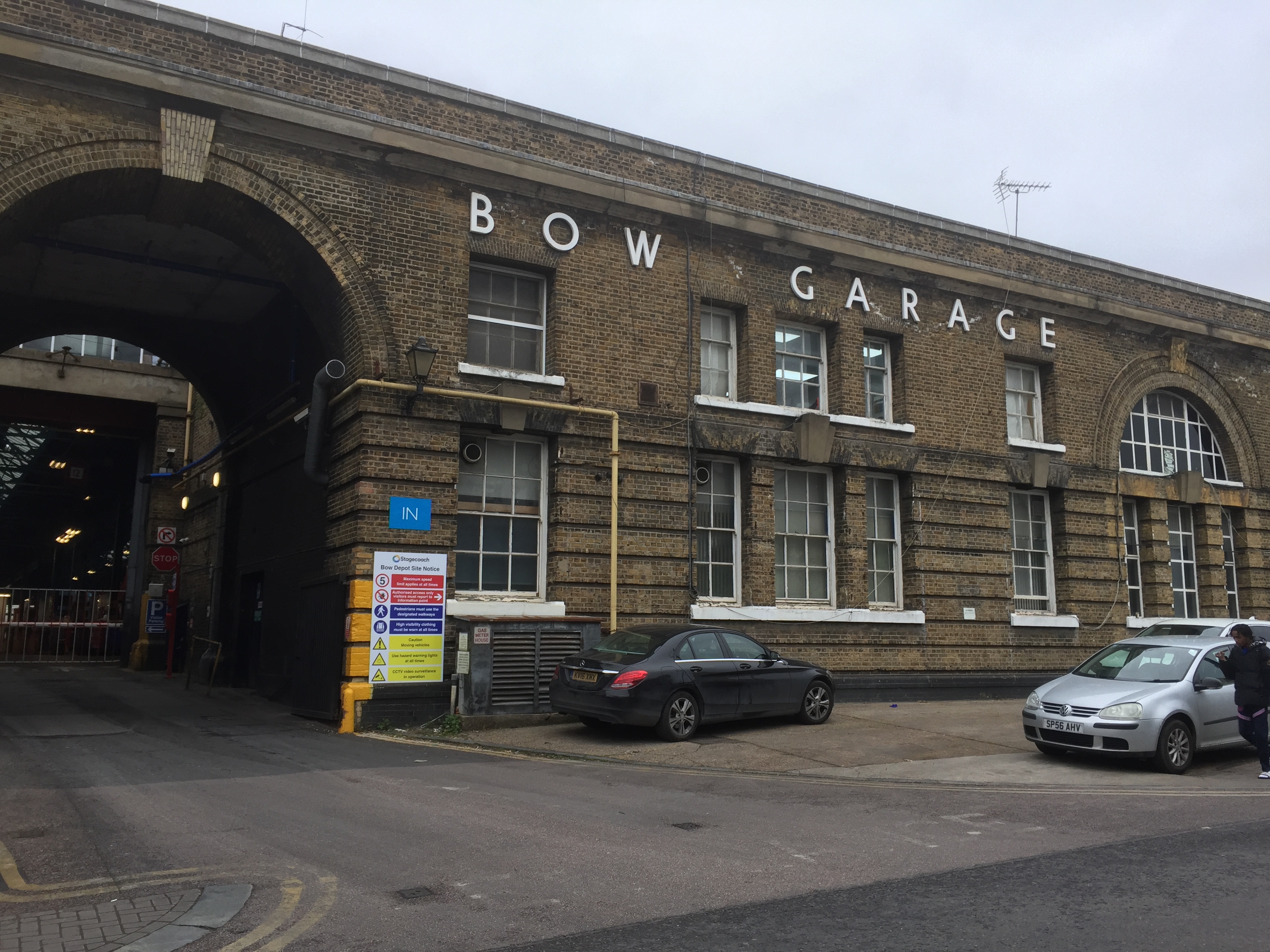
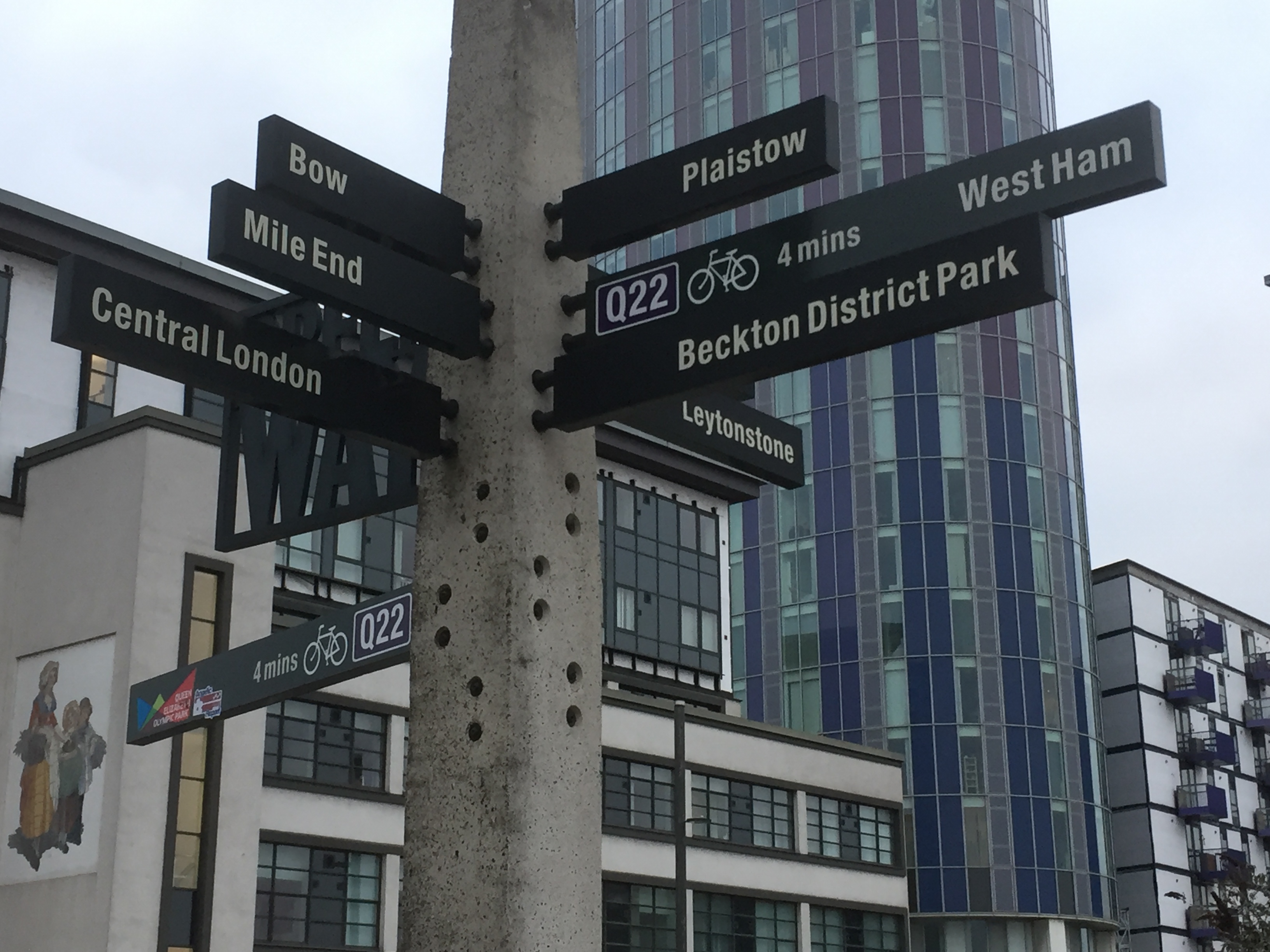
It may not be in all of the tourist guides but a visit to this corner of the east end will give you an insight into the struggles of working people.
It is hard to ignore him.
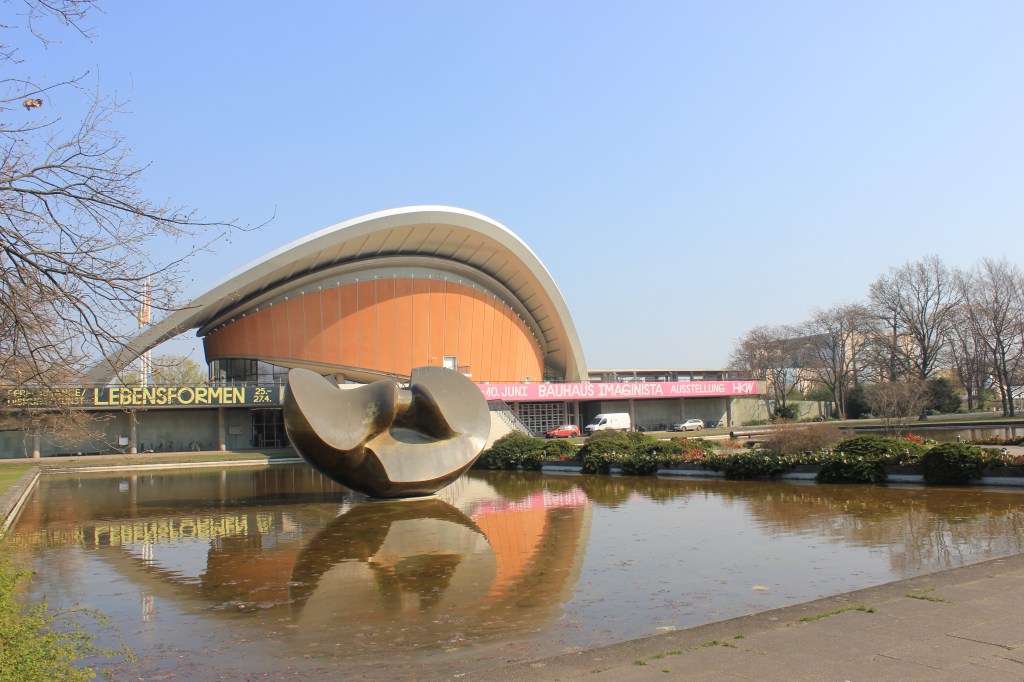
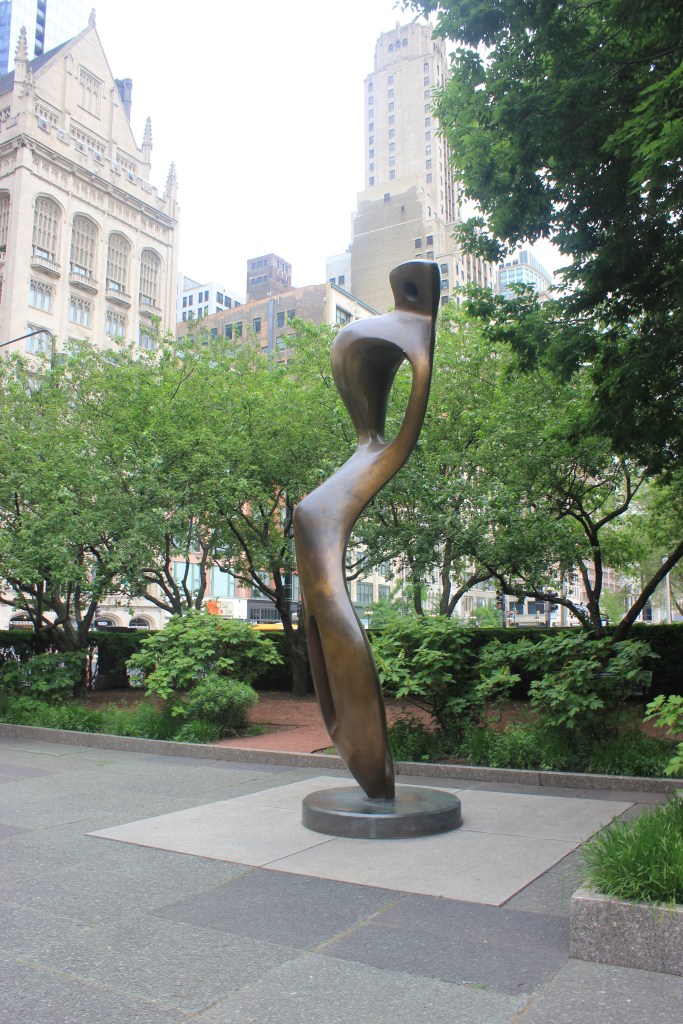
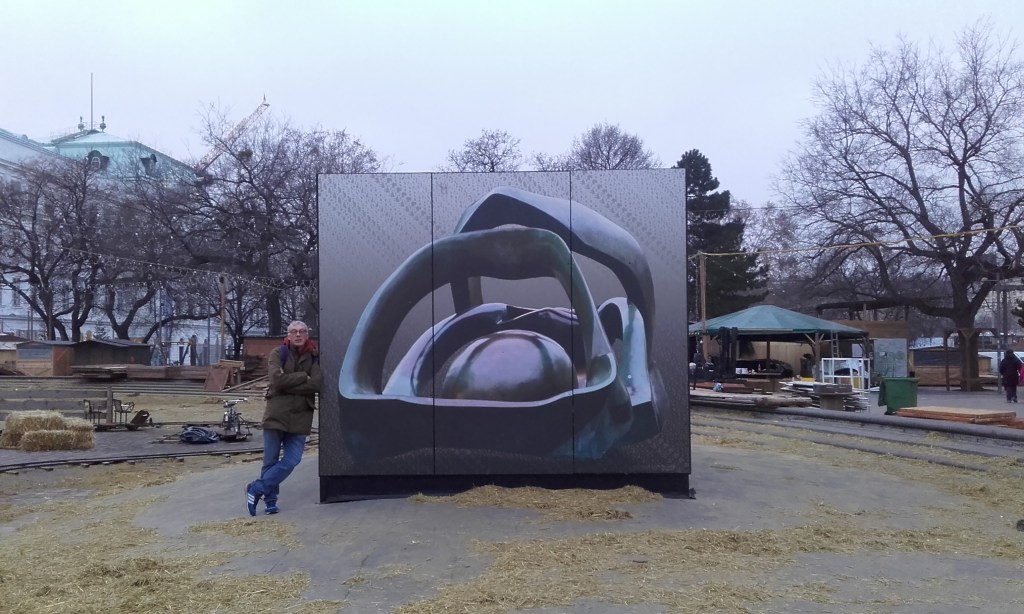
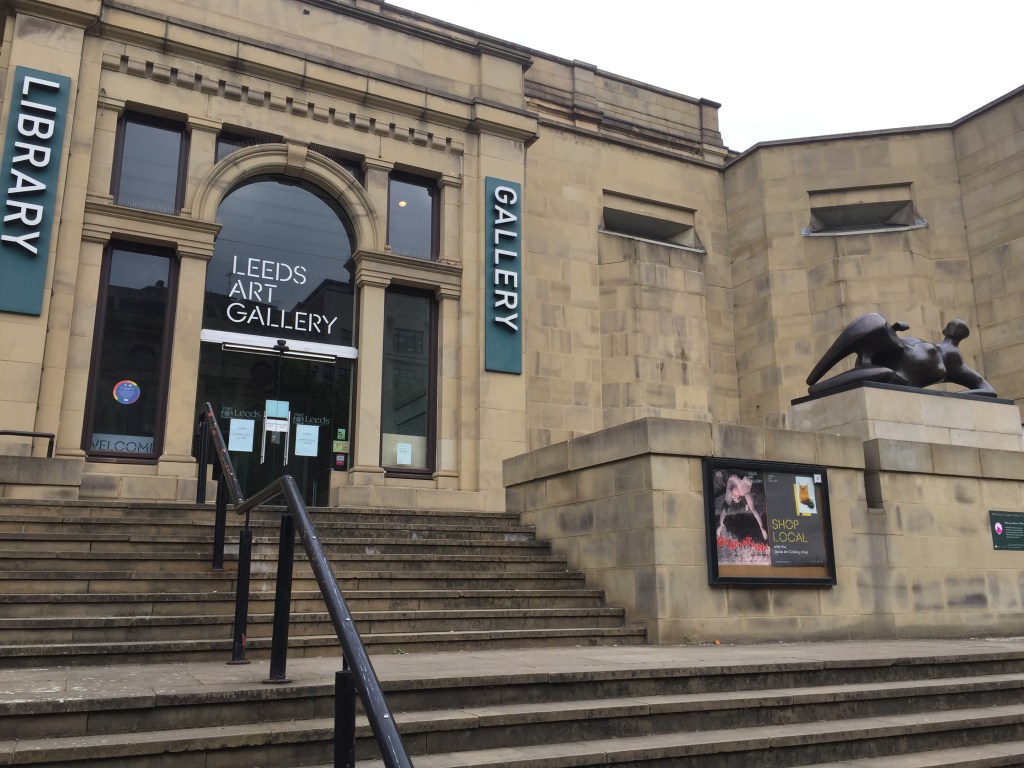
You can see his work in many locations, all over the world, including Berlin, Chicago, Vienna and Leeds. Sadly, at the moment, this does not include his birthplace of Castleford. Never mind.


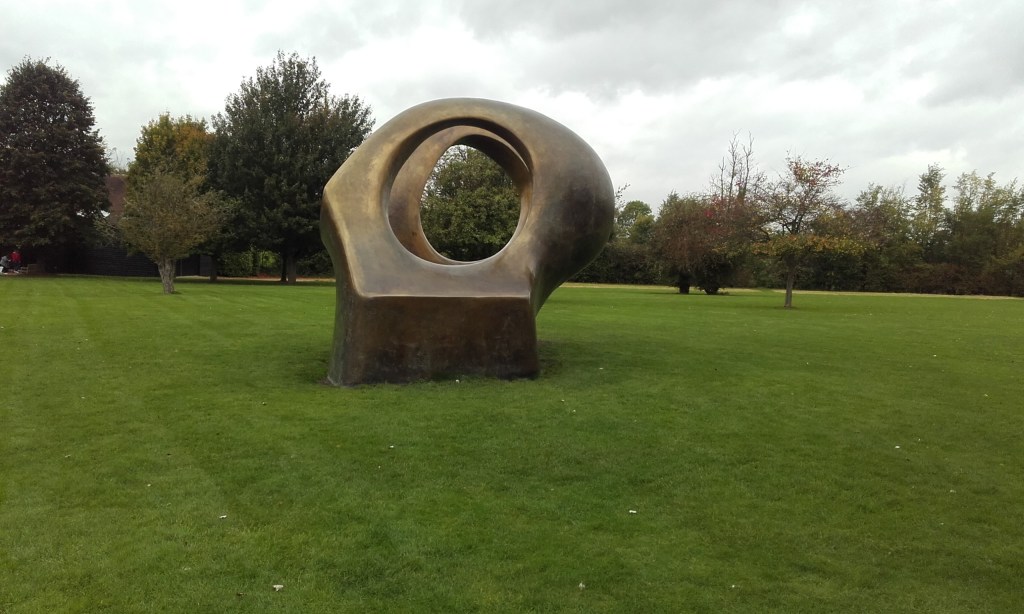
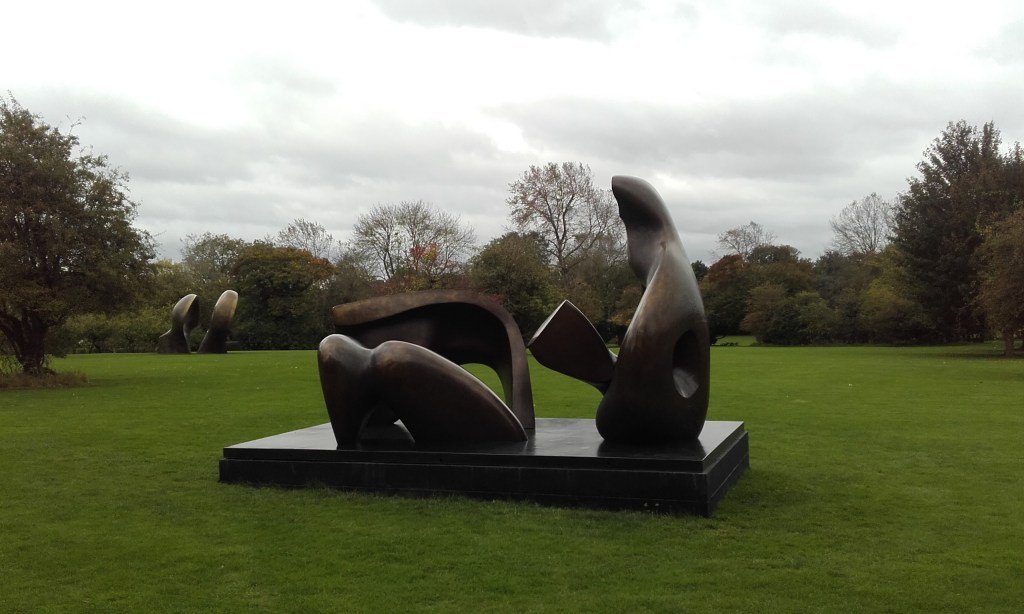
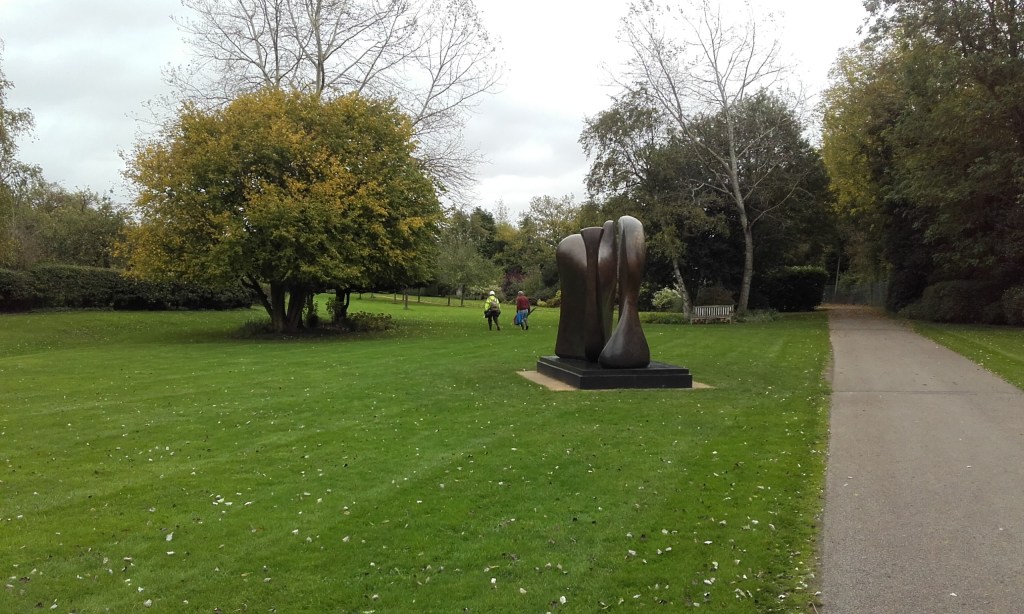
If you are a fan, then a visit to his former home,” Hoglands”, in Perry Green is worthwhile. The studios and gardens there provide a fascinating insight into his life, career and achievements. You can join a guided tour, research in the library or simply stroll around the gardens and enjoy the sculptures.
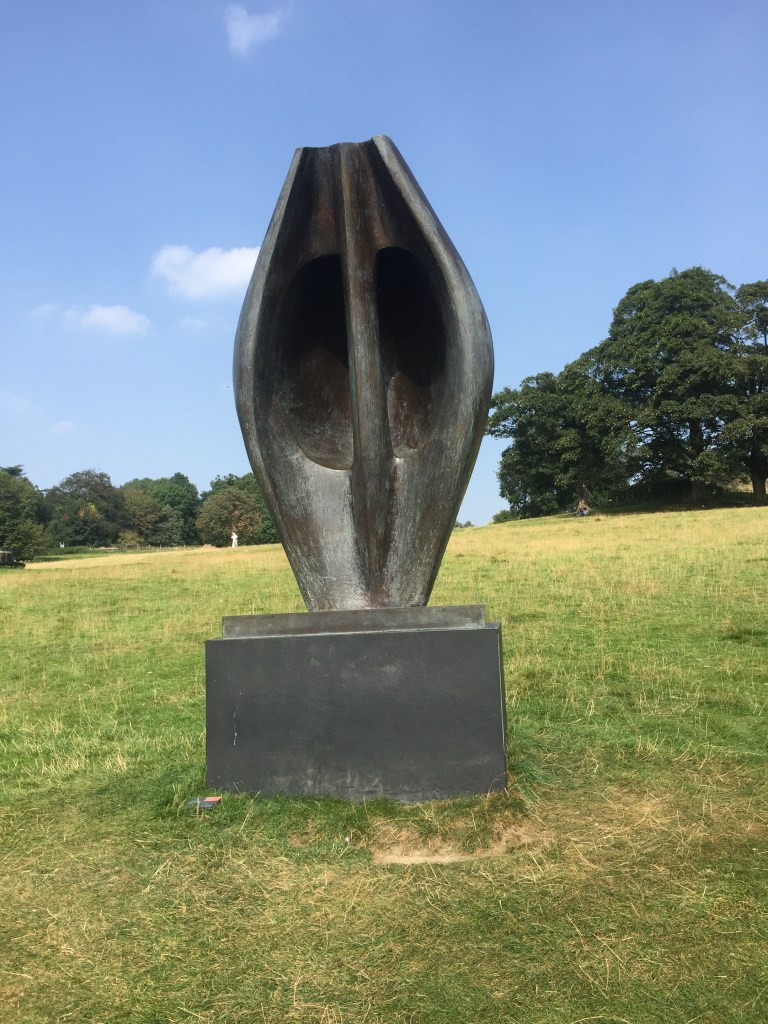
Less of Henry’s work is displayed at the Yorkshire Sculpture Park at West Bretton, twixt Wakefield and Barnsley. The grounds there provide a backdrop to the works of other artists including Damien Hirst.


Henry completed a huge amount of work. He has left us with so many interesting pieces of art that can stimulate thought and help us to appreciate our environment more keenly.
Barcelona in February. Well why not? The temperature hovers around 15 degrees celsius and the sky is cloudless. A perfect time to visit the home of Gaudi, Picasso and Messi.


A wonderful city to graze around. La Rambla is the focal point with so many bars, restaurants and cafes. Make a detour to see La Boqueria, a wonderful food market where you can enjoy a delicious fish supper.


I wanted to know more about the city and Catalonia. At the Museum of the History of Barcelona I found out about the growth of Barcelona as a trading port and later as an industrial base. I also saw the amazing Roman ruins, some of the most extensive outside Italy. At the Museu d’Historia de Catalunya I learned about the Spanish Civil War and the repression that followed including its impact on Catalonan culture and language.

And then there is the beach. A wonderful space to relax and enjoy a sunset.


I stayed at Room Mate Carla. A lovely hotel in a great location. My room was beautiful and I received great service.
Barcelona is stunning city.
Irresistable.


Antoni Gaudi’s unique architecture is splattered across Barcelona. Palau Guell, Casa Viceus, La Pedrera and the Casa Mila are just part of his portfolio. You could spend days admiring these sights.


His most notable work is the Sagrada Familia. This unique basilica has become a symbol for a city that likes to be different and it attracts millions of visitors from all around the globe.
And no wonder. It is an amazing structure. Stare up towards the plethora of spires and study the thousands of sculptures that decorate and enhance your view.


Inside the light is glorious. Take in the wonderful tree like pillars, the intricate ceiling and the gorgeous stained glass windows. Most of all, just find a quiet place to sit and take time to absorb the serenity of this special place.

You can take an elevator and rise up the Nativity Tower. From there you can take a close up of the sculptures and appreciate breathtaking views of the city and beyond. Don’t become too dizzy though, your return journey is down a long spiral staircase.
The construction of Sagrada Familia commenced in 1882 and it is not finished yet. It is a fascinating building that will surprise and reward you every time you look at it.
Unmissable.

 Gordon's Gubbins.