Kilmainham Gaol.

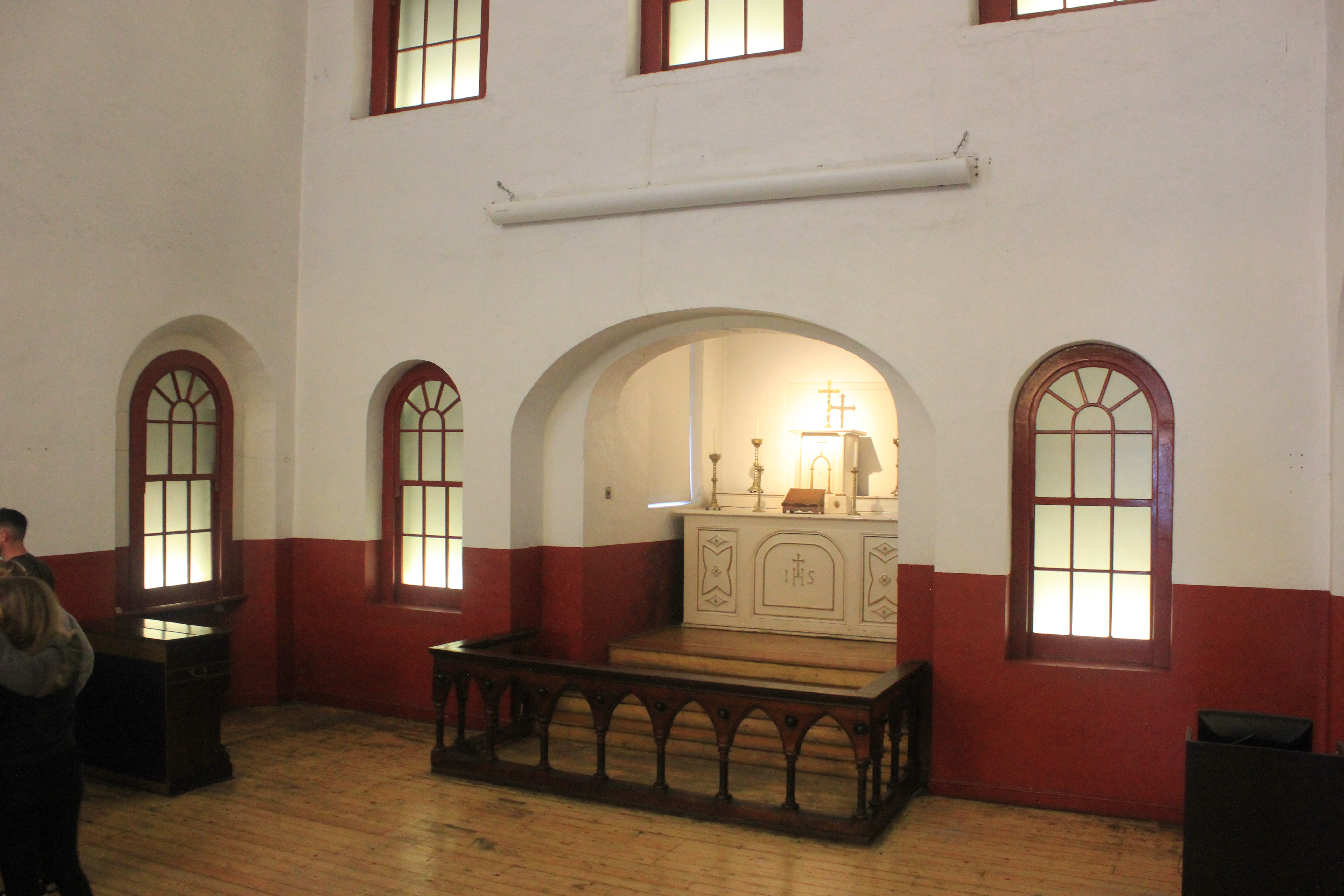
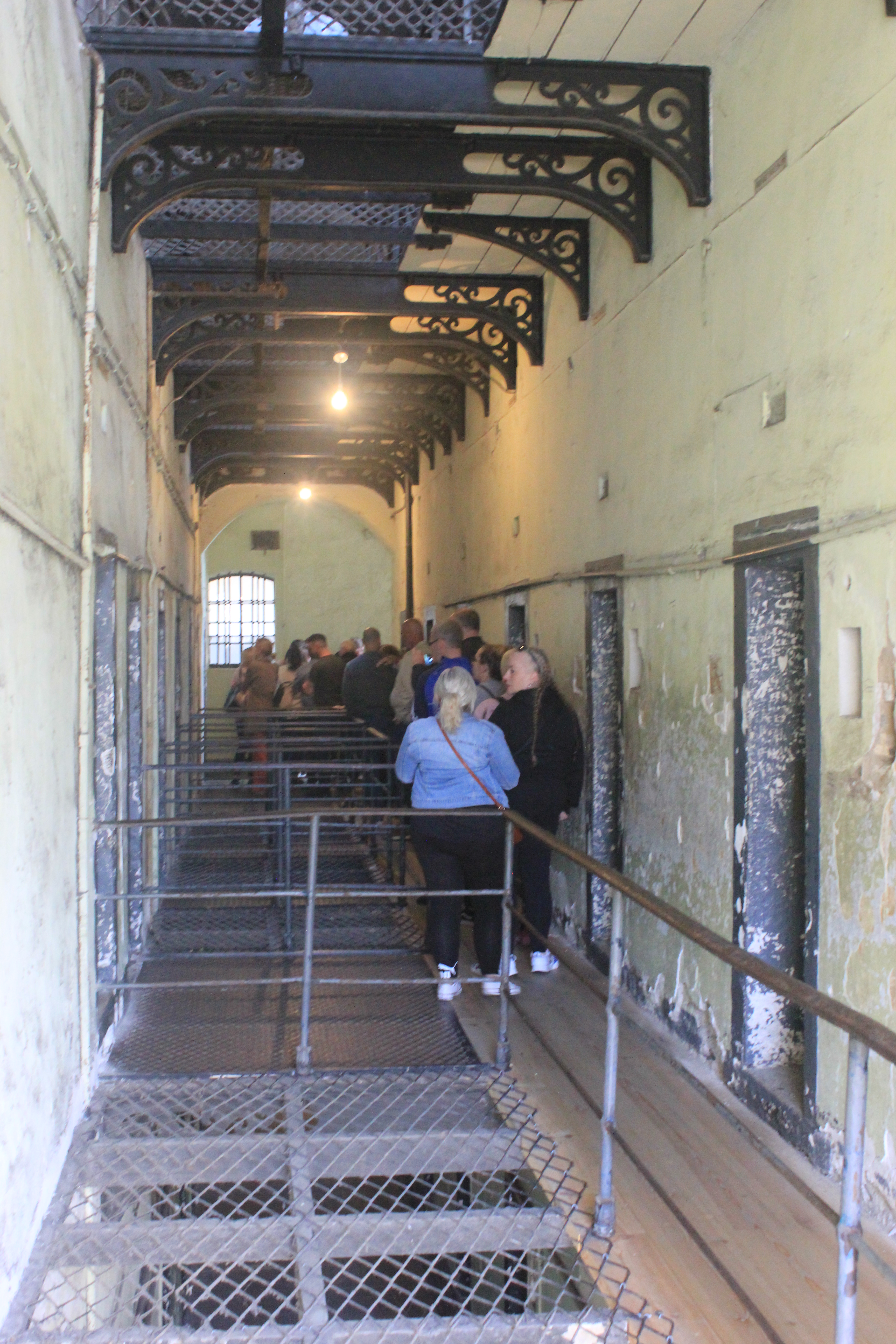
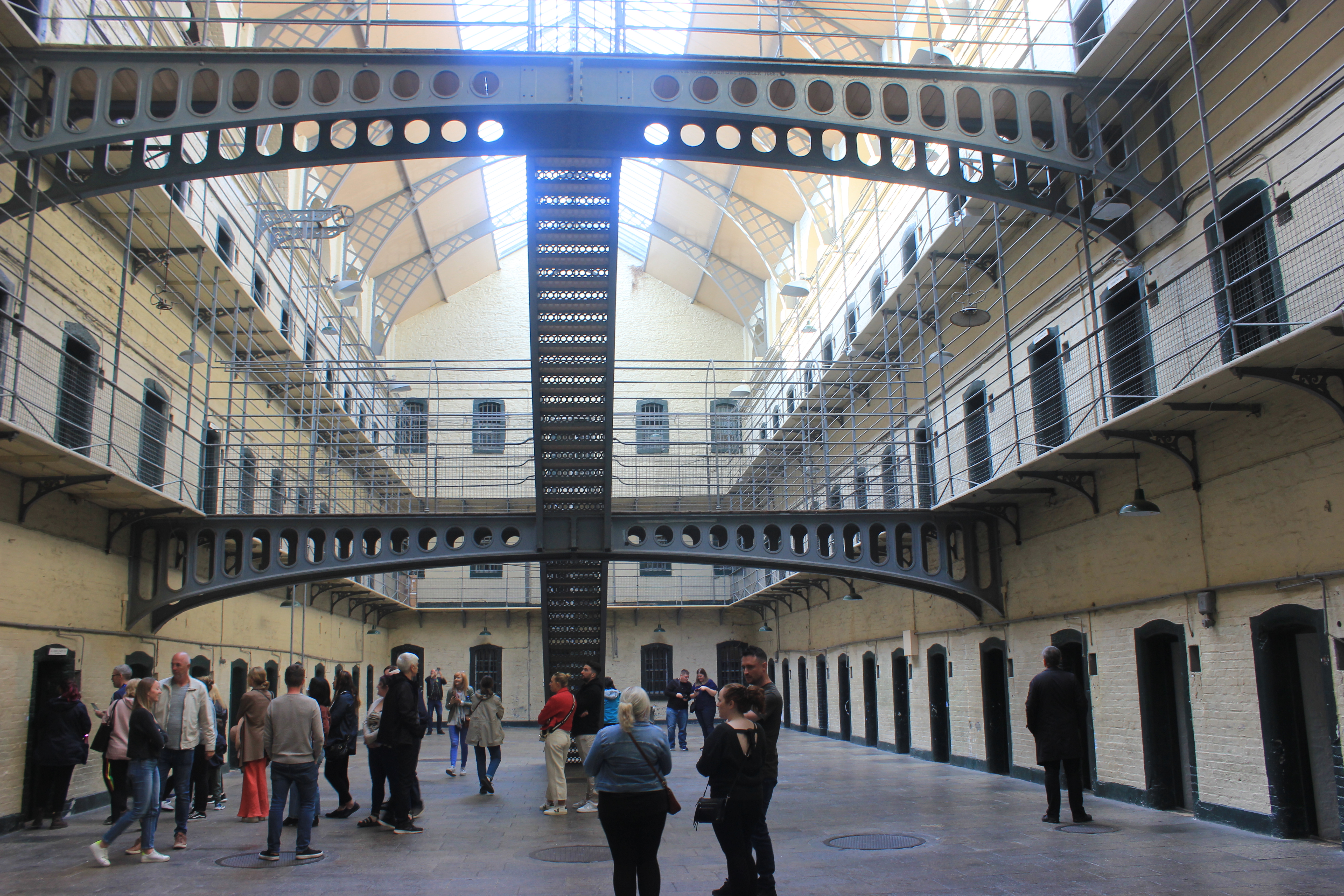
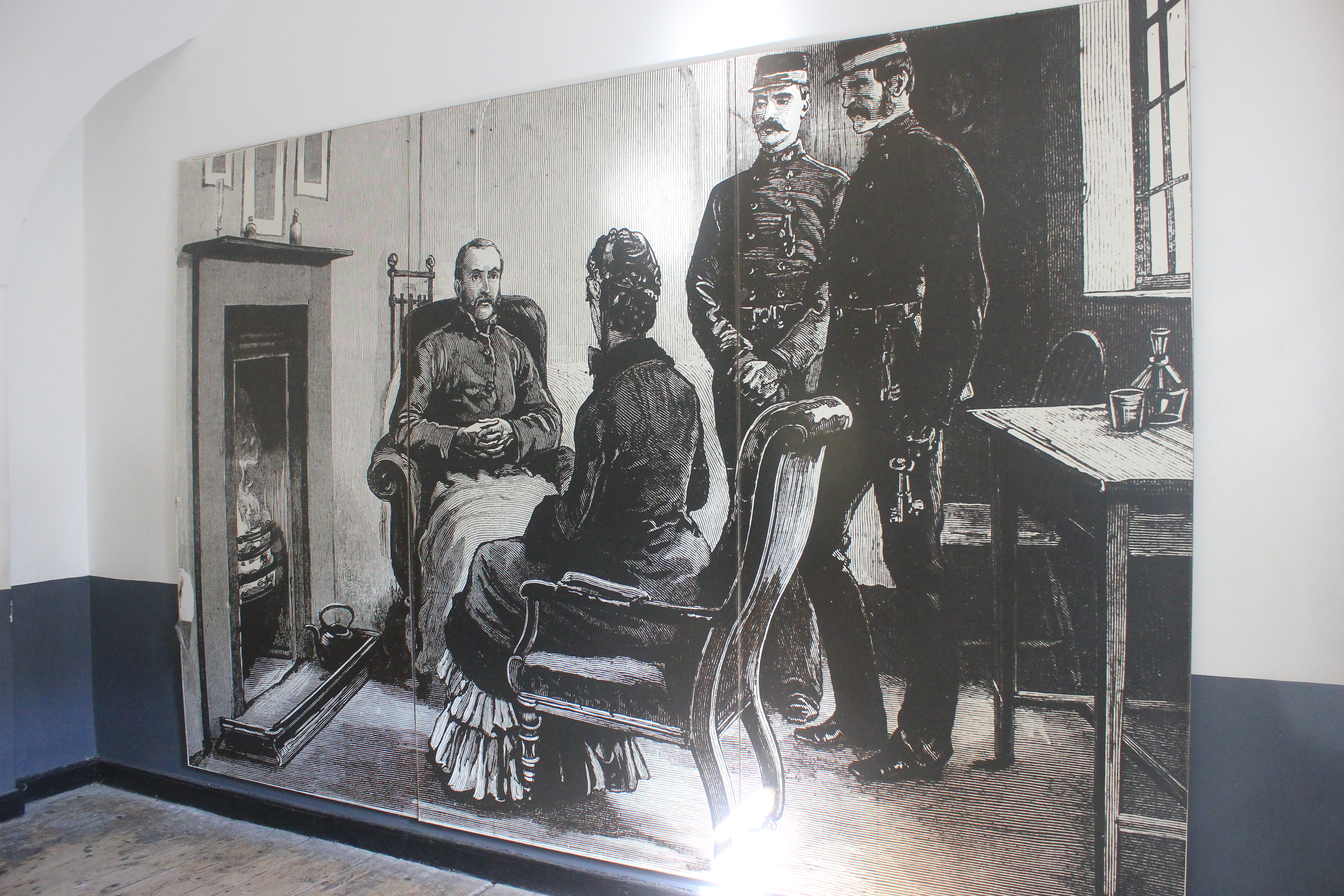
A chilling place to visit.

The Easter Rising of 1916 was pivotal to the eventual emergence of an independent Ireland. At the time support for independence was not strong, indeed many thousands of Irish men were wearing British army uniforms and fighting in the trenches of Europe. However the events surrounding the seizing of the General Post Office on Sackville Street and the response by the British authorities changed opinions.
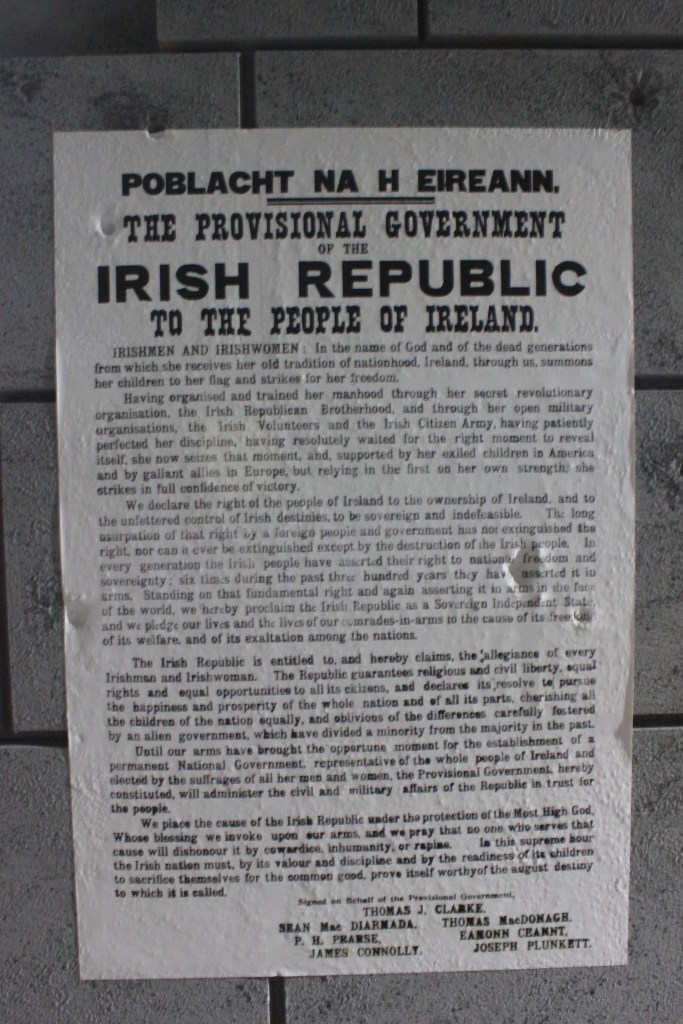
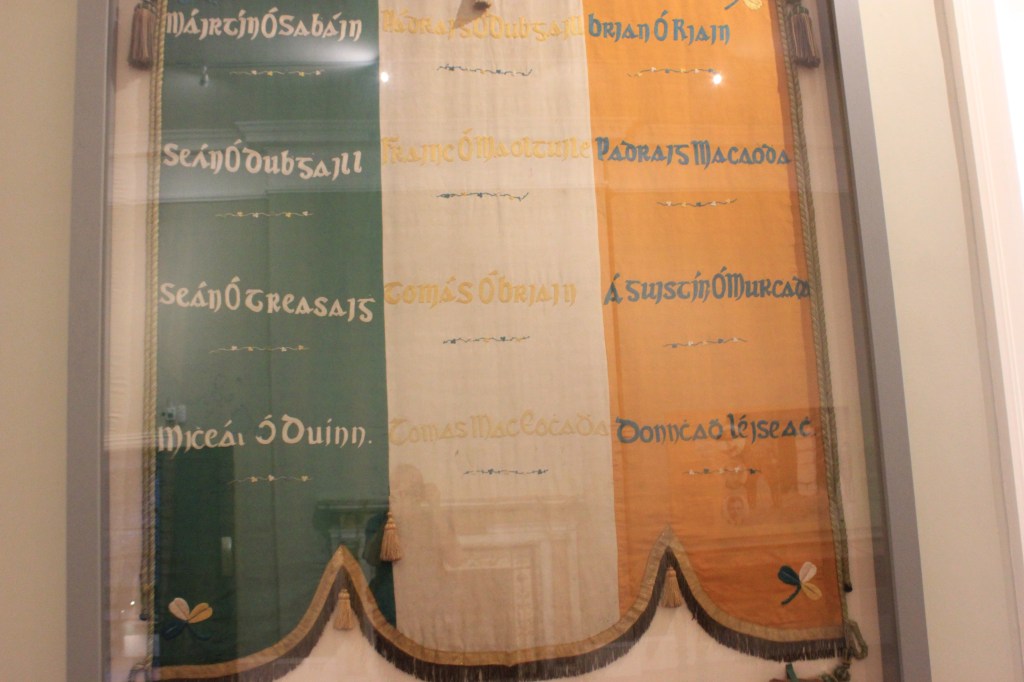
The British army crushed the rebellion within a few days. Large areas of the centre of Dublin were obliterated by shelling and hundreds of innocent civilians were killed.

In the weeks following the Rising, hundreds of Republican sympathizes were arrested and imprisoned without a civil trial. The leaders of the Rising were doomed. Following court martials, several were executed by firing squad.

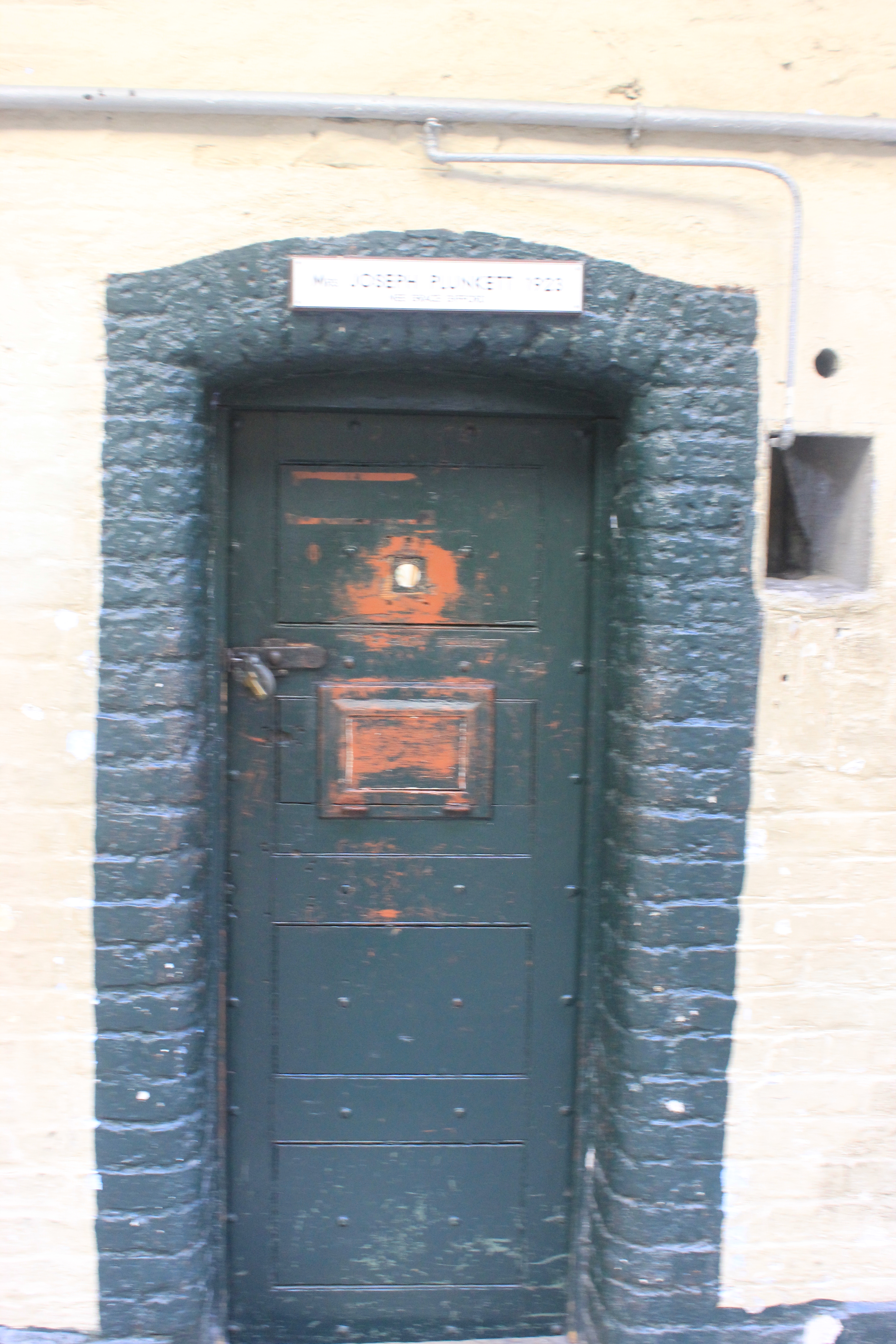
The deaths of Eamon Ceannt, James Connolly, Joseph Plunkett, John Macbride, Roger Casement and others had a profound impact on public opinion. Support for Irish independence grew.
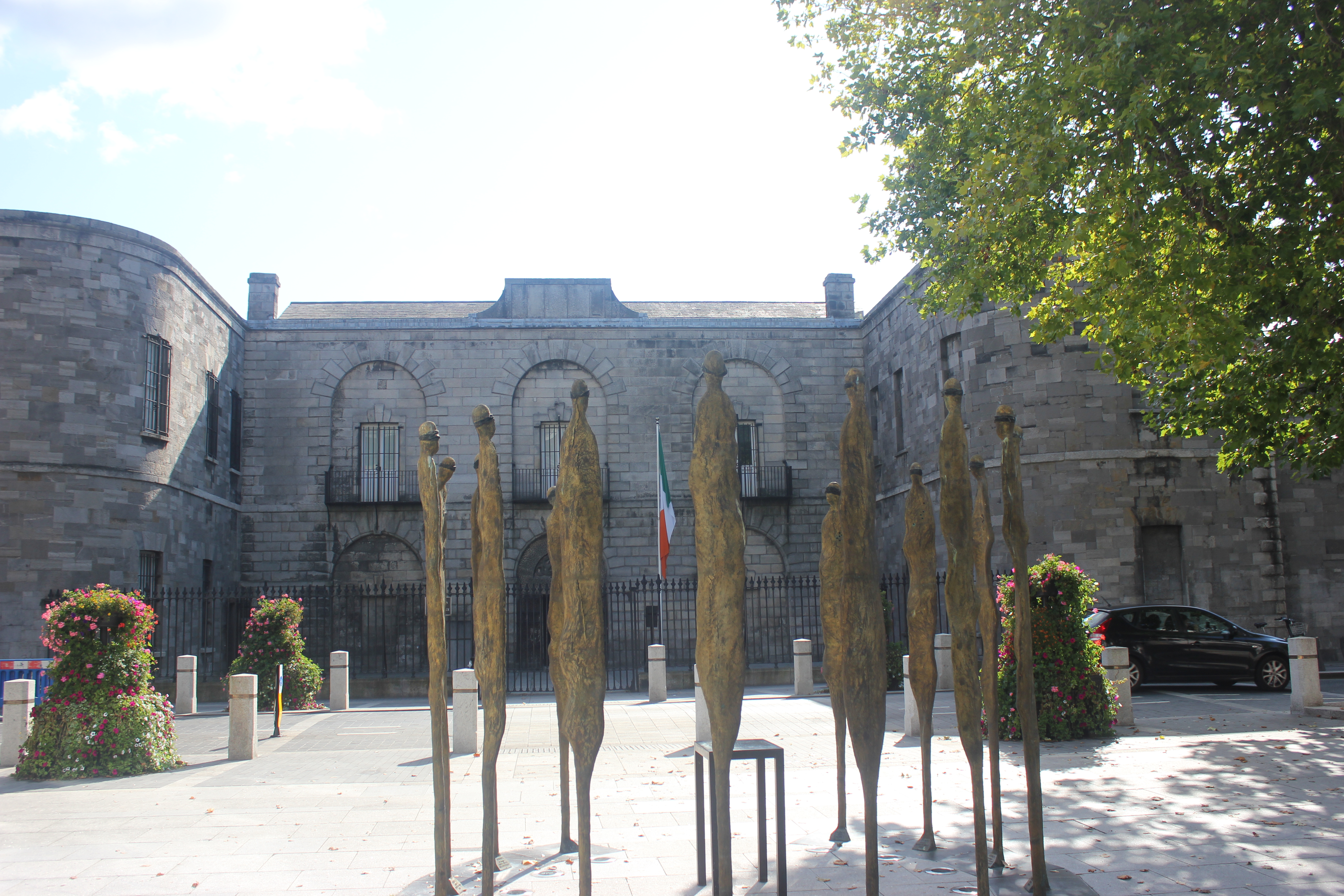
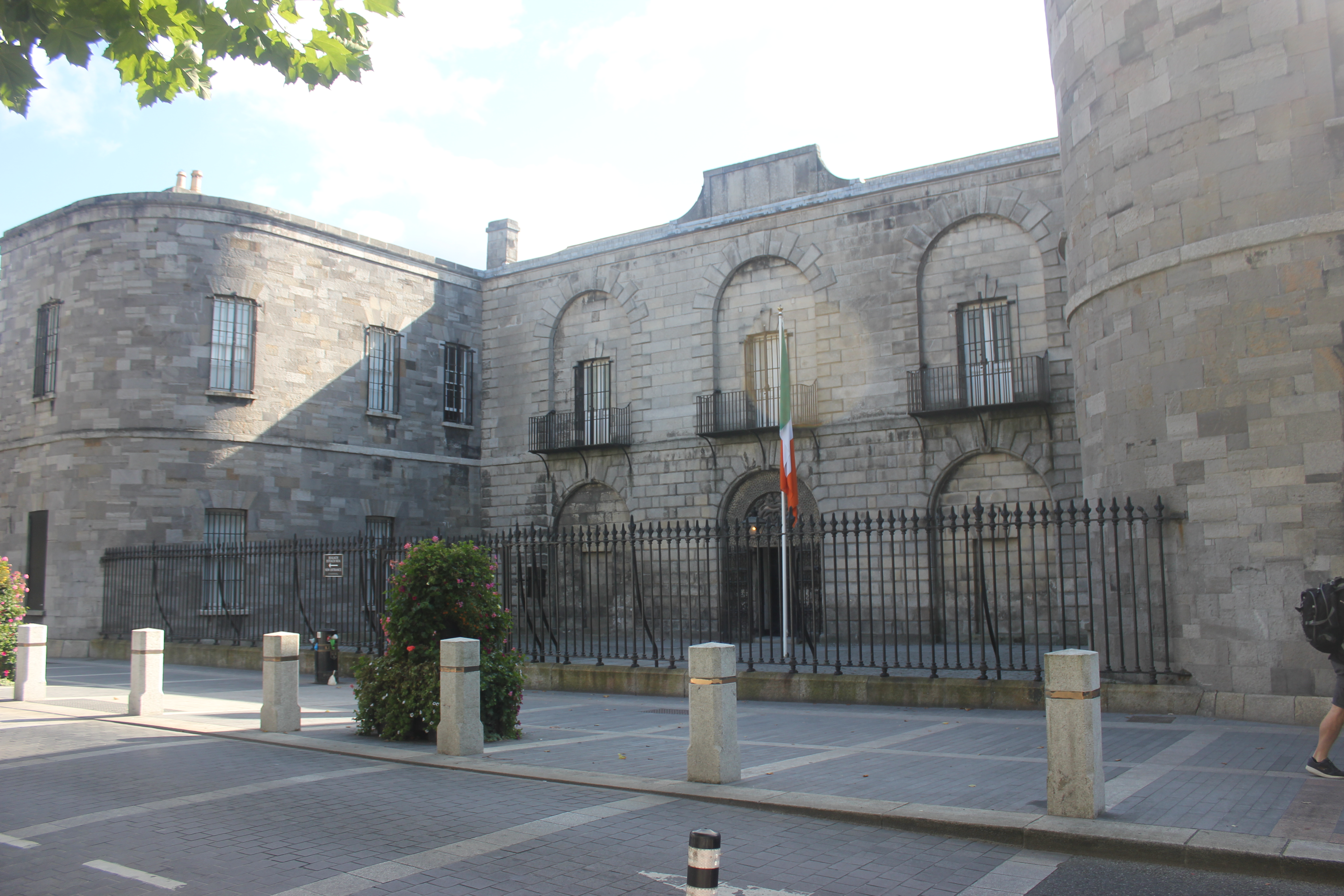
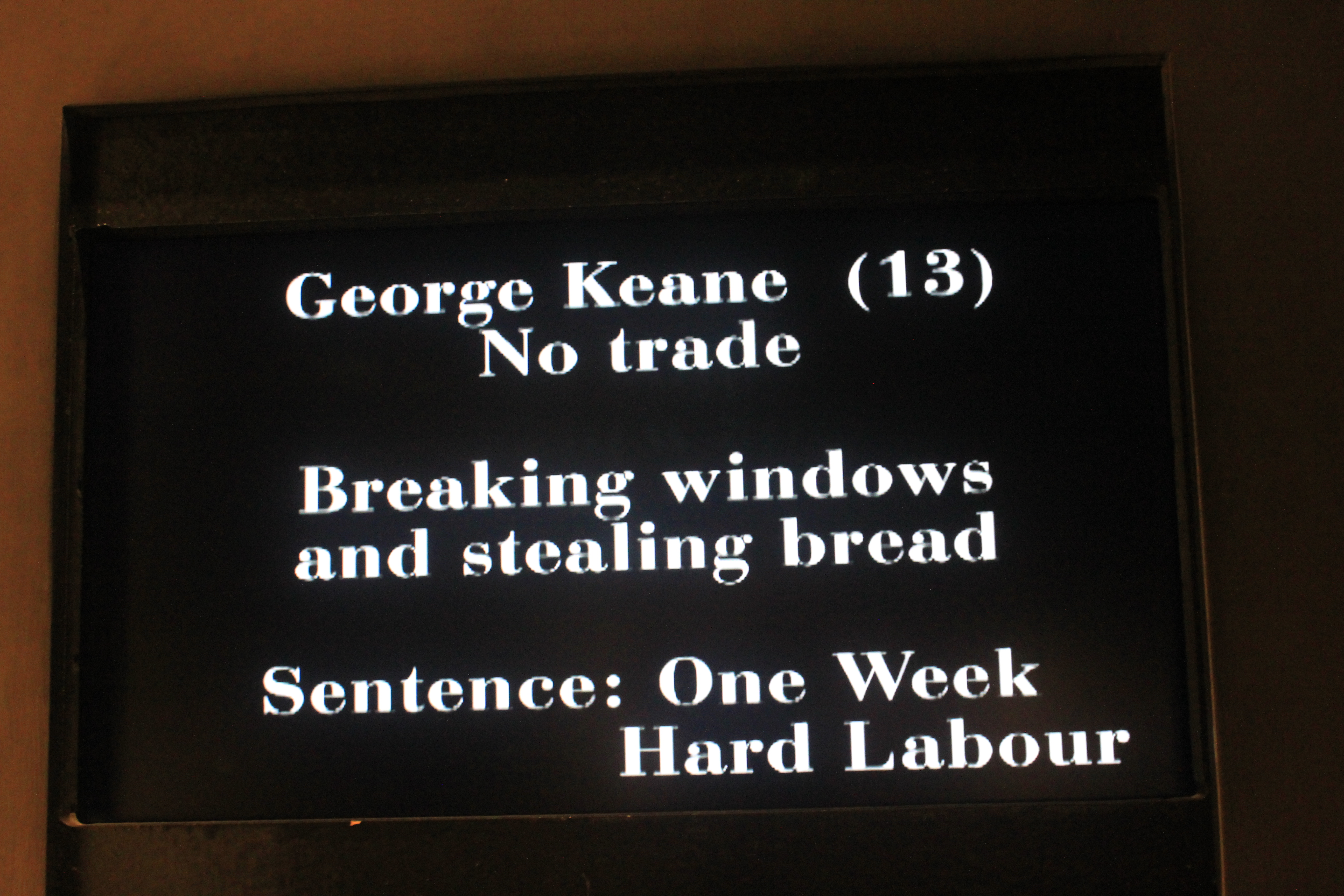
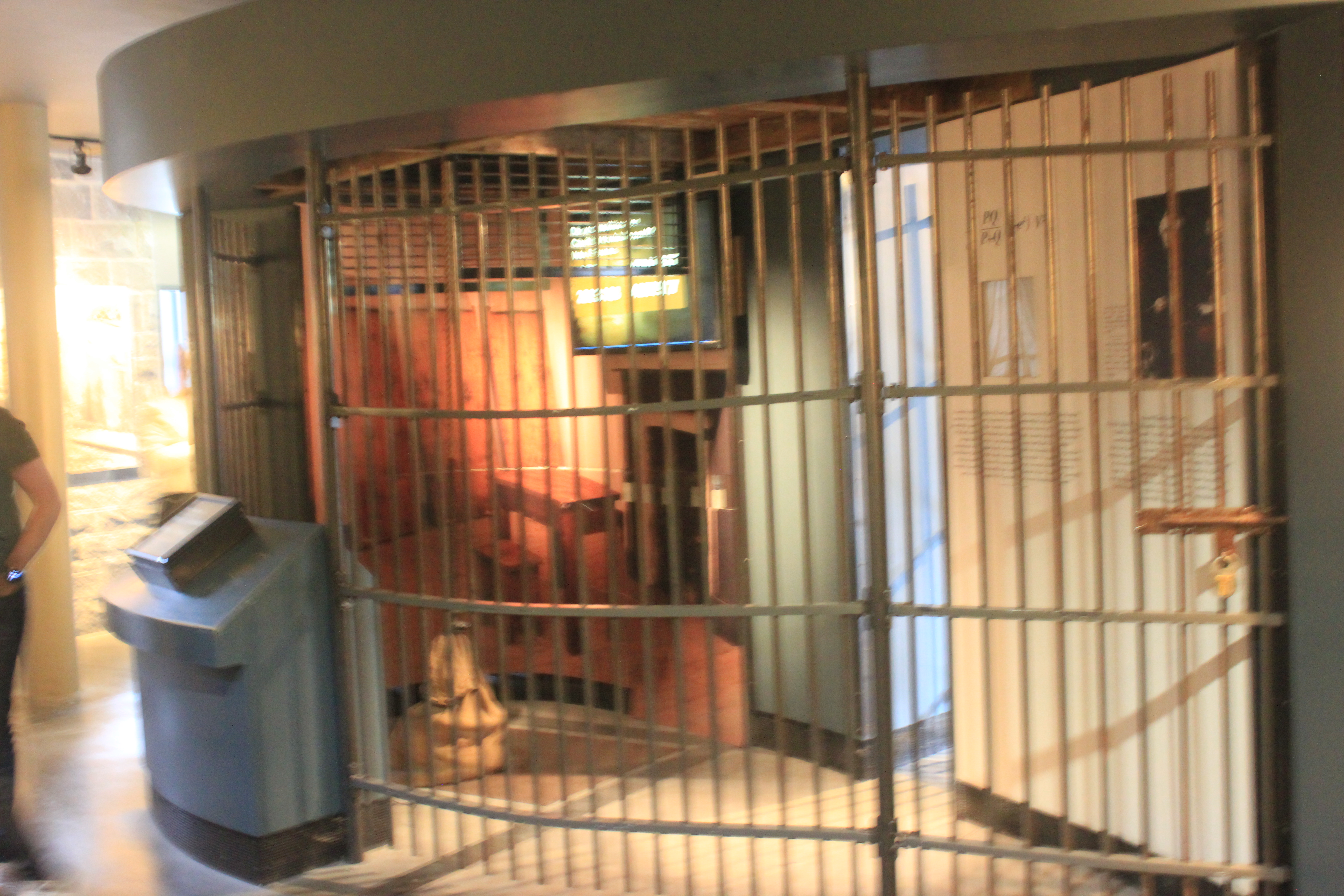
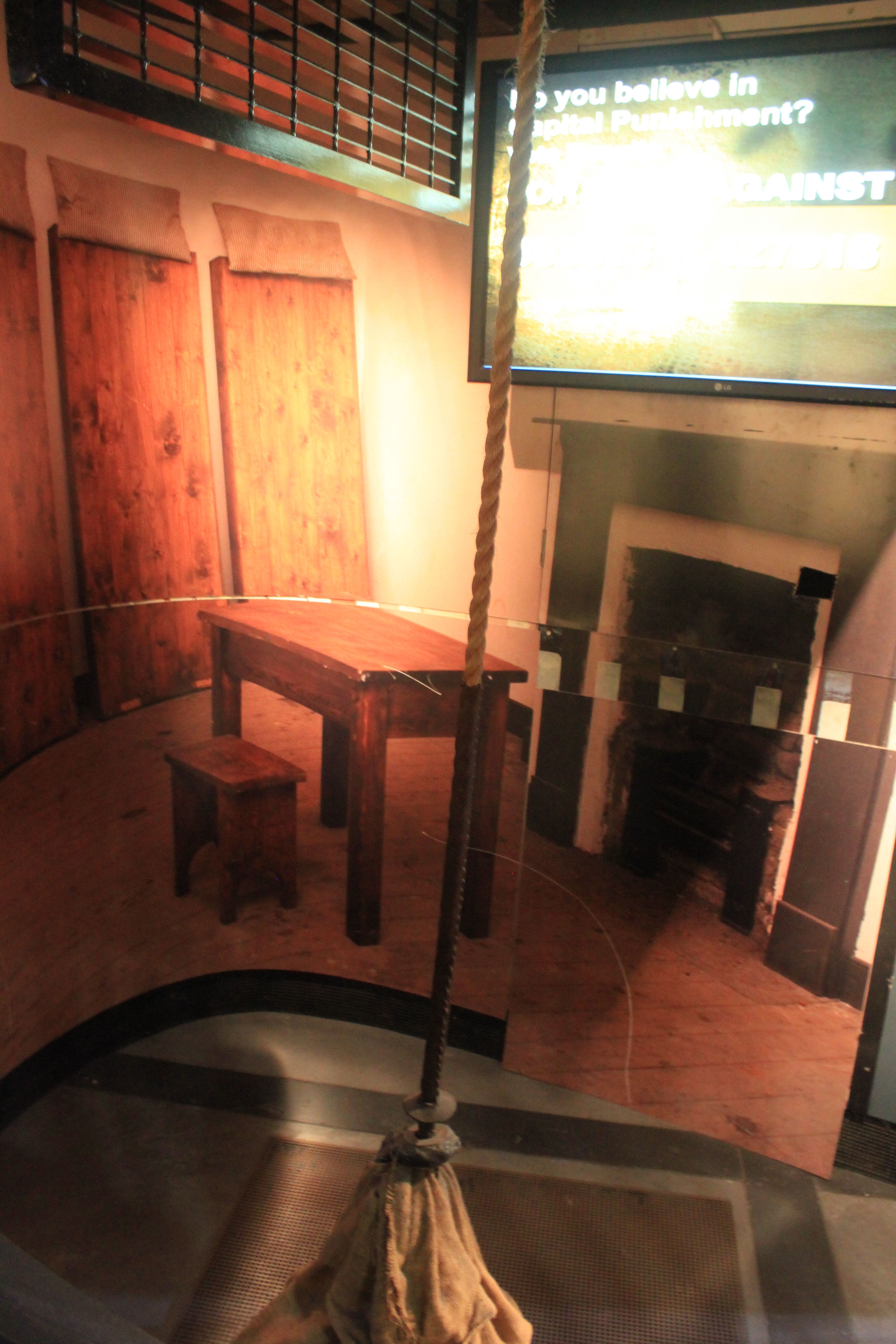
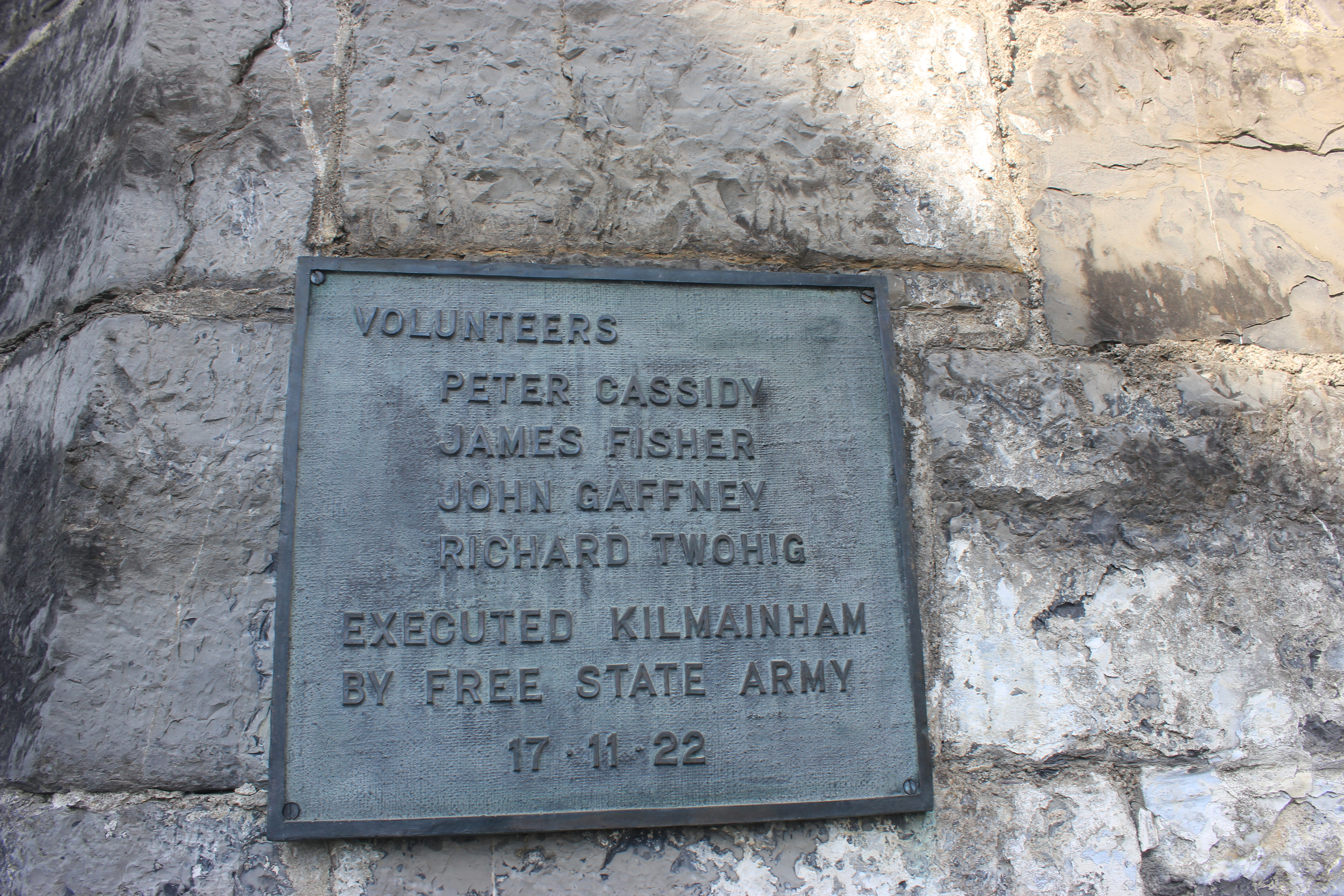
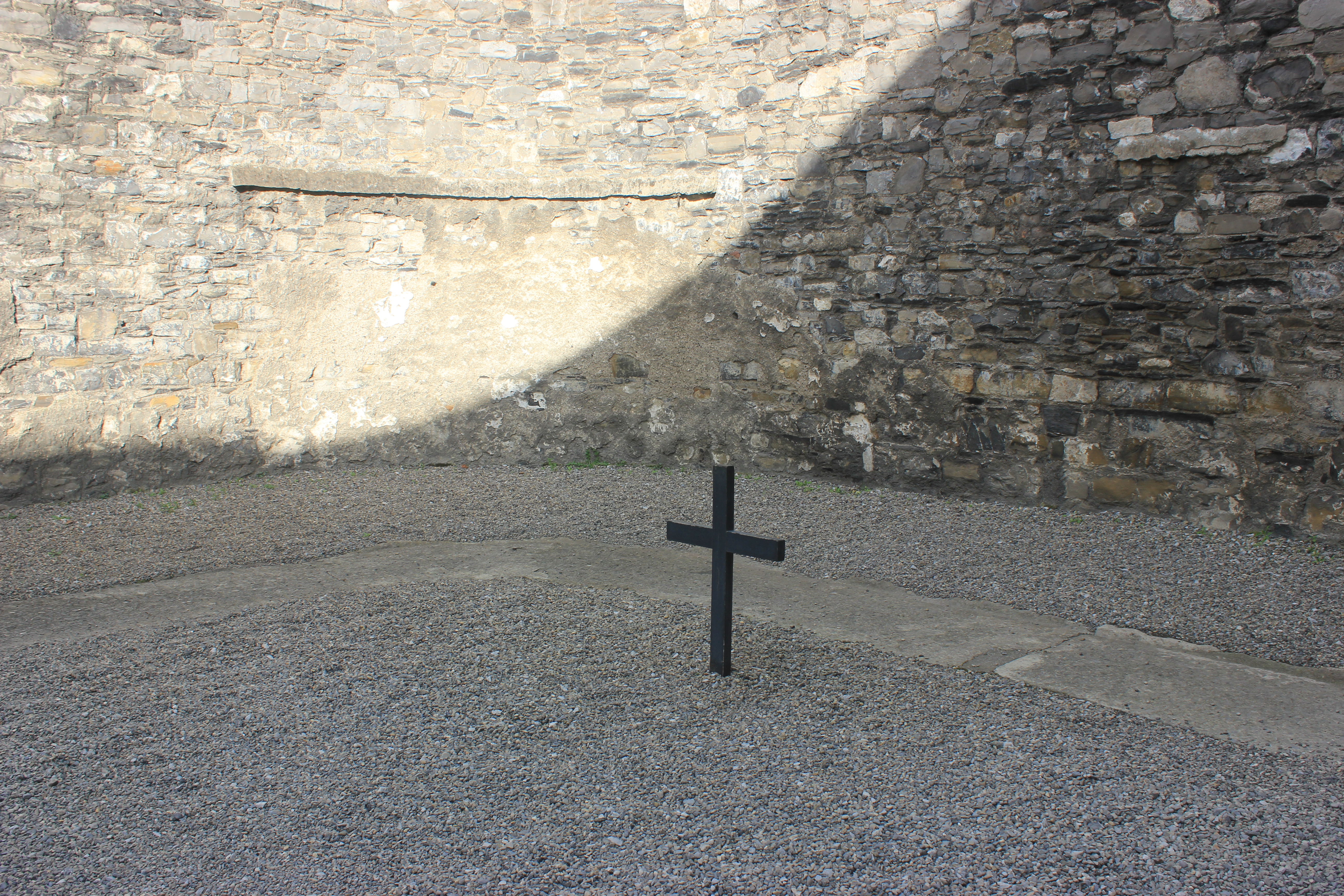
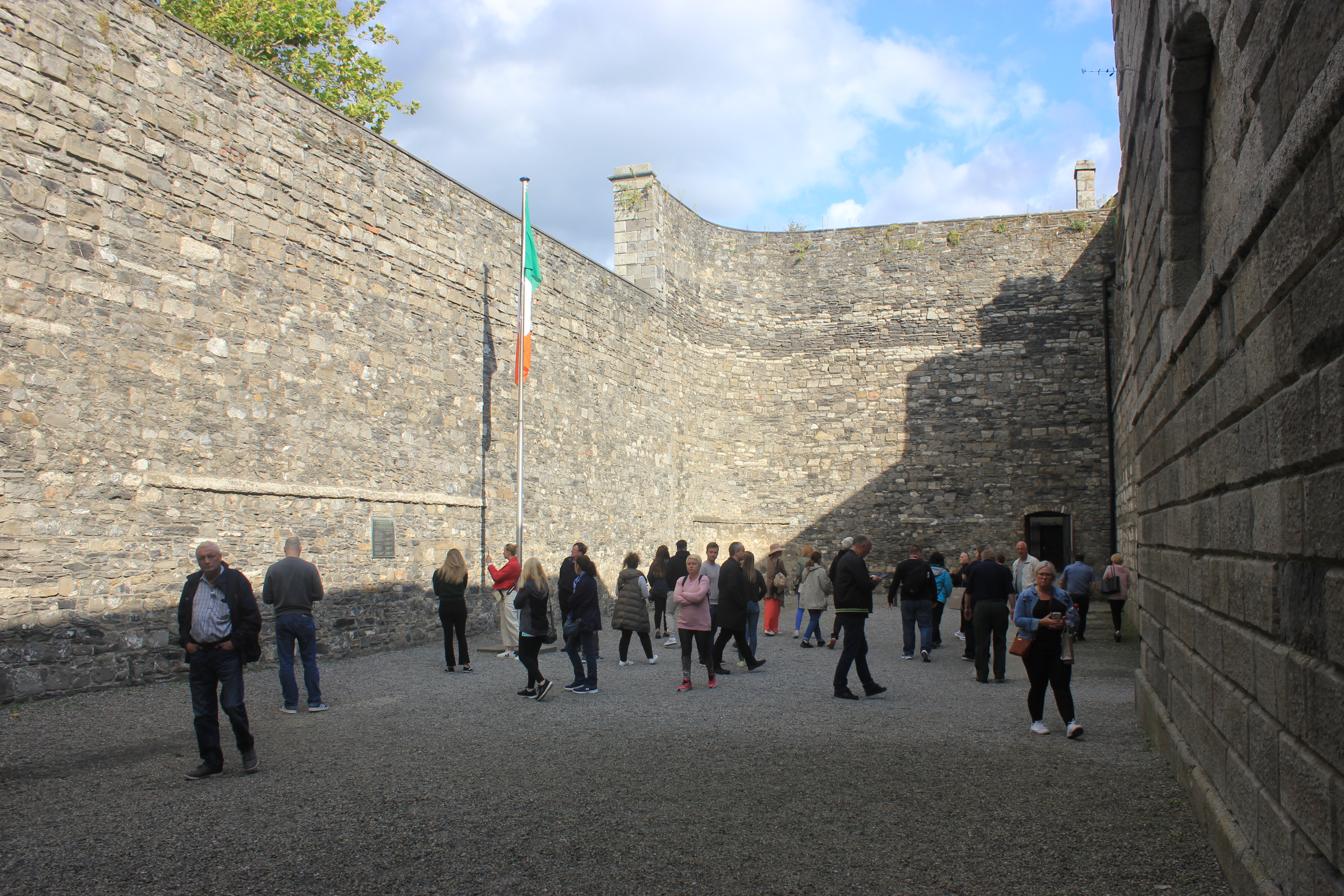
Most of the executions took place in the Stonebreaker’s yard at Kilmainham Gaol.
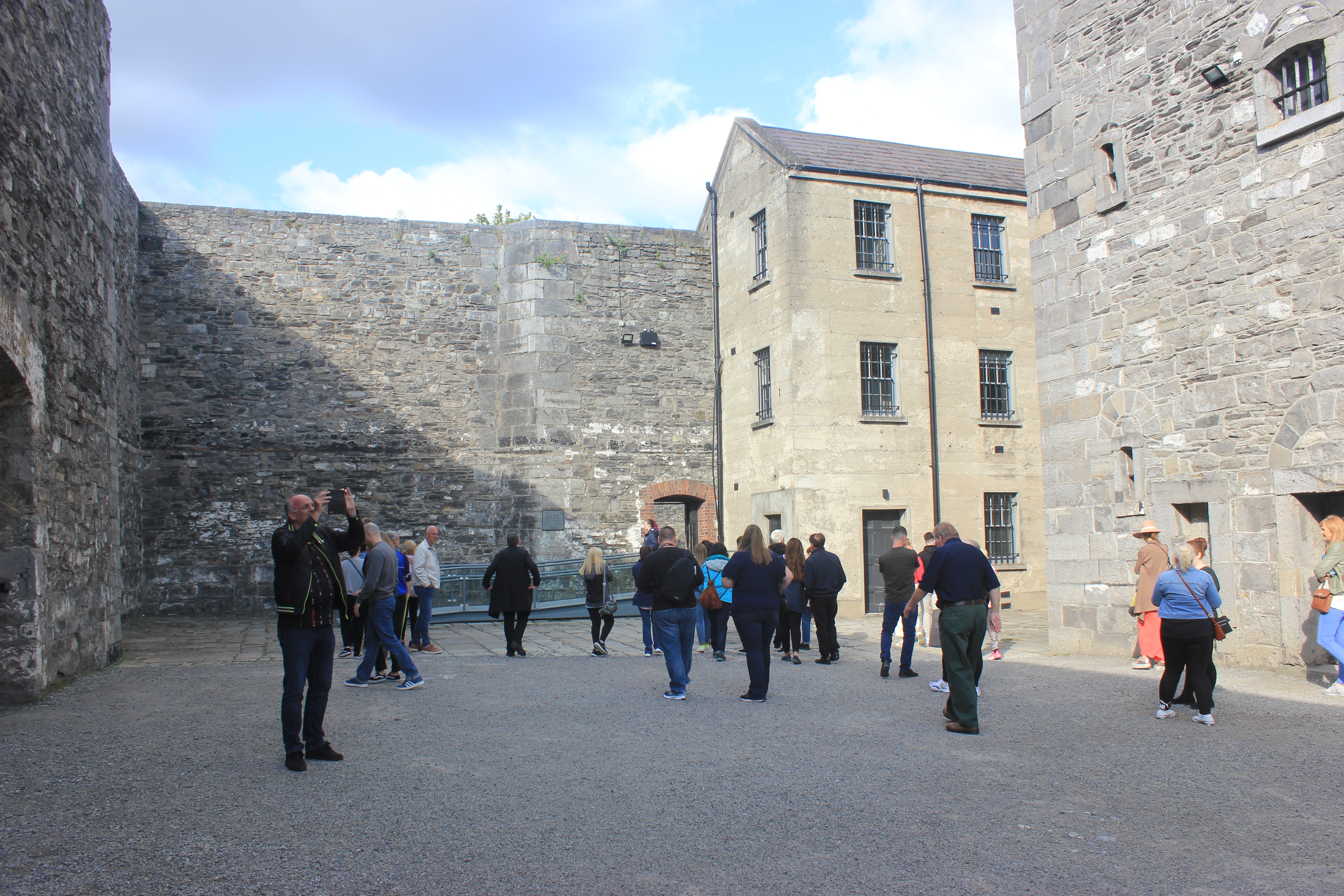
If you want to feel the power of Irish history then visit Kilmainham Gaol and stand against the wall in the Stonebreaker’s yard.
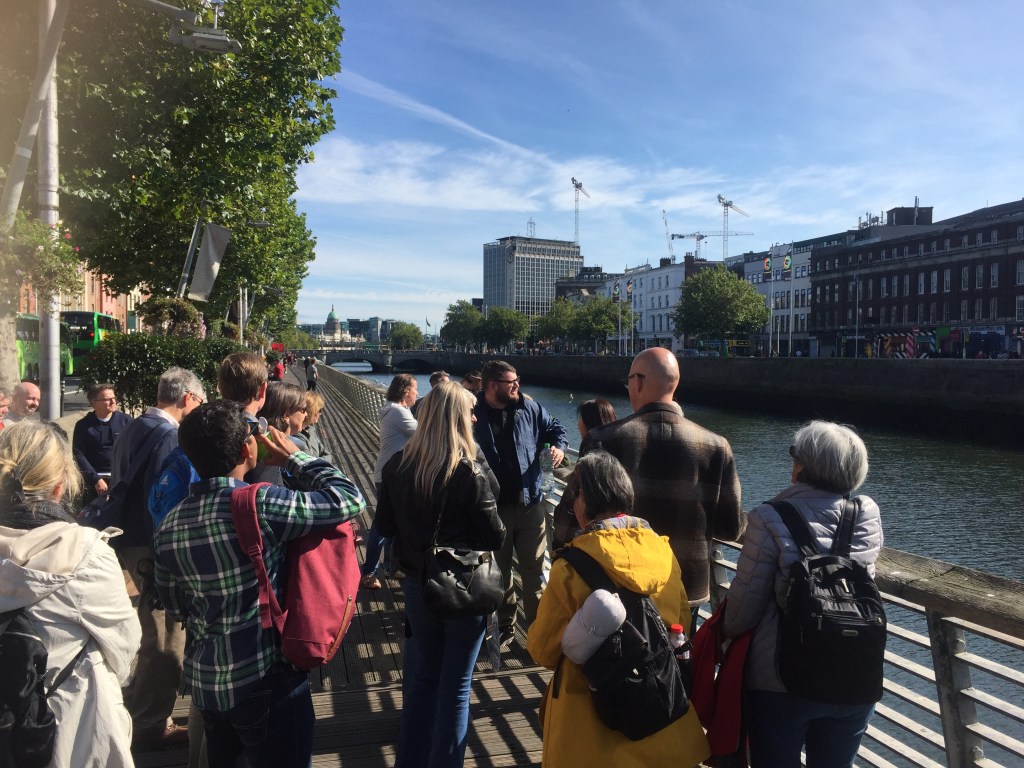
You can also find out so much more about Irish history by joining one of the many walking tours of Dublin. I joined two of them and they were both excellent.
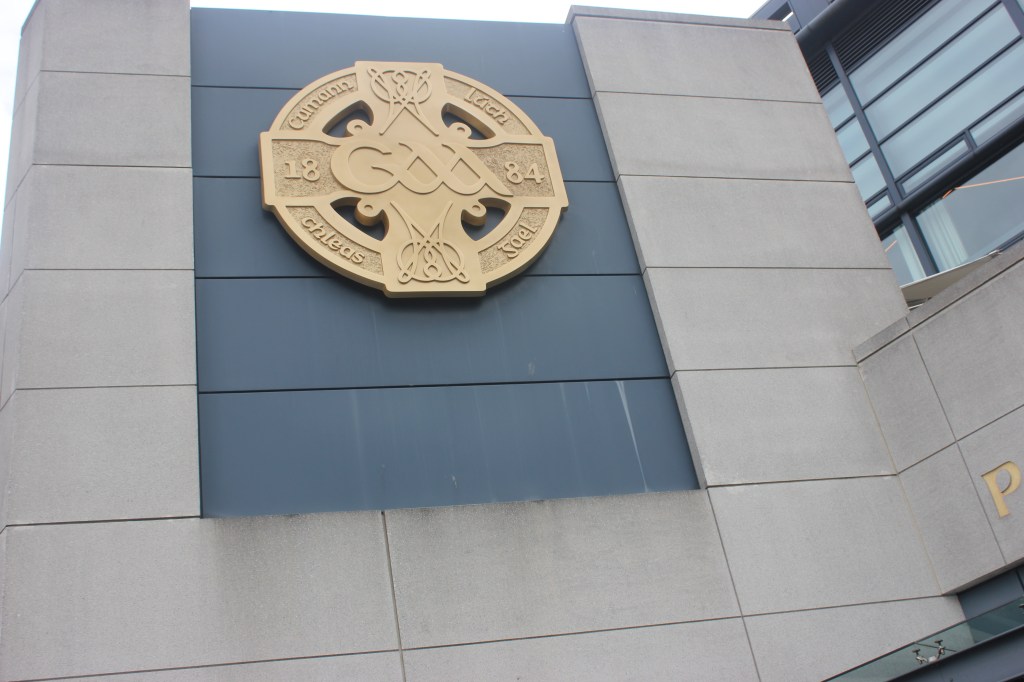
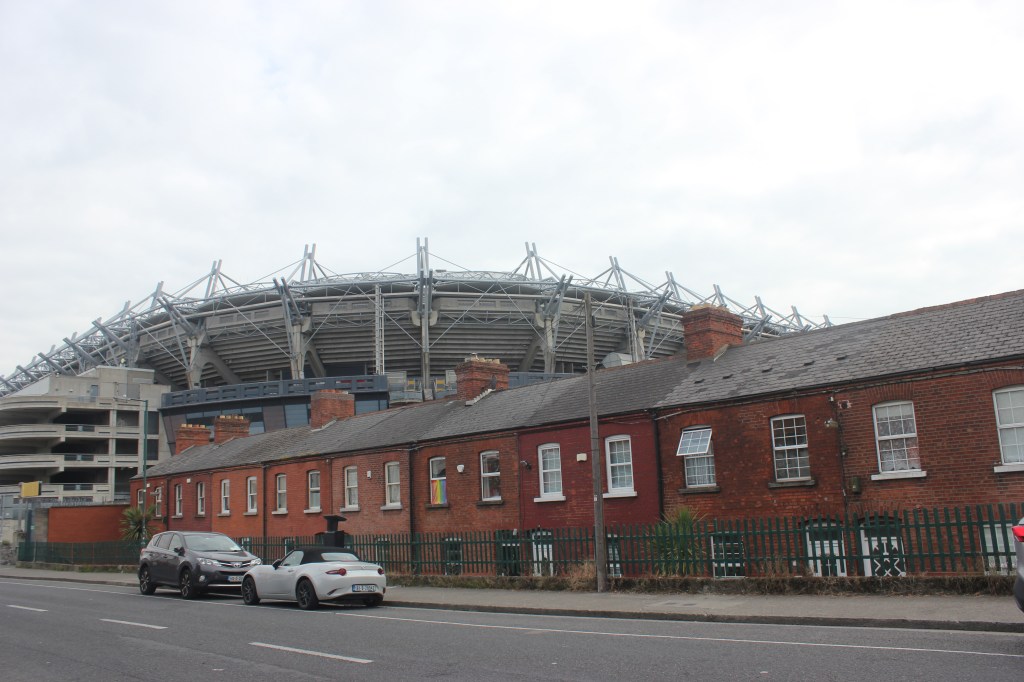
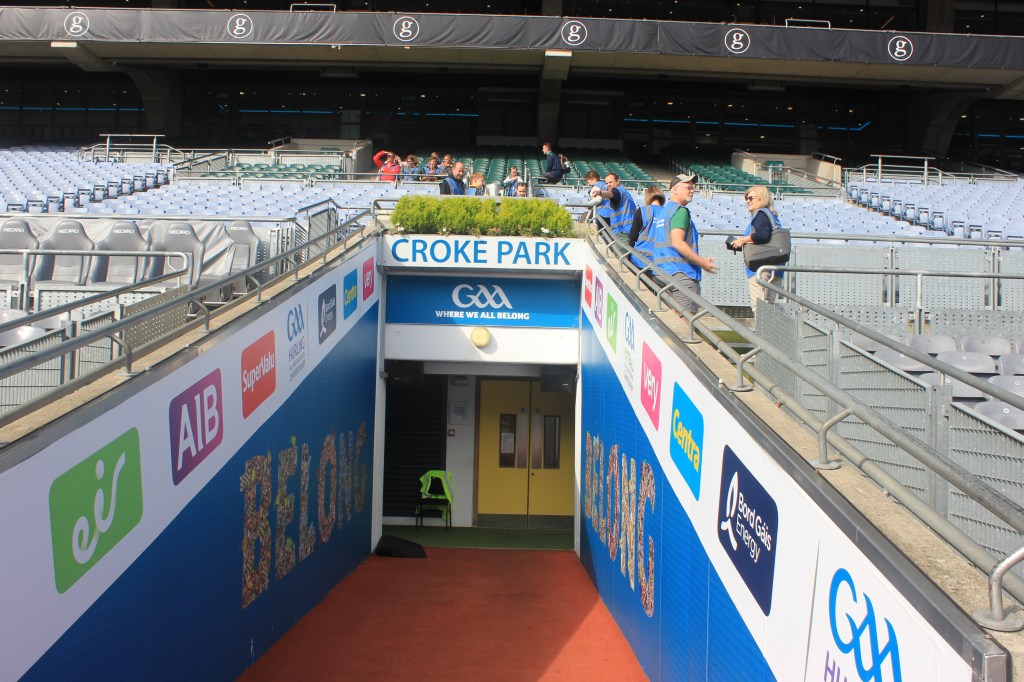
Croke Park.

A unique venue of sports.

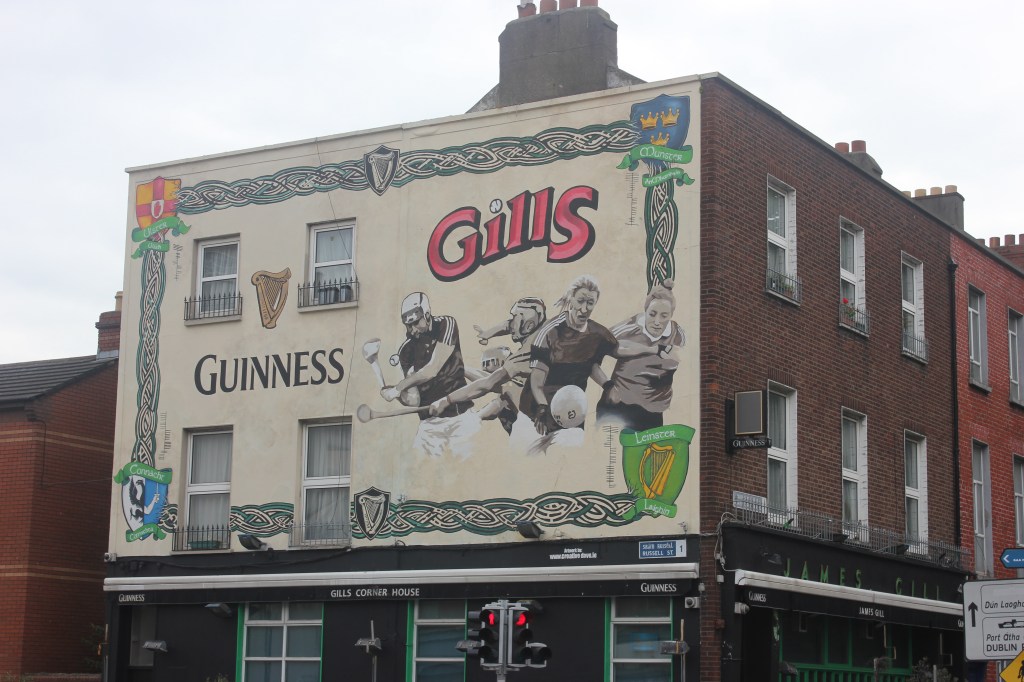
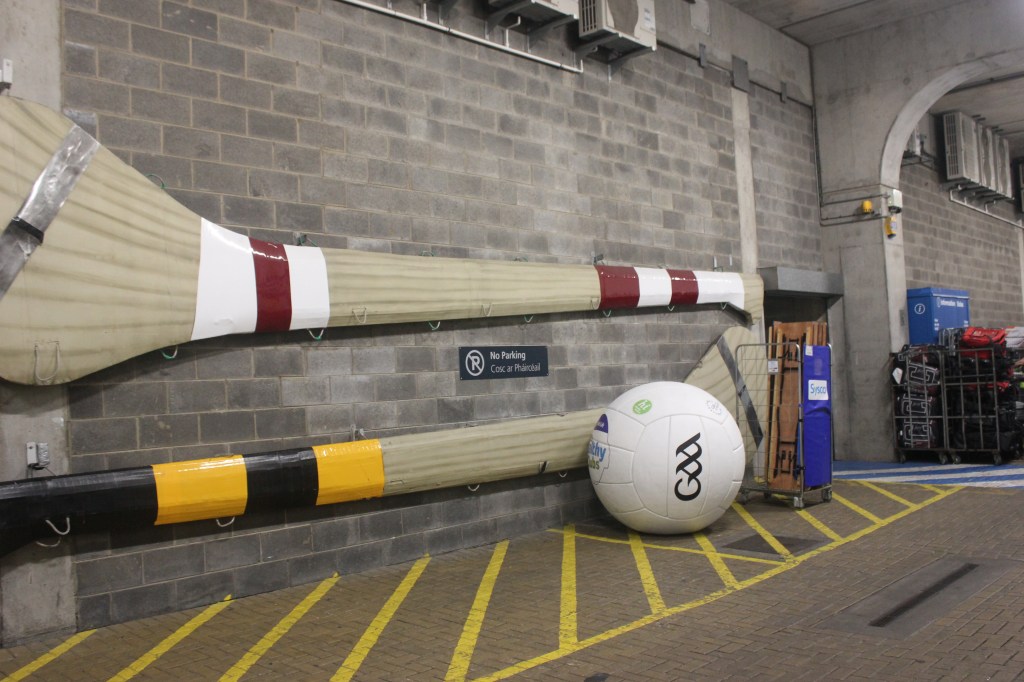
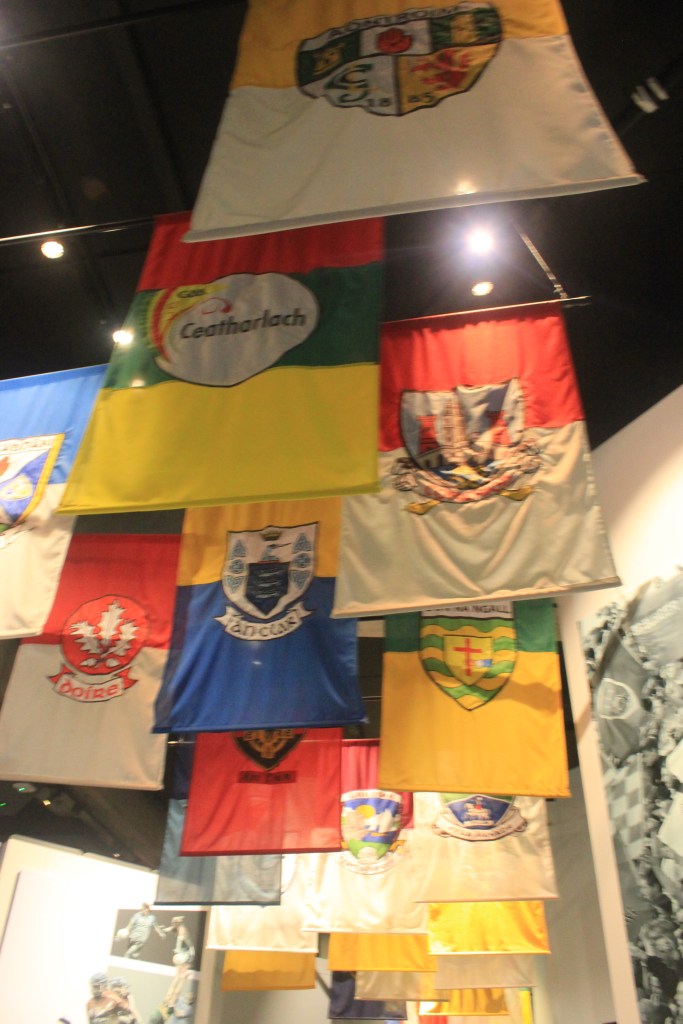
It is the home of the Gaelic Athletic Association, (GAA), Ireland’s largest cultural and sporting organisation. Every year it hosts the All-Ireland Football and Hurling Championship Finals.

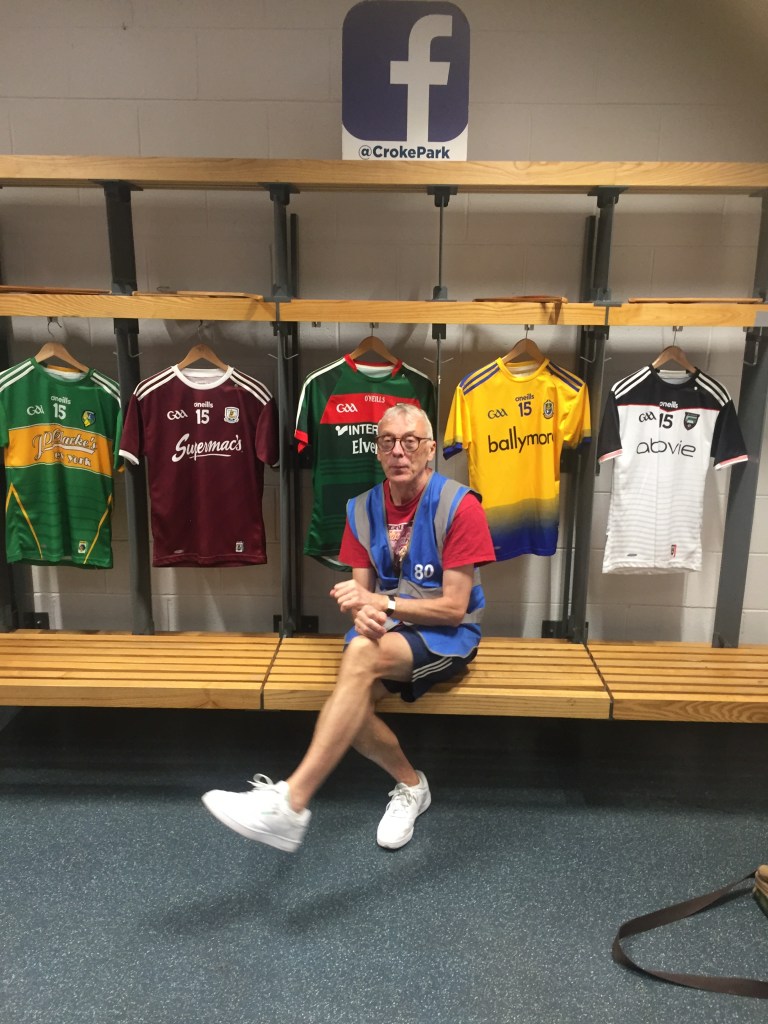
The GAA, remains an amateur association. On game days scores of volunteers work around the stadium to keep spectators safe and well. Perhaps more remarkably in modern times, the players are amateurs as well, and they only play for the county of their birth. At the weekend they may perform in front of thousands of fans, but on Monday morning they will be back work.

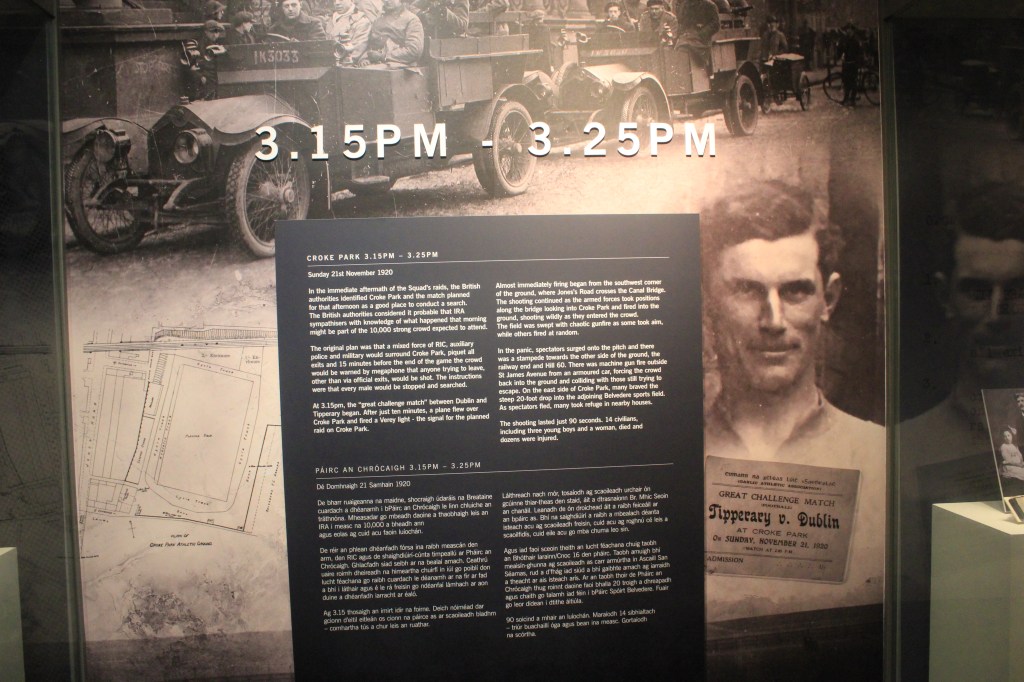
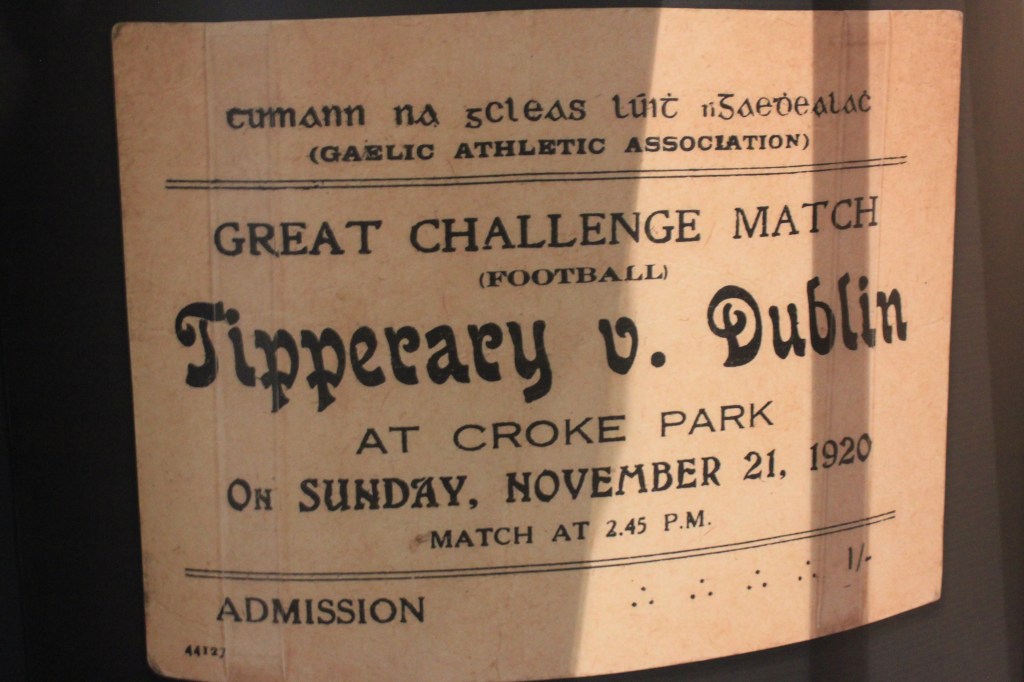
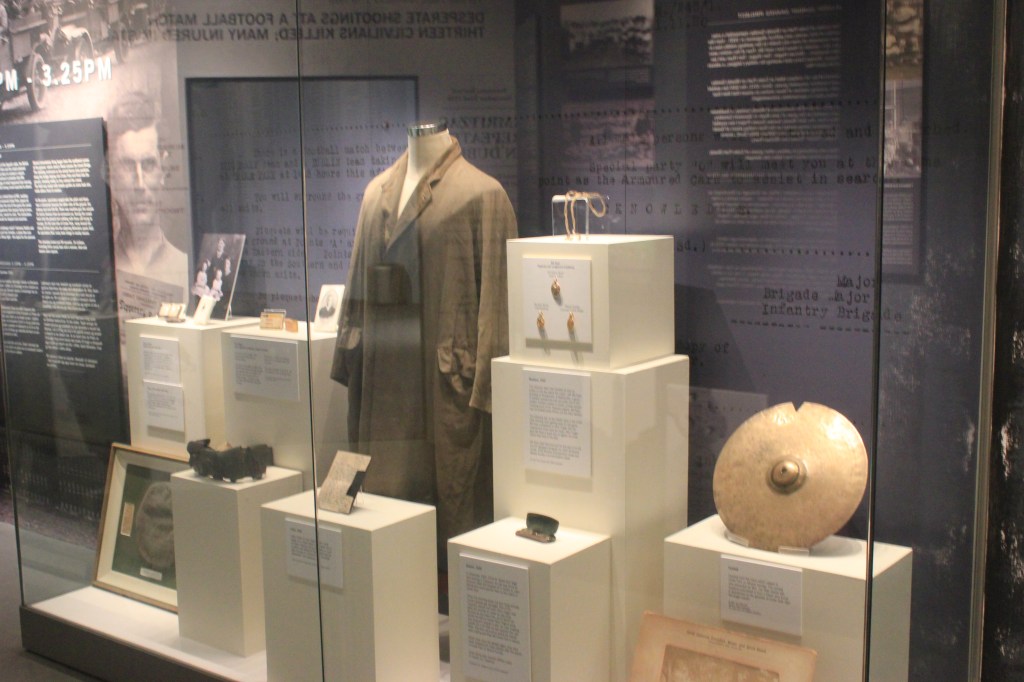
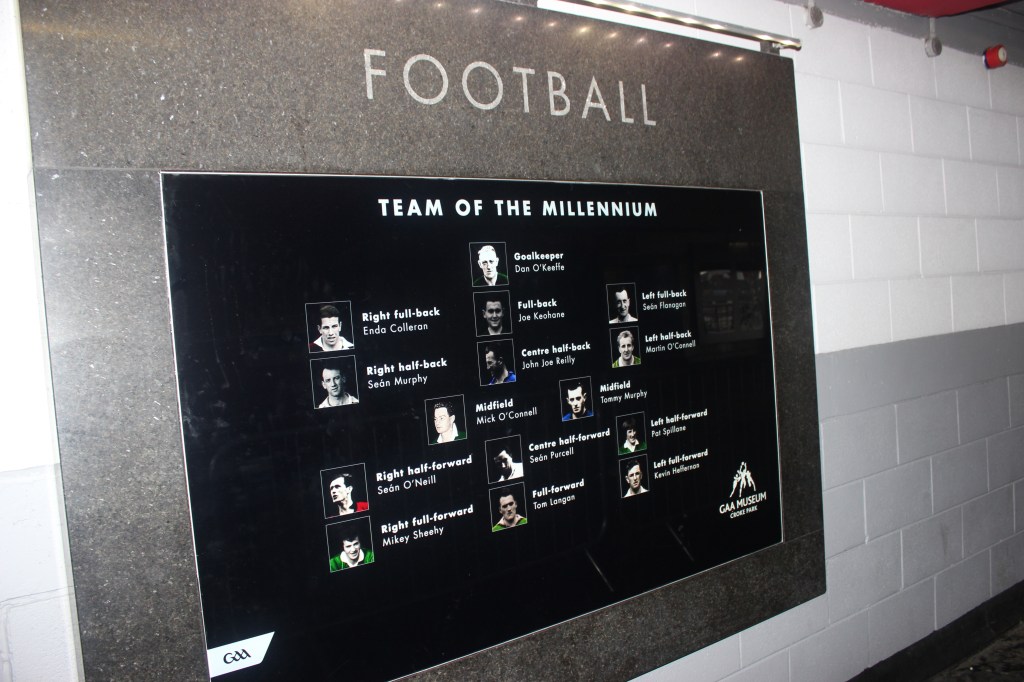
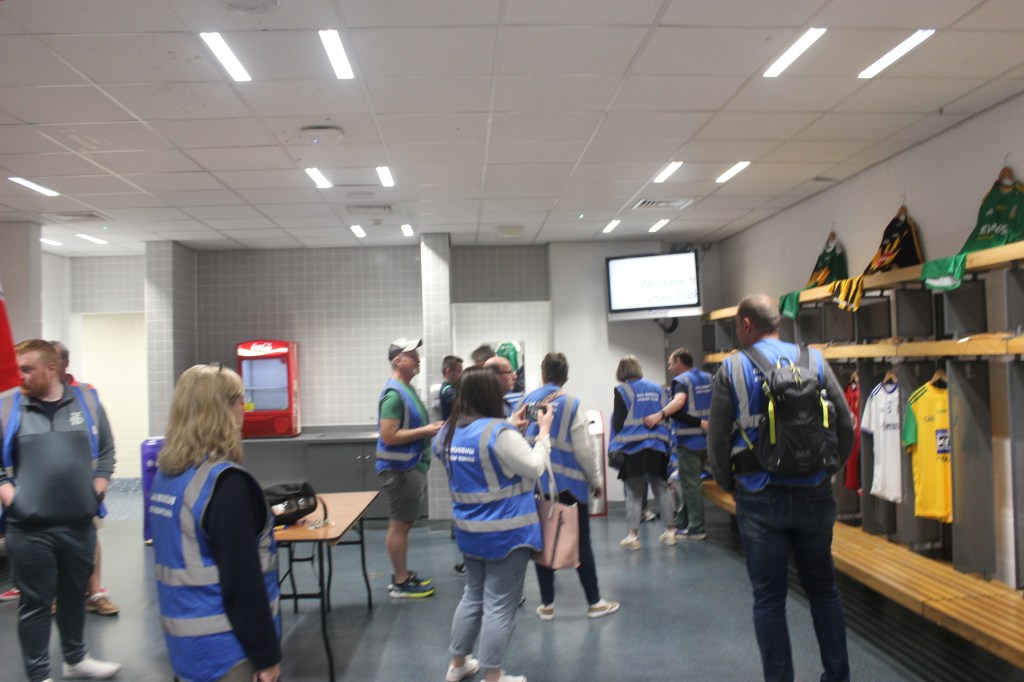
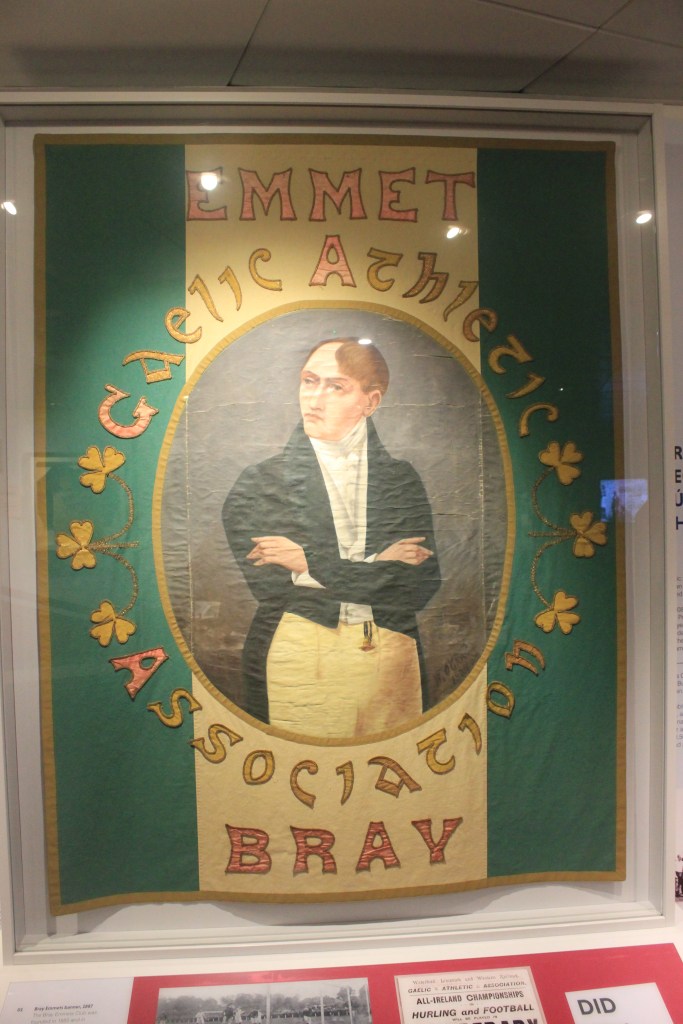
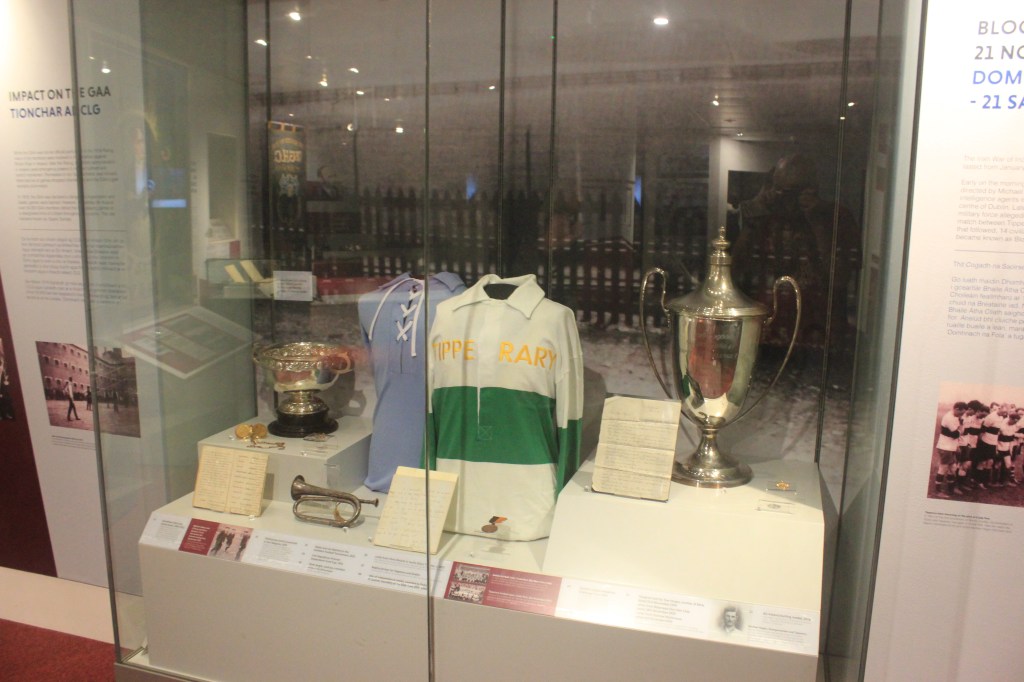
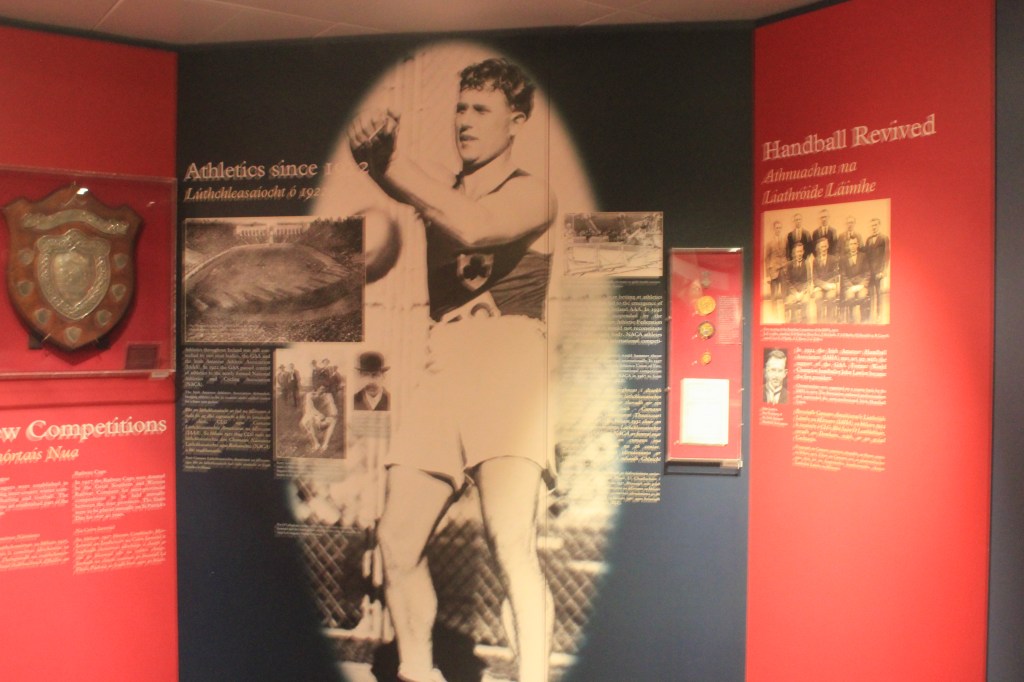
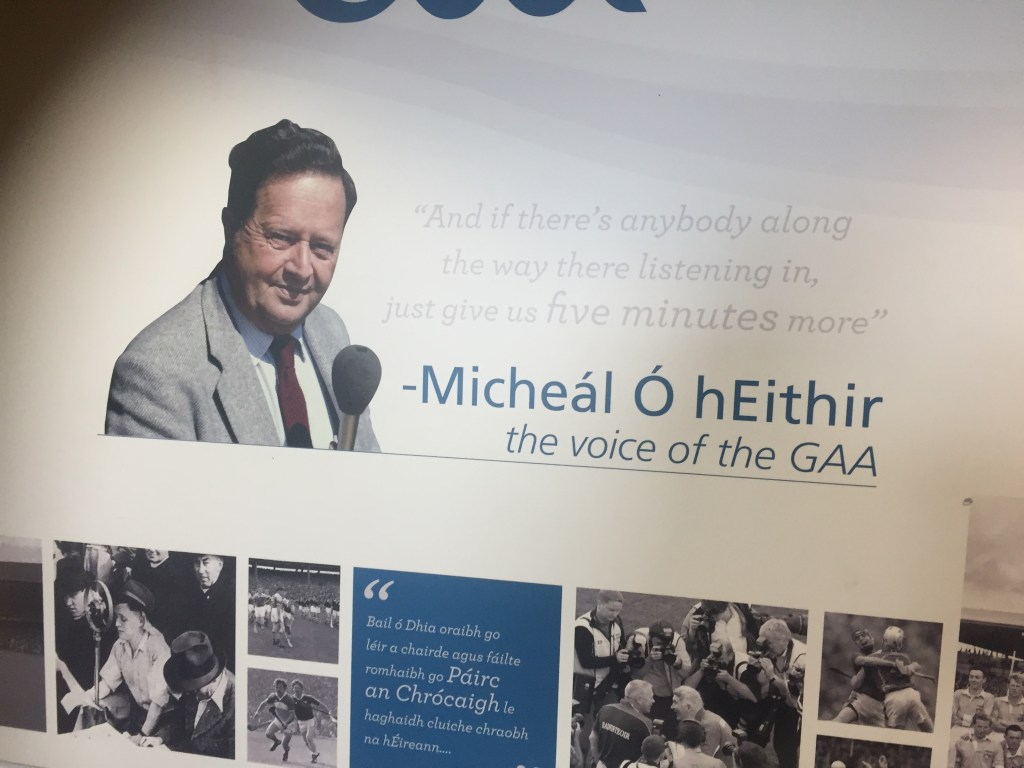
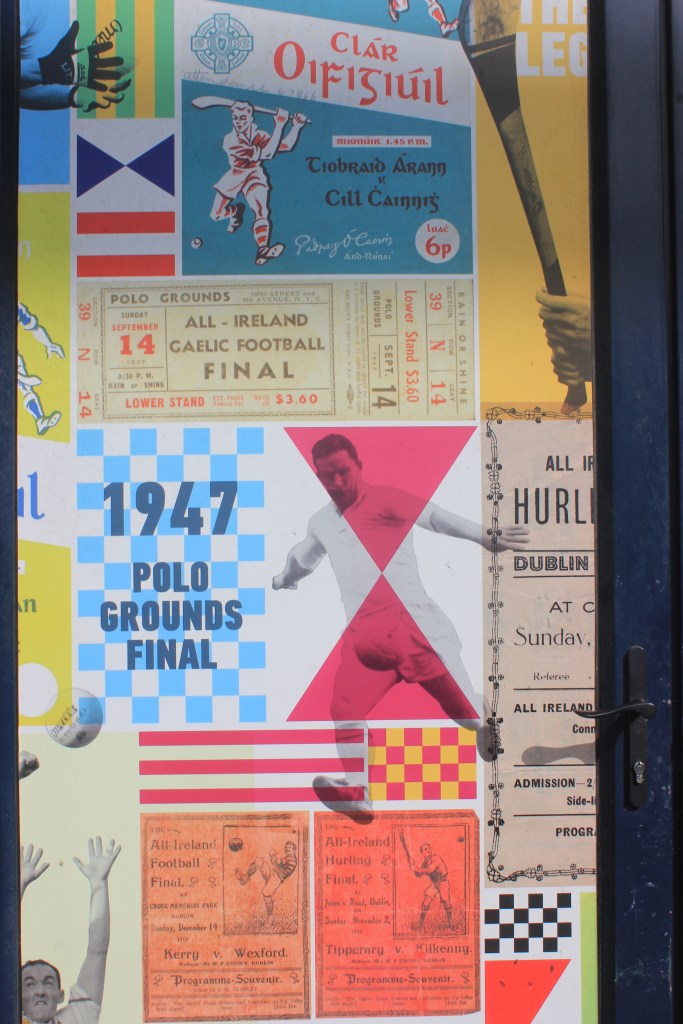
The history of Gaelic sports is well documented at the museum situated inside the stadium. Also, the events of Bloody Sunday, 21st November 1920, when British forces opened fire on the crowd attending a Gaelic football match between Dublin and Tipperary. Several lives were lost and many were wounded.

A visit to St. Aidans.

For over 200 years the Lower Aire Valley between Castleford and Leeds was littered with coal mines. Scores of them.

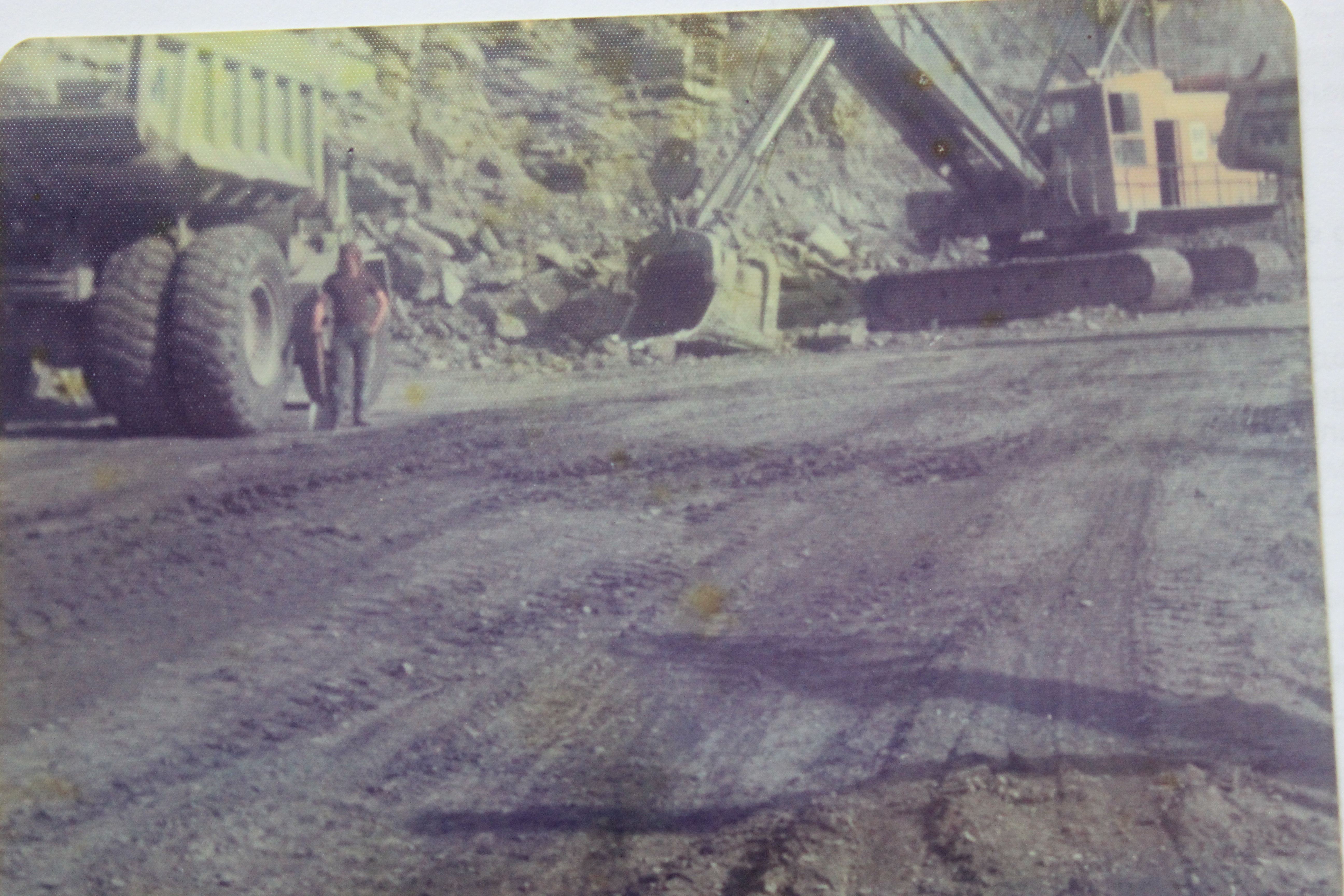
Later the area became the site of one of the largest opencast coal mines in the country. As a student I worked there during my summer vacations. It was hard work but I enjoyed it and I had some interesting experiences, including when I helped to blow up some rocks to expose the coal seams.

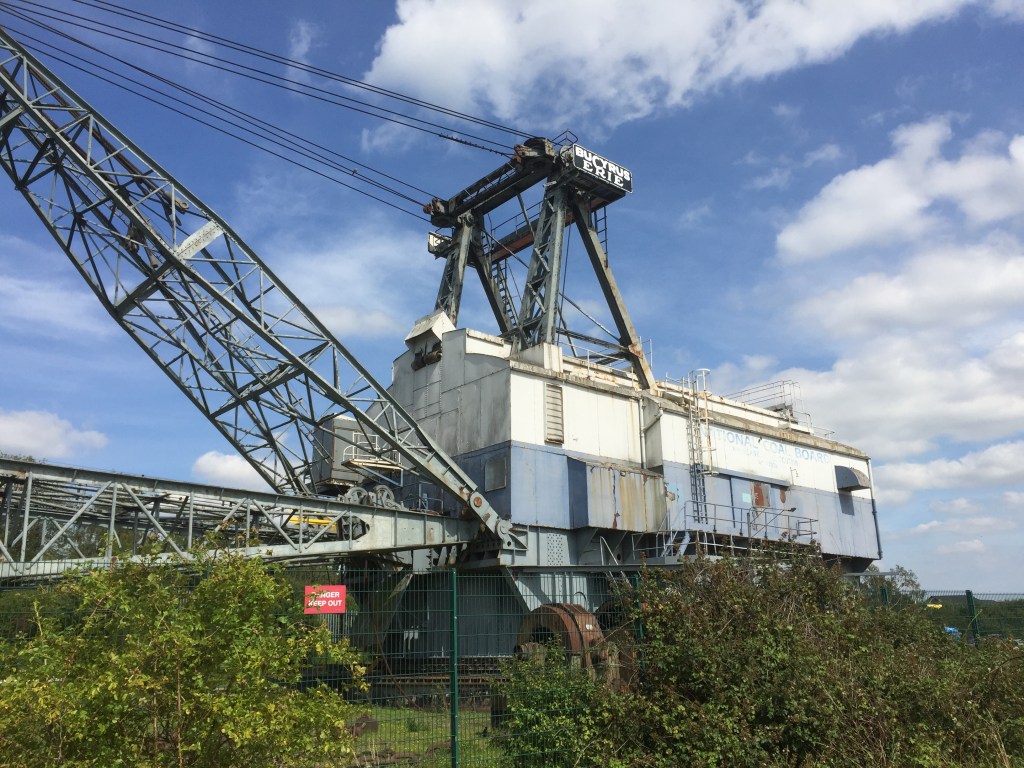
The mining ceased 20 years ago leaving a scarred landscape and a redundant dragliner called Oddball.

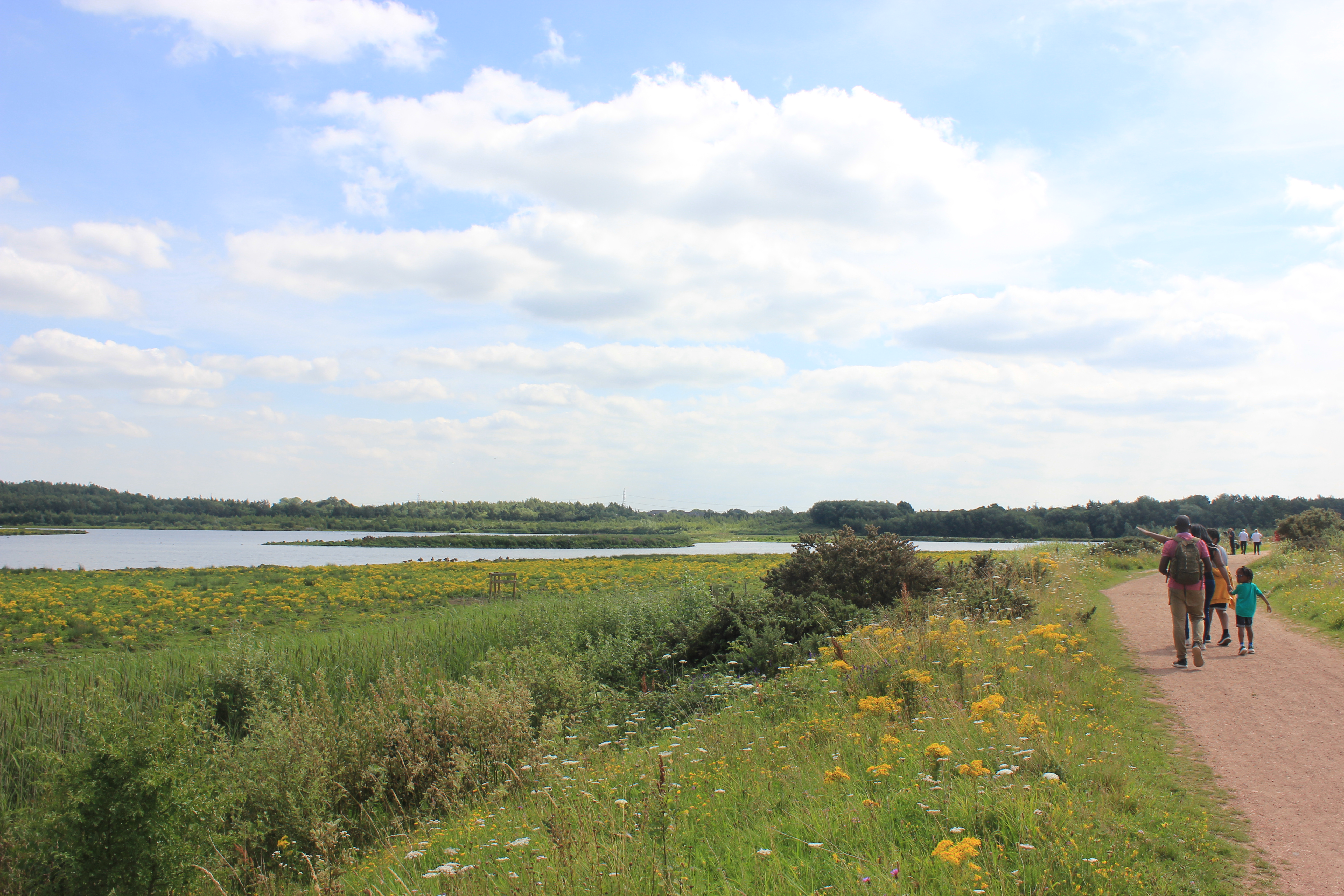
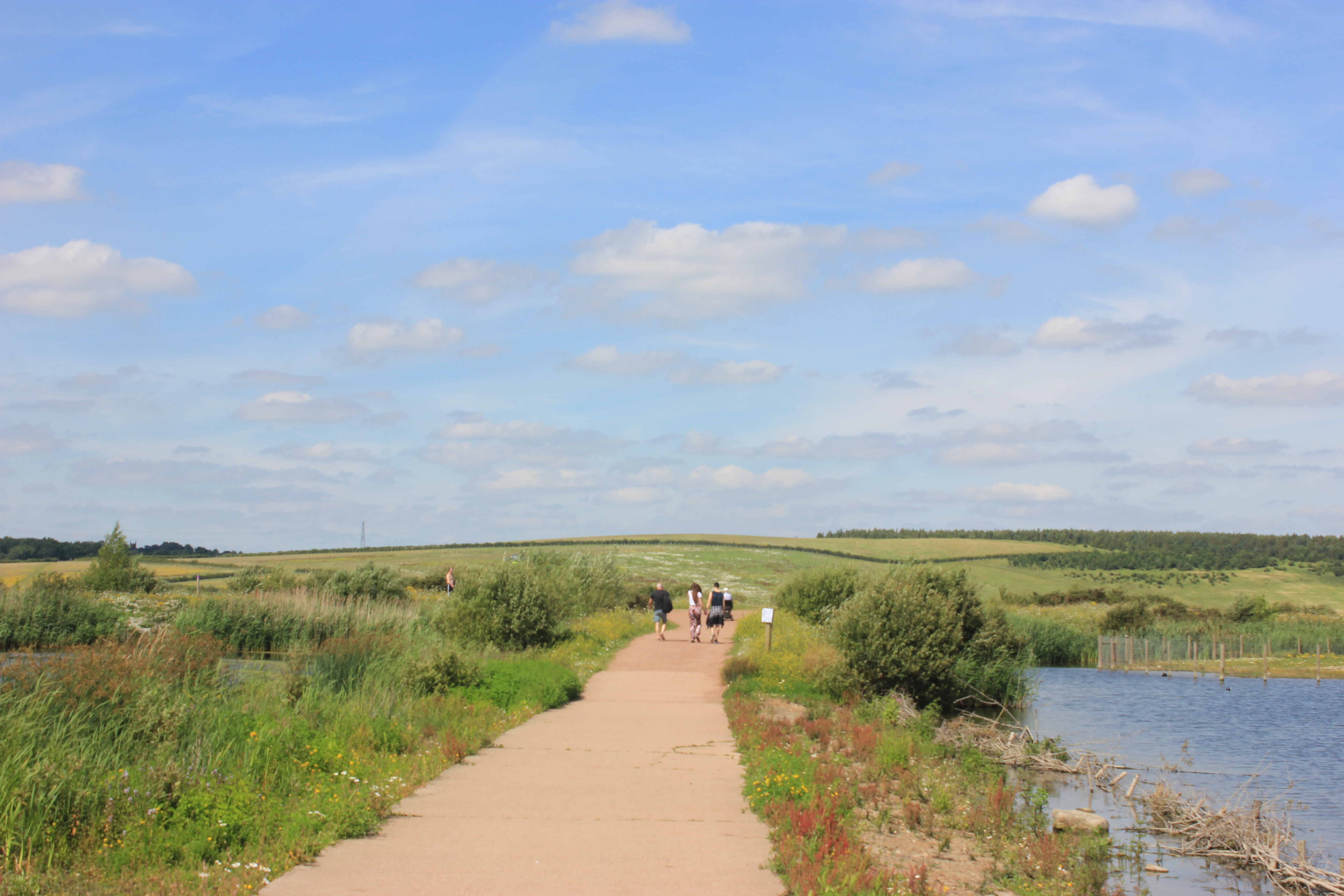
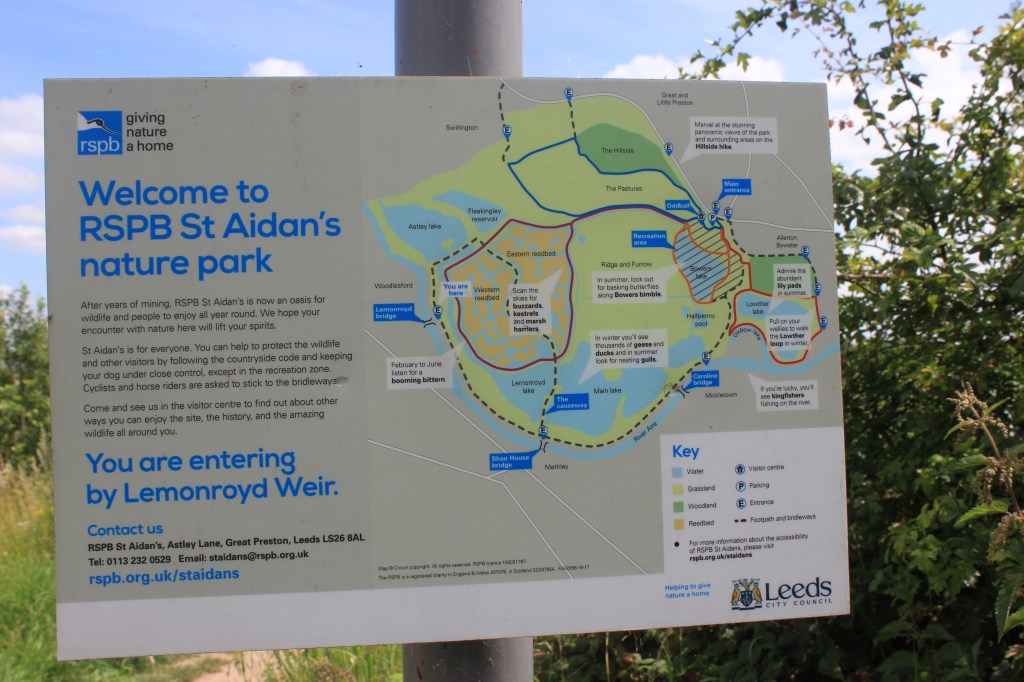
Now the site is home to R.S.P.B. St Aidan’s Nature Reserve. A miraculous transformation has taken place that has created a wonderful place to visit.

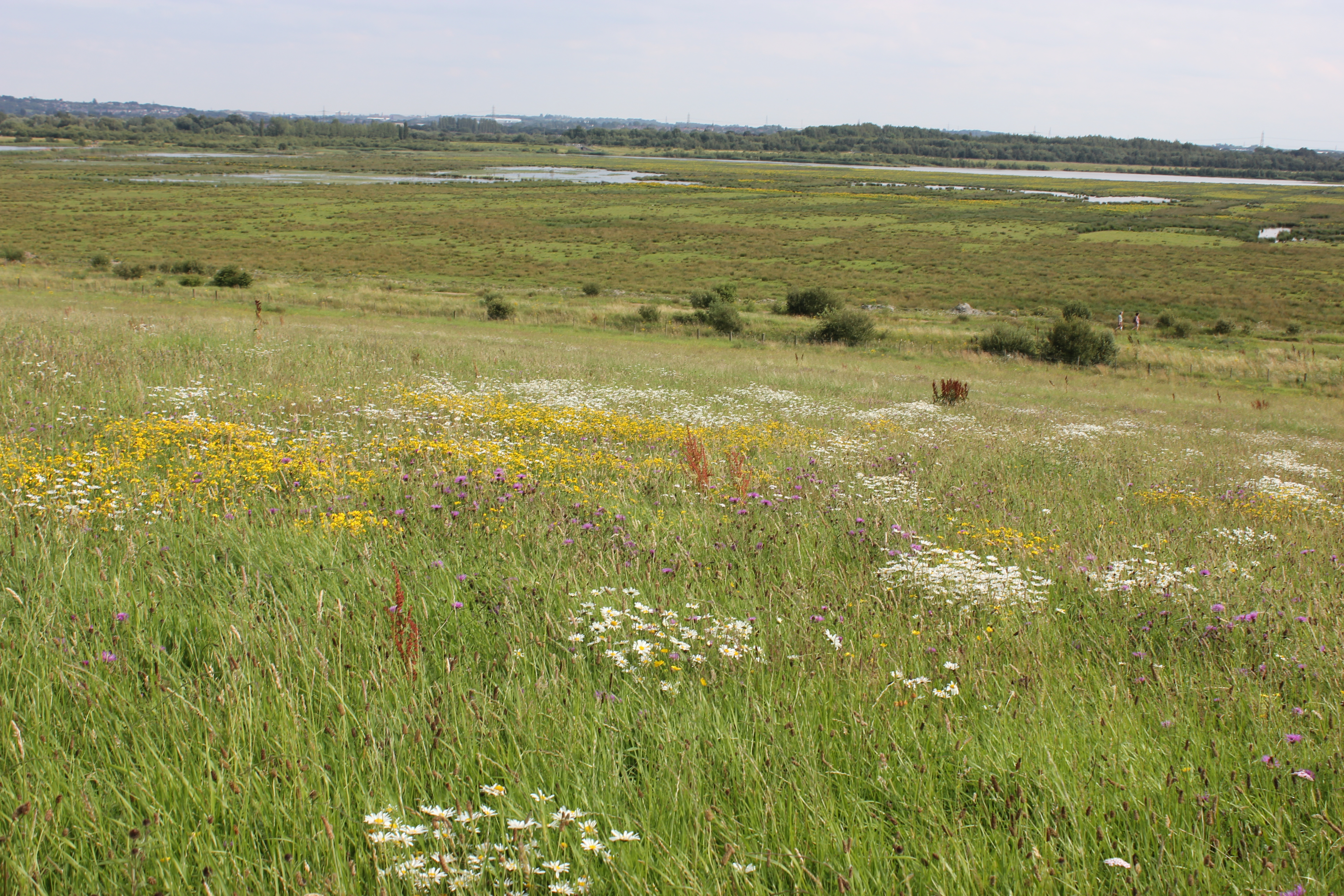
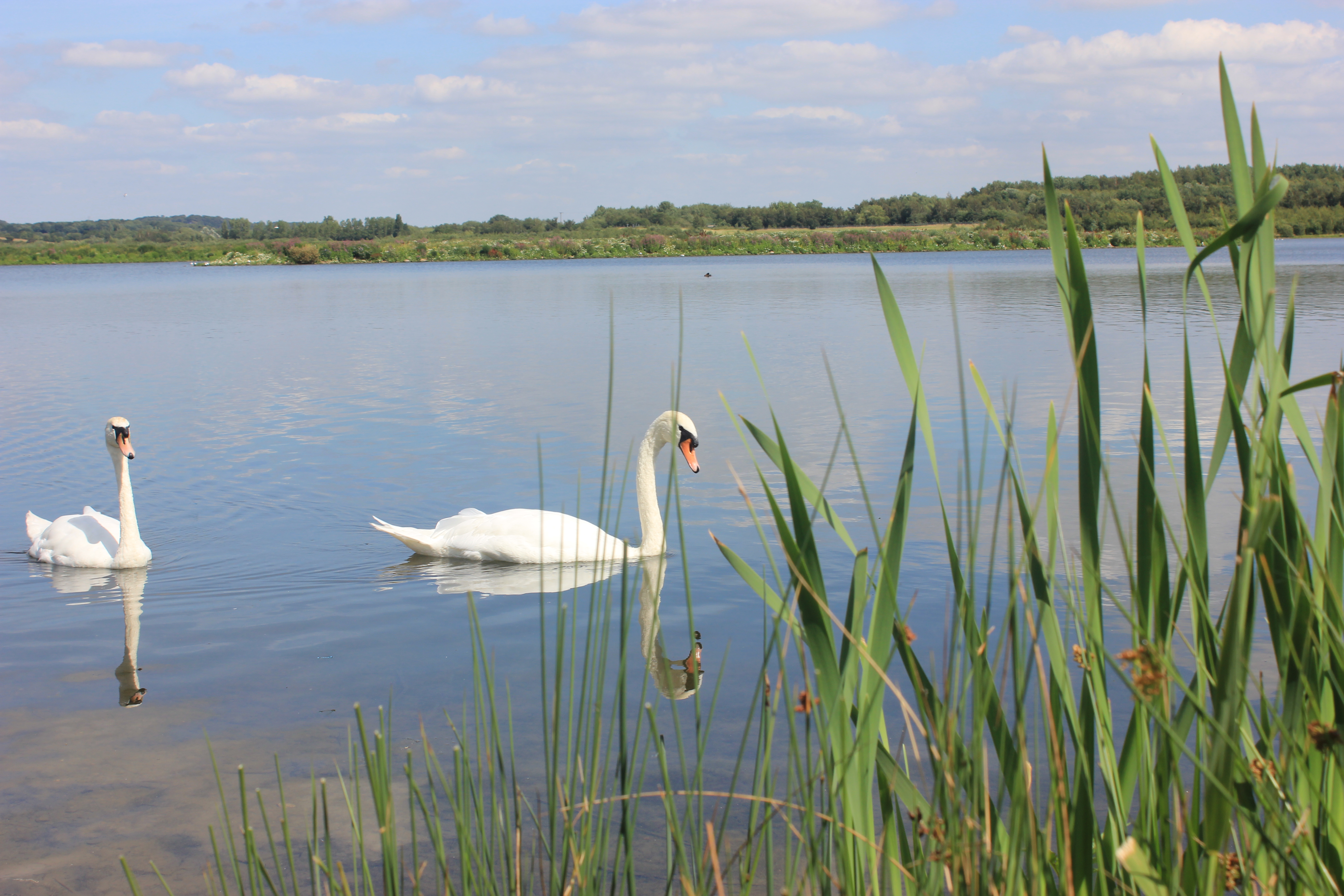
The reserve has a variety of environments and wildlife to discover. Its extensive reedbeds and wetlands provide homes for Marsh Harriers, Bitterns, Water Rails, Avocets and many other birds. There are acres of wildflowers as well.

Exploring the reserve is easy. Most of the reserve is flat and there are 12 miles of paths that you can walk or cycle along. If you do visit remember to bring your camera and binoculars.

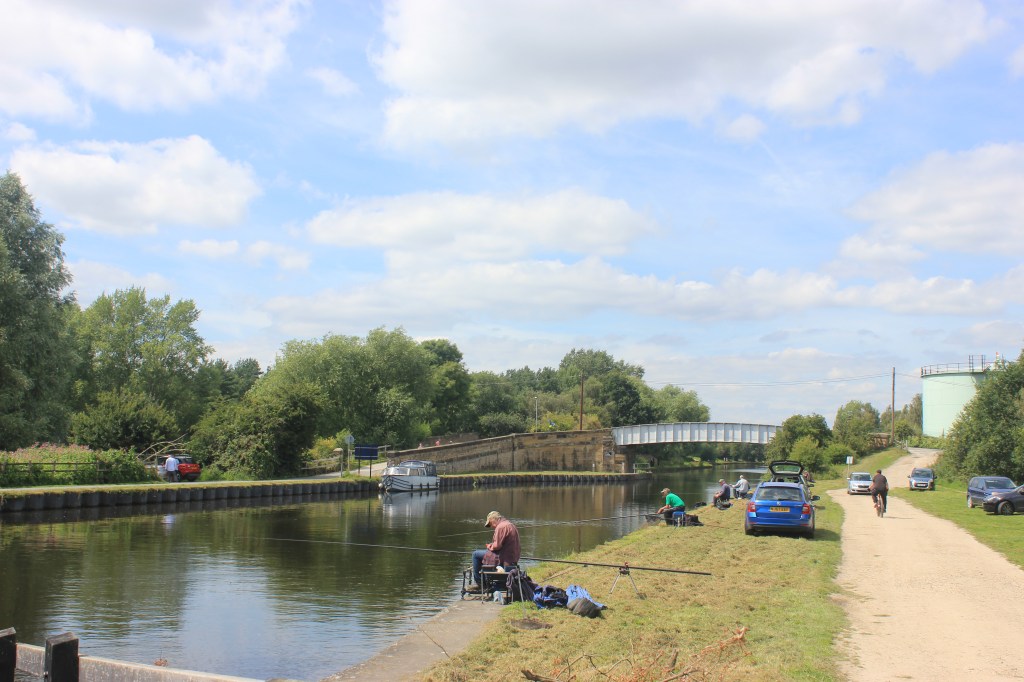
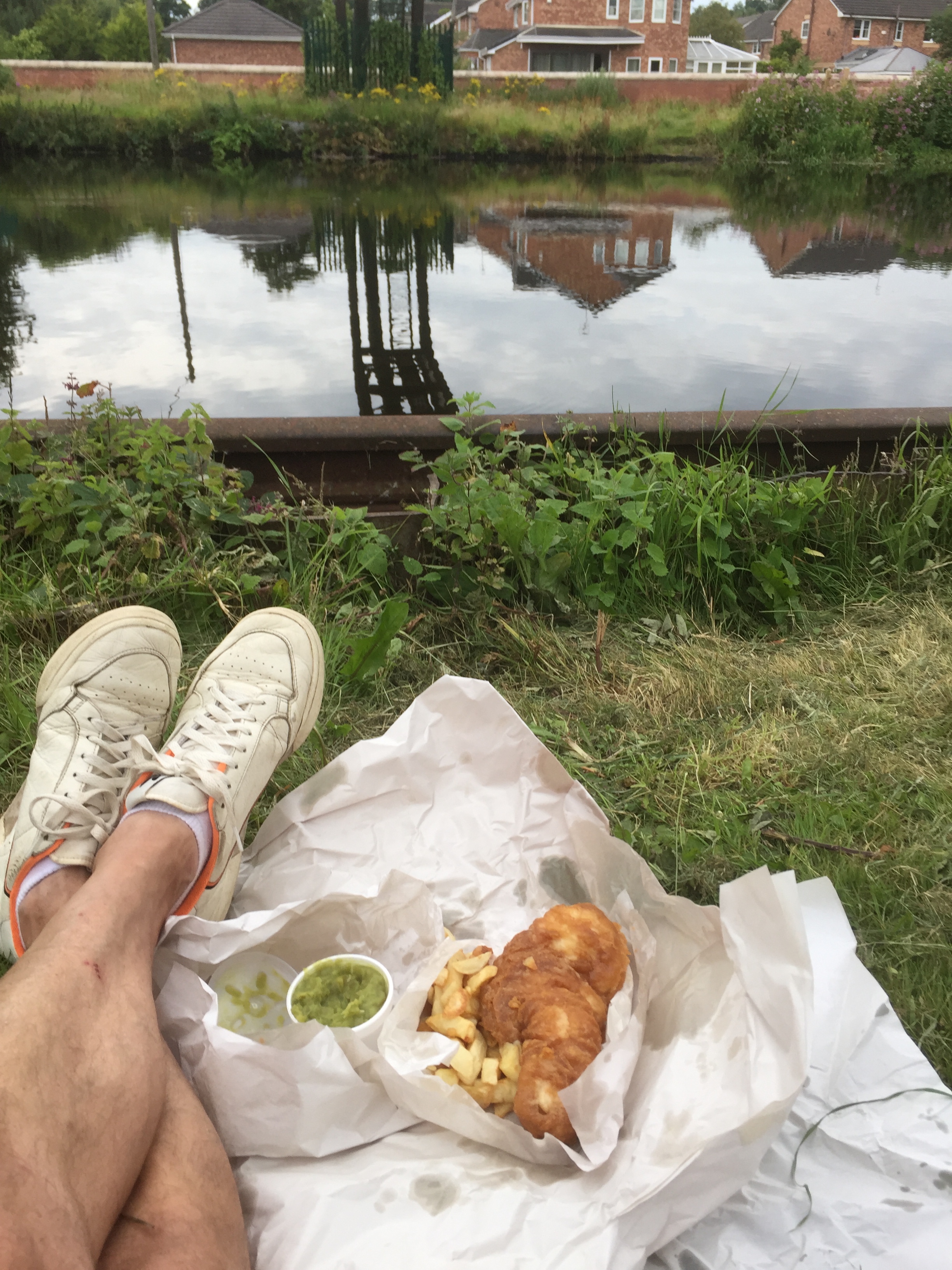
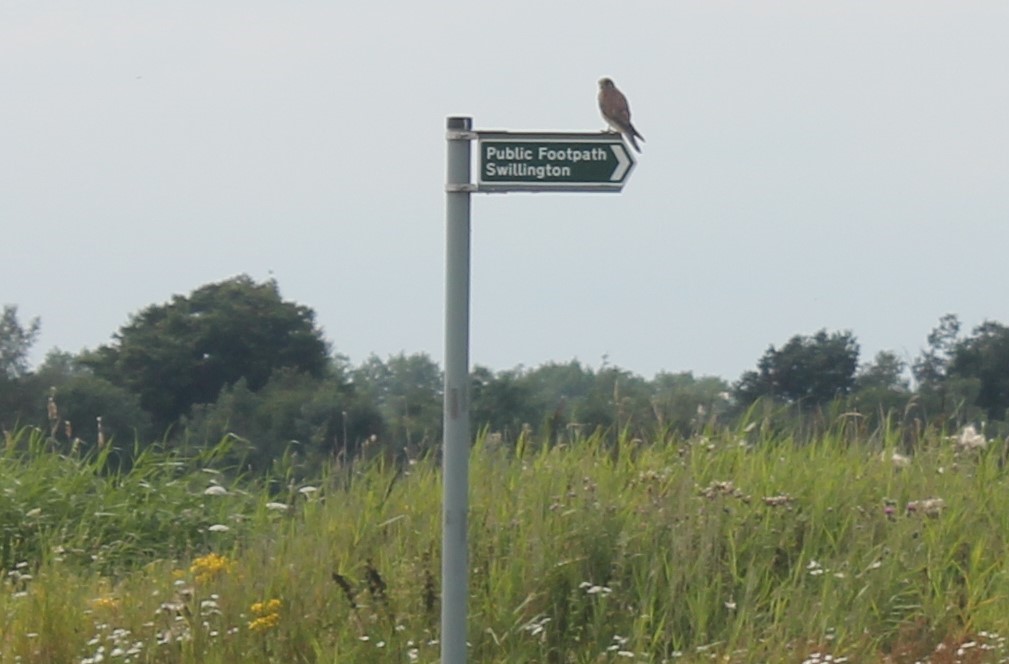
Not surprisingly the site is hugely popular. I spent a wonderful day there capped off by eating fish ‘n’ chips from Swillington whilst I sat by the banks of the Aire and Calder Navigation Canal.

Wonderful.

Fighting for Democracy.

There is so much history about Boston and its people. Its citizens have a long tradition of radical politics and issues such as independence, civil rights, emancipation and anti-slavery were debated several years before they became at the top of political agendas.

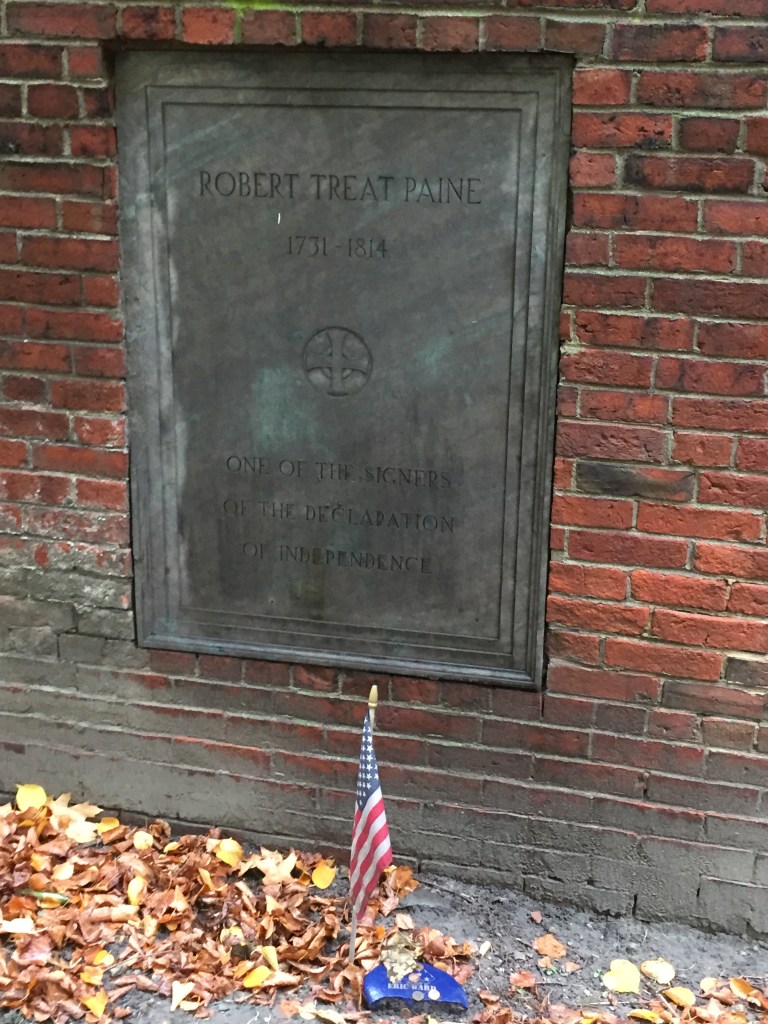
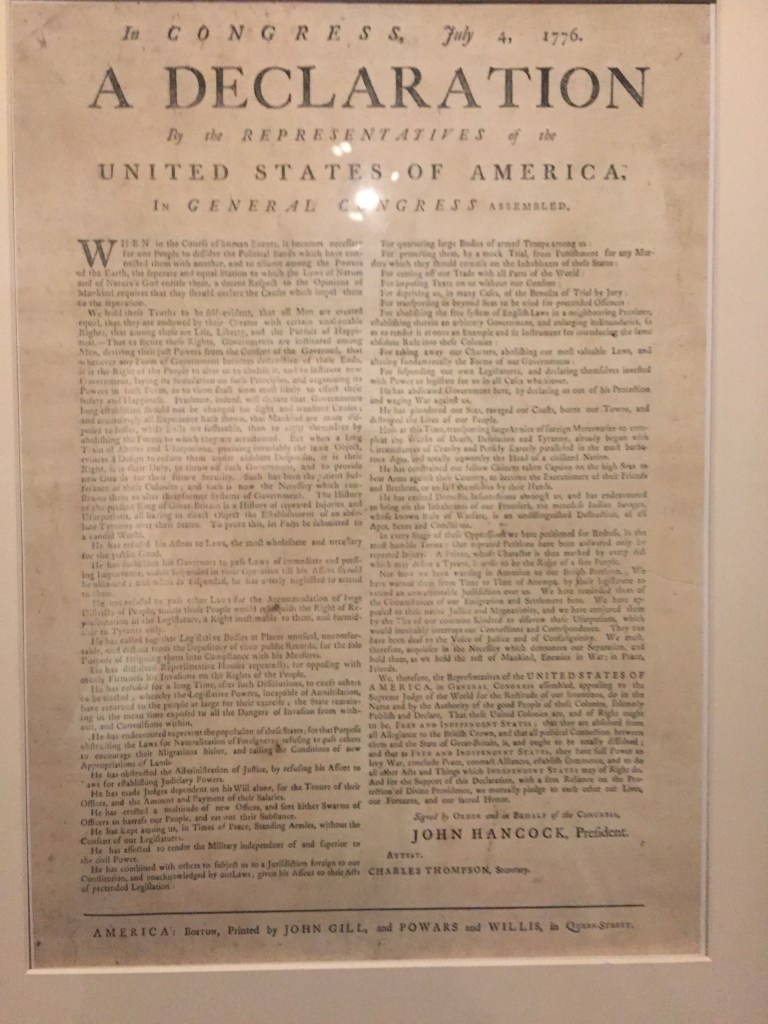
I was fascinated to find out about John Adams, John Hancock, Samuel Adams, Robert Paine and Elbridge Gerry, who all signed the declaration of independence. Other notable Bostonians of these times include Benjamin Franklin, Paul Revere. John Winthrop and James Otis.

The ideas and principals of these people have helped to shape modern democracy, not just in the USA, but all over the world.

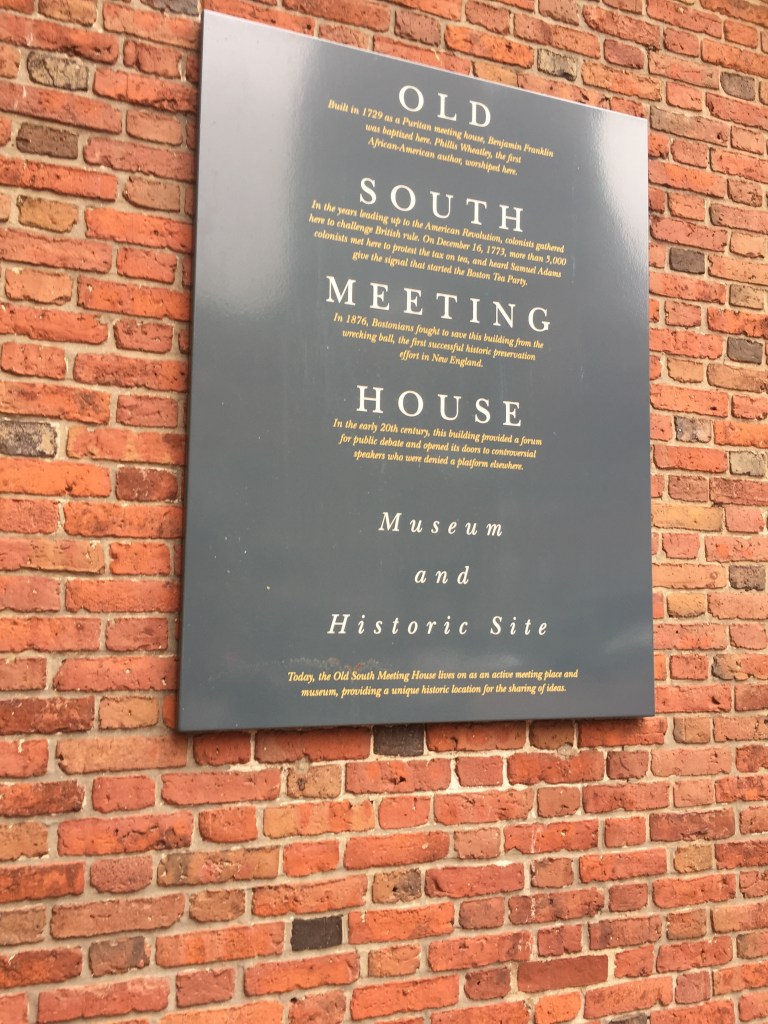
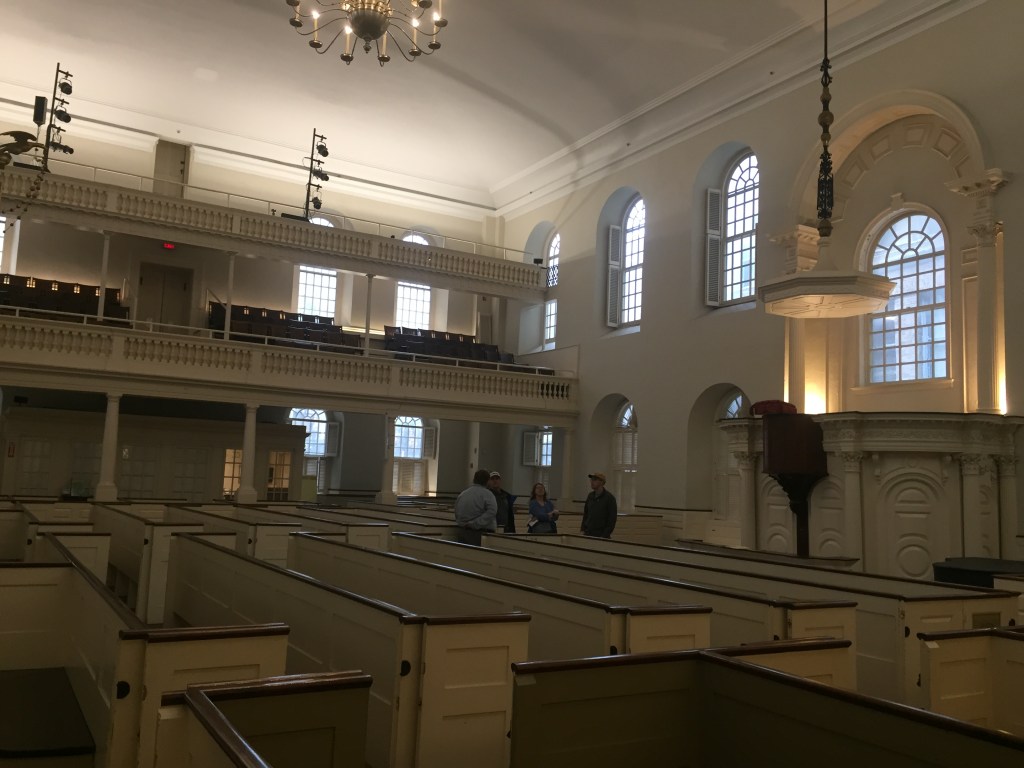
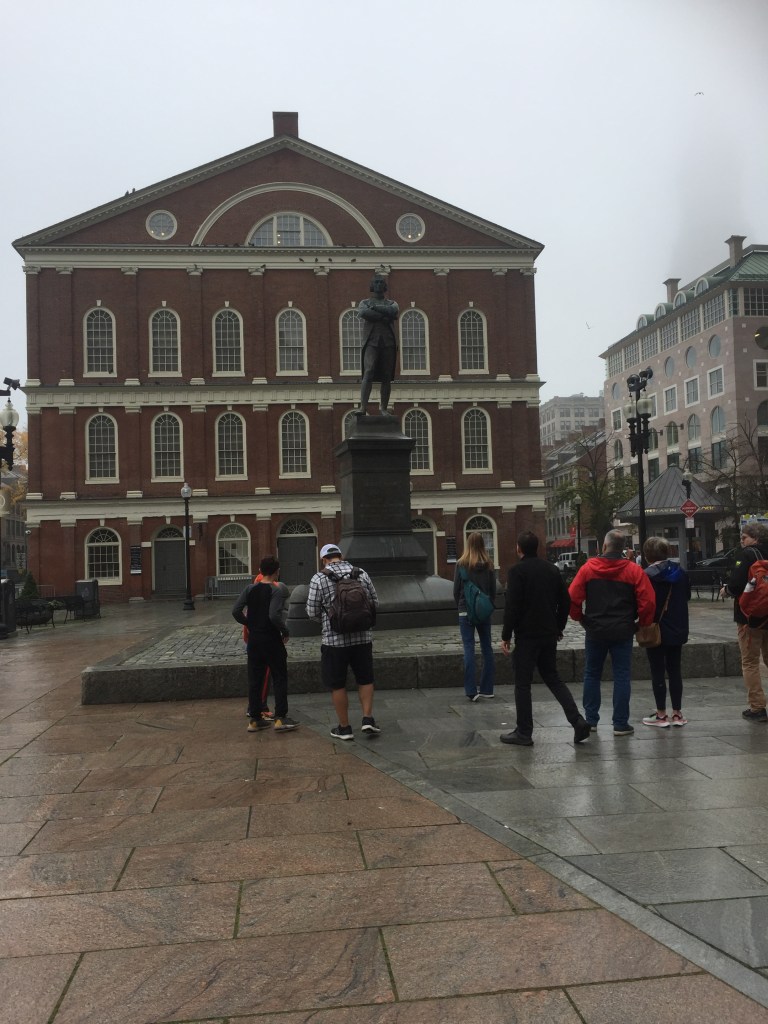
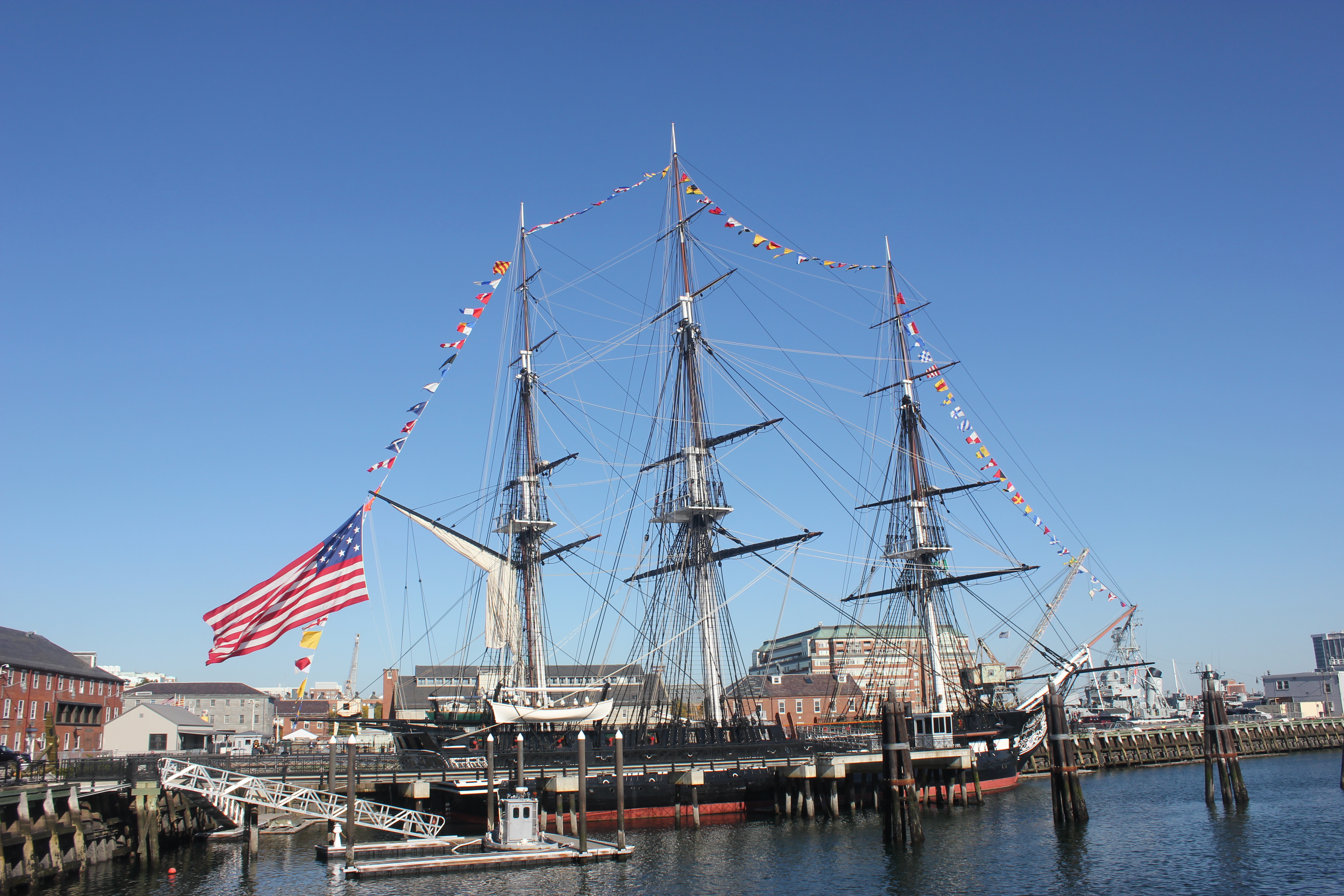
Bostonians would gather in venues such as the Old South Meeting House and Faneuil Hall to debate issues of the day. It was from the Old South Meeting House that in 1773 angry colonists gathered to protest against a tax on tea. Subsequently some pf the protesters marched to Boston Harbor and destroyed 342 chests of imported tea.

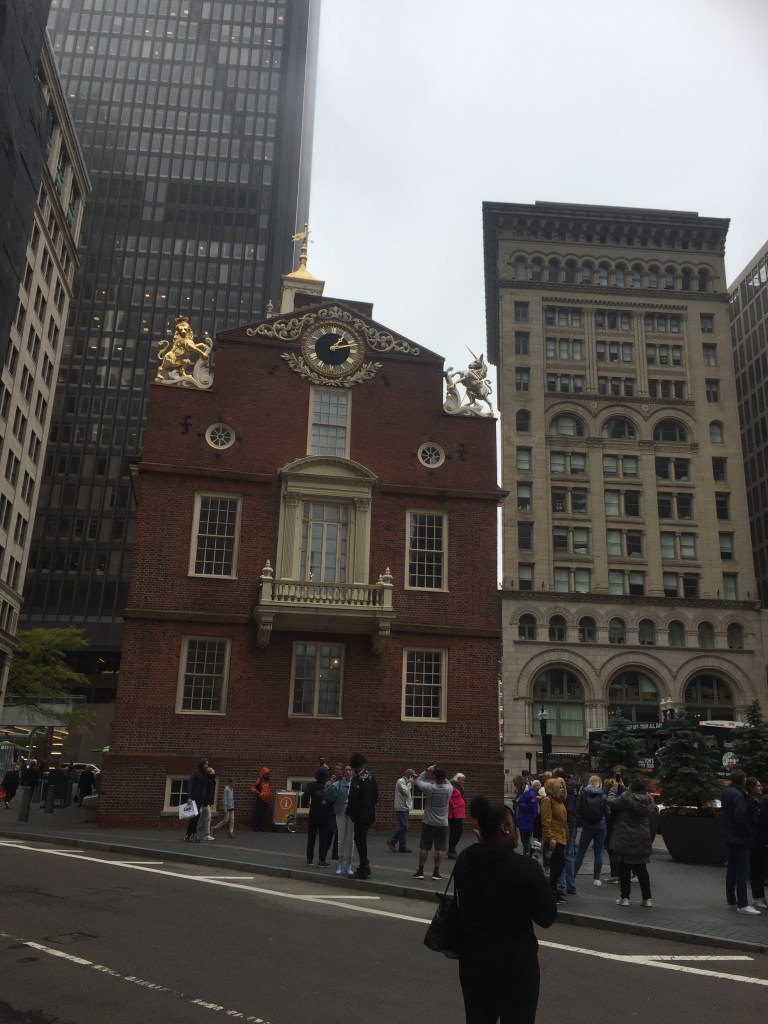
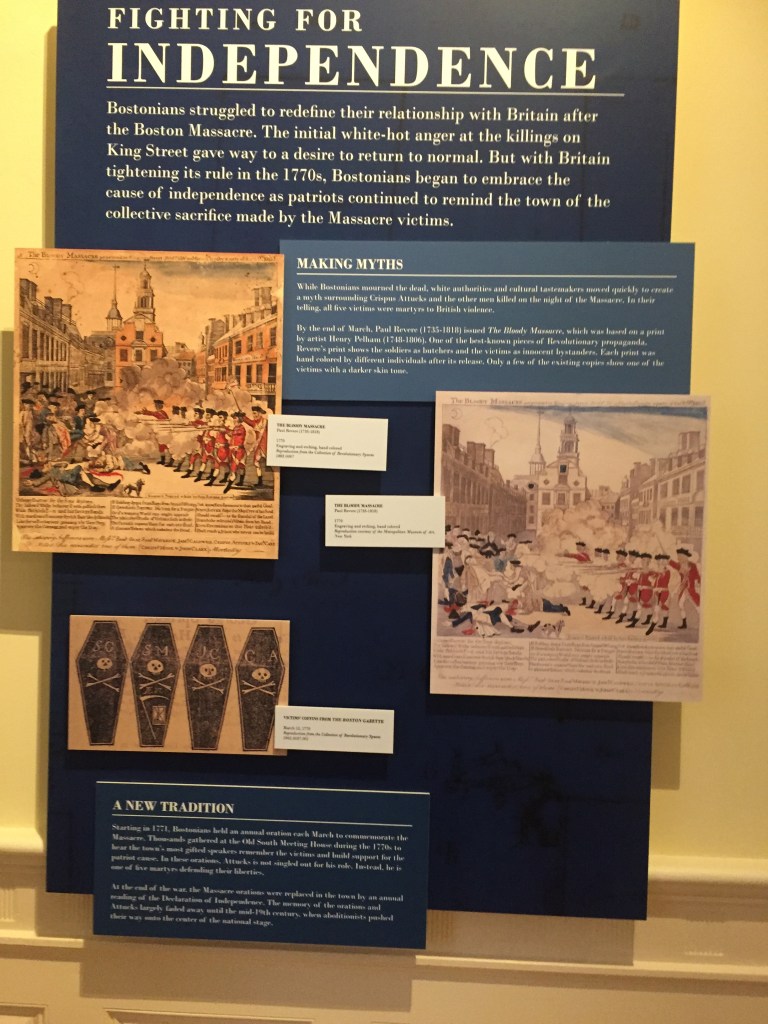
The Old State House was the seat of British colonial government between 1713 and 1776. Close to this building is the site where the Boston Massacre took place. British troops shot dead 5 protesting colonists. The incident provoked support for the fight for independence.

From the balcony of this building the Declaration of Independence was proclaimed to the citizens of Boston on 18th July 1776.

Concord.

Events here turbo charged the birth of the United States

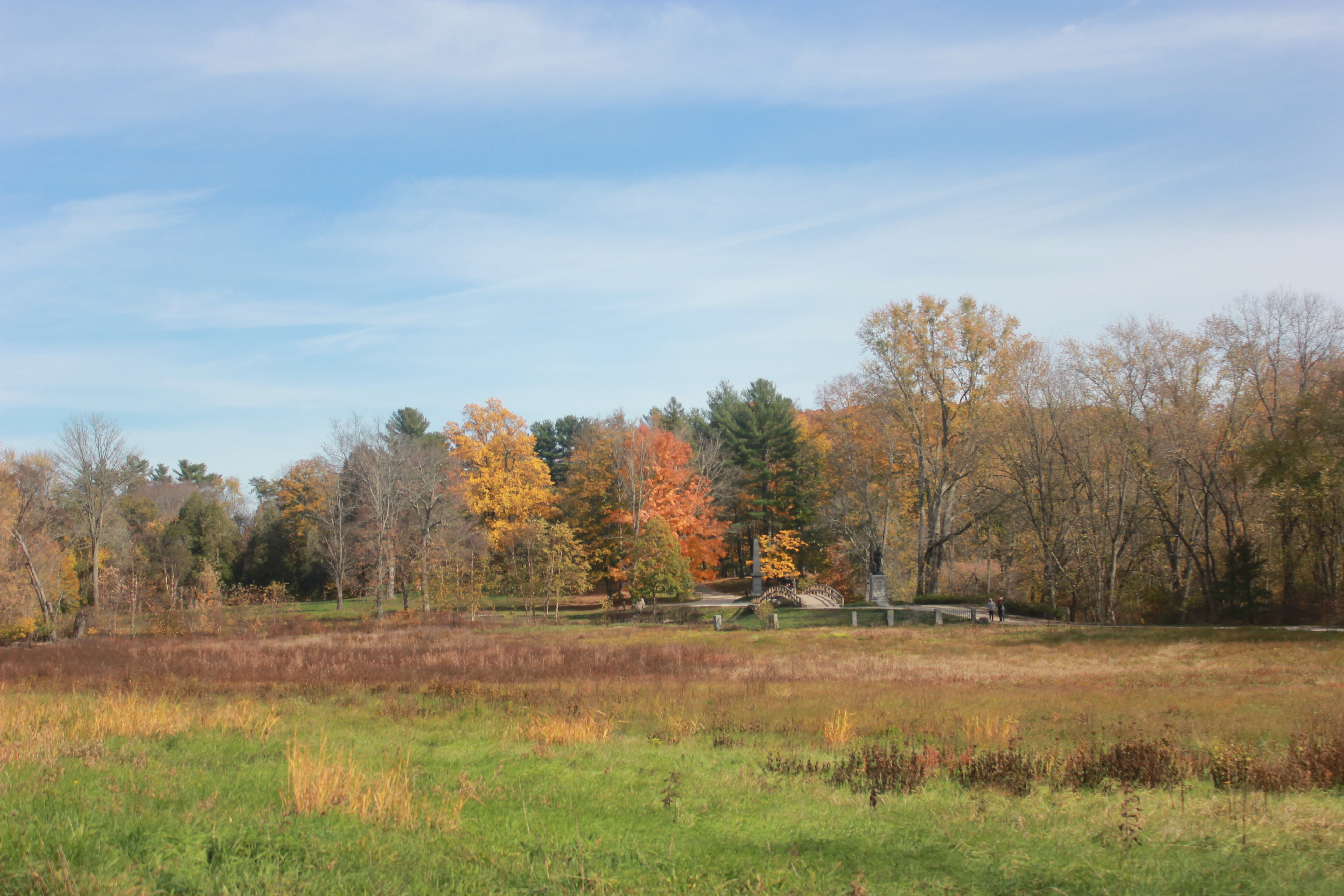
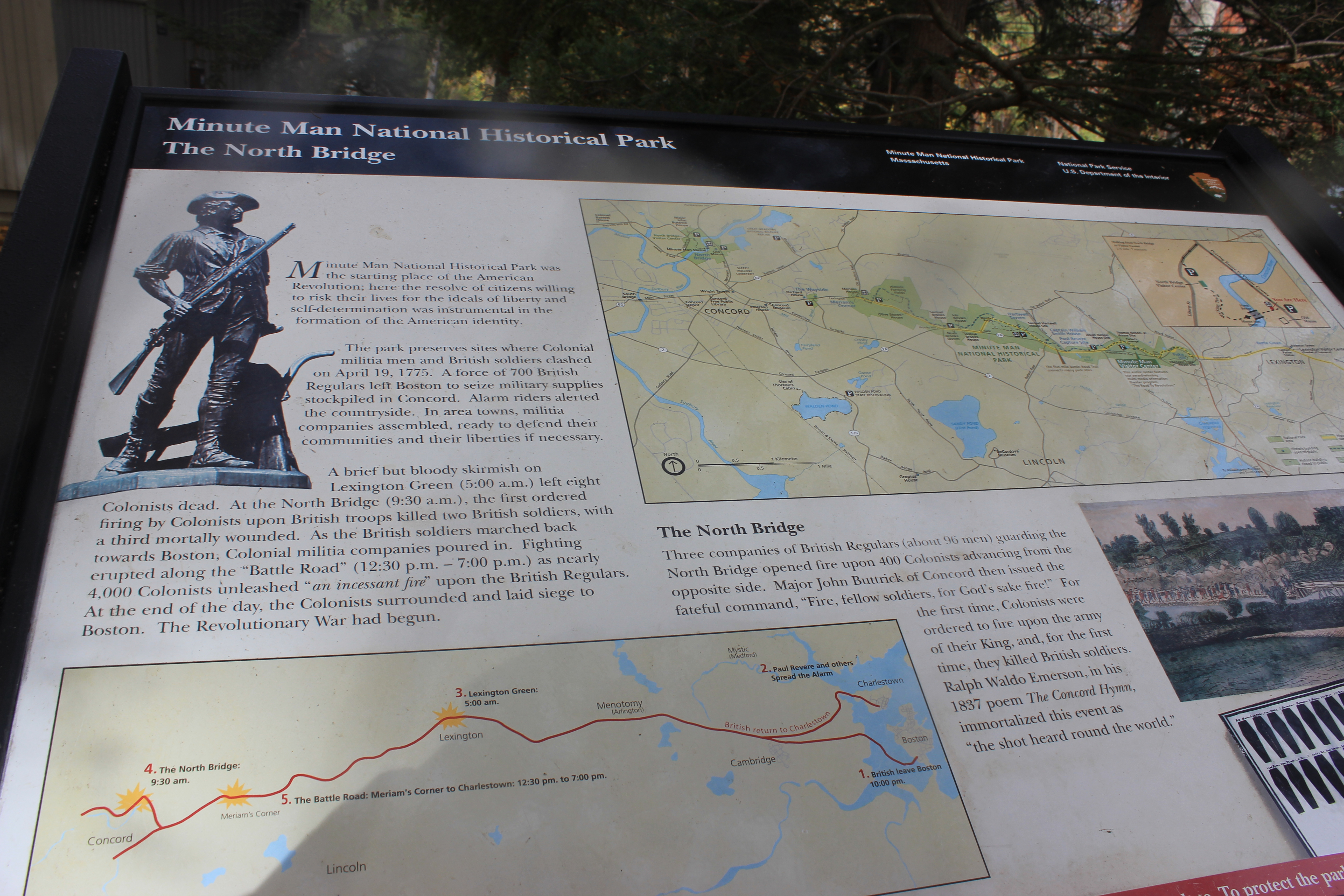
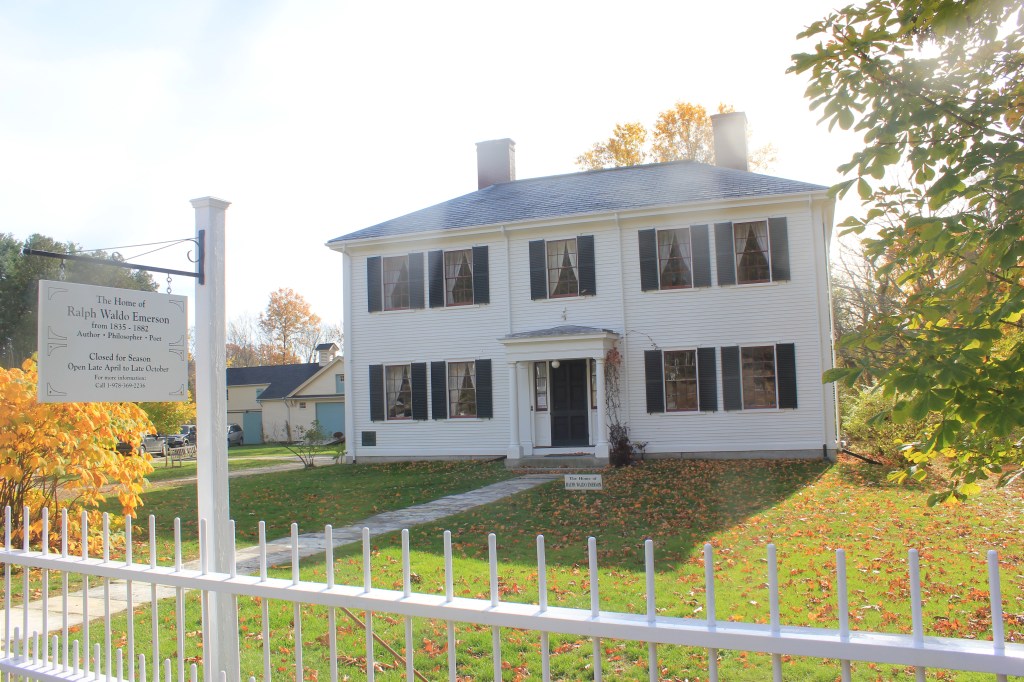
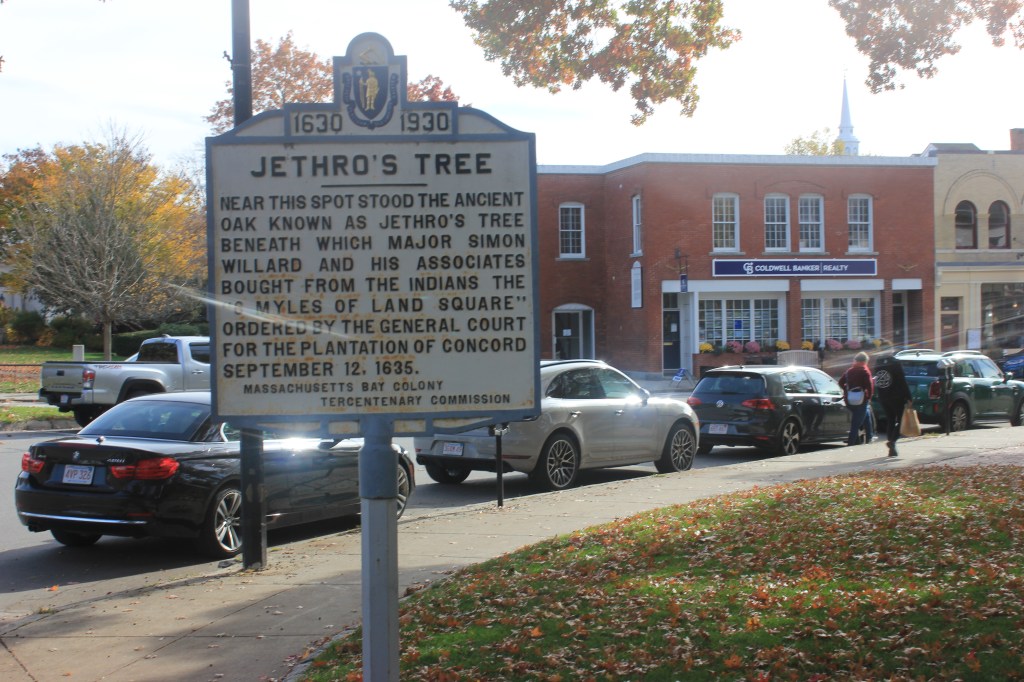
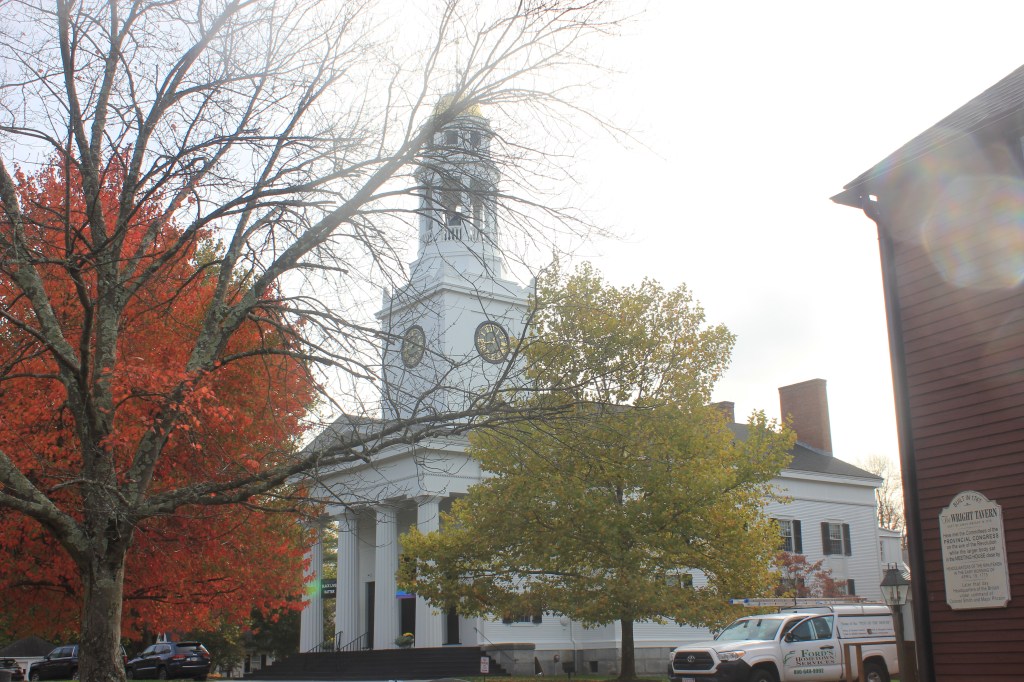
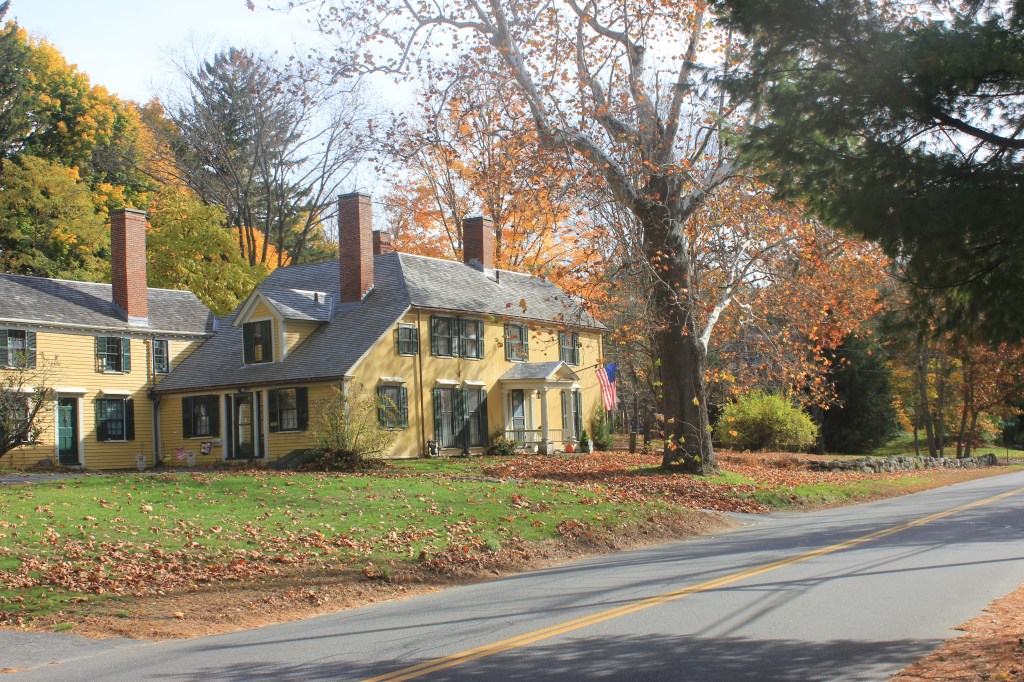
20 miles west of Boston is the town of Concord. Although the town is small, it has had a huge influence on the birth and development of the United States of America.

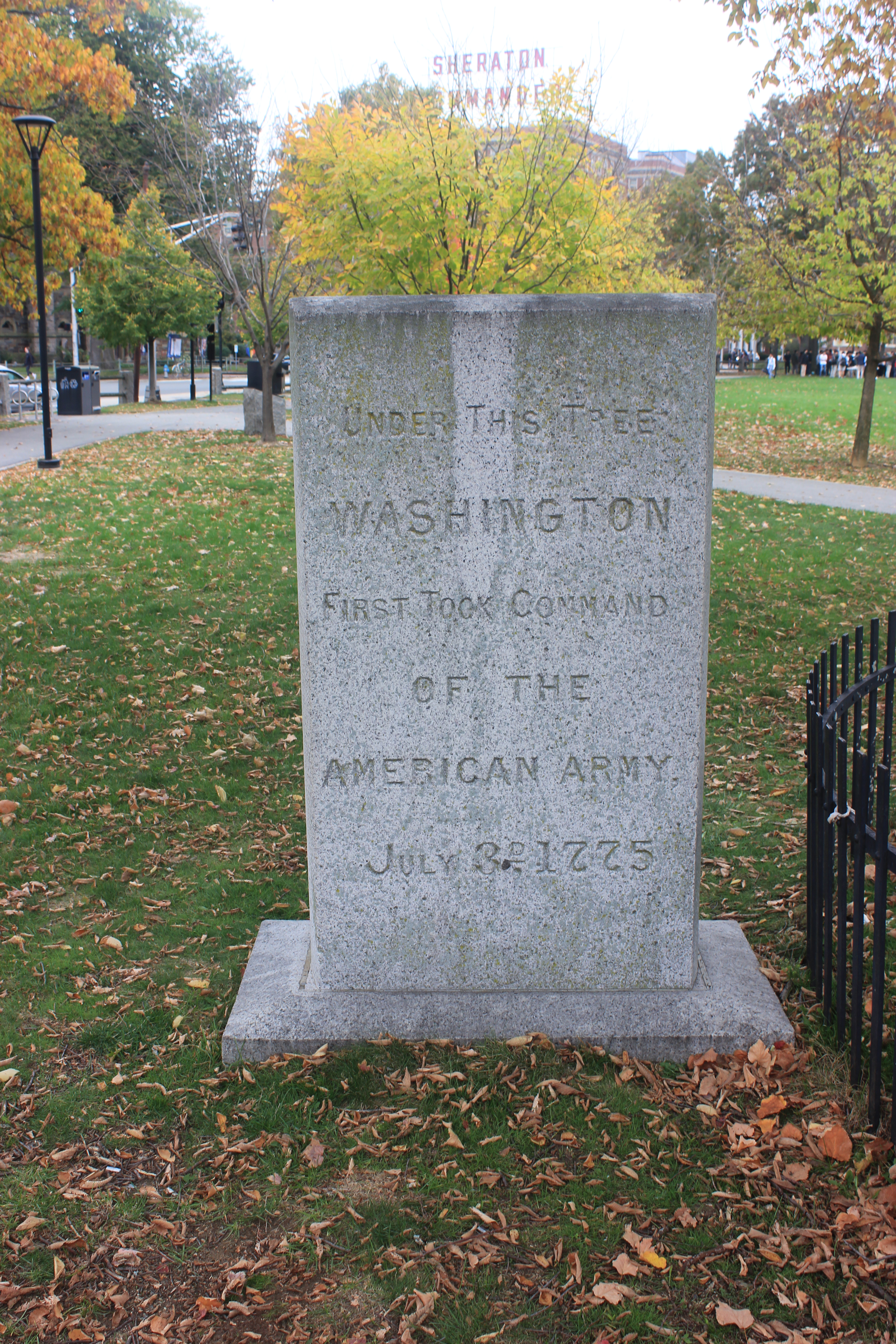
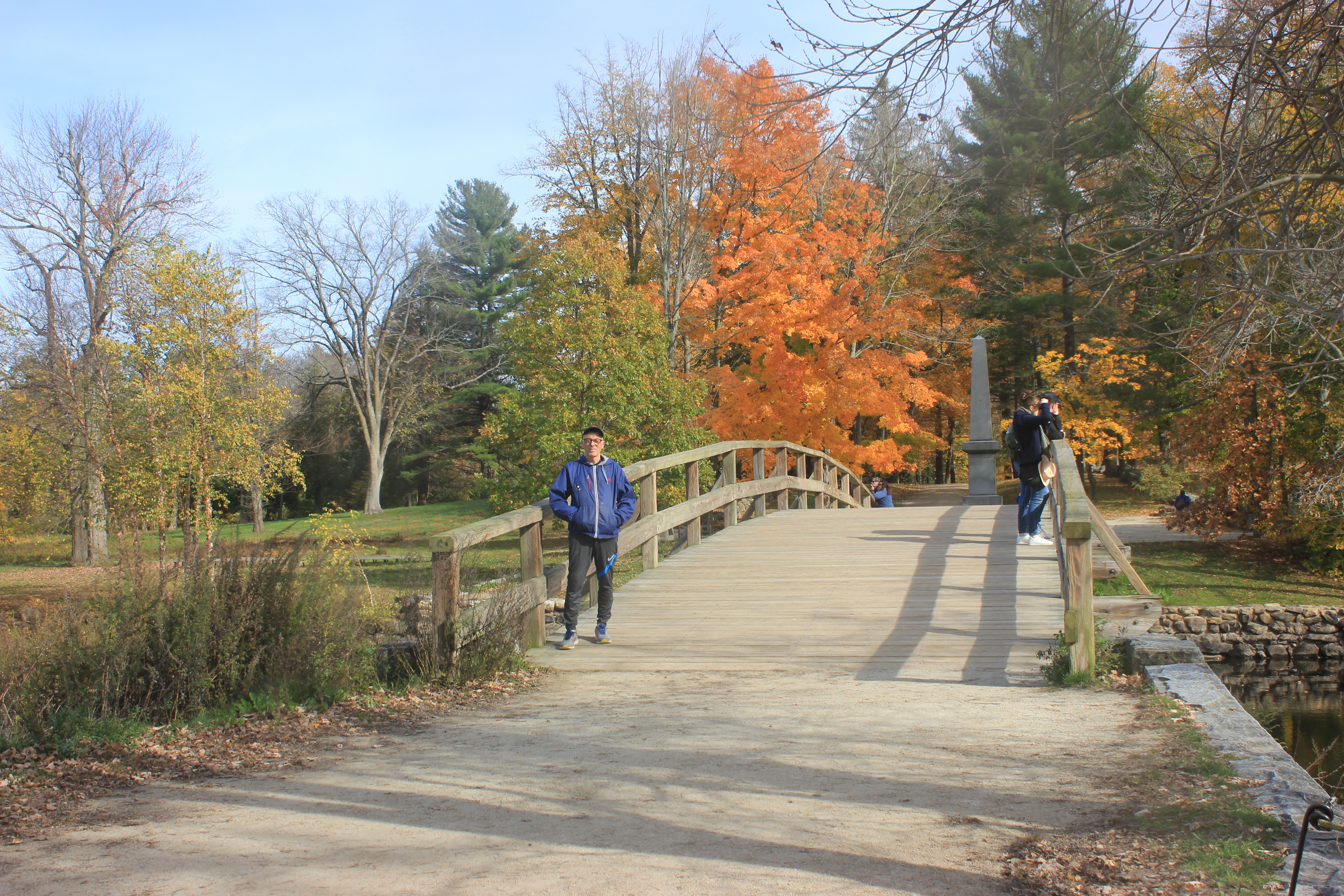
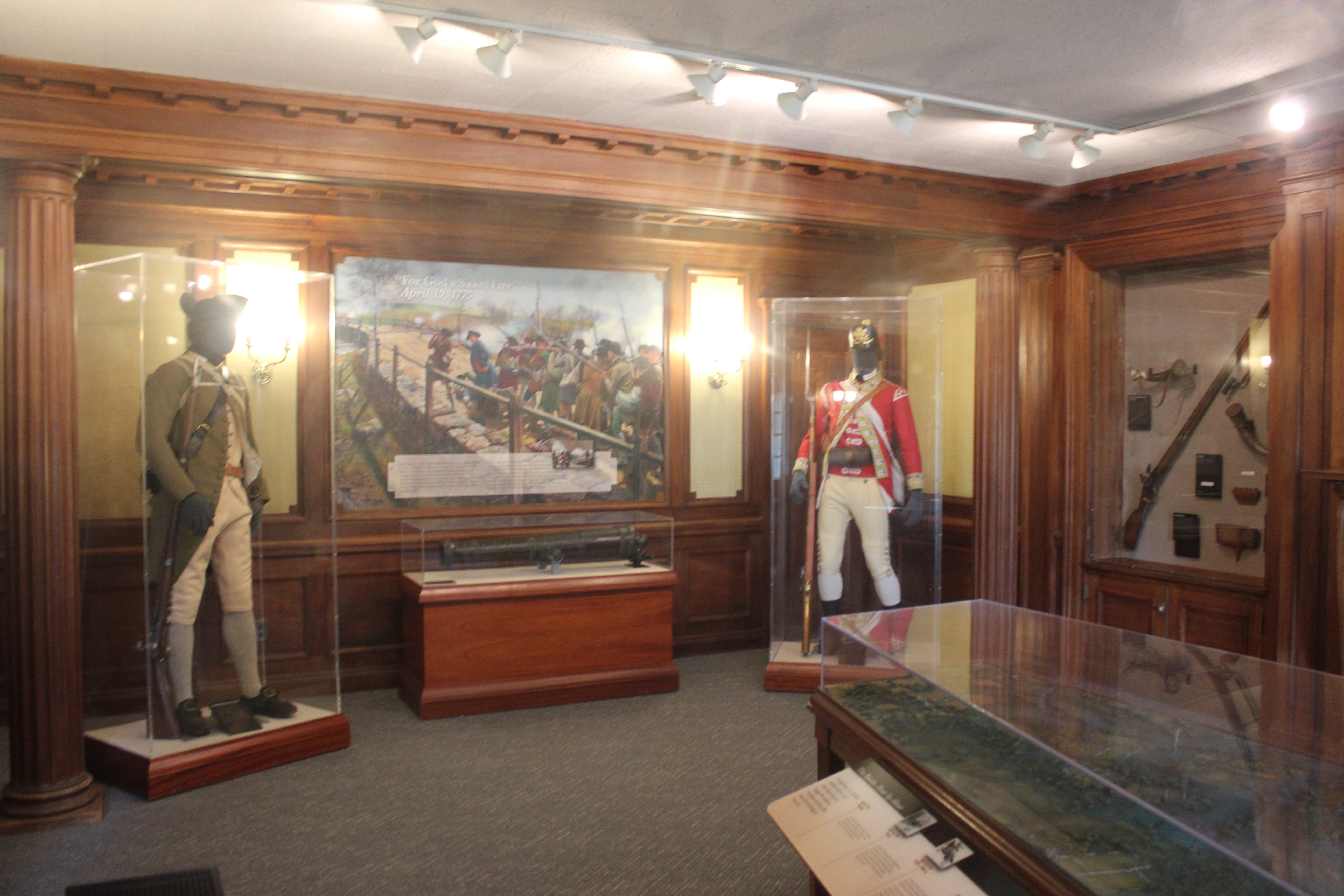
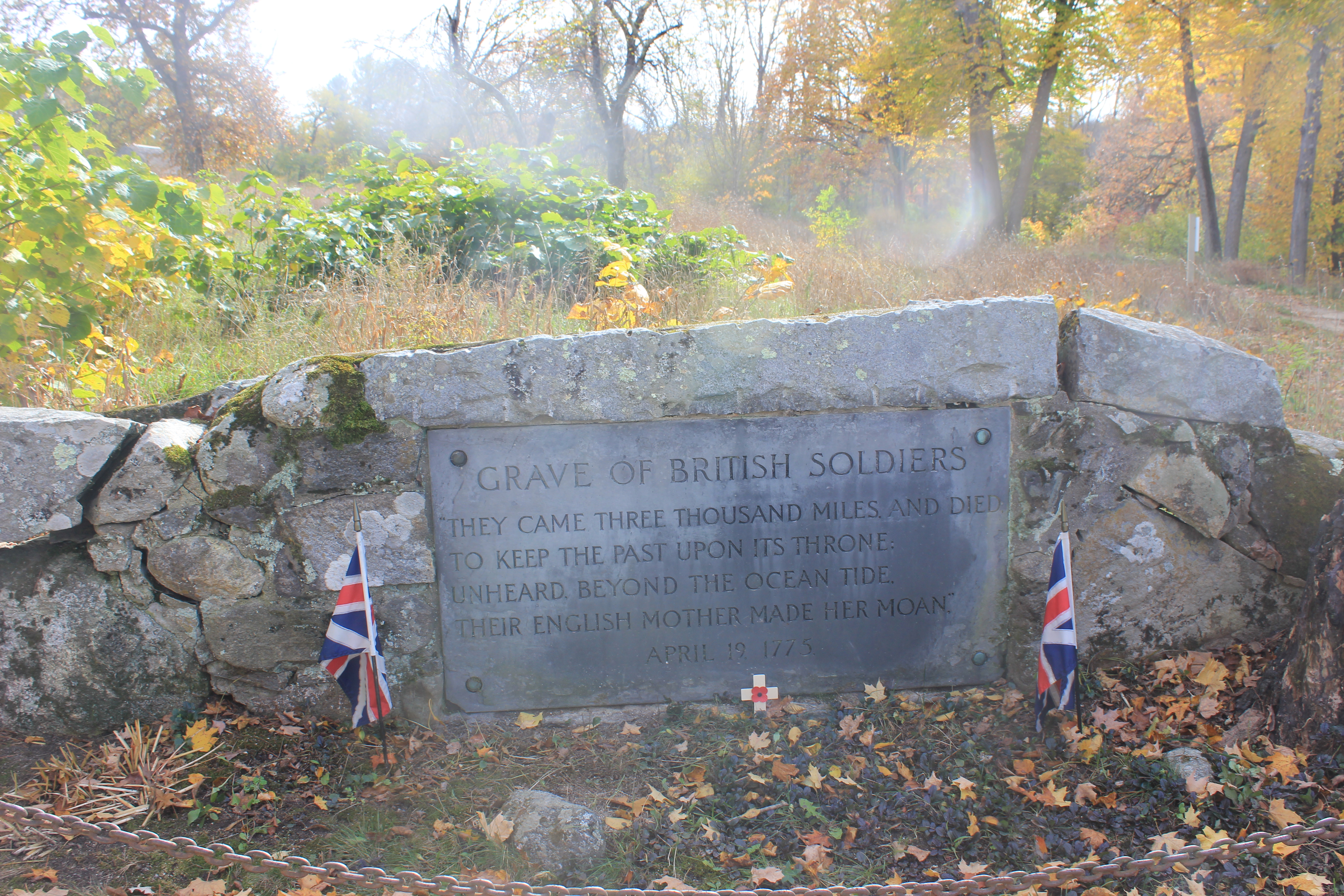
It was here, on 19th April 1775, at North Bridge, that a militia of American citizens known as Minute Men, attacked British soldiers and forced them to retreat. This was the start of the American Revolutionary War.

Later, in more peaceful times, Concord became a hub for writers and artists, including Louisa May Alcott and Ralph Waldo Emerson.

JFK.

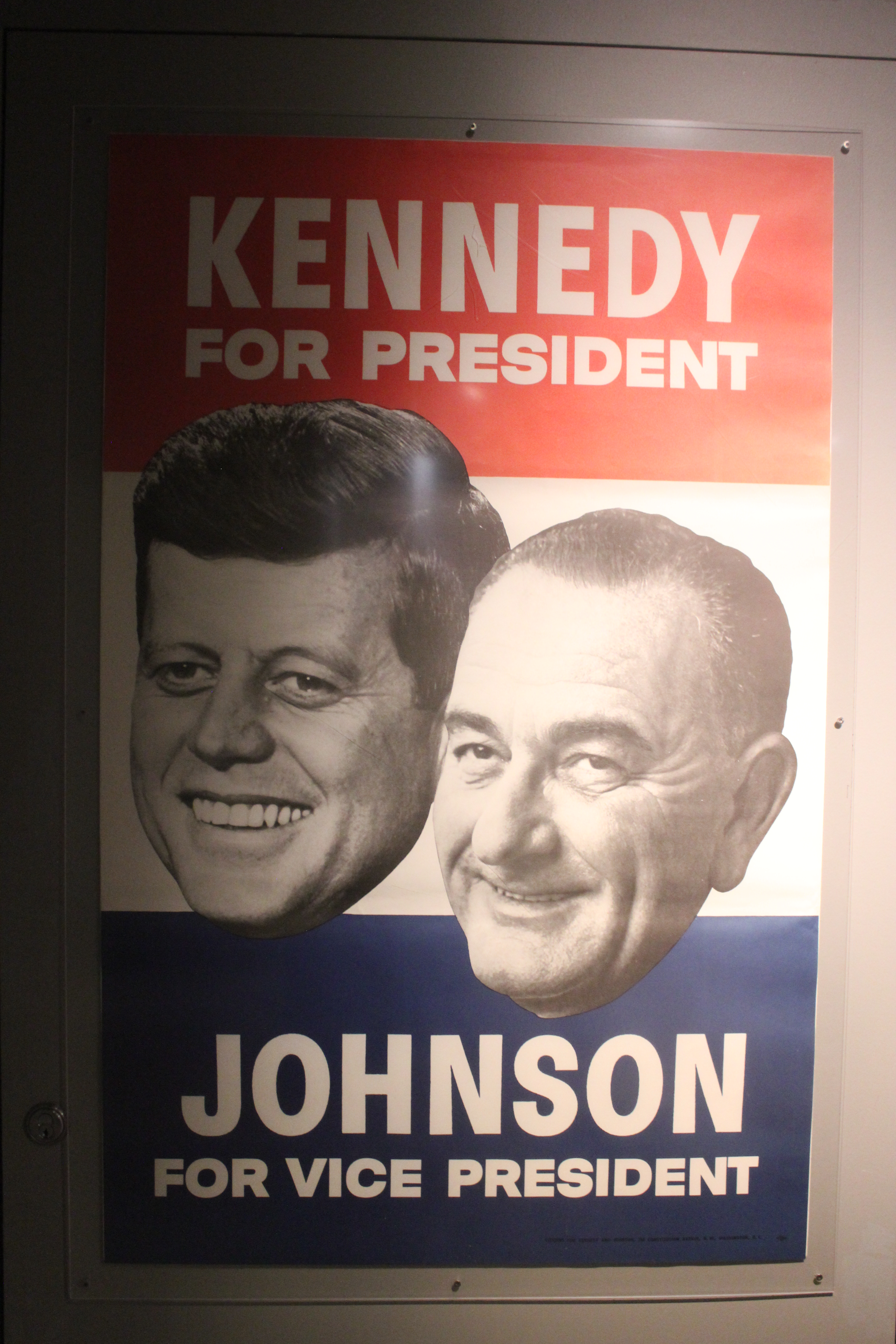
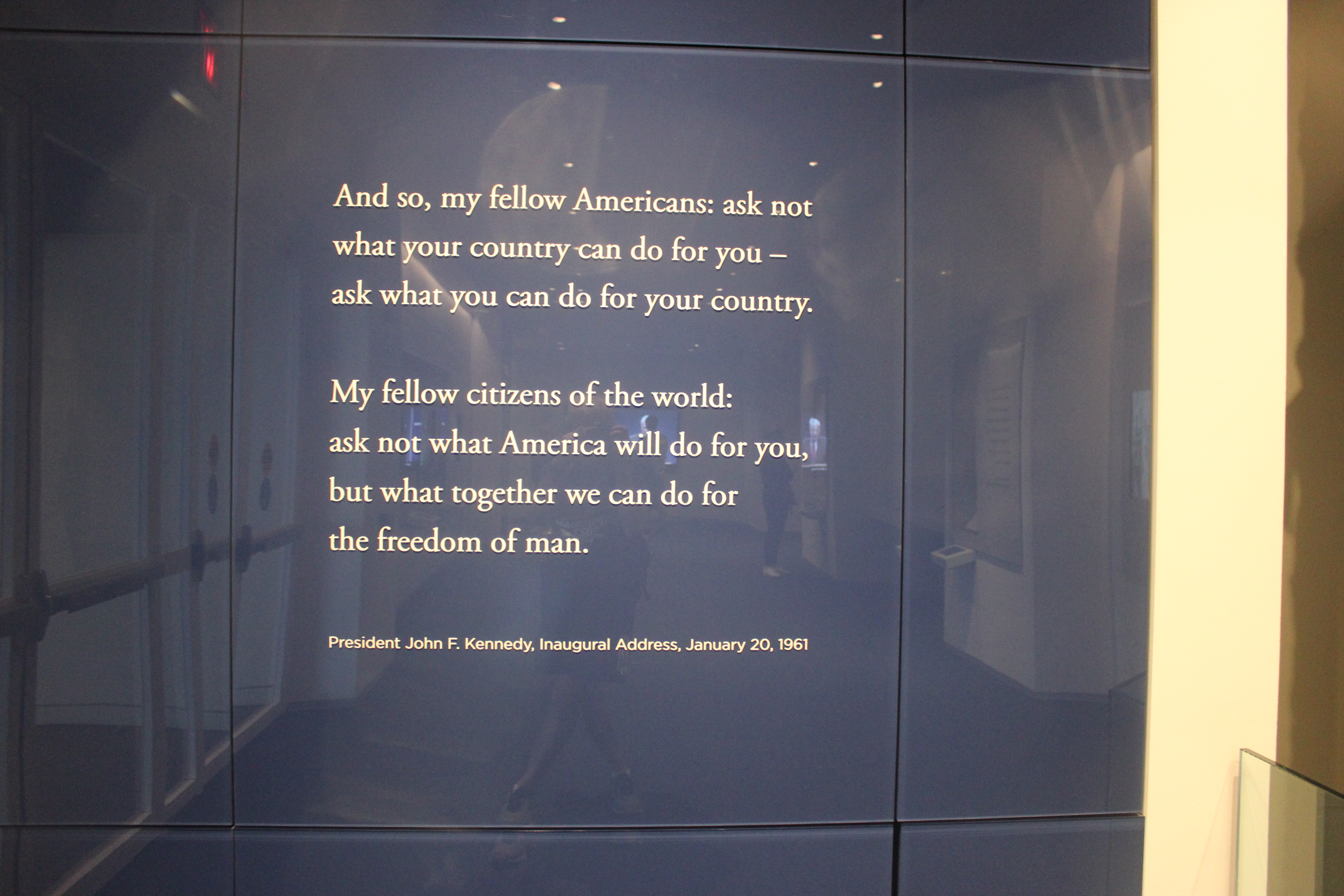
Perhaps the most famous of all citizens of Boston is John F. Kennedy, who was president of the United States for 1000 days, between January 1961 and November 1963.

Even as a young child I was very aware of President Kennedy. Wherever he went and whatever he said or did, was global news. Of course, like many others, I remember feeling the shock when I heard the news that he had lost his life.

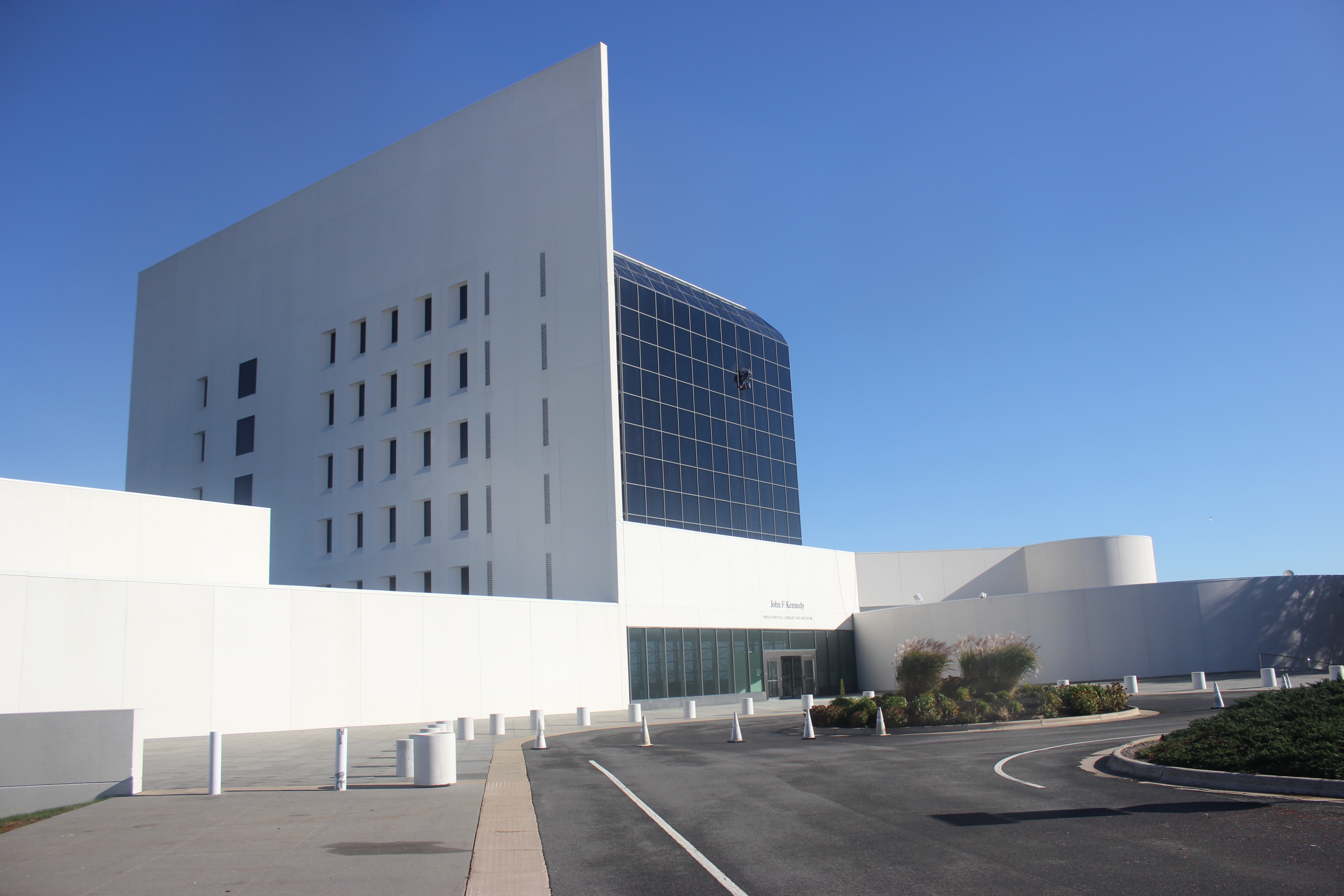
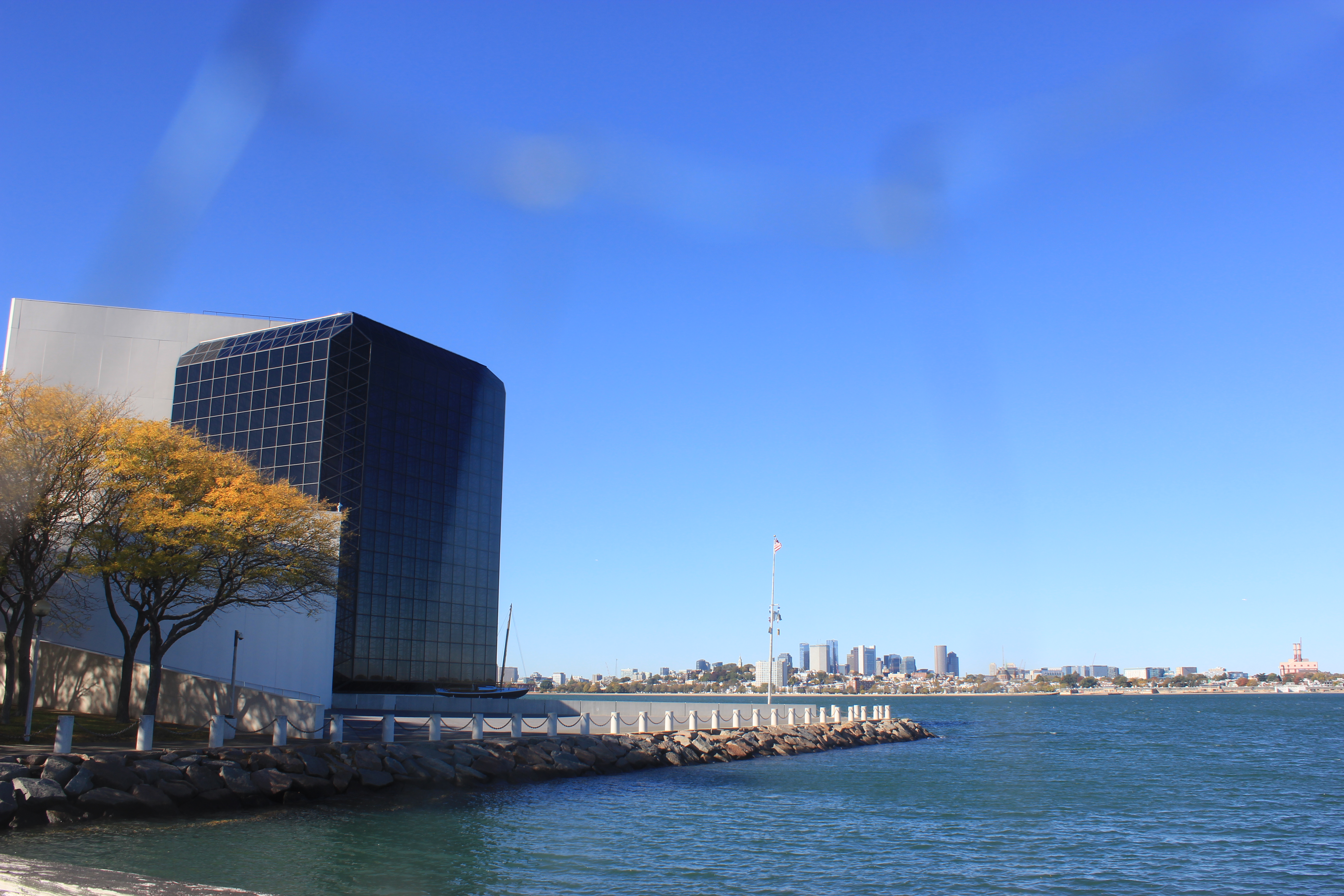
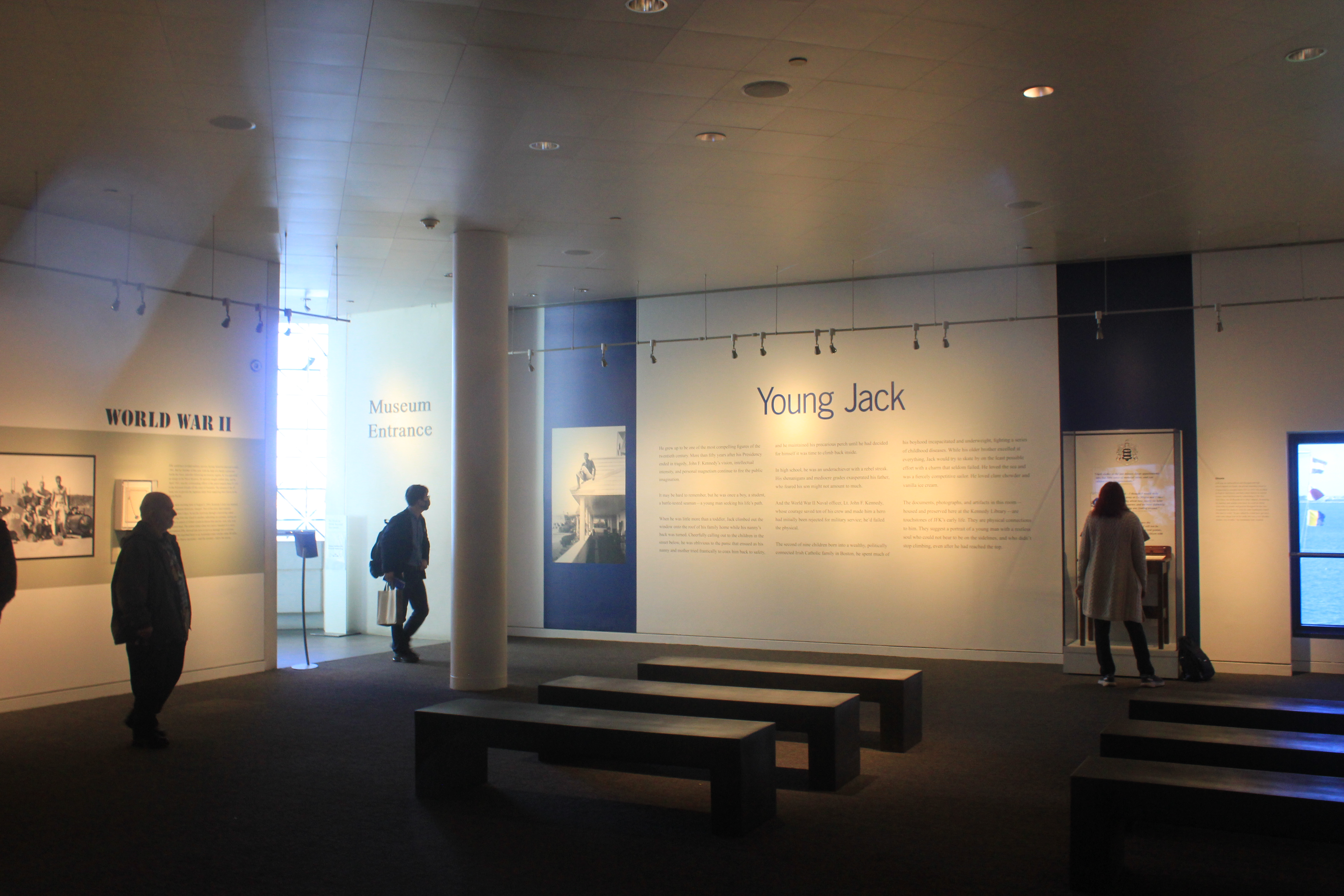
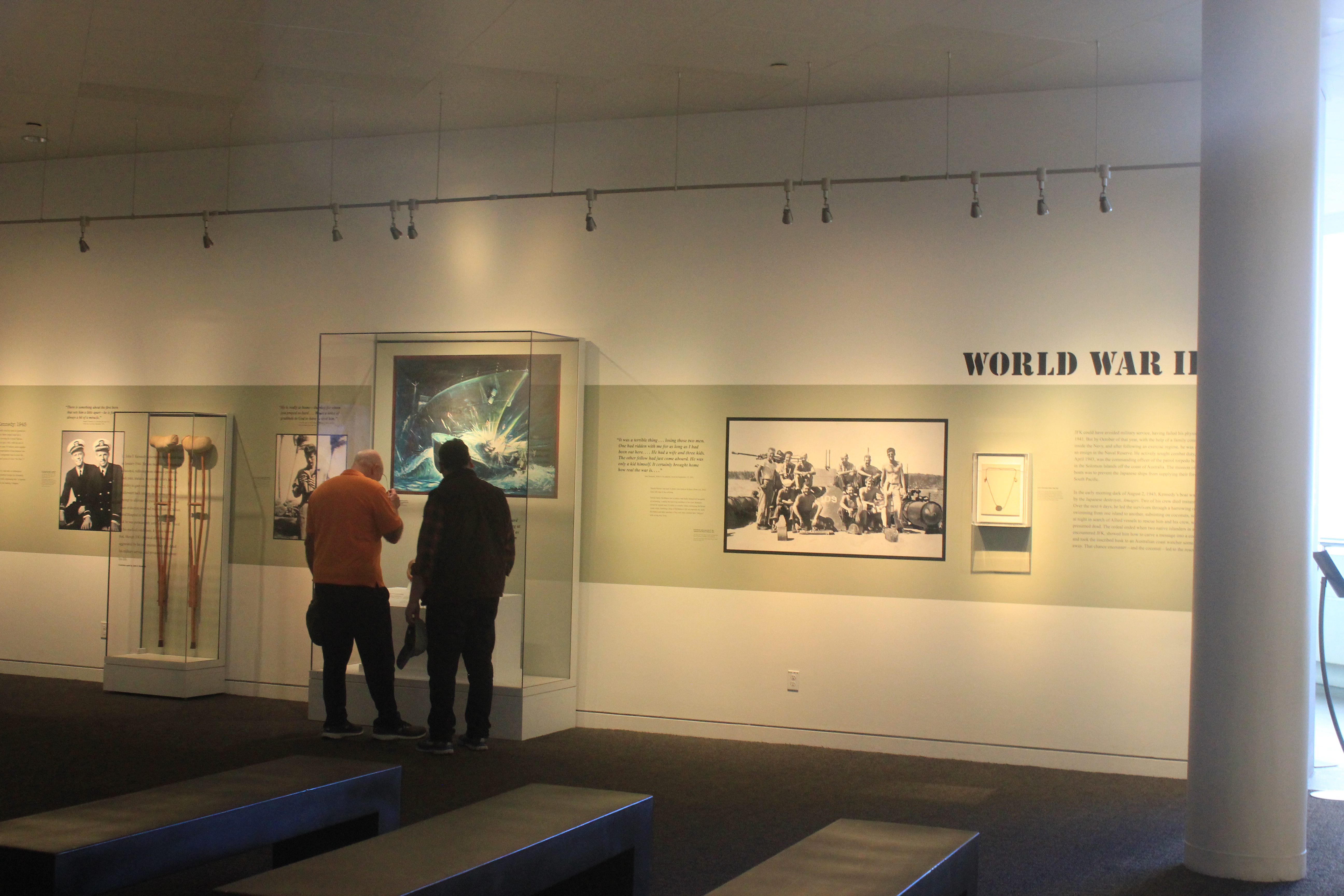
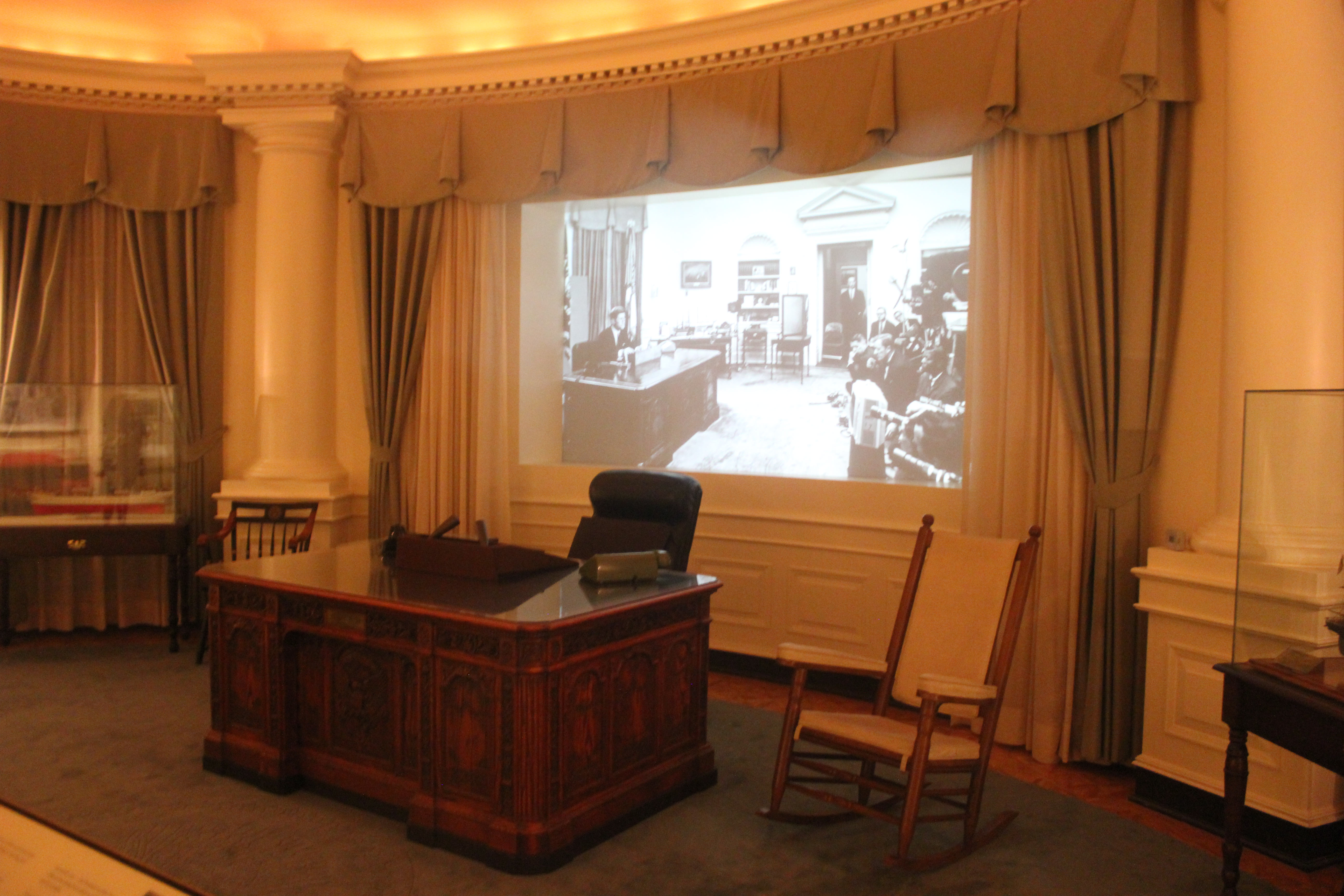
The John F. Kennedy Library and Museum is situated at Columbia Point, Dorchester, just a few miles south of downtown Boston. The museum charts the life of the president from his childhood and student days, through his career in the U.S. Navy and then his service as a senator and president.
The museum uses lots of film and video footage, as well as the president’s own words, to tell the story of turbulent times including the Cuban missile crisis, the campaign for civil rights, the space program and the 1960 election.
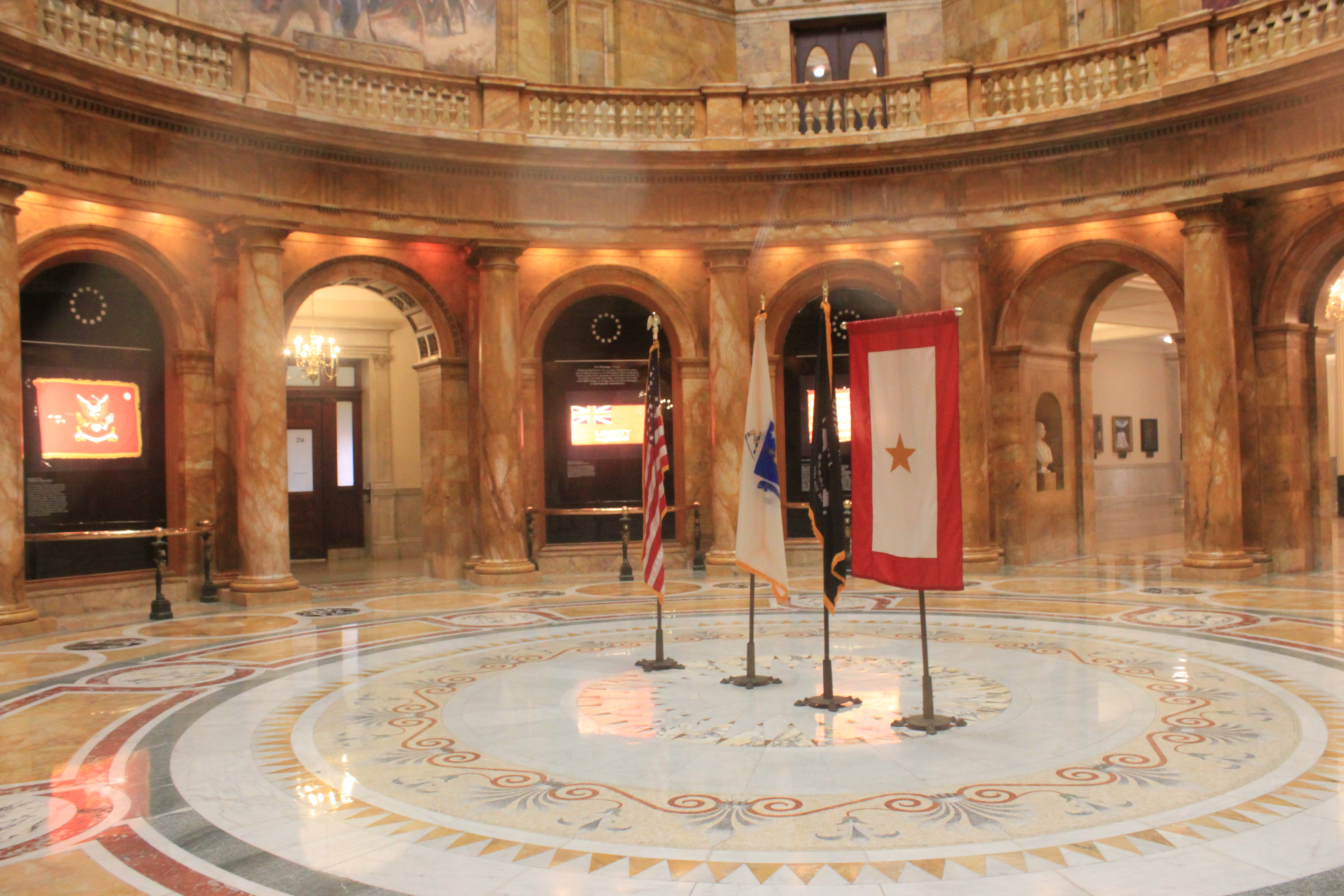
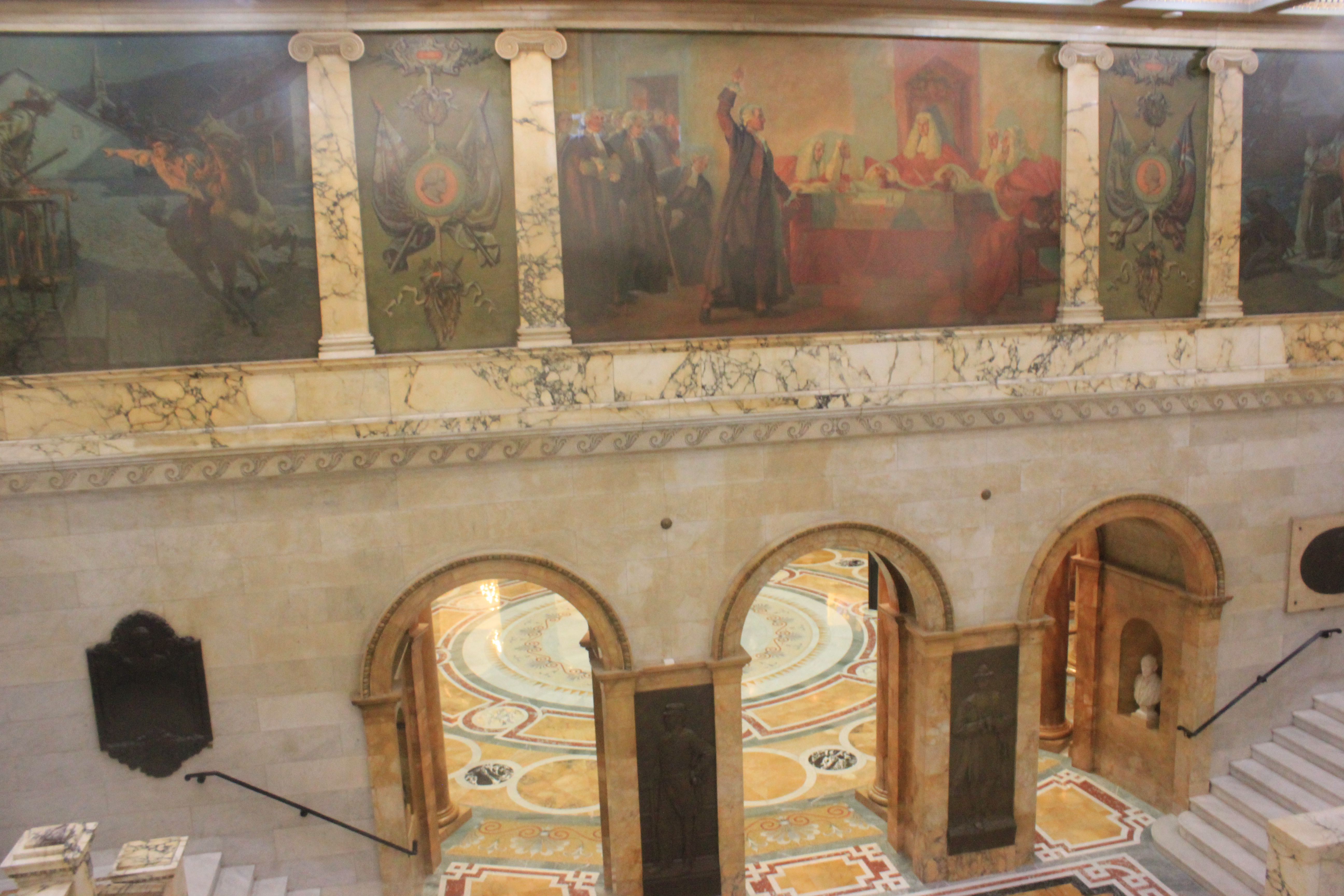
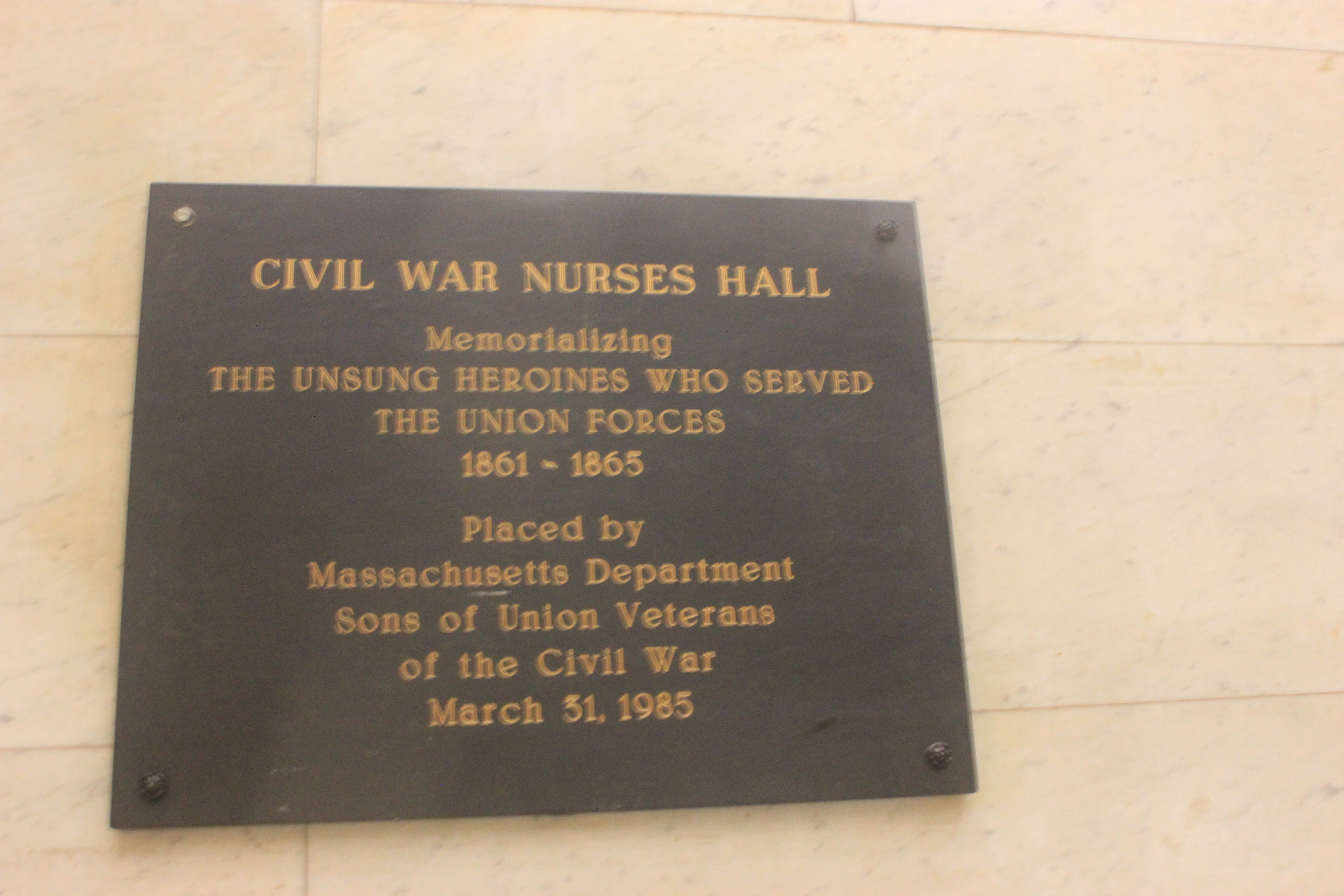
Massachusetts State House.
The home to modern democracy.

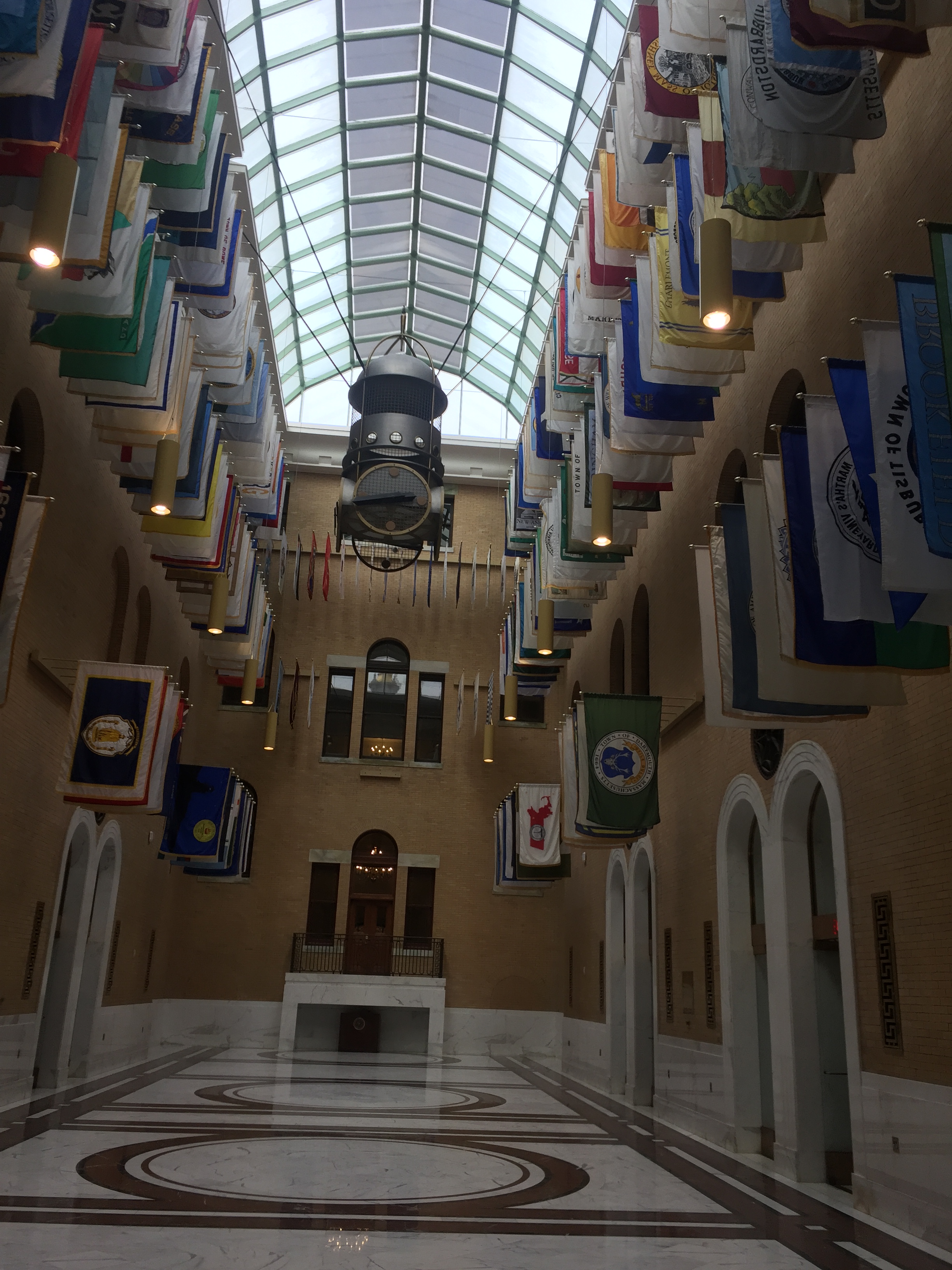
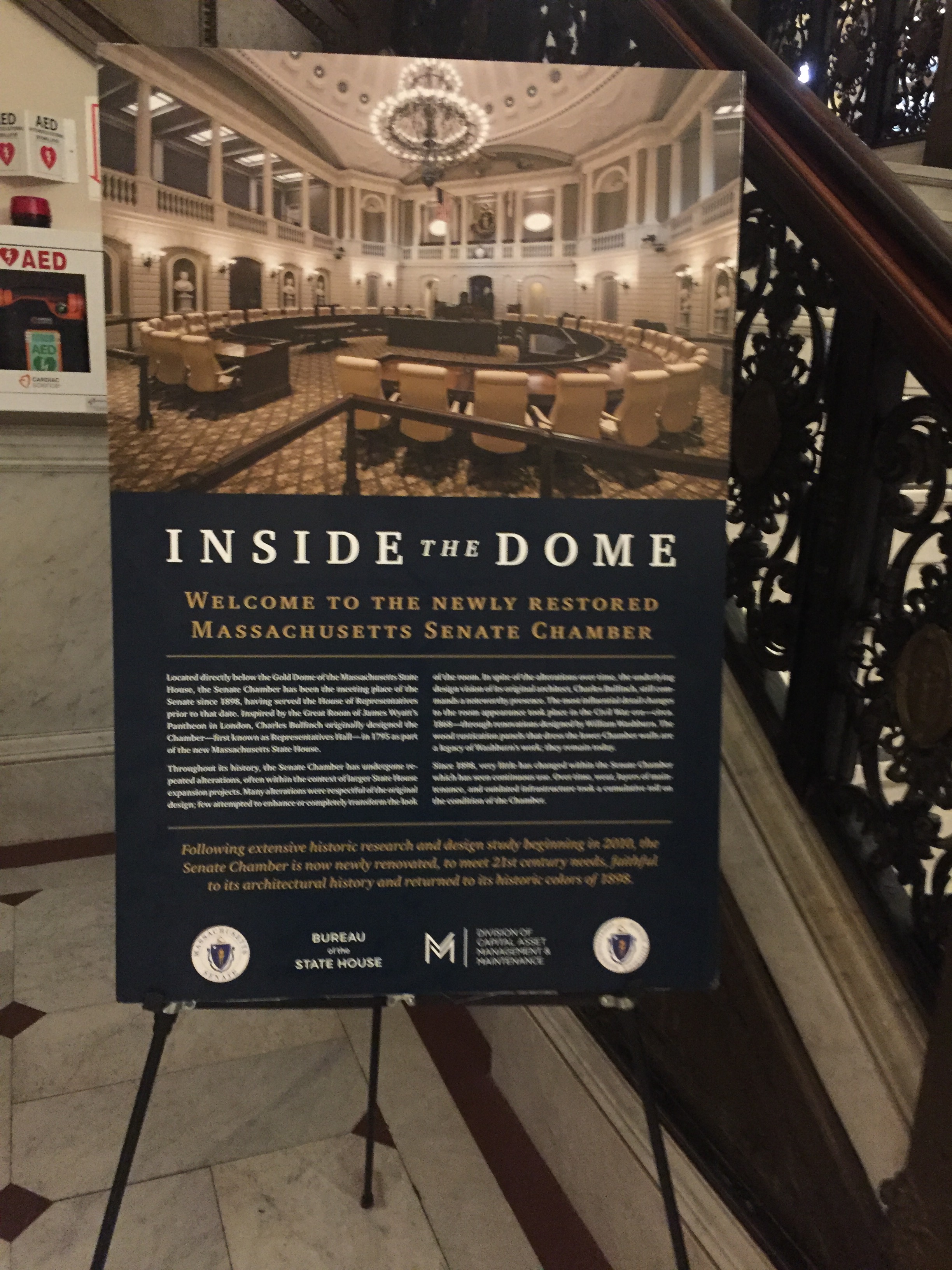
Situated on Beacon Hill, and with its 23-carat gold dome, you cannot ignore this building.

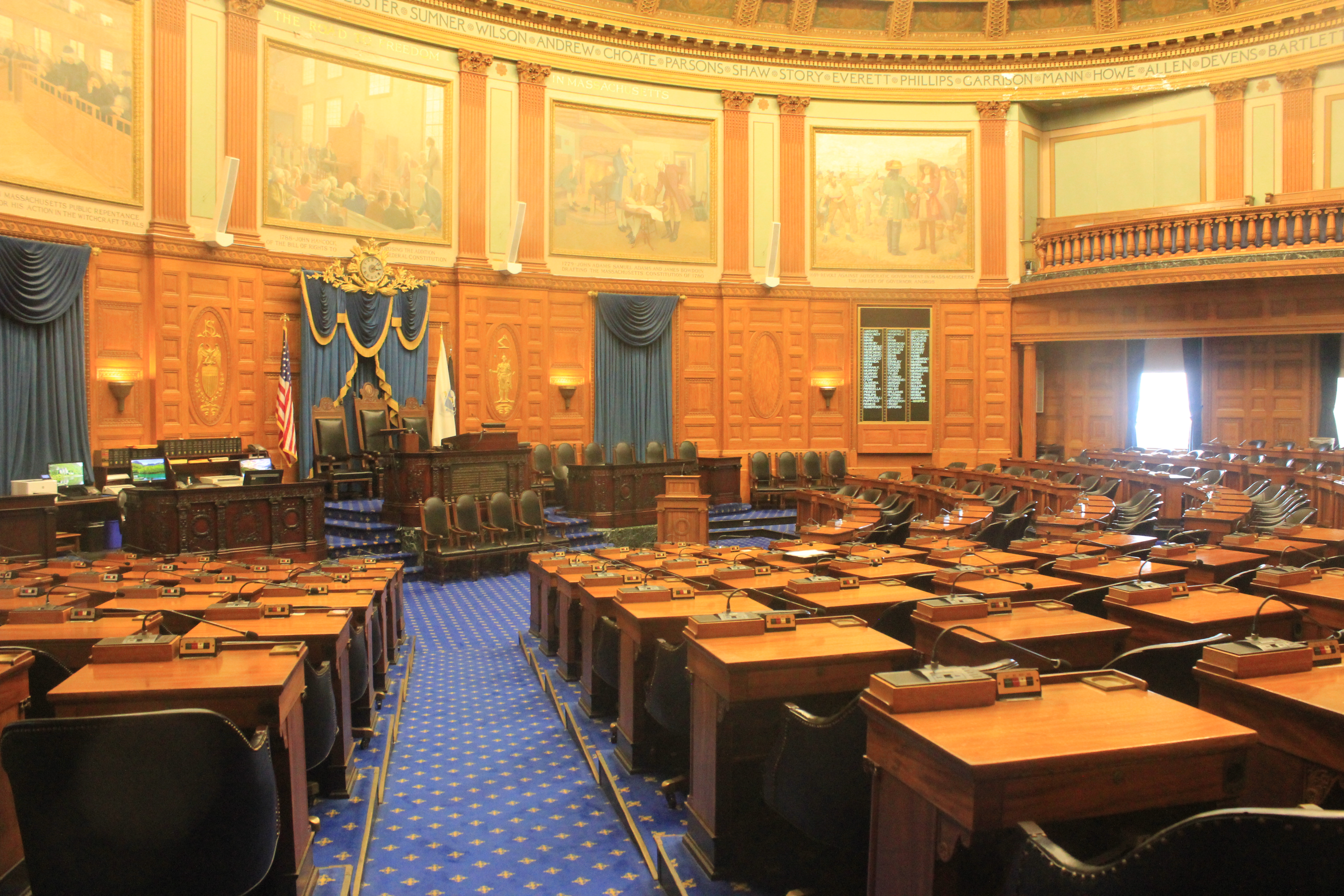
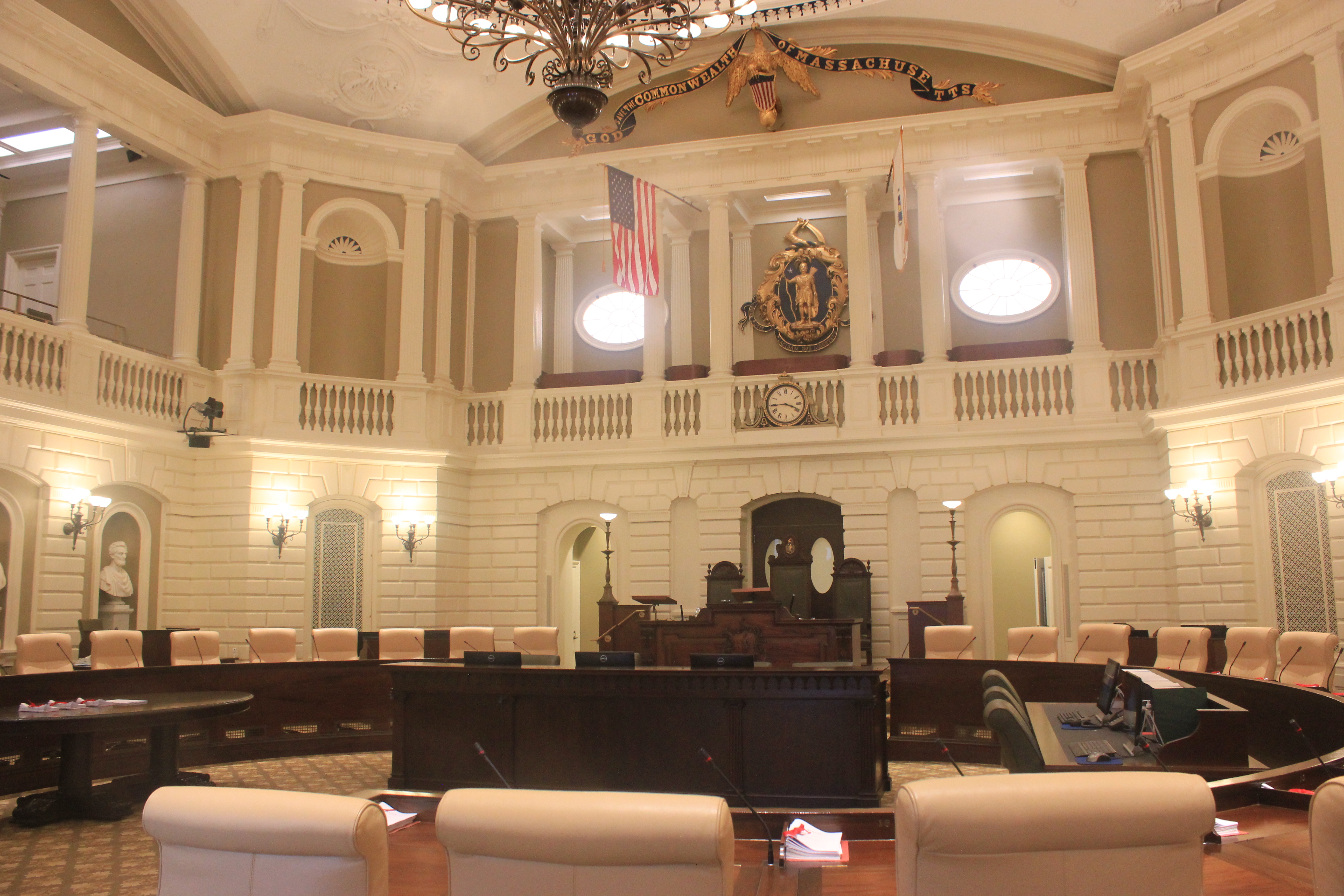
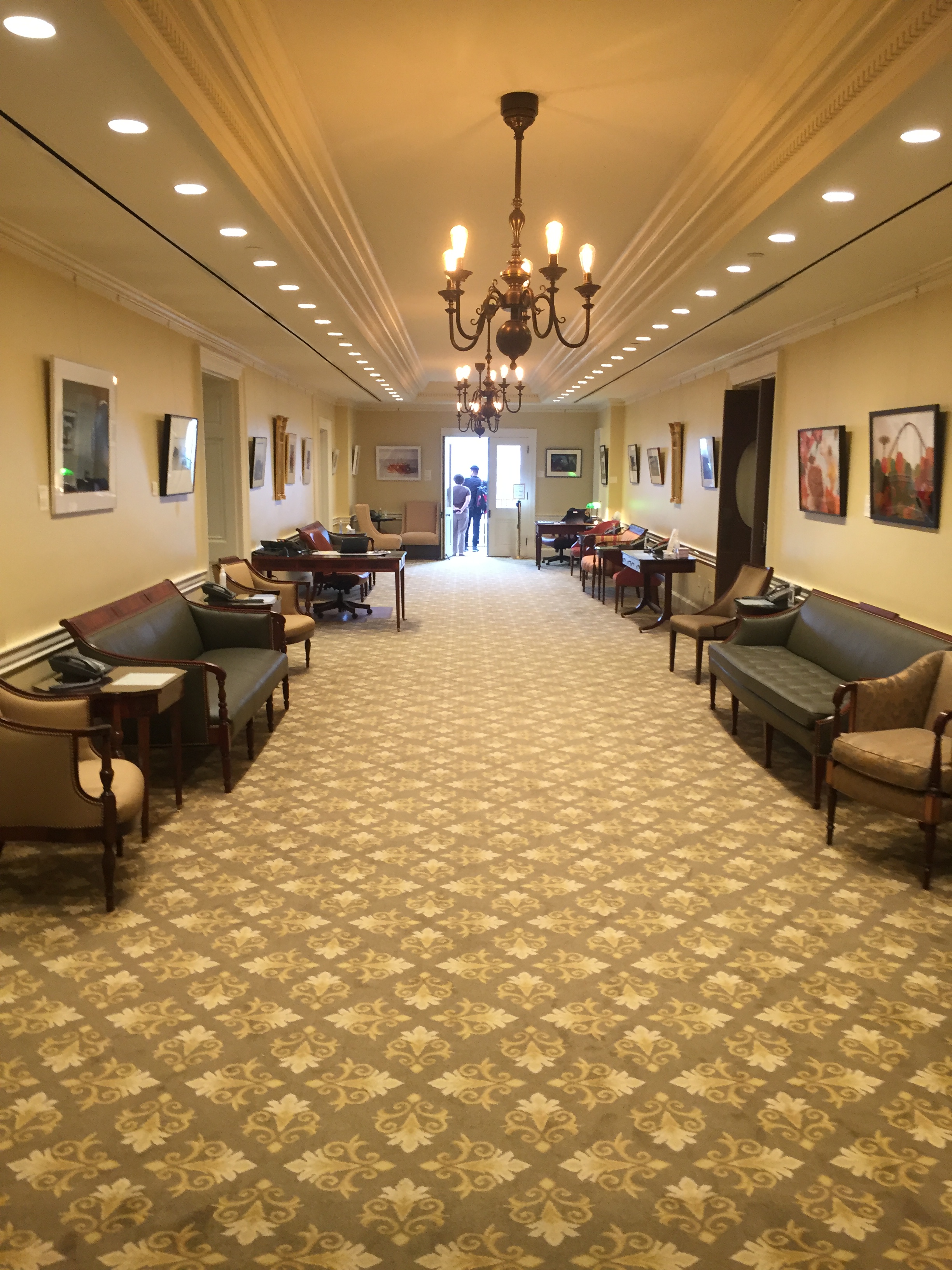
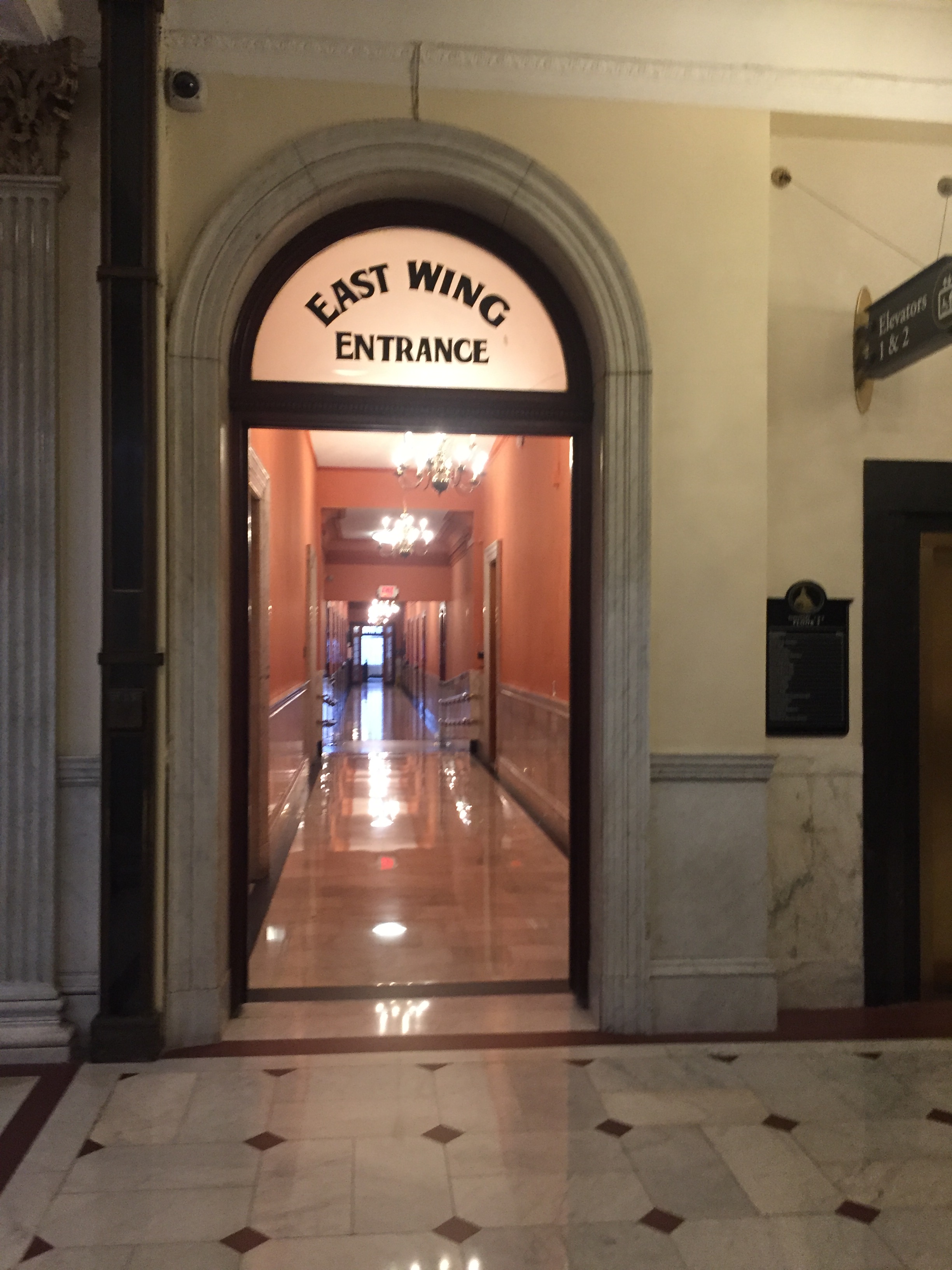
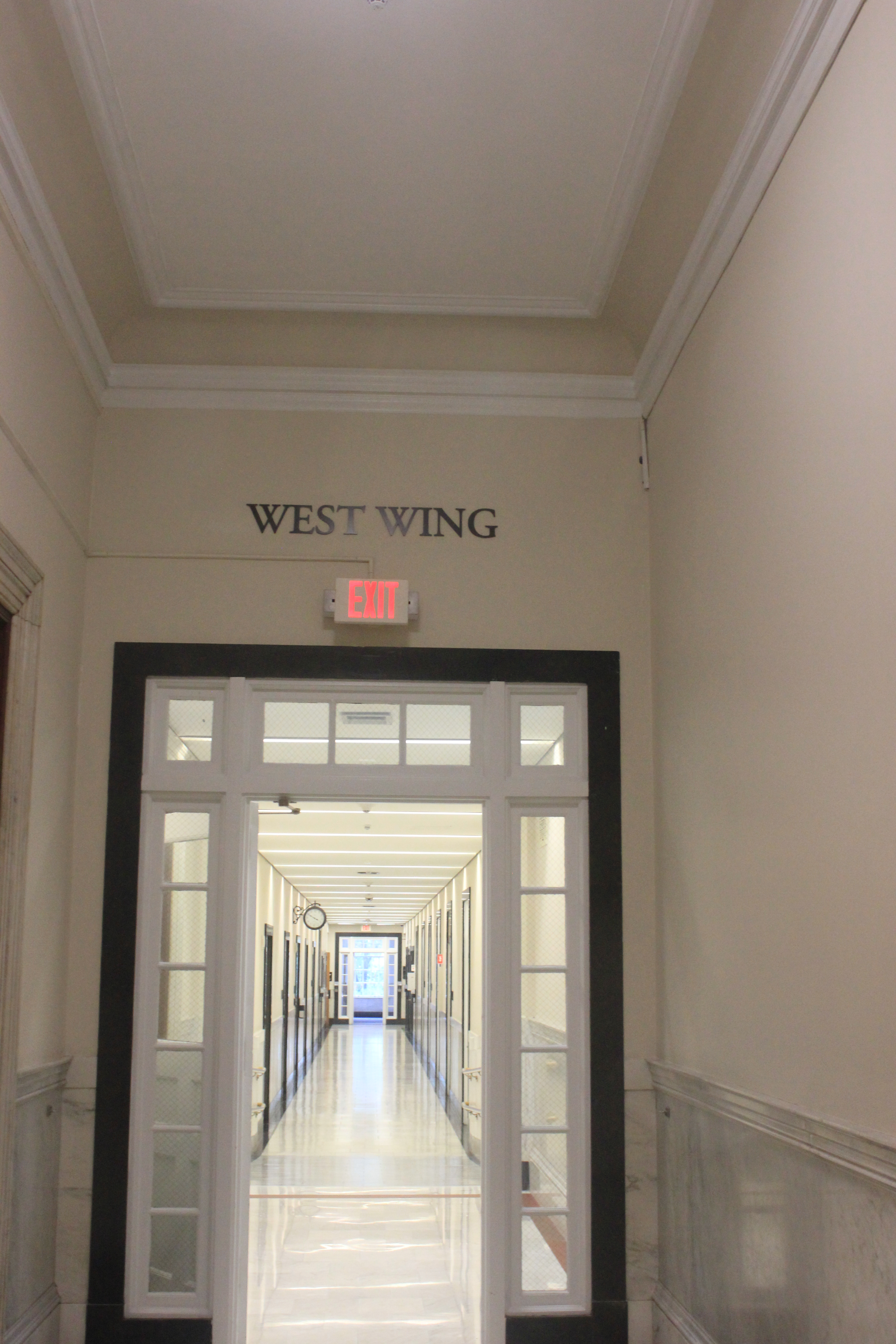
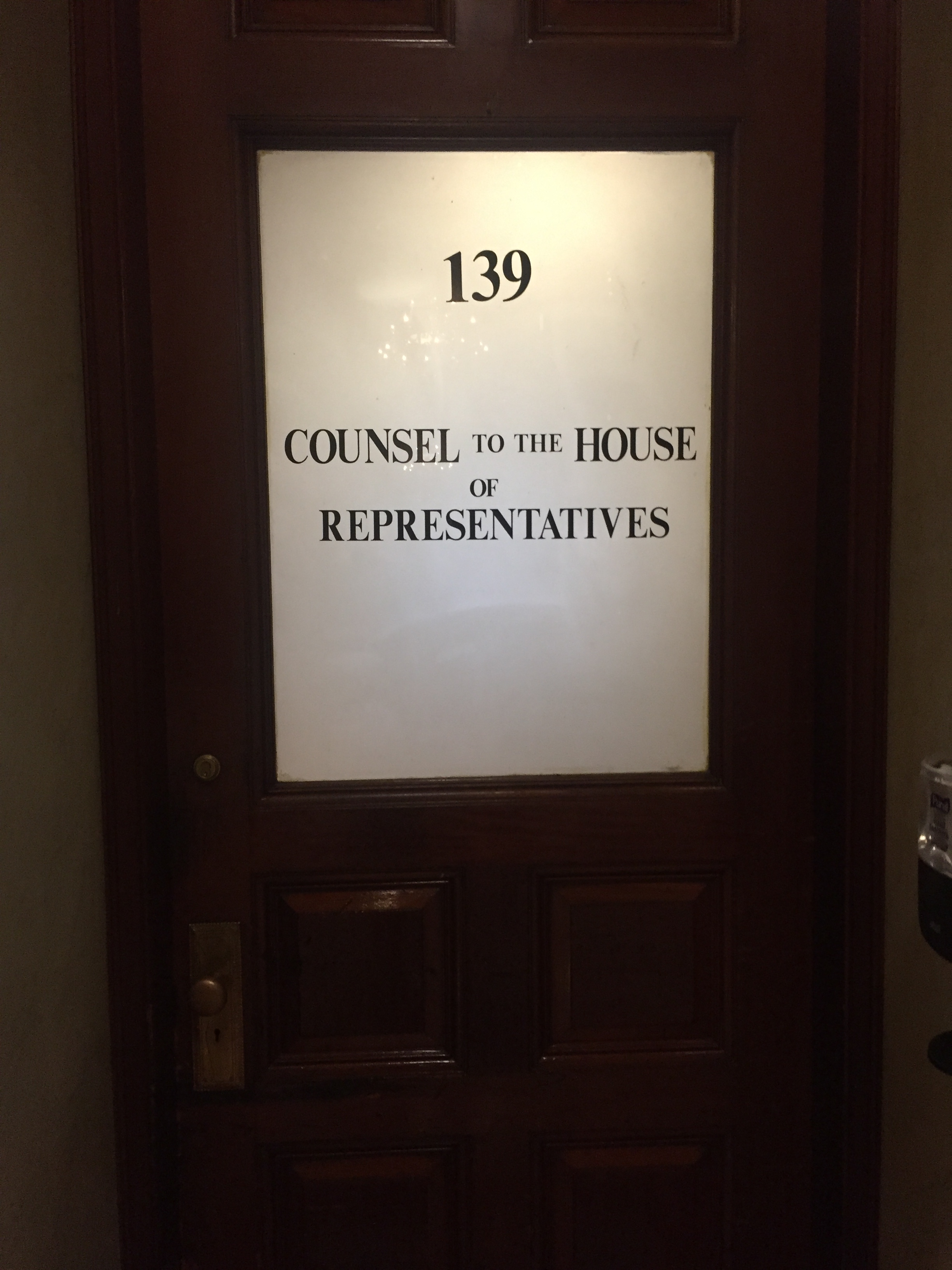
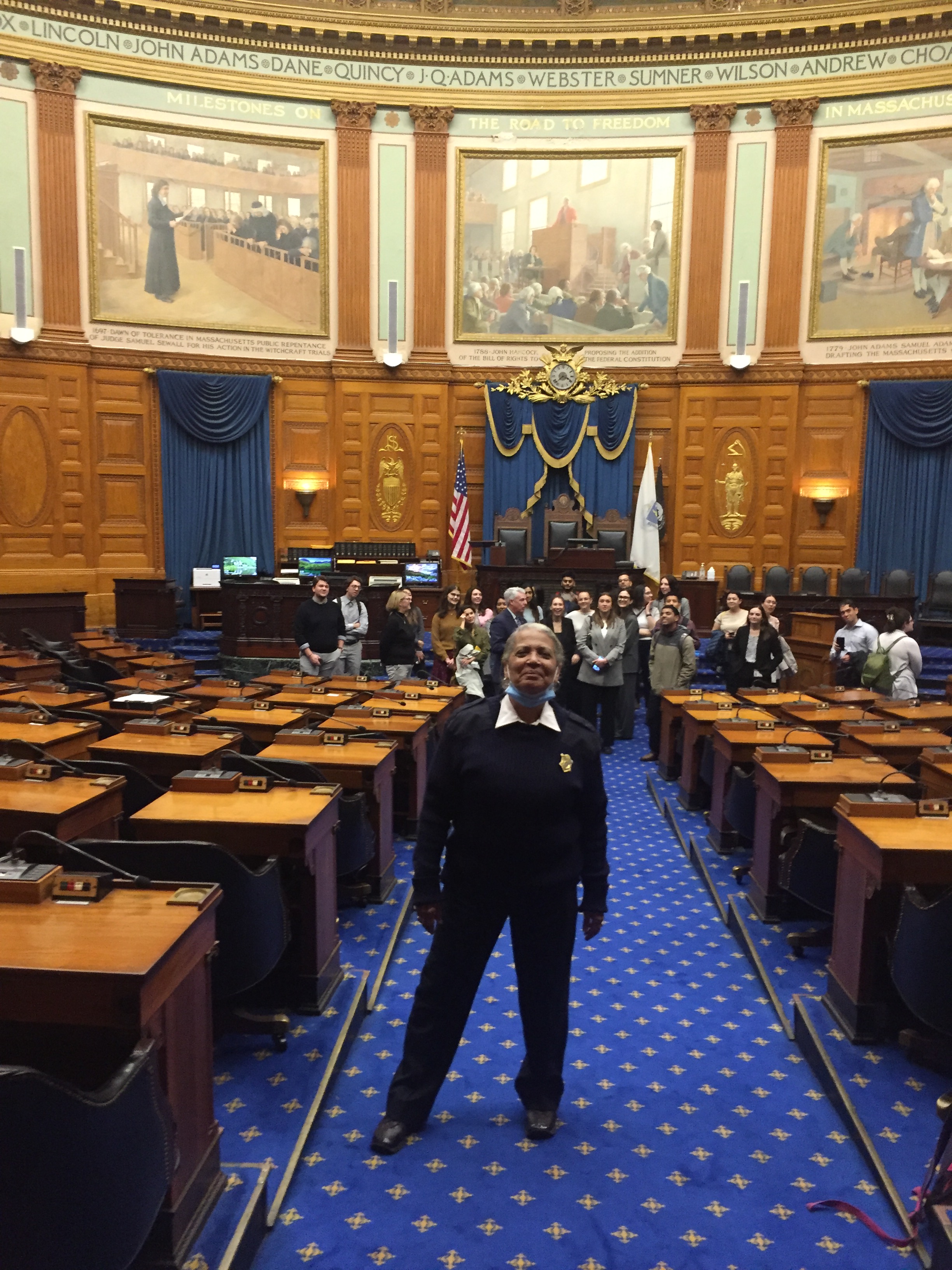
This is where democracy works. Inside are the Massachusetts House of Representatives and Senate.

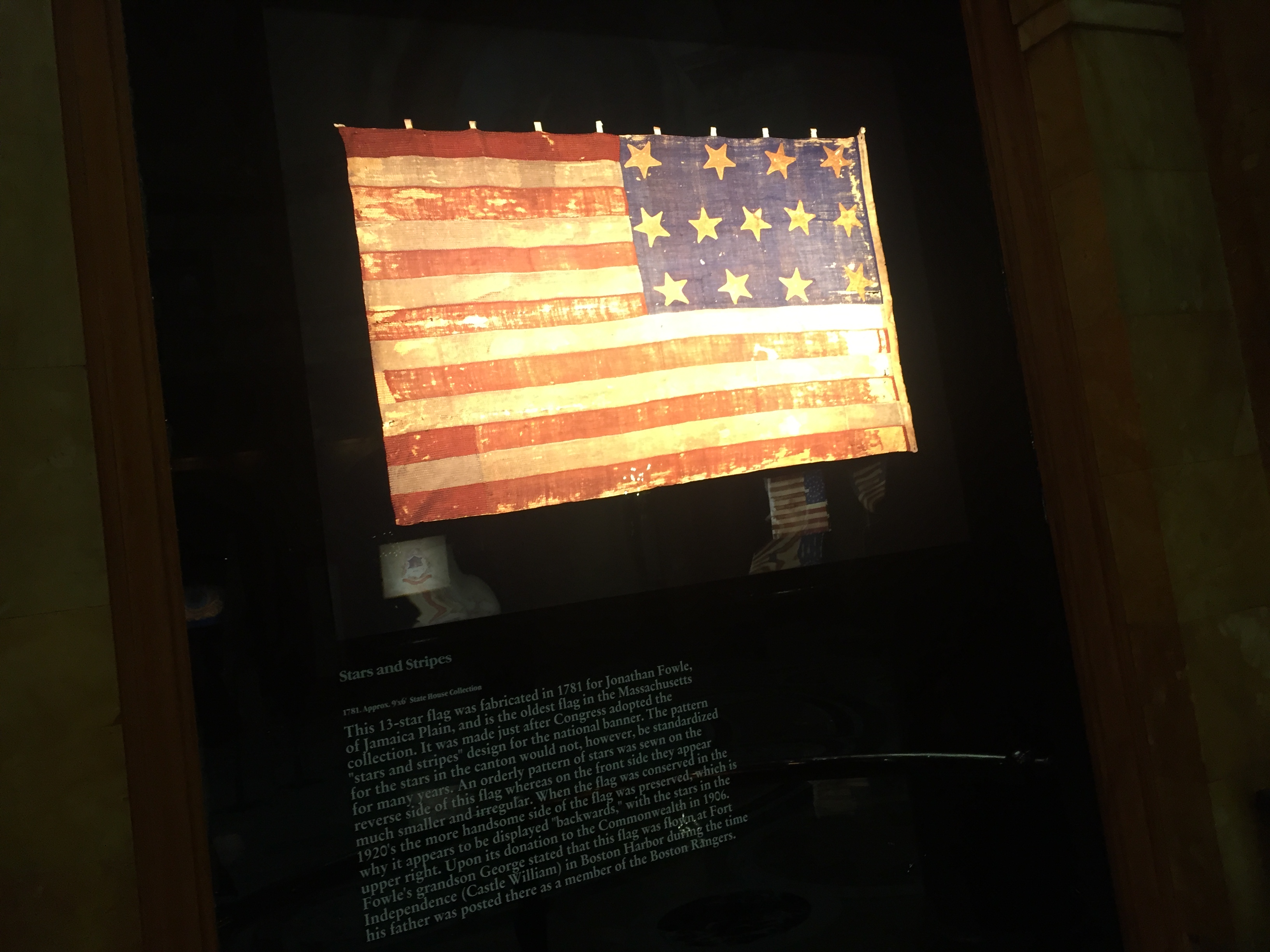
The cornerstone of this building was laid by Samuel Adams and Paul Revere in 1798. The design has been replicated in many other state buildings across the USA, including the U.S. Capitol Building in Washington D.C.

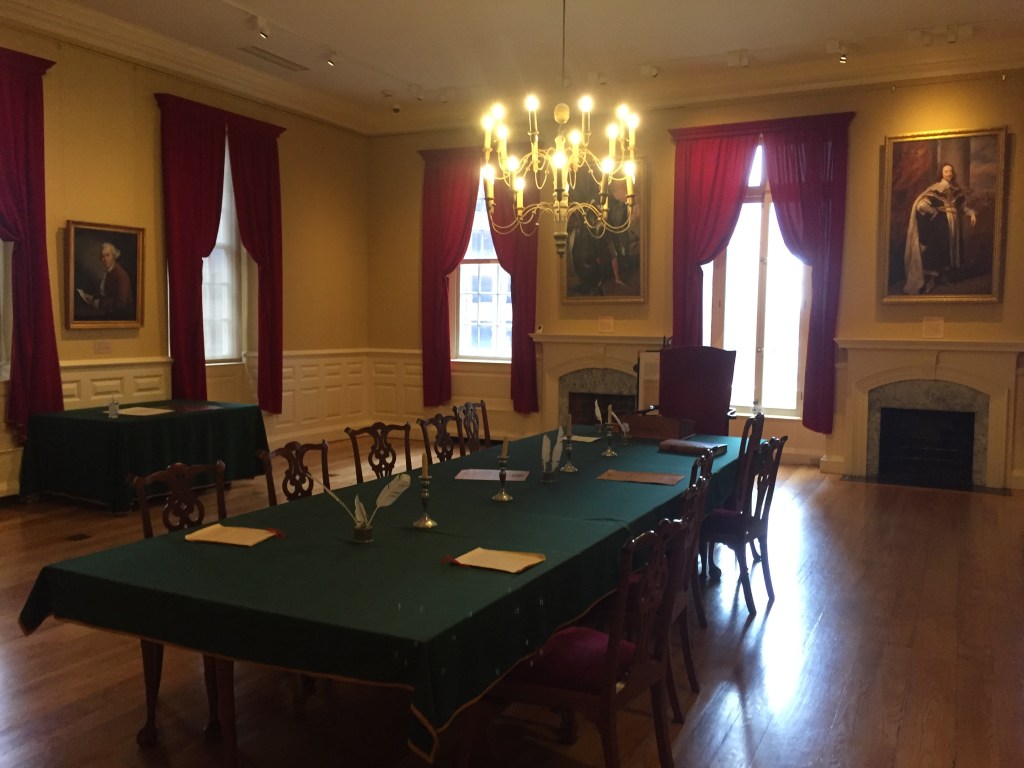
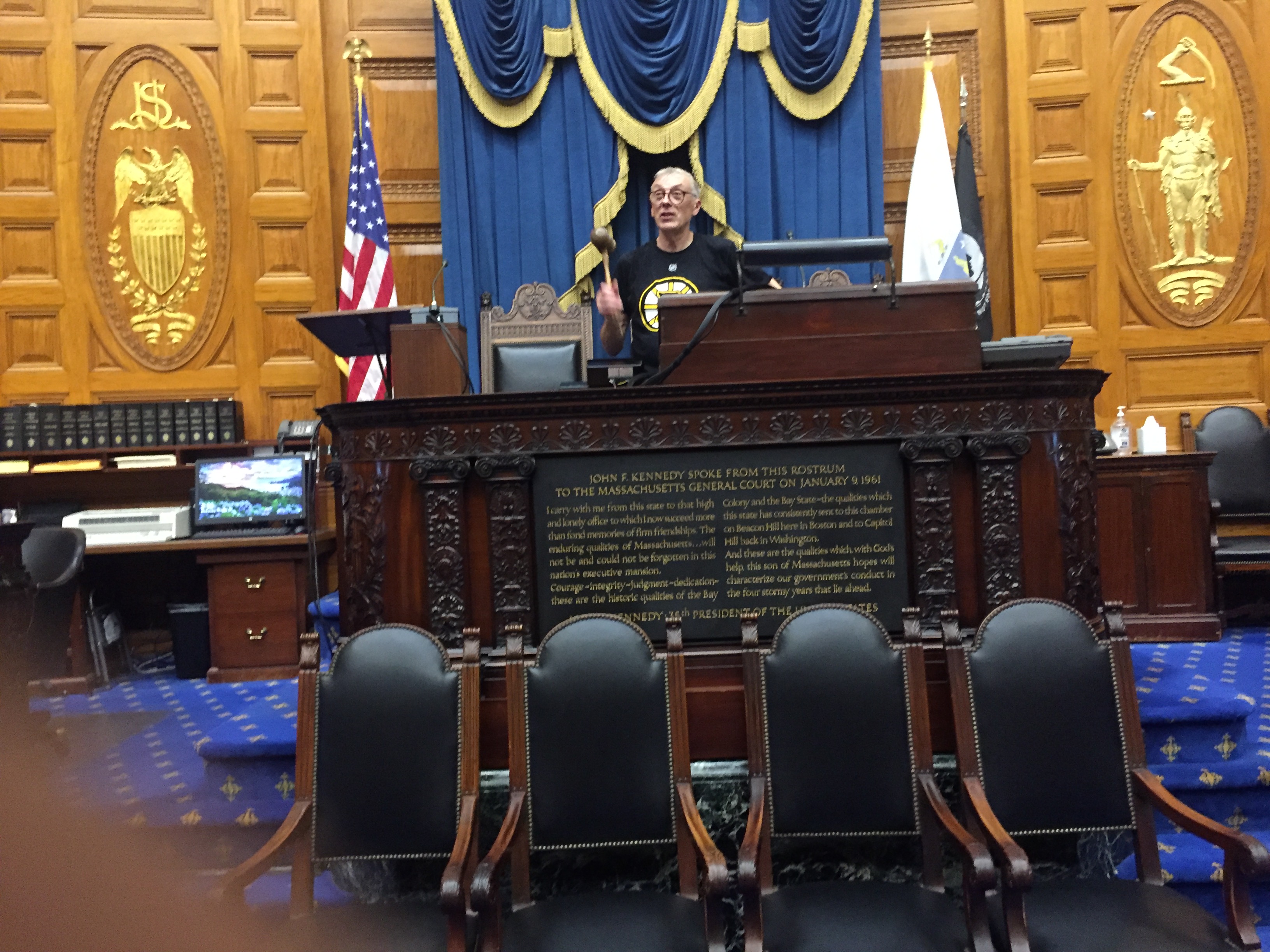
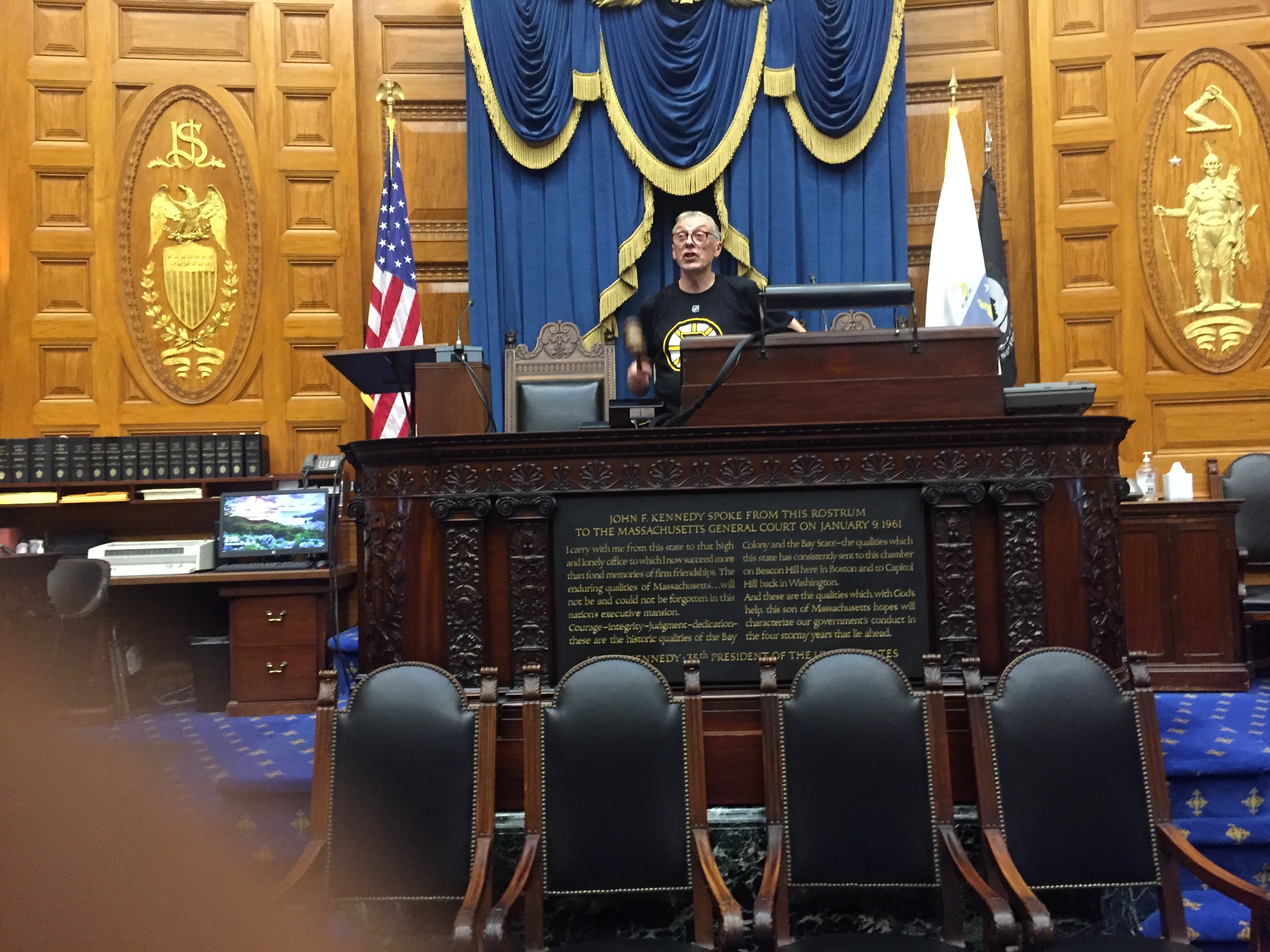
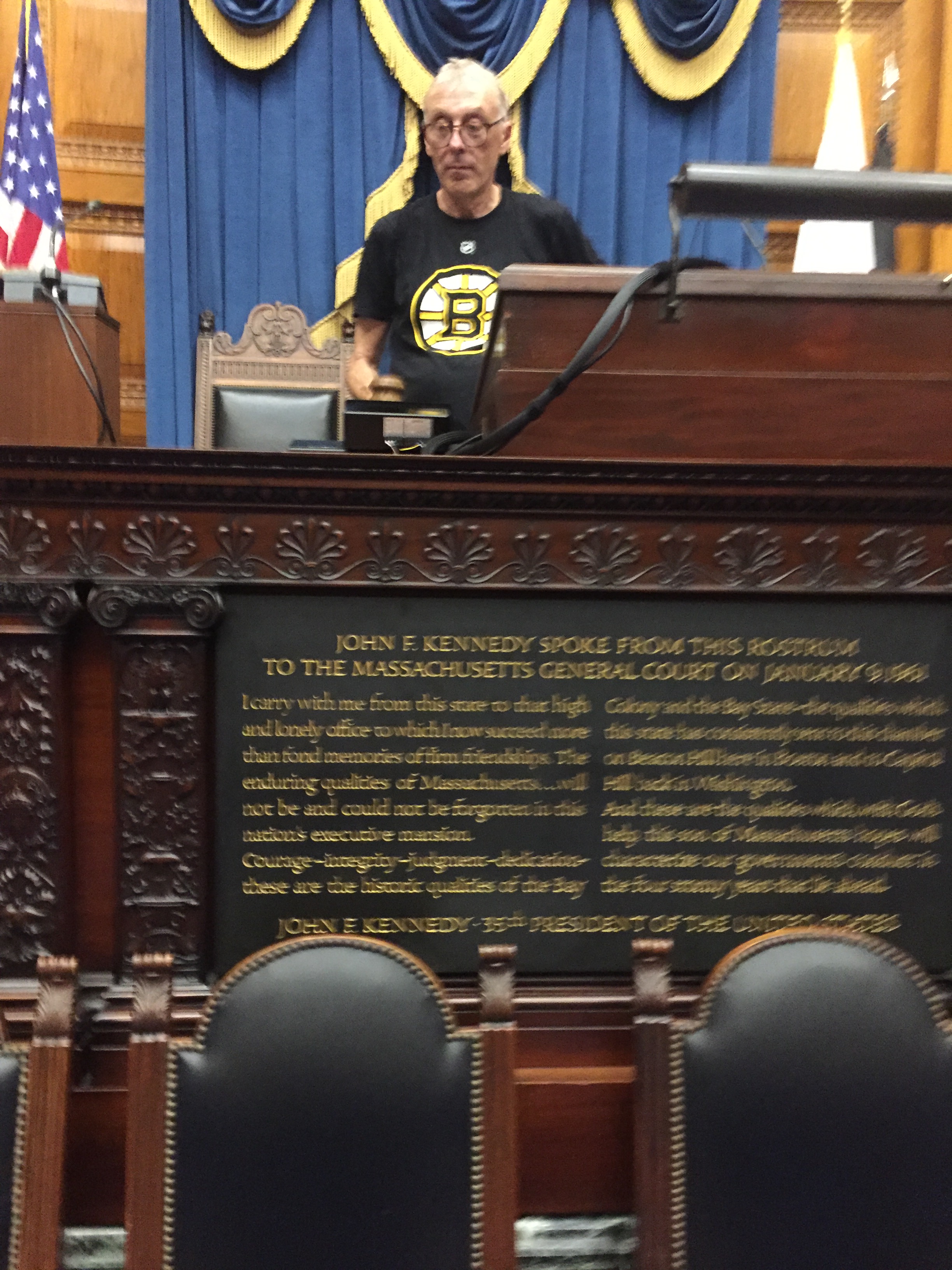
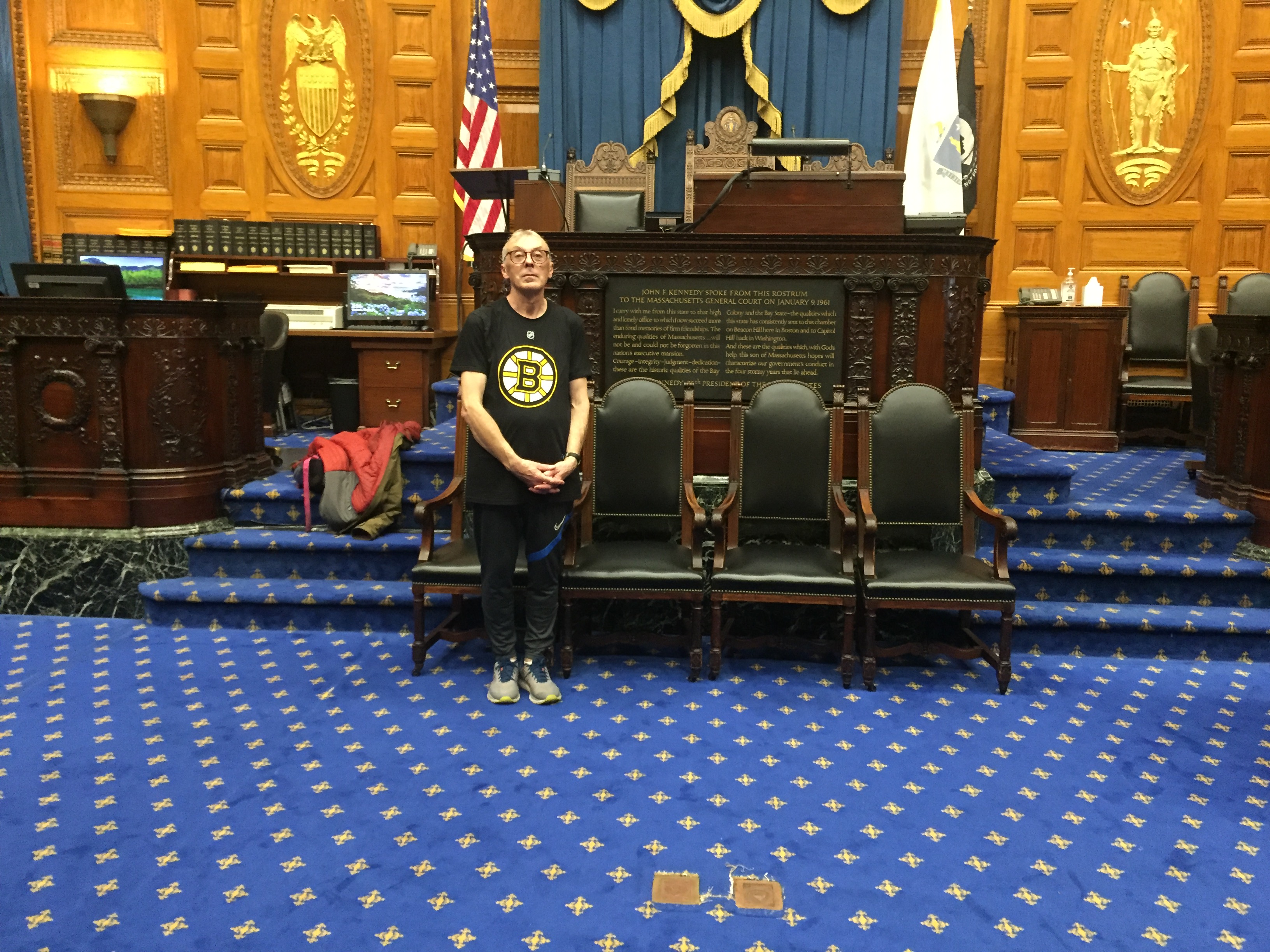
Despite this conclusive photographic evidence, I still cannot believe that I did this. Here I am, with the state gavel in my right hand, bringing the Massachusetts House of Representatives to order, in my role as Speaker of the House. The large plaque on the front of the rostrum marks the occasion when John F Kennedy spoke to the house in January 1961, just a few weeks after his election as President of the United States of America, and just a few days before his inauguration. The president’s address to the house became known as the “City Upon a Hill” speech.

The lady in the photograph is Katie. She is the First Lady of Massachusetts. Nothing happens in the House of Representatives without her permission. Thank you Katie. I will vote for you in the mid term elections.