
New York 2023









I.T.M.A.

How did he get here?
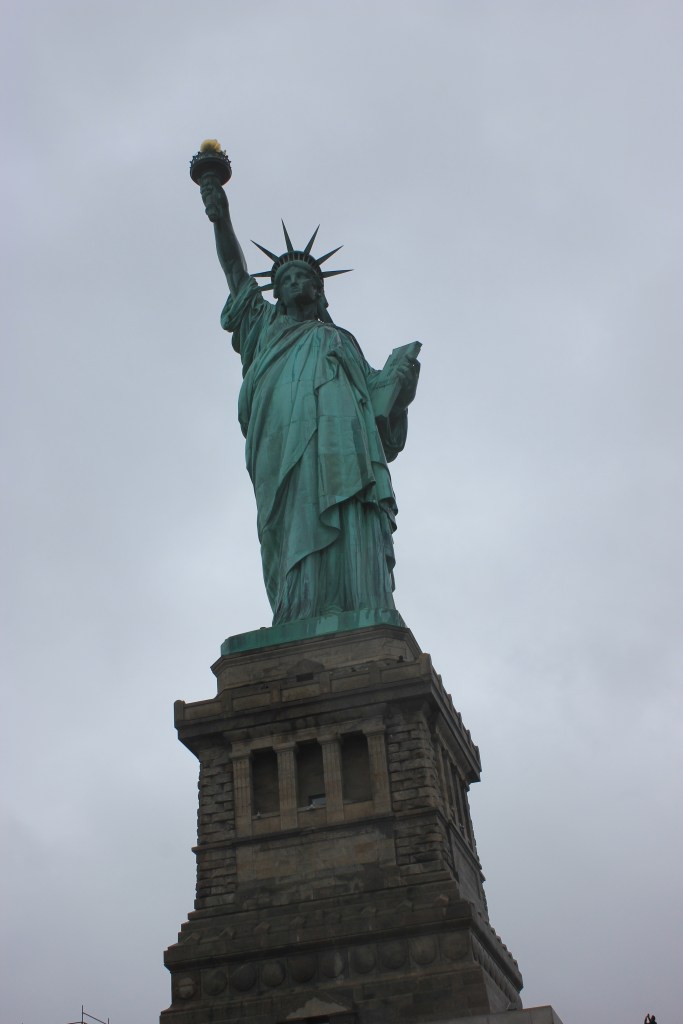
One of the most famous monuments in the world, the Statue of Liberty is located on a small island a few hundred metres from the tip of Lower Manhattan. Along with its neighbour , the Ellis Island Immigration Station, the Statue of Liberty would have been one of the first landmarks that travelers would see after they had sailed across the Atlantic Ocean to begin their new lives in the United States of America.
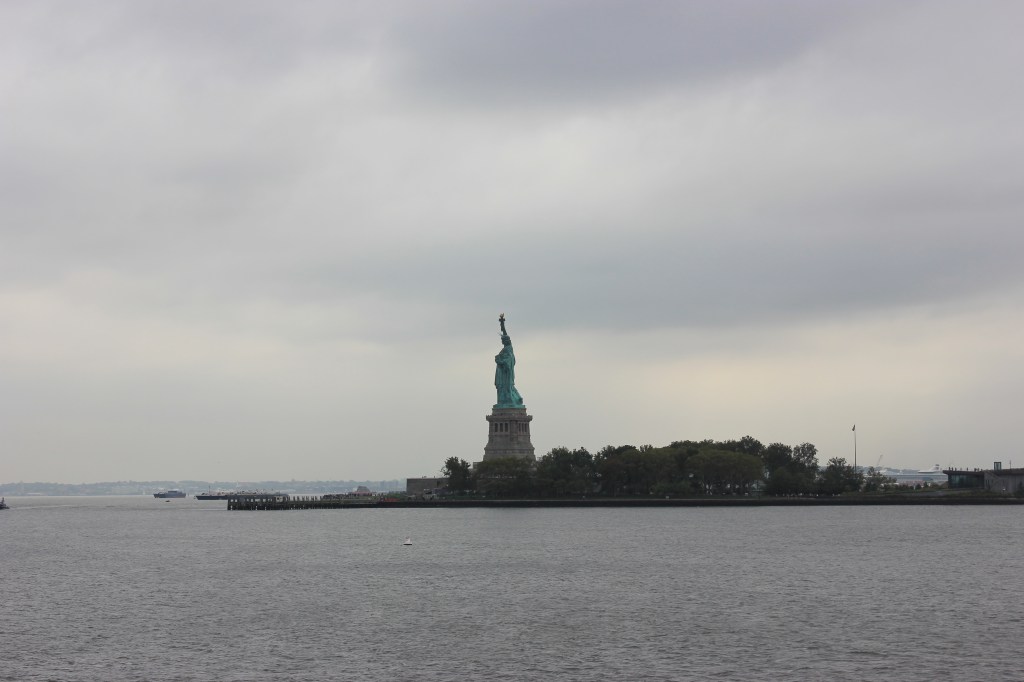
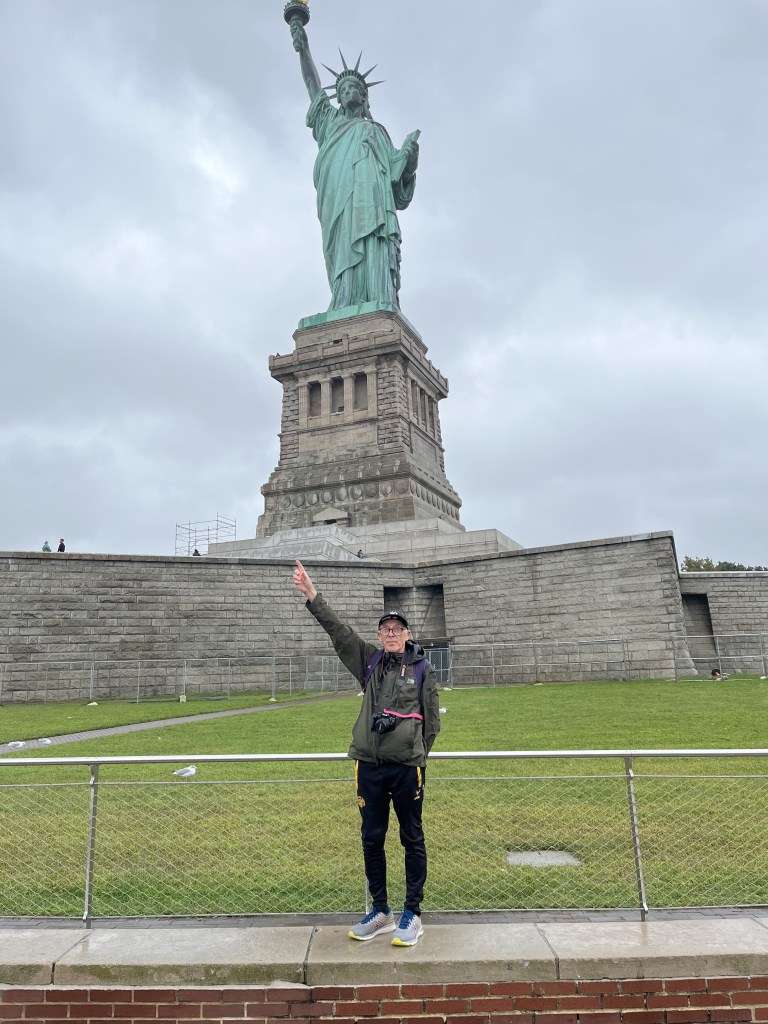
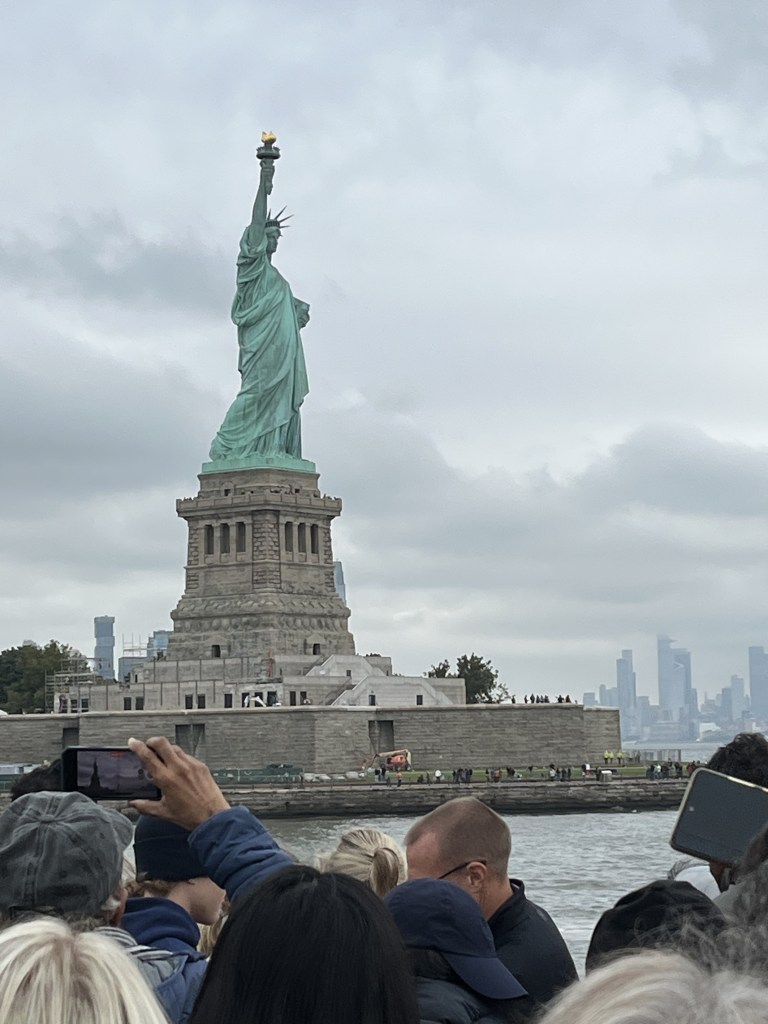
My visit to see the statue and also the Statue of Liberty Museum was a great way to start my exploration of New York.

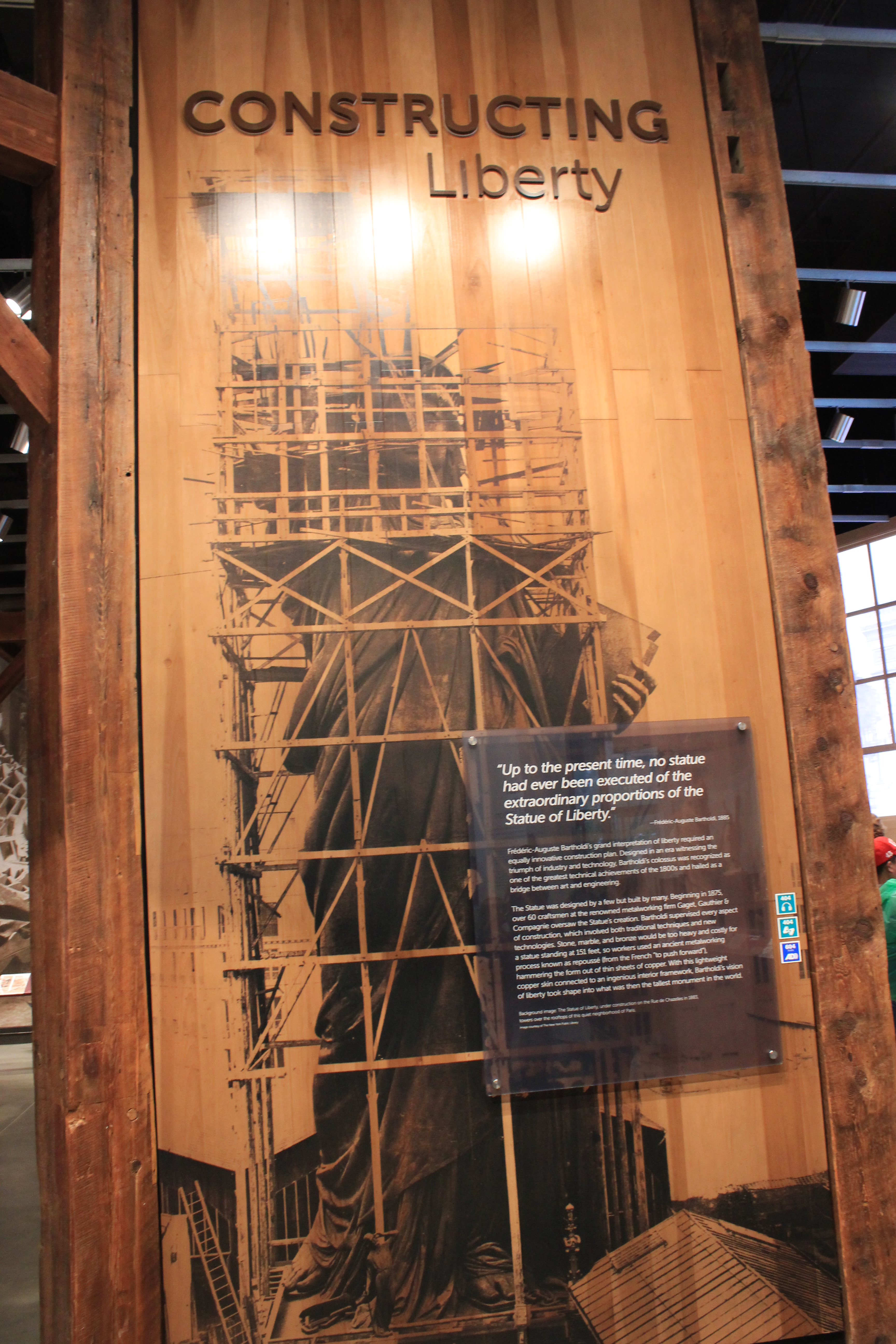
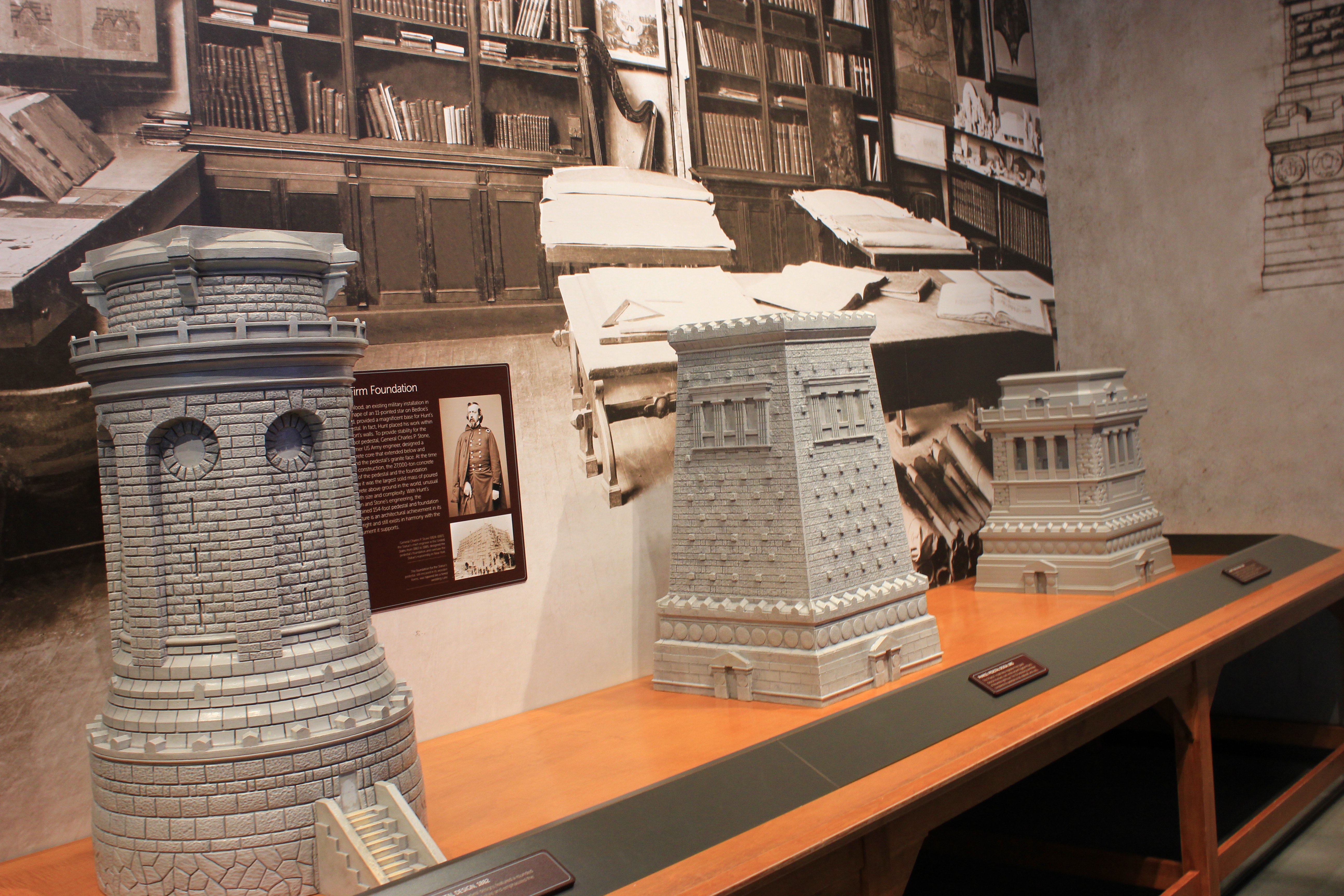
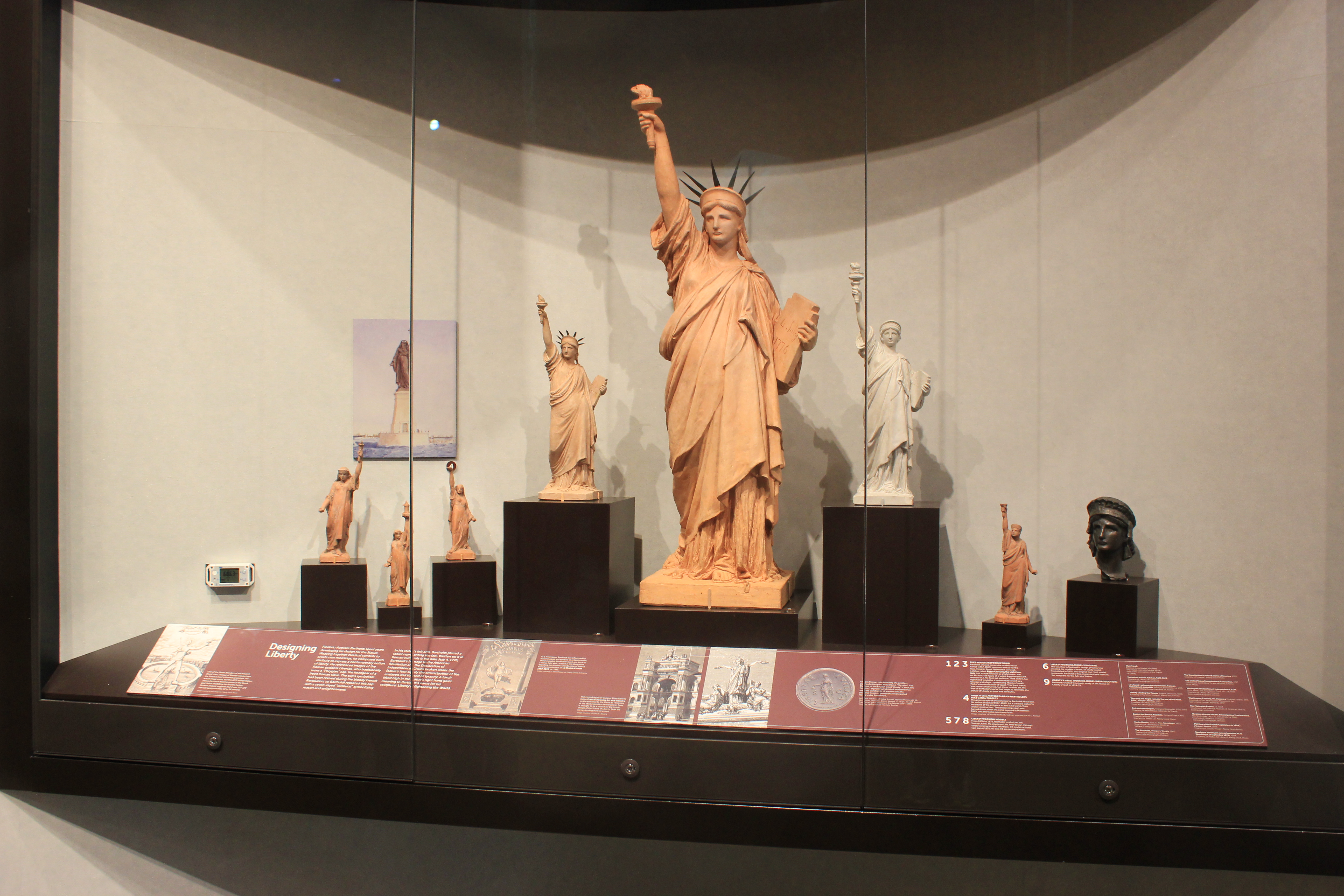
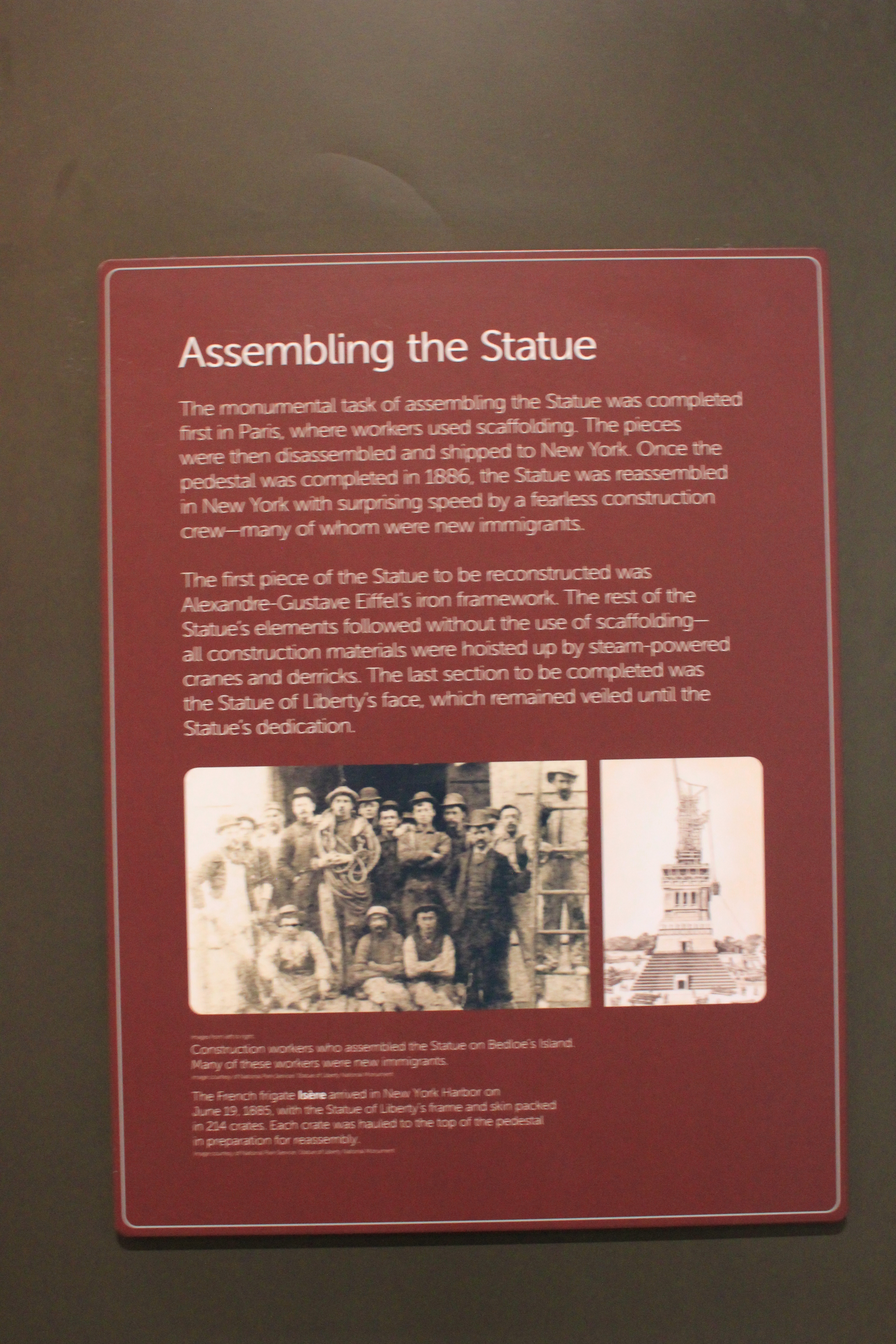

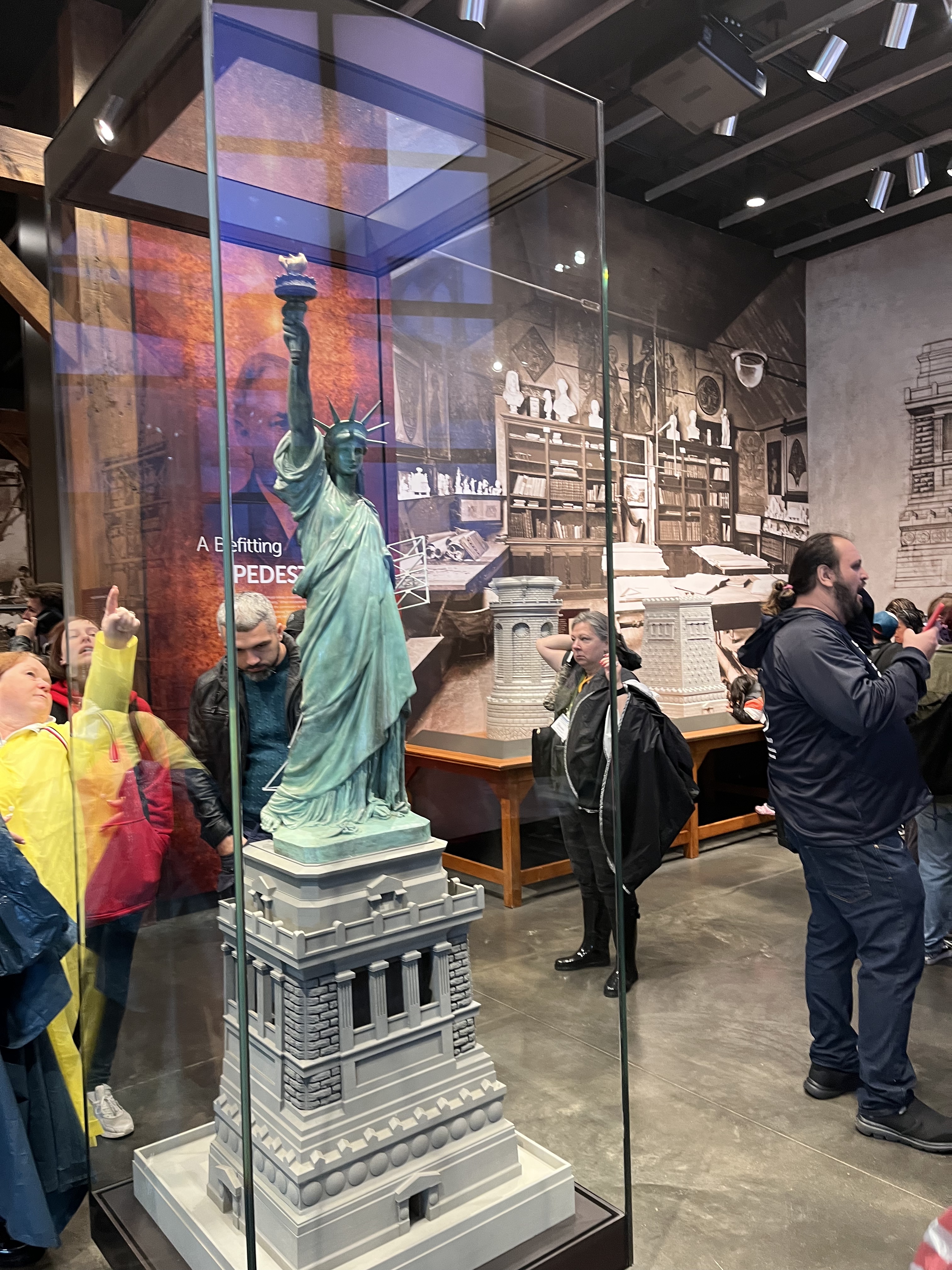

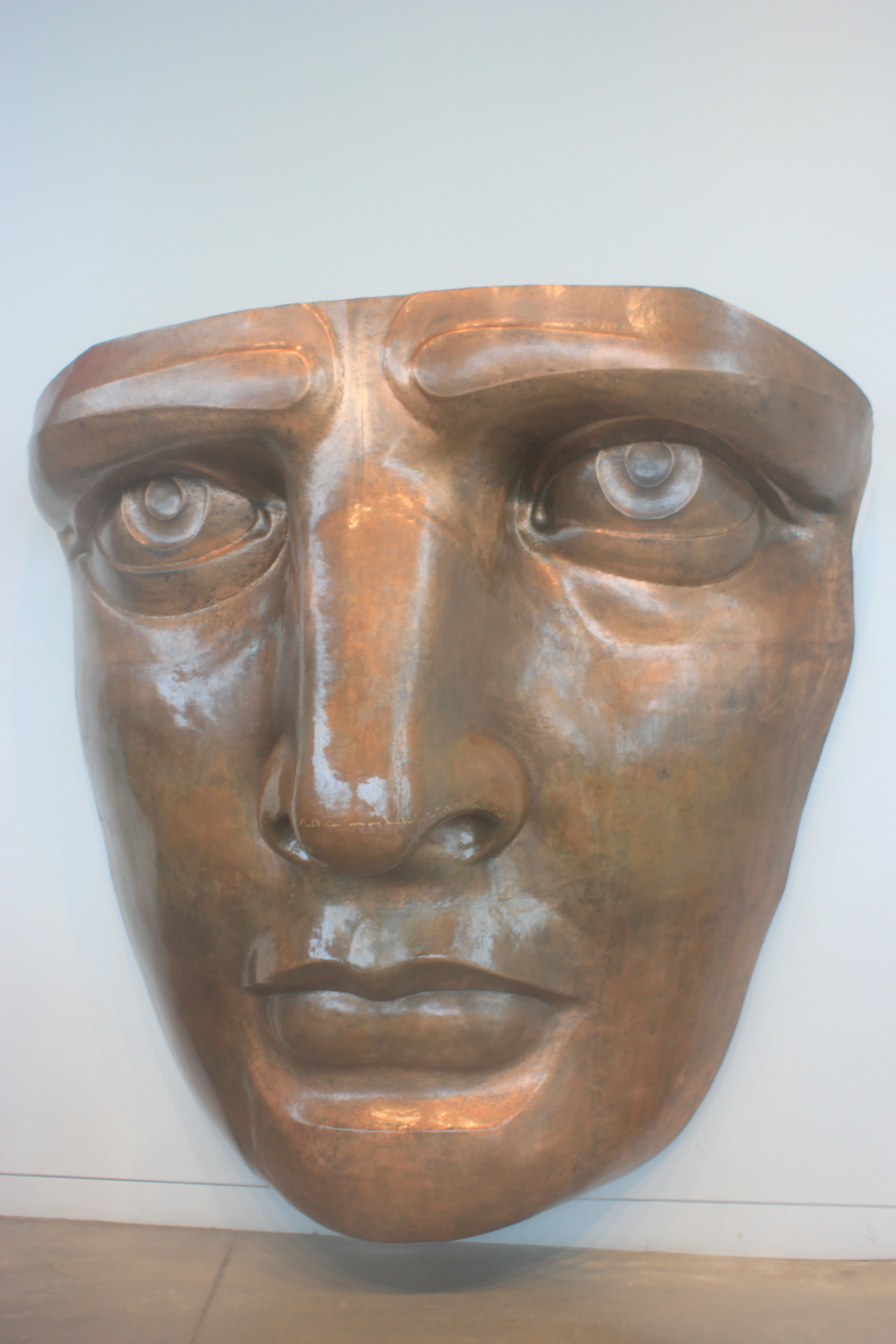
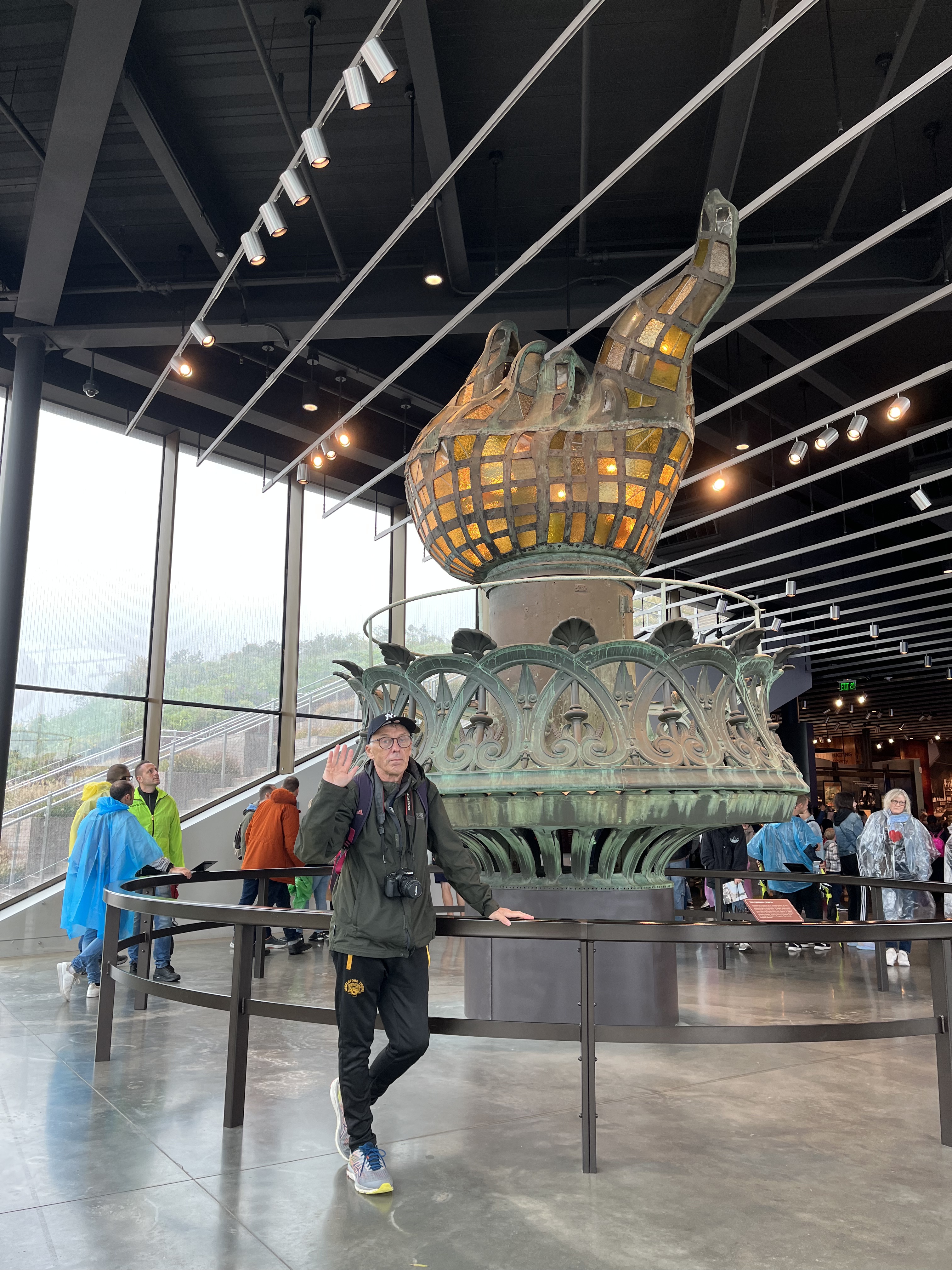
The museum tells the history of the statue from the original idea that it would be a gift from the citizens of France to the citizens of the United States, its design and construction, how it was transported to New York and how fund raising in France and the United States helped pay for the venture.
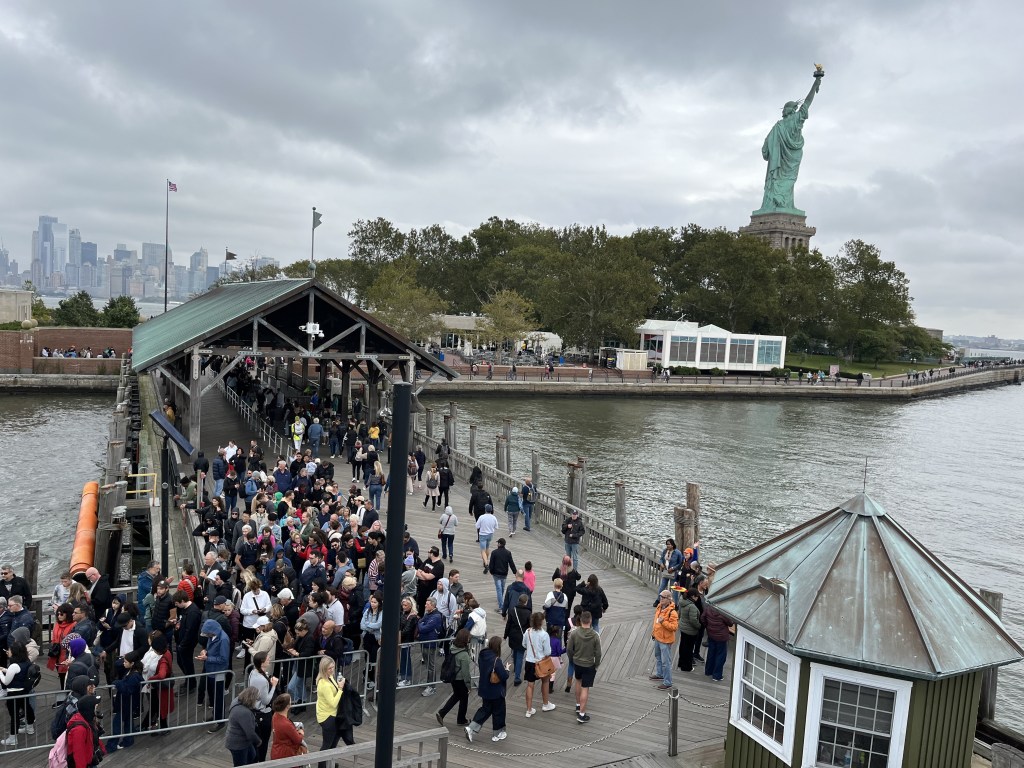
Admission to visit the Statue of Liberty and its museum and also Ellis Island National Museum of Immigration, is free. Visitors only have to pay the fare for their ferry journey.
It is worth every cent.






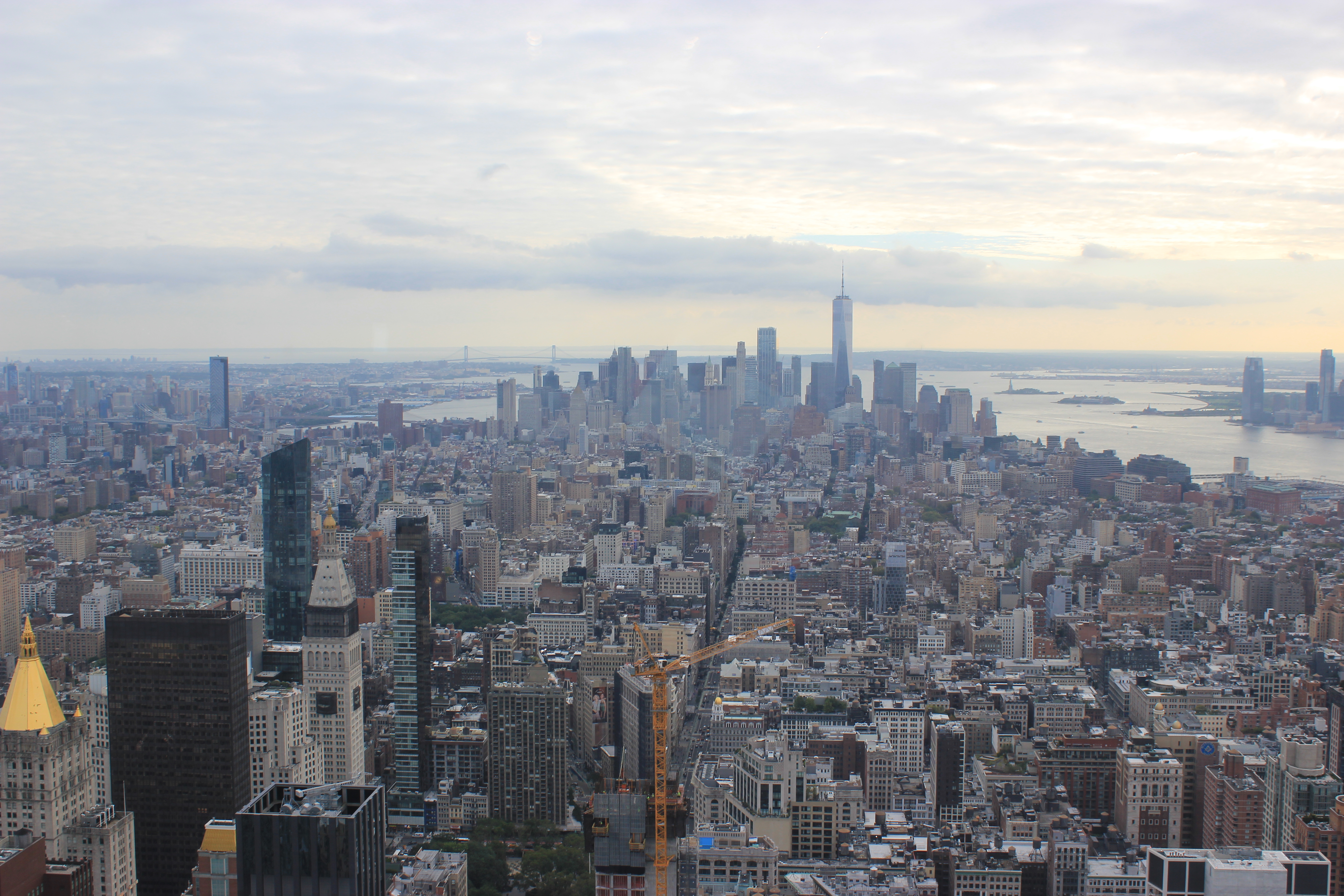
Where was Kandinski?















Ellis Island Immigration Station was located on a small patch of land at the mouth of the Hudson River, between New Jersey and New York.
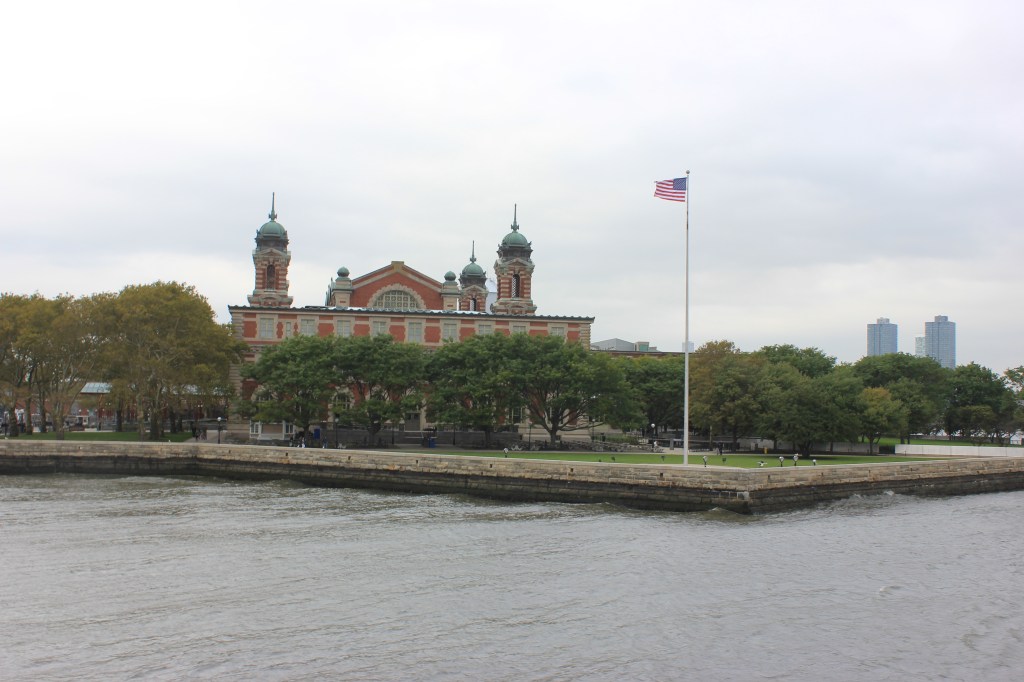
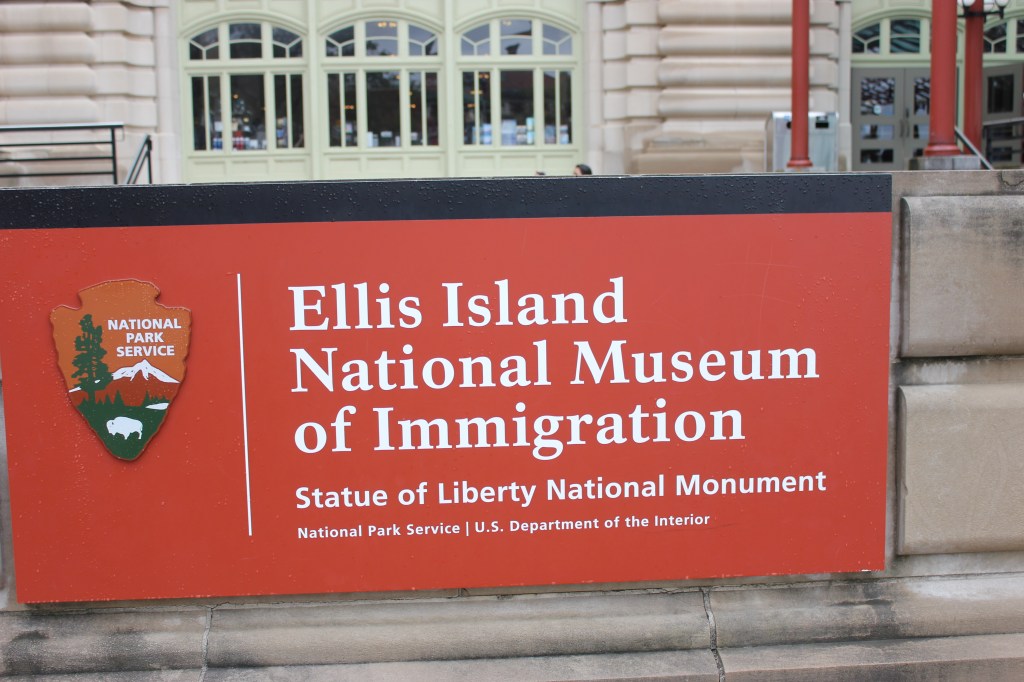
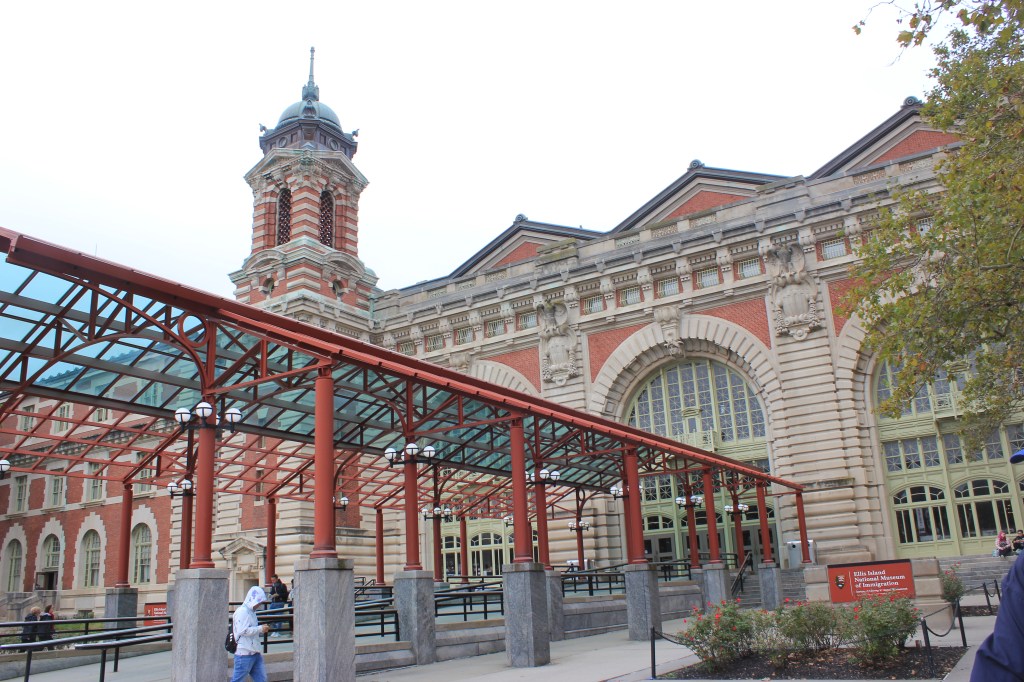
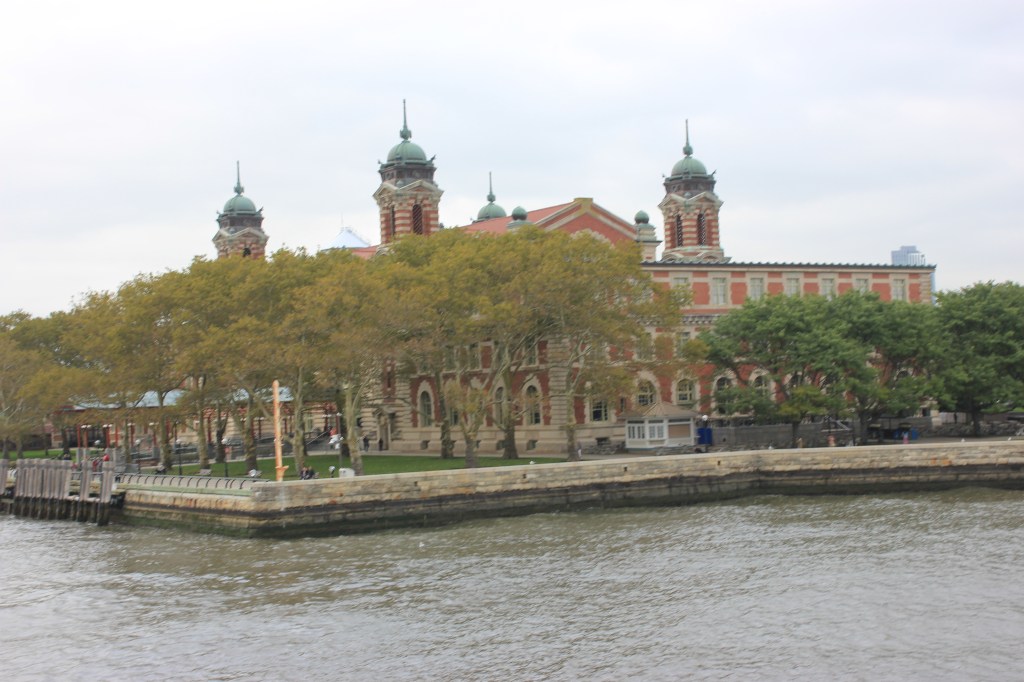
The Ellis Island National Museum of Immigration describes the story of American immigration and the experiences of people who came to the United States and settled there.
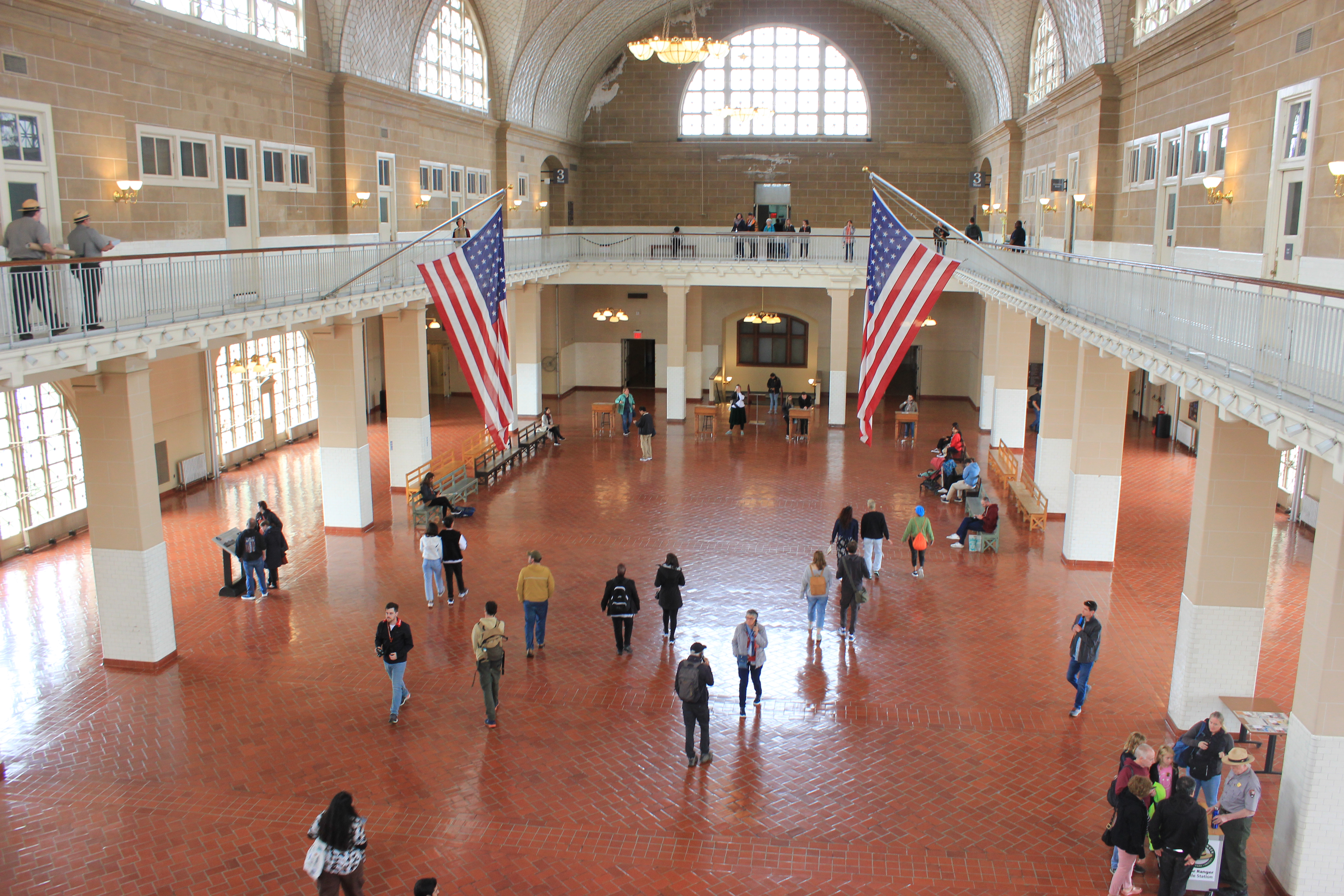
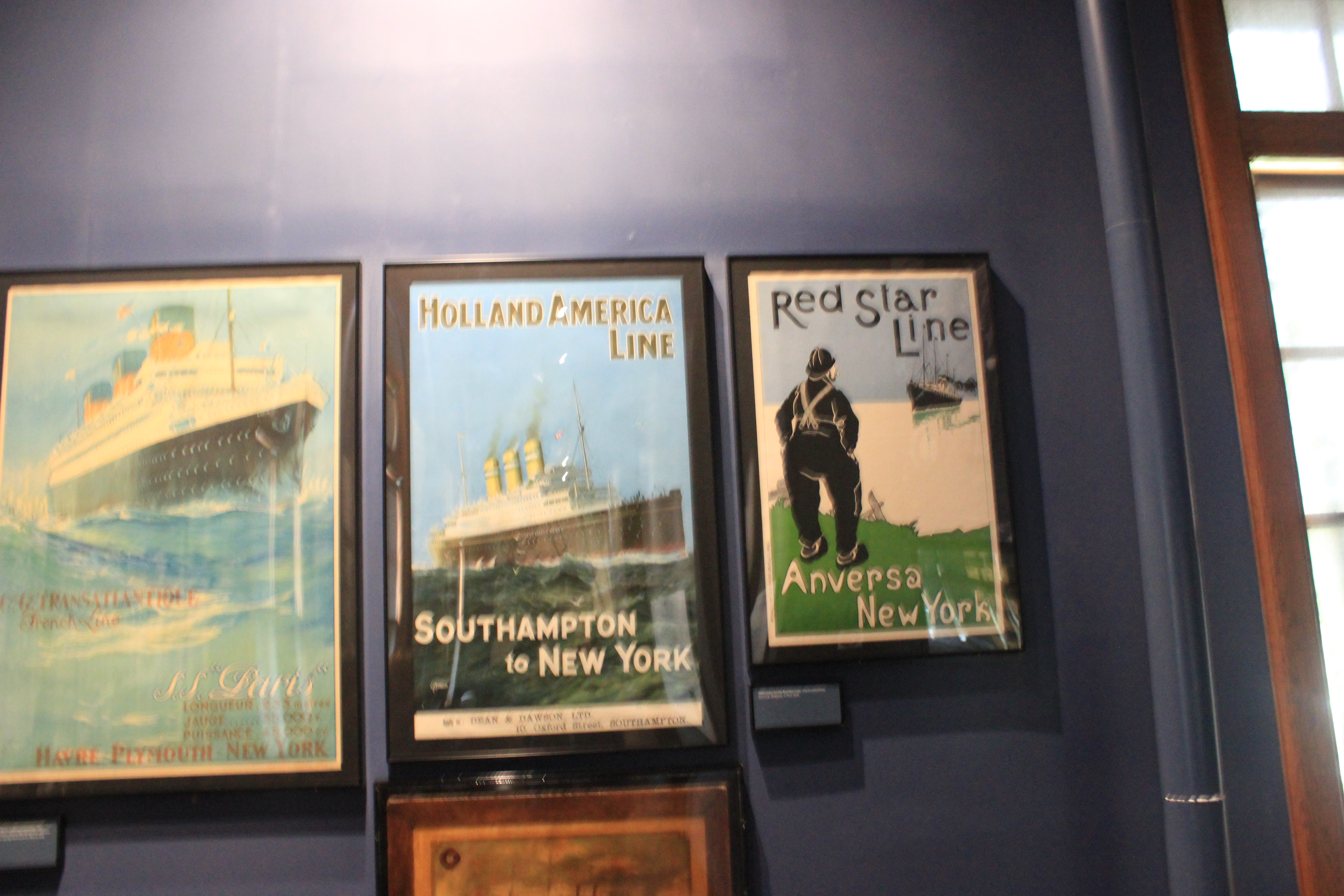
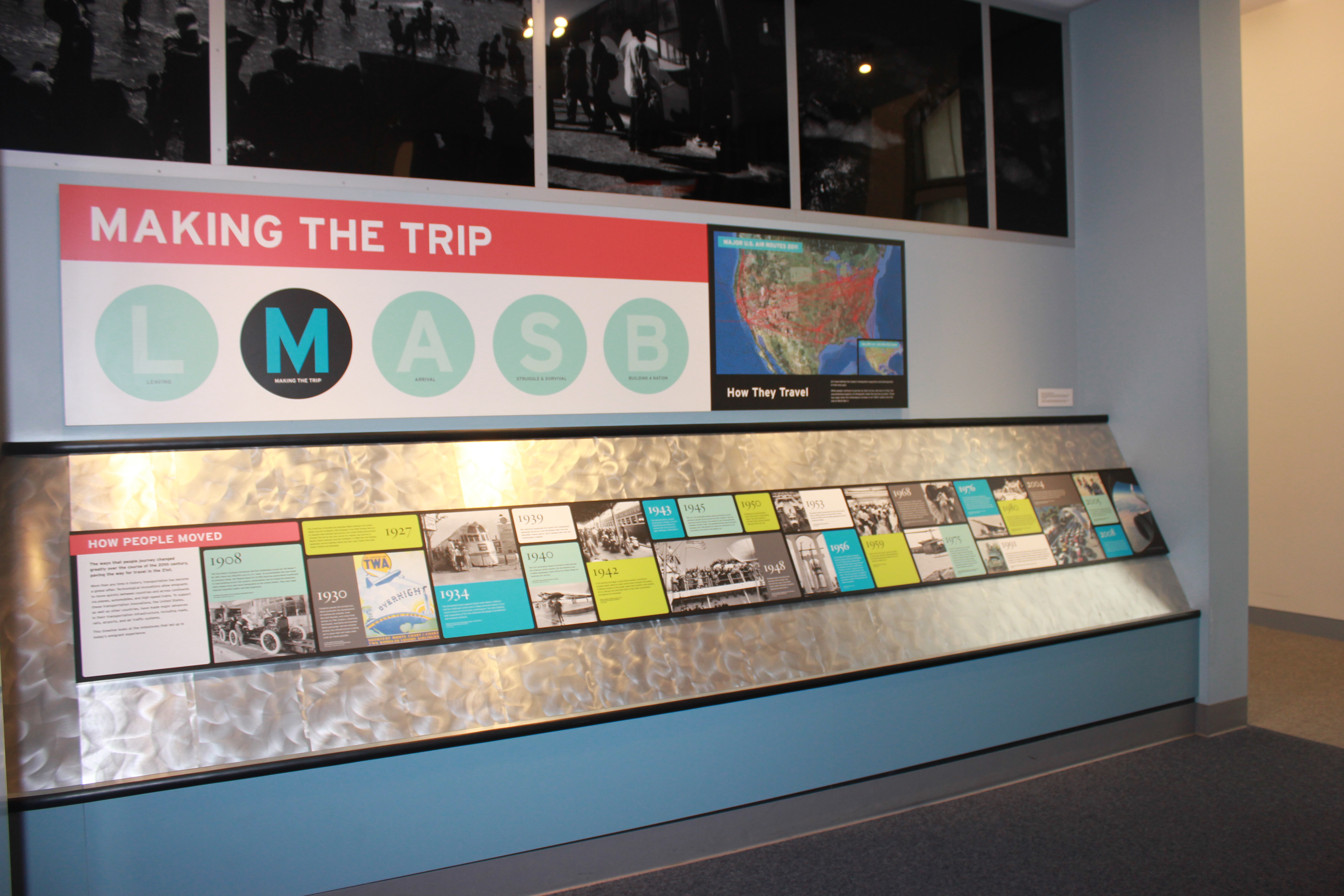
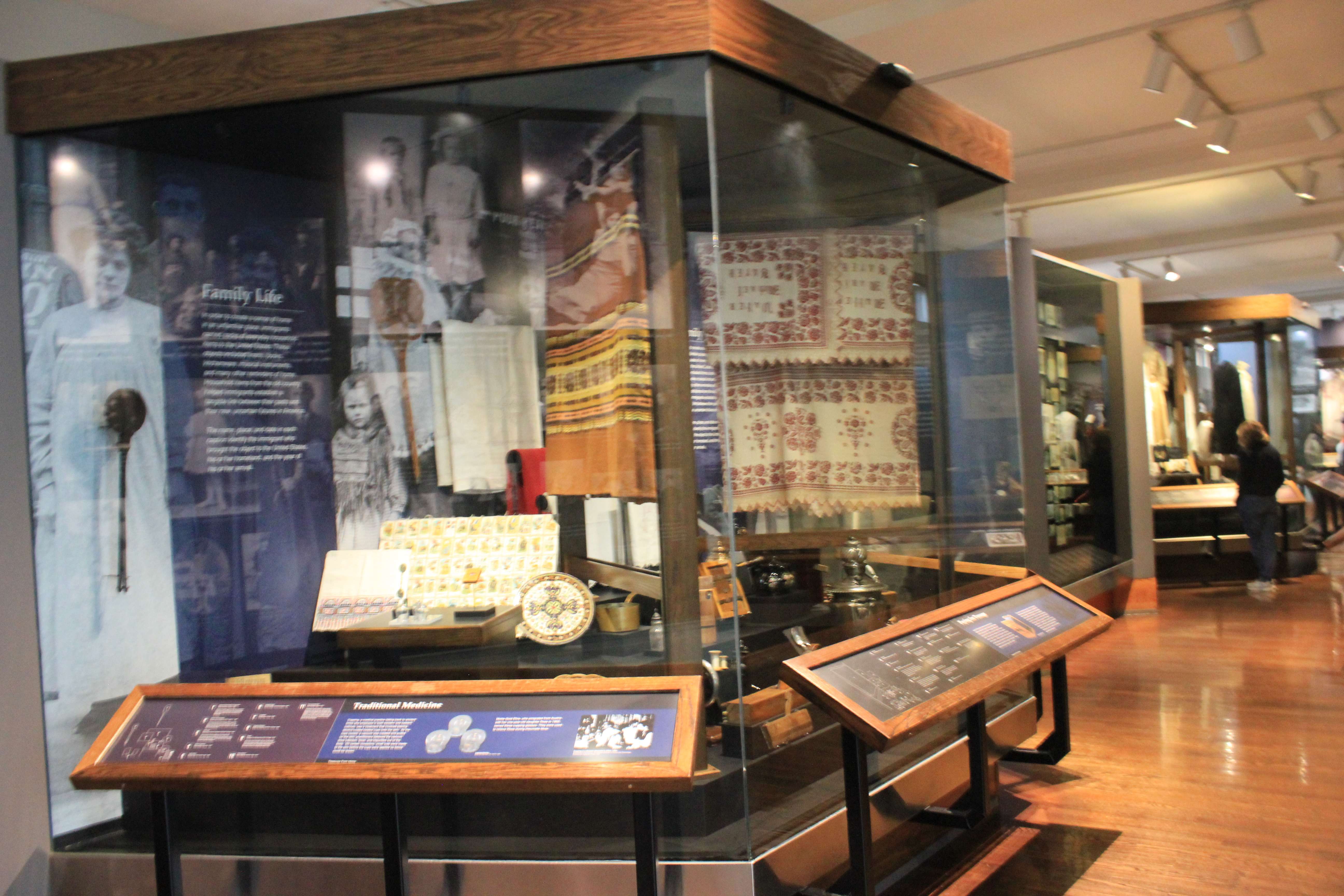

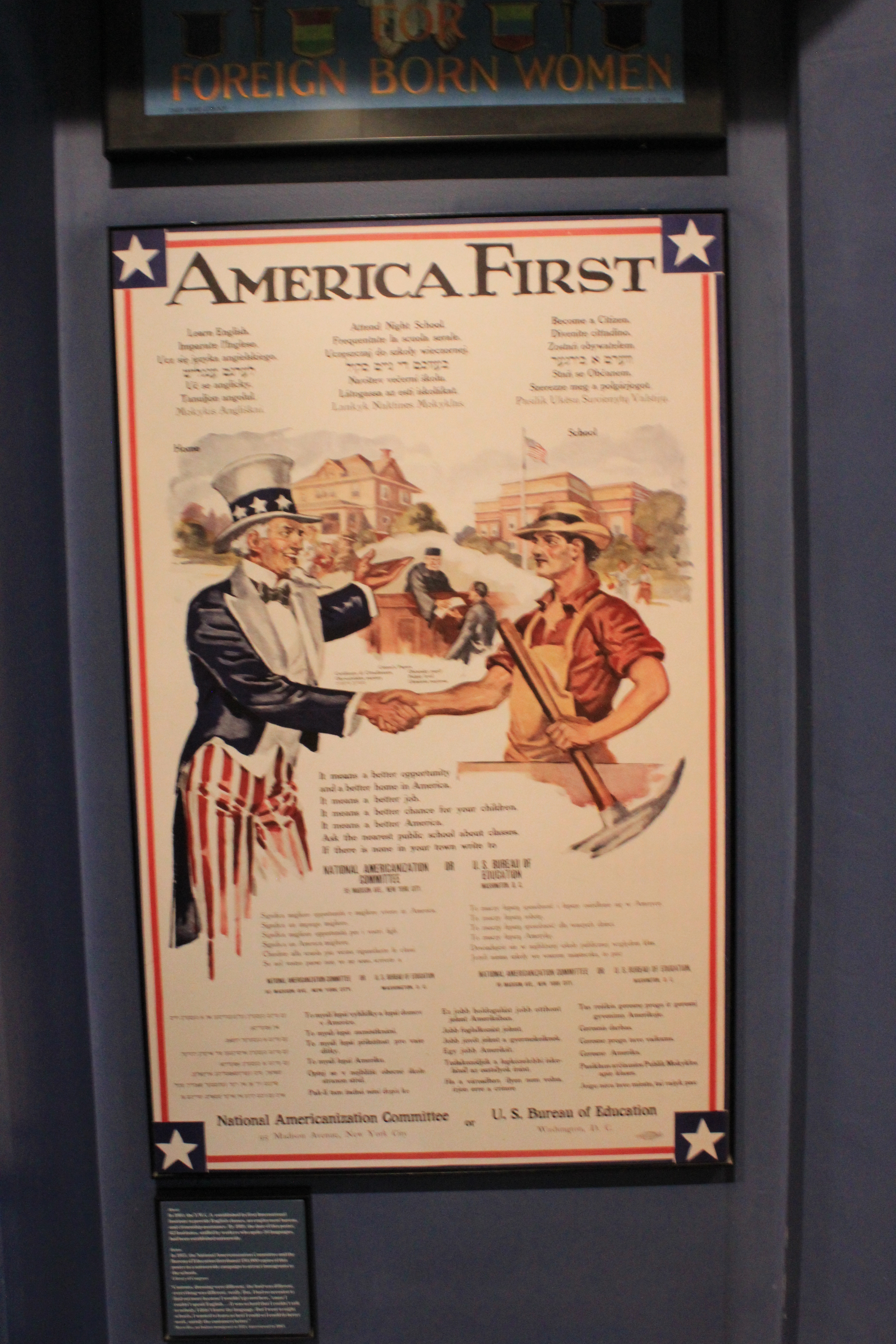
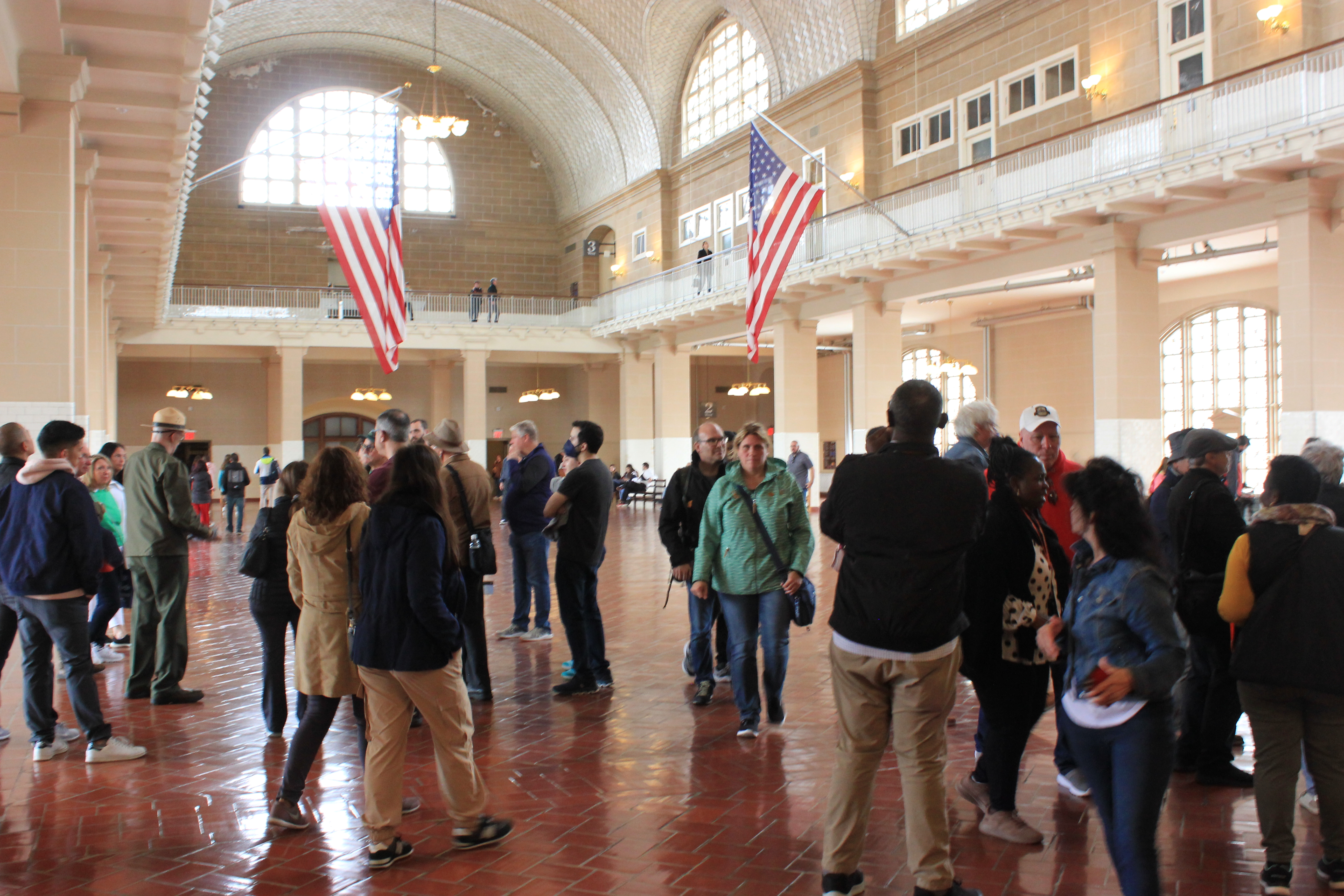
Exploring the museum and the Great Hall helped me to appreciate how anxious people must have felt as they were processed. Most arrivals moved on to find jobs and homes in their new country but others were turned away after failing crude medical or literacy tests.

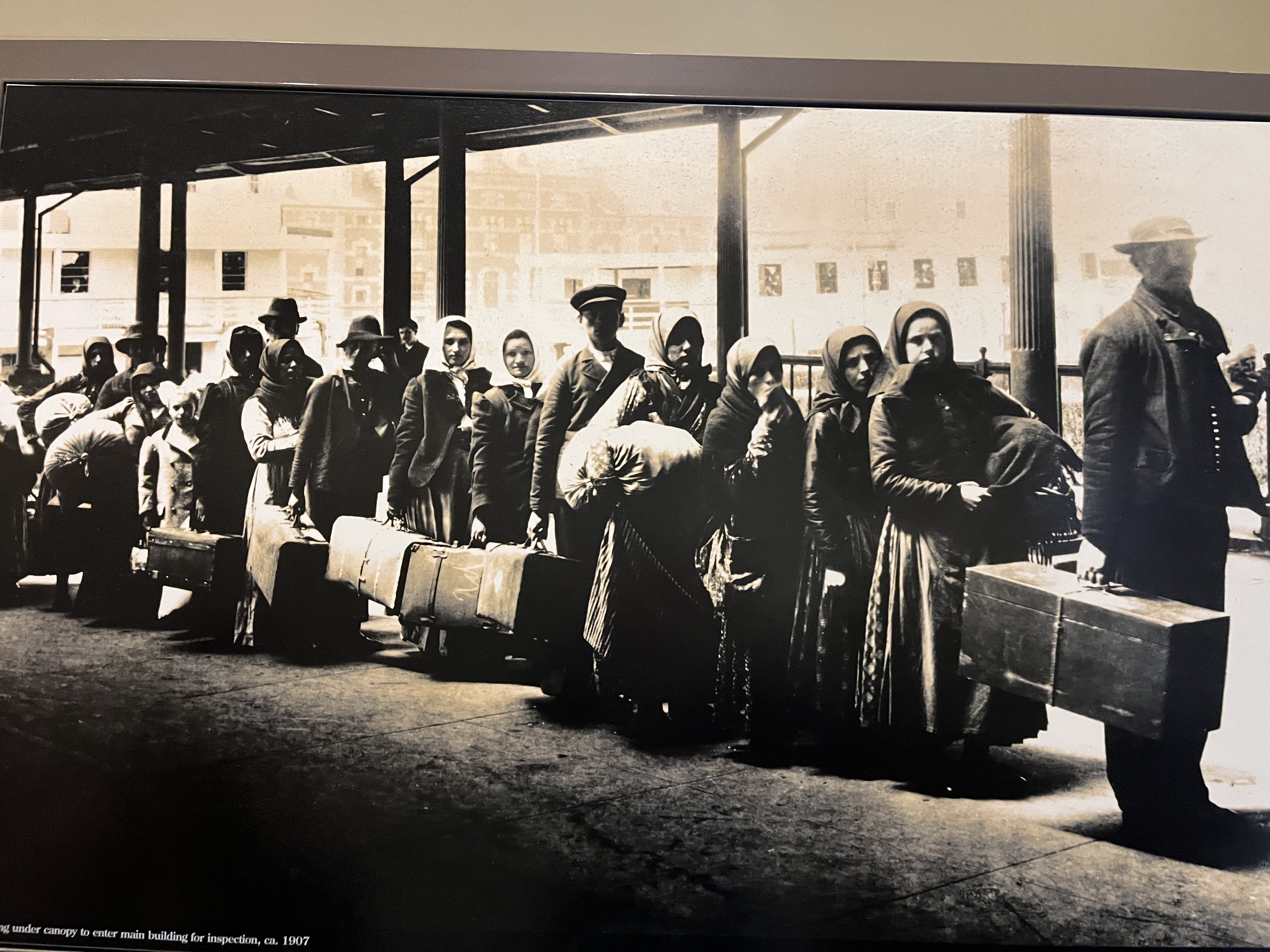
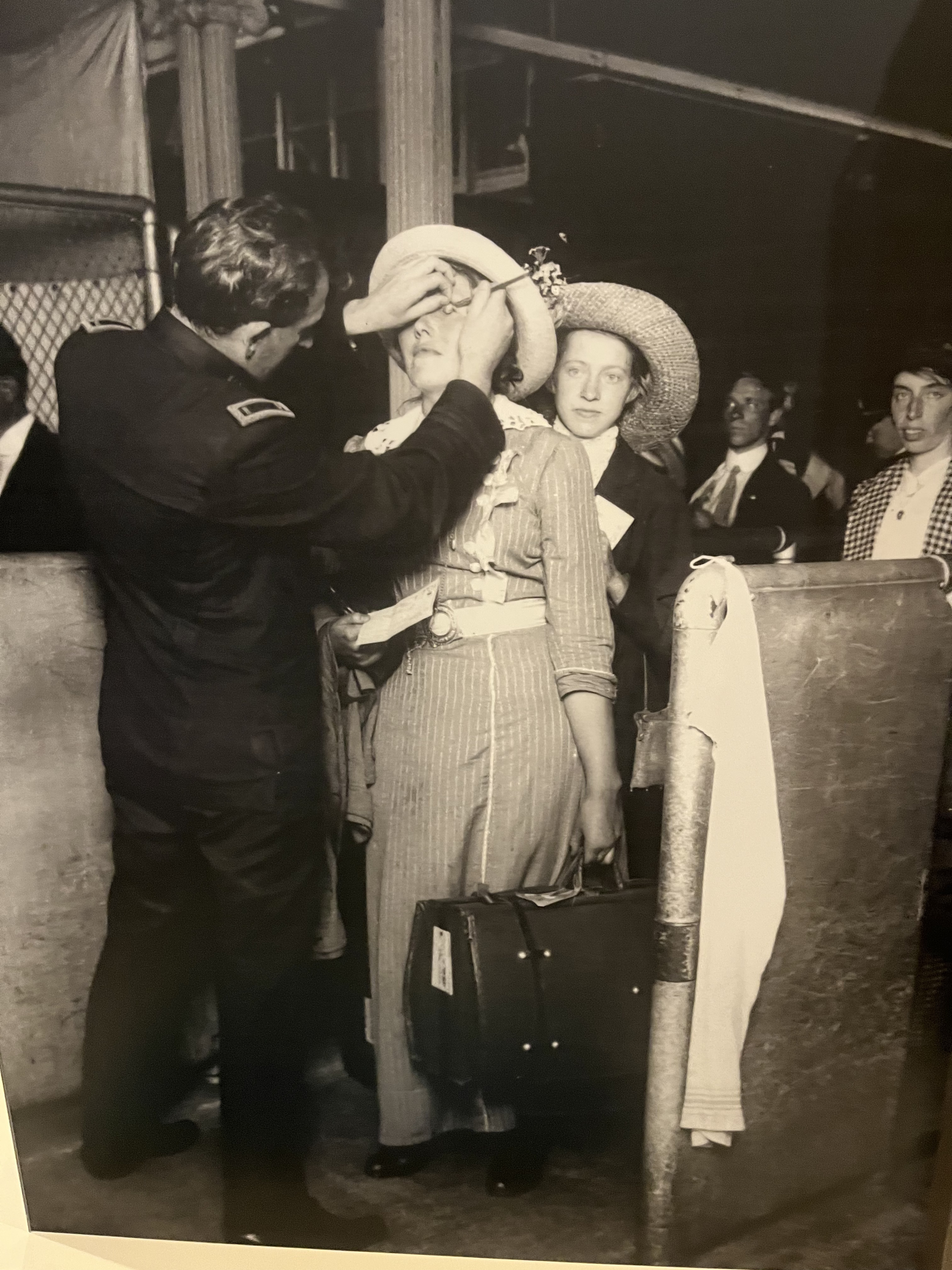
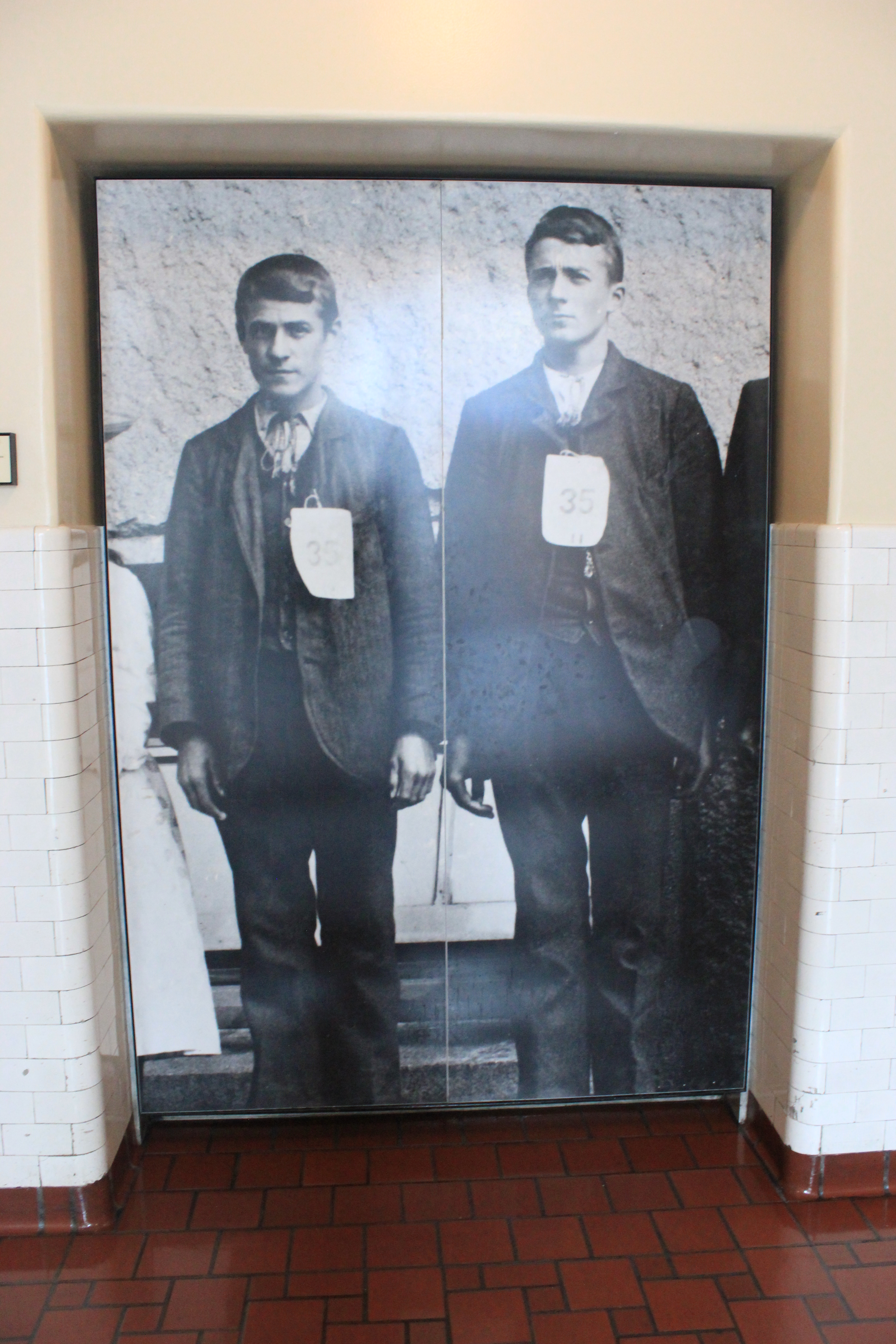

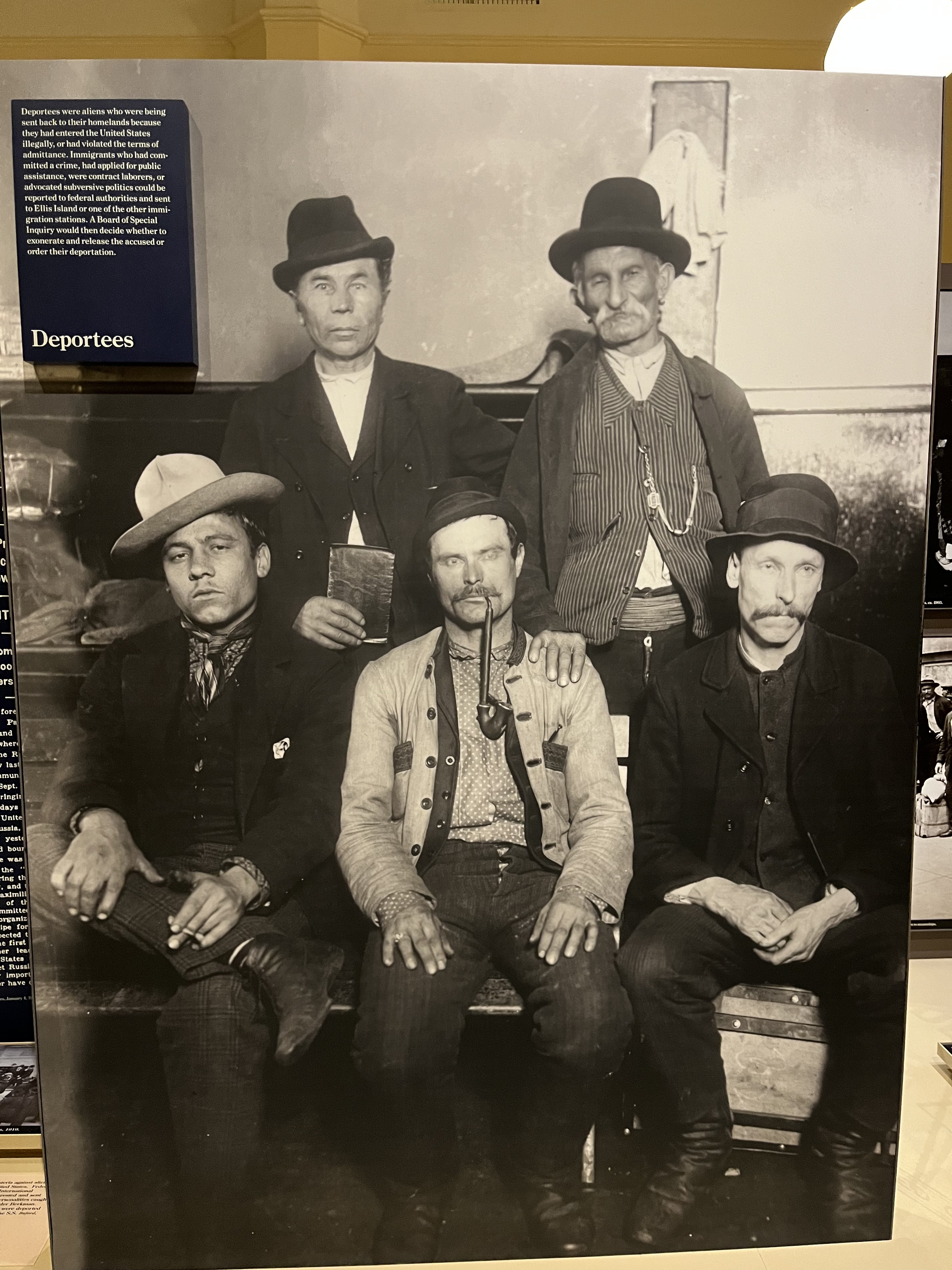
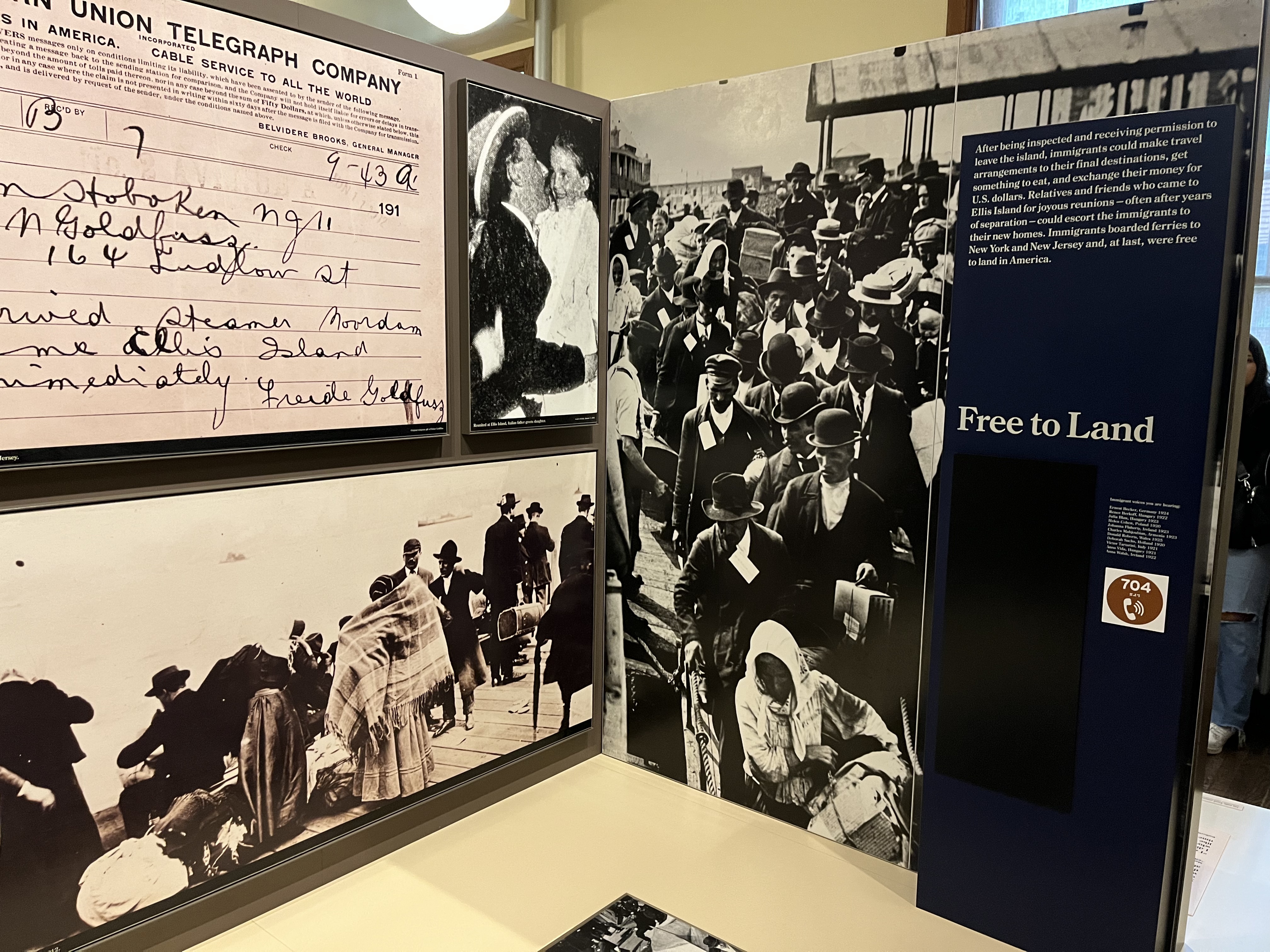
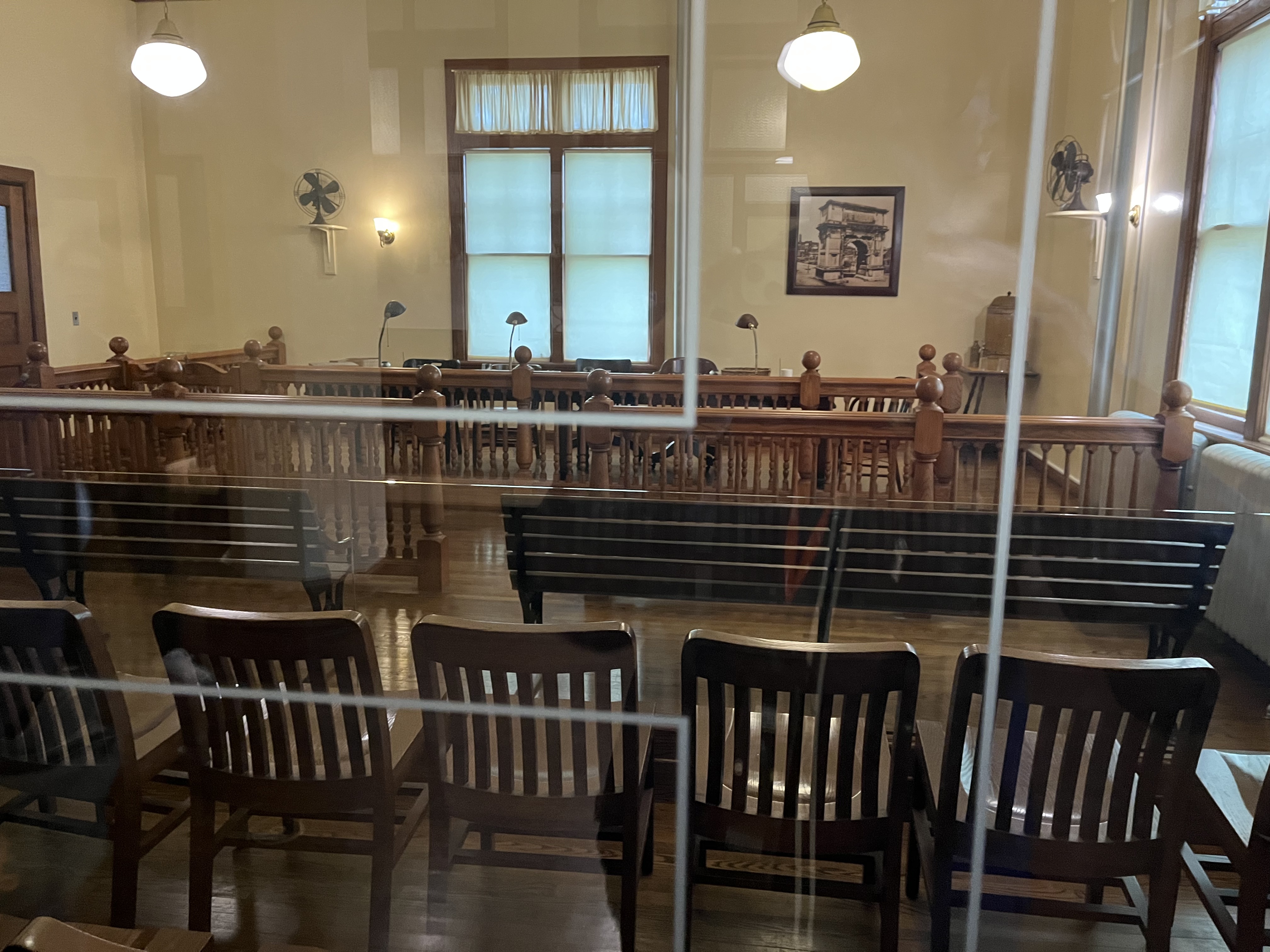
The Immigration Station operated between 1892 and 1954. An estimated 12 million immigrants passed through its doors. Many citizens of the United States can trace their ancestry back to the time when their forebears arrived at this place and started their new lives.



 Gordon's Gubbins.