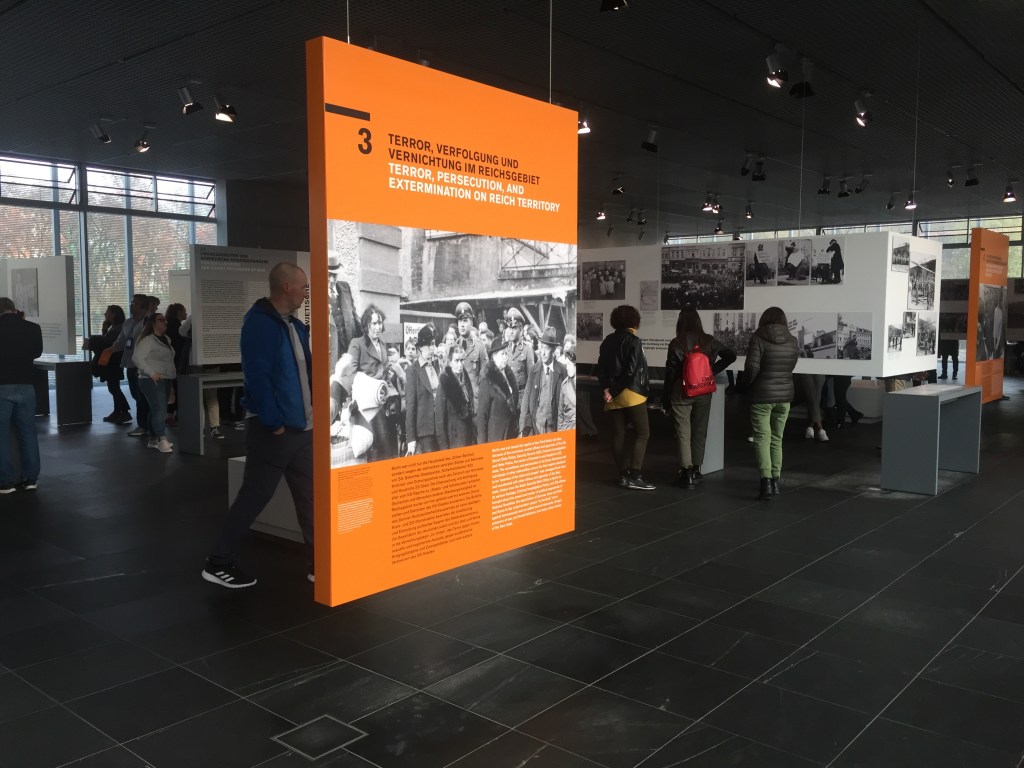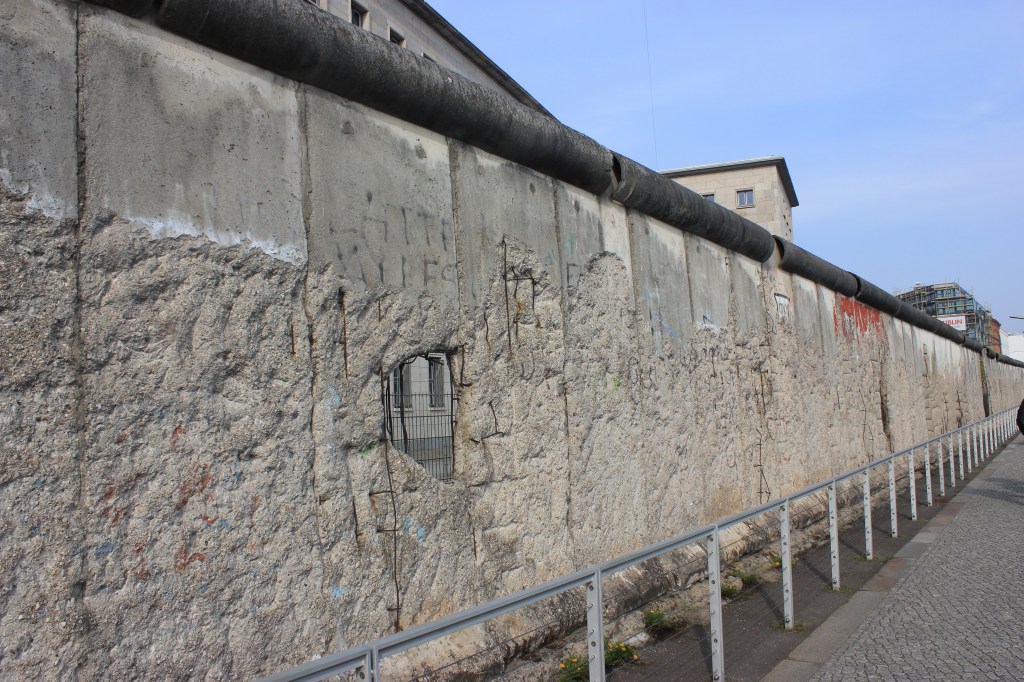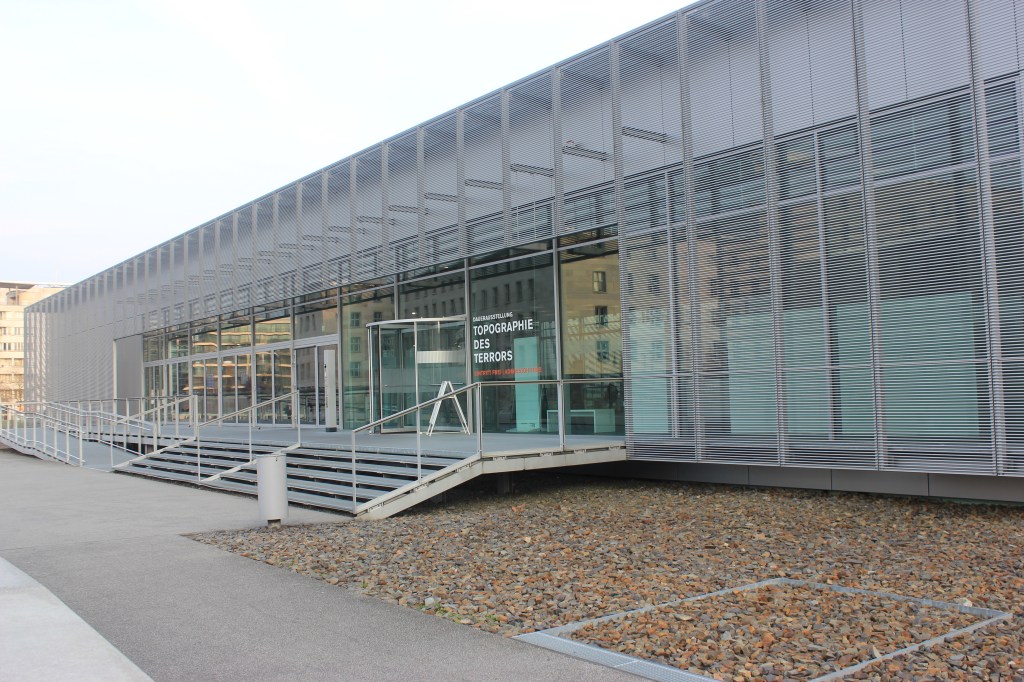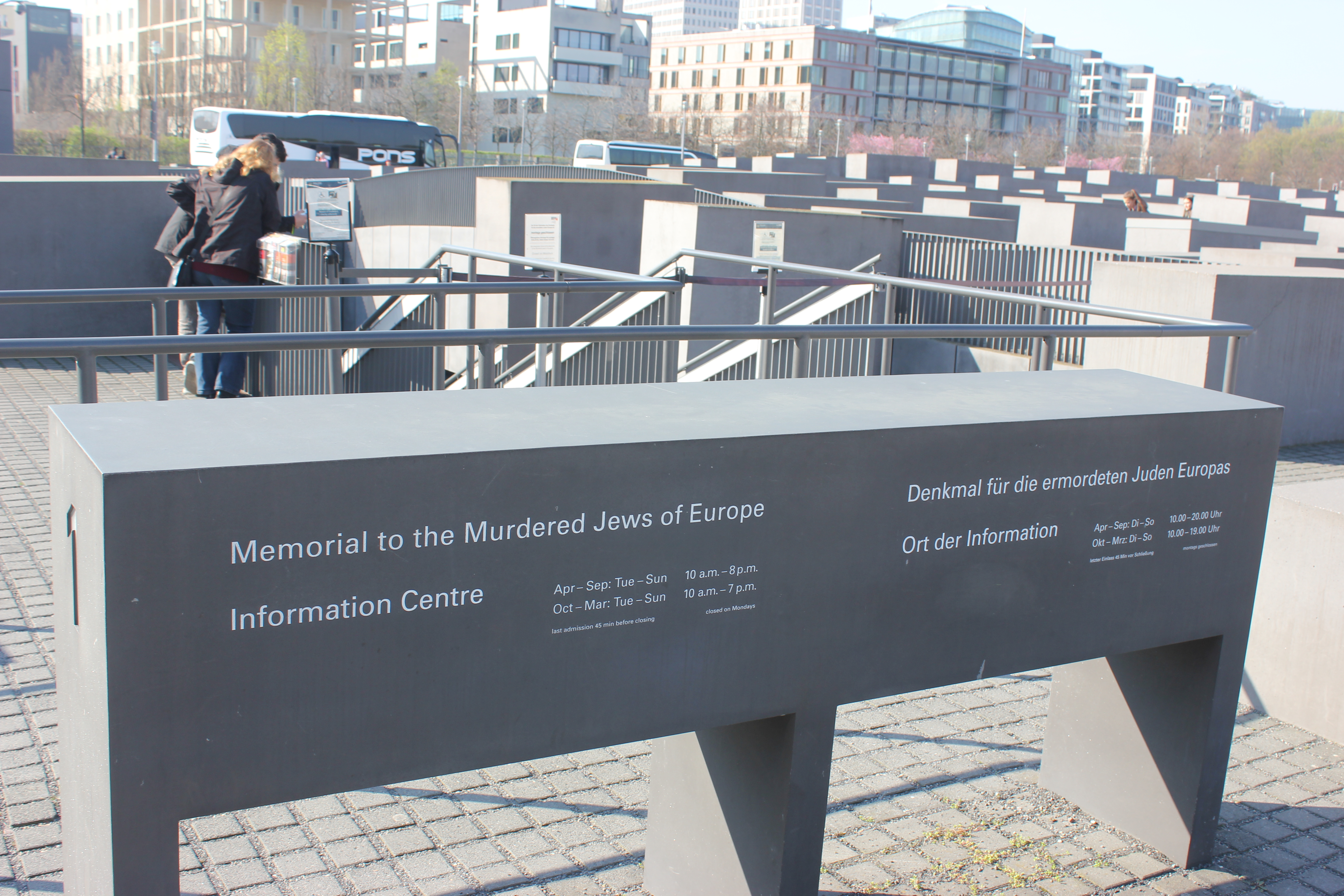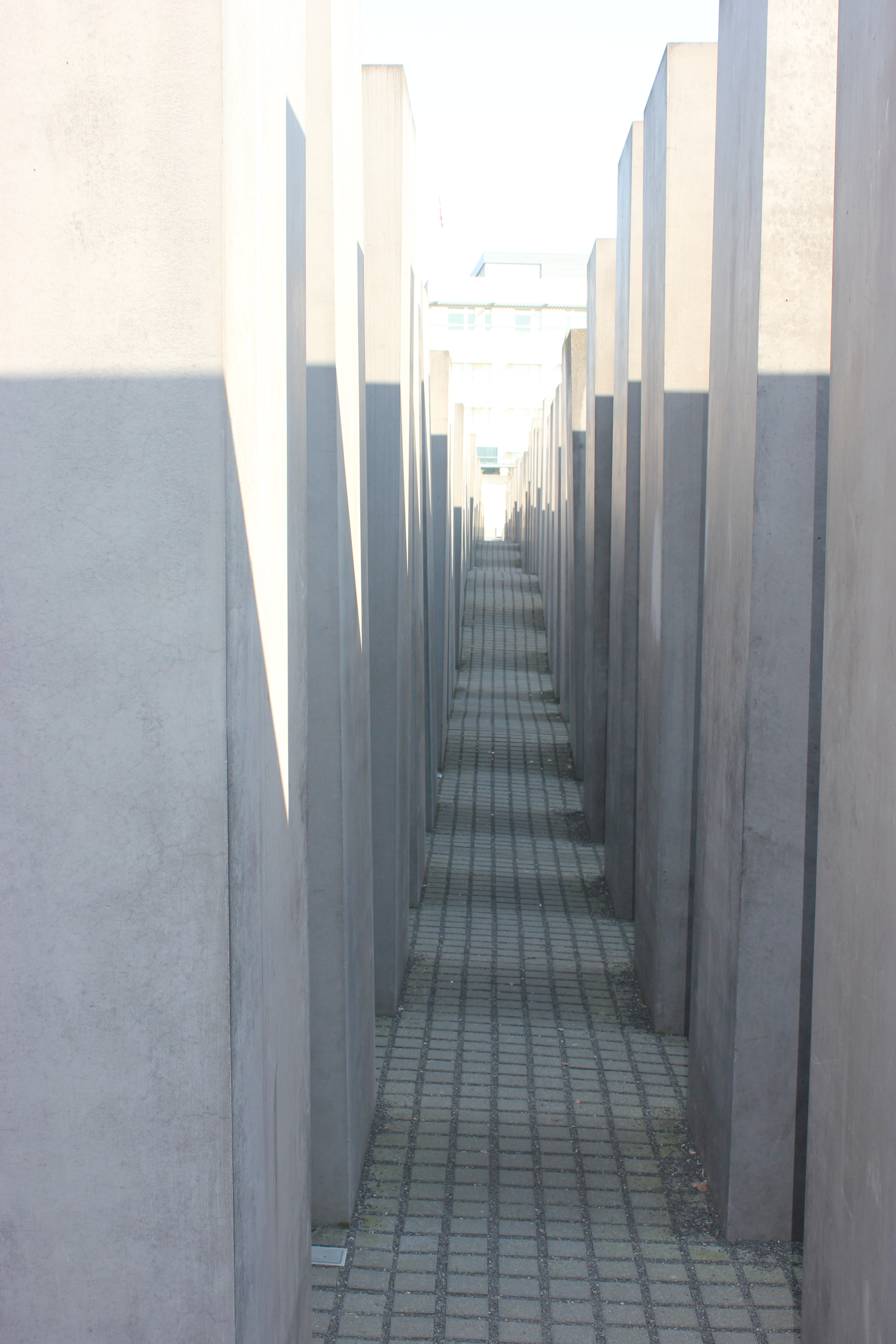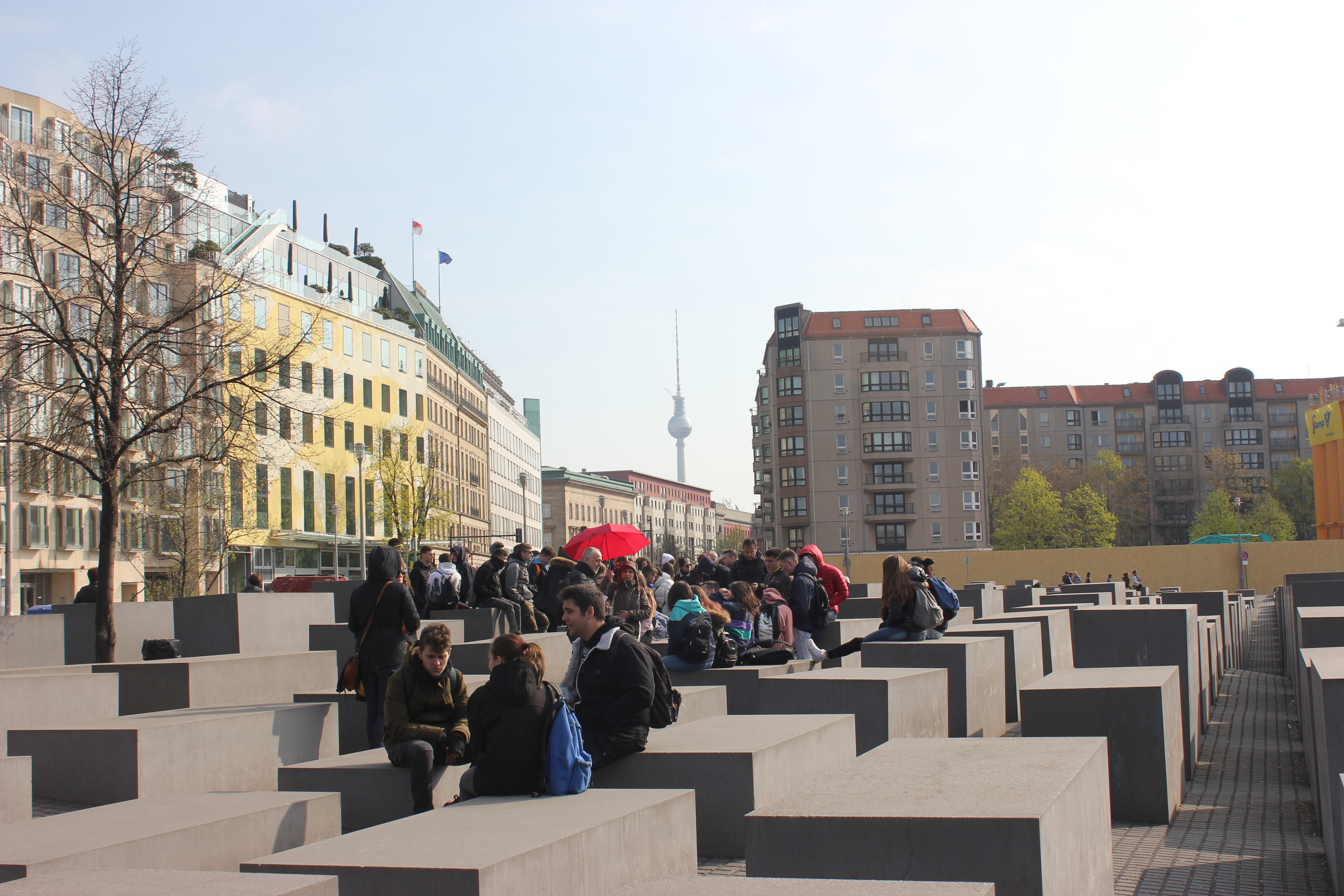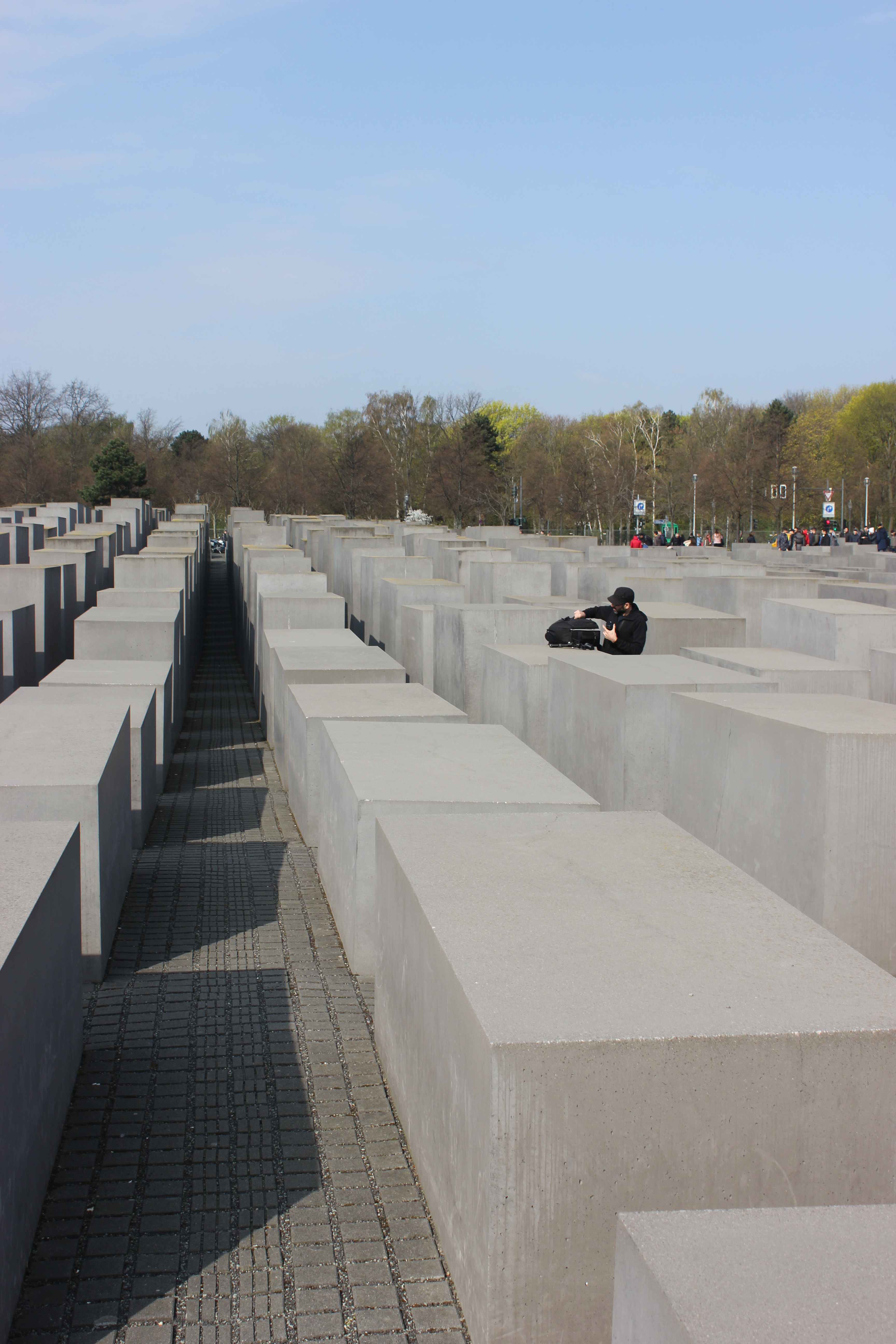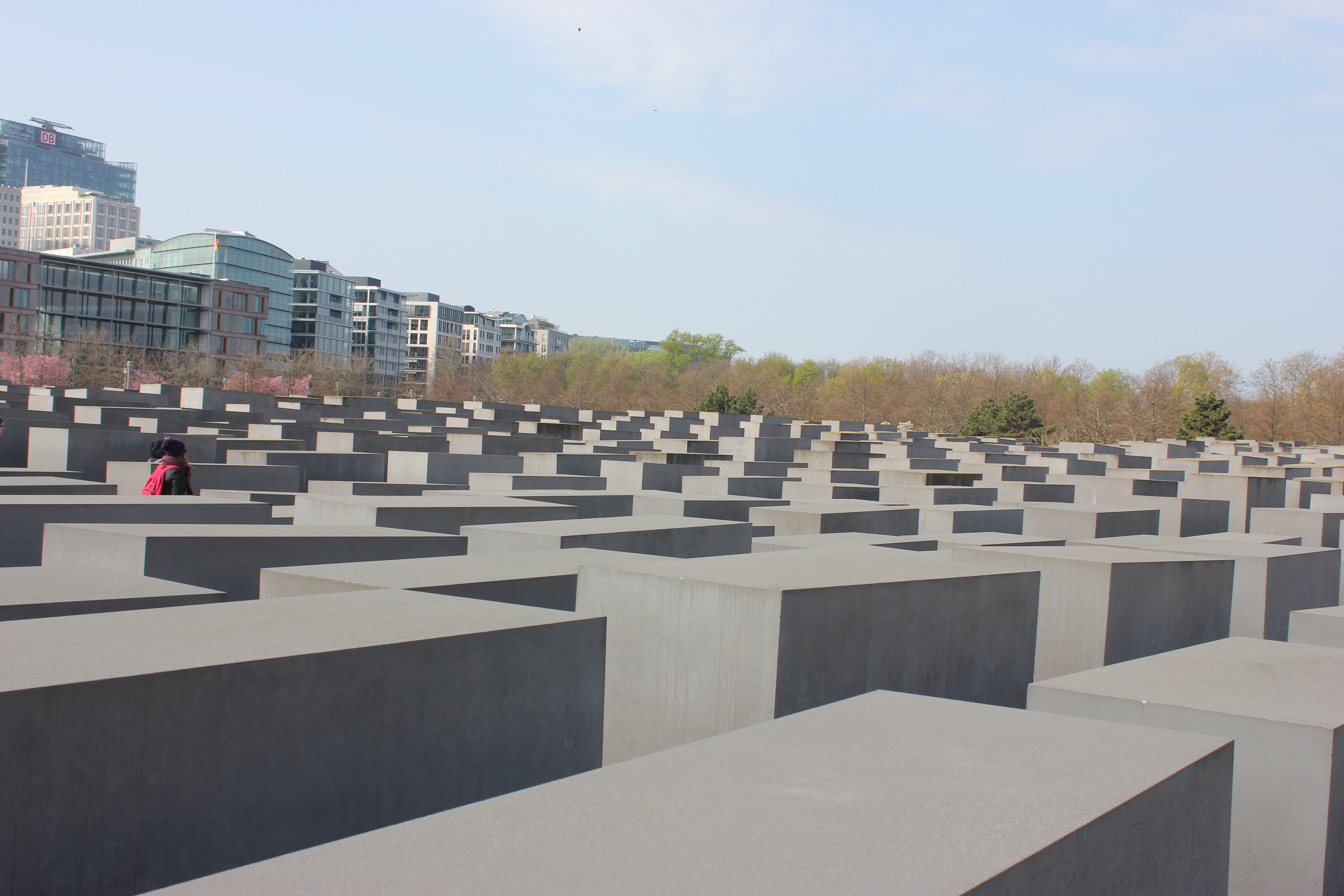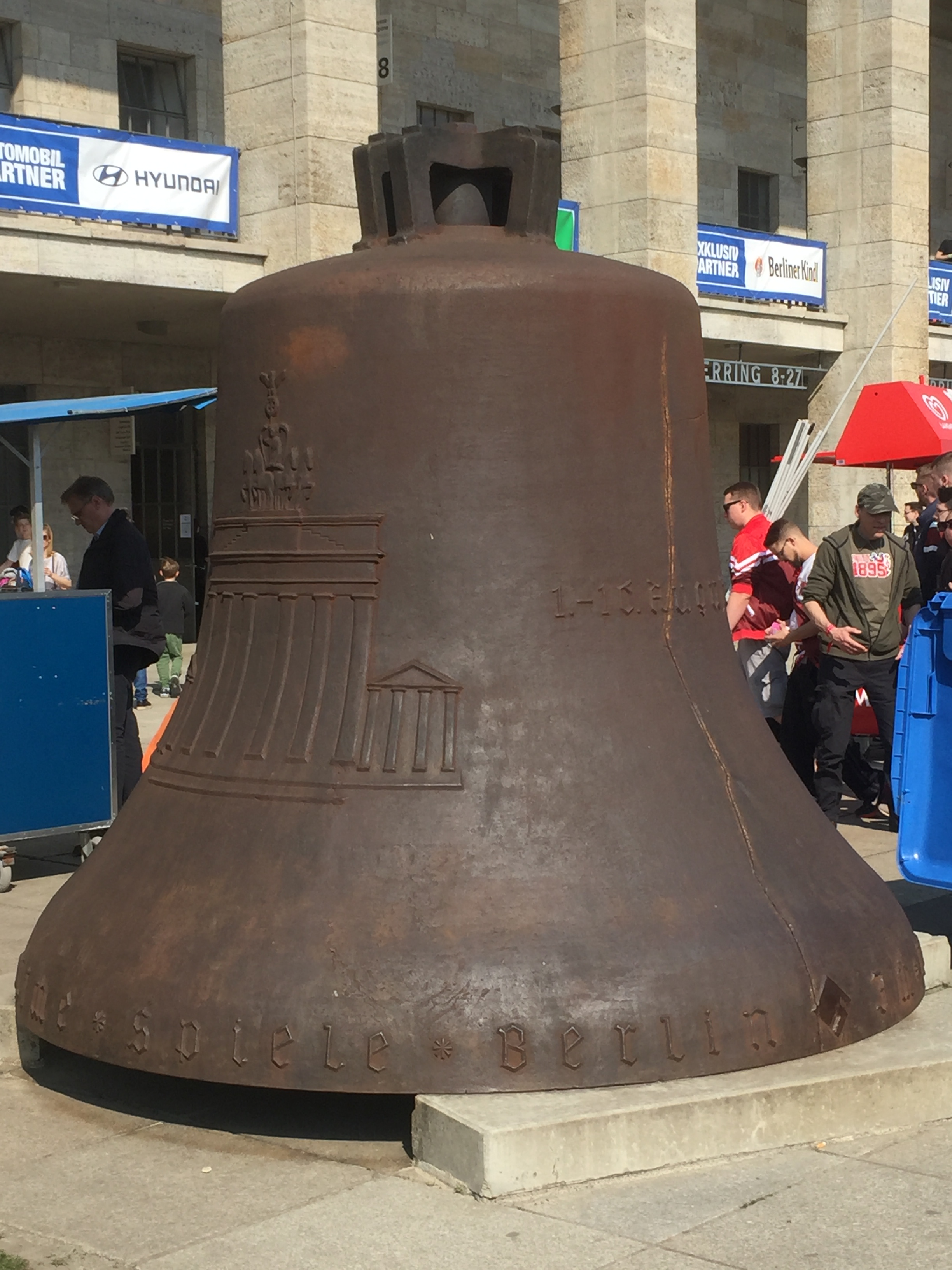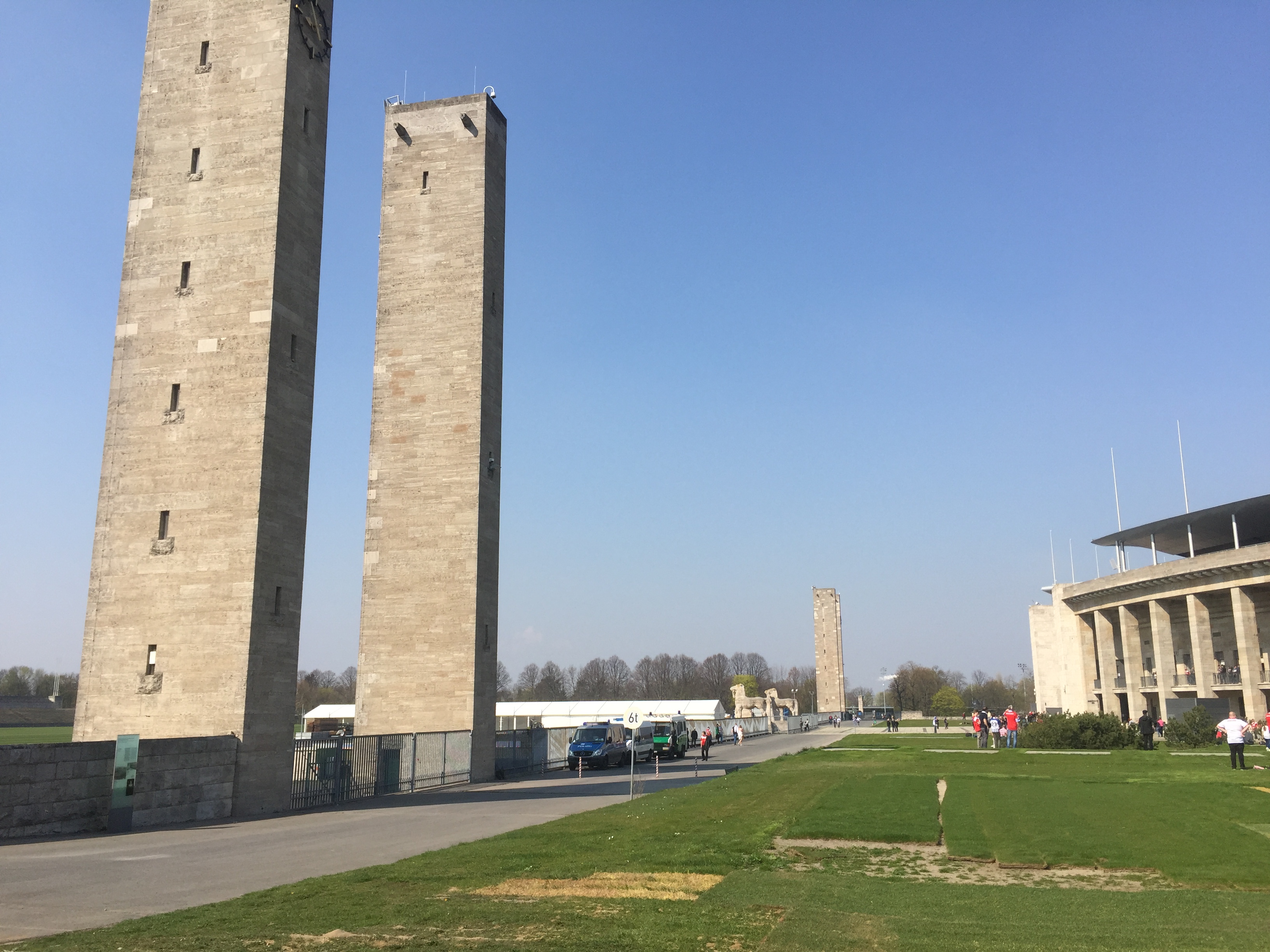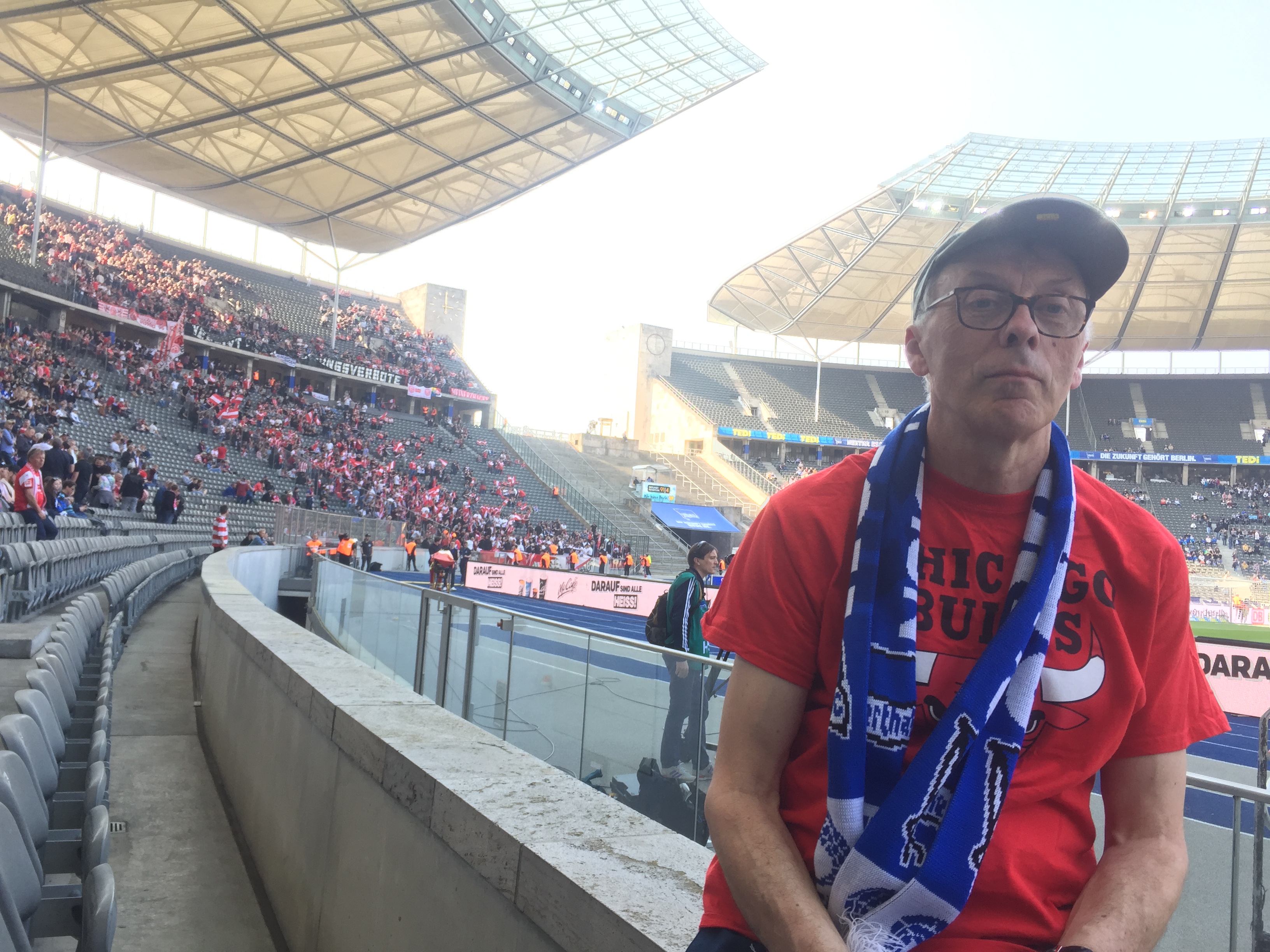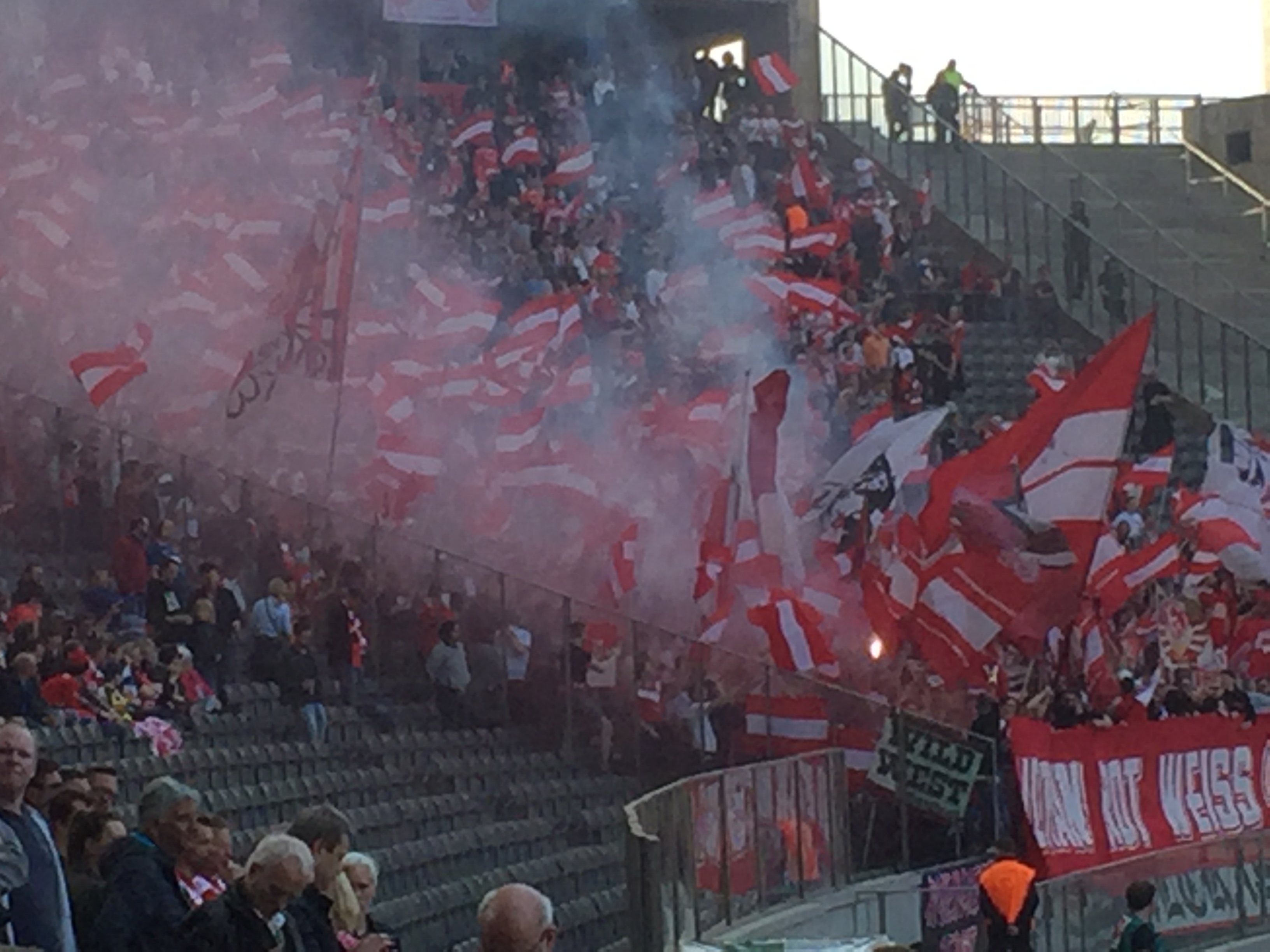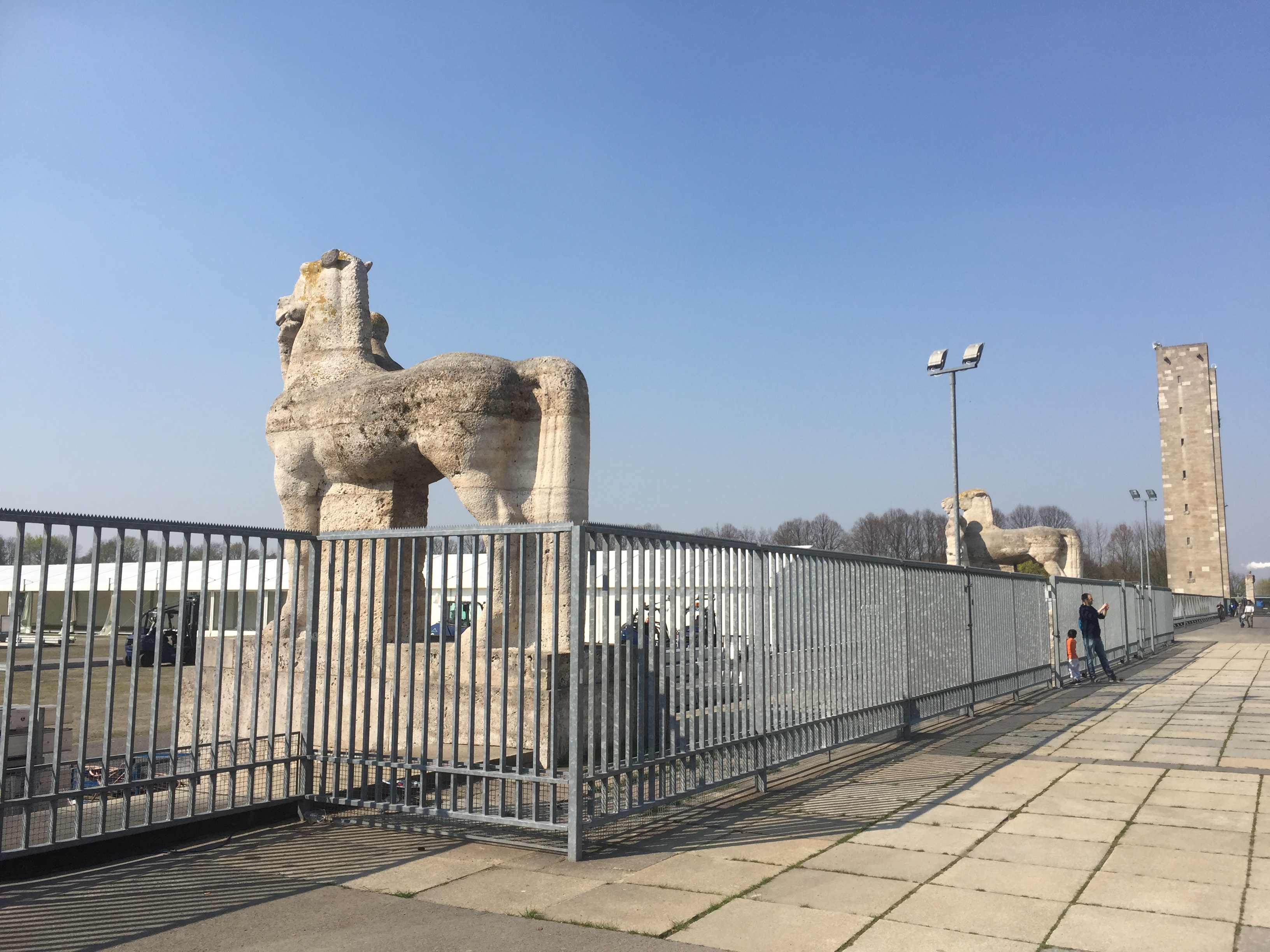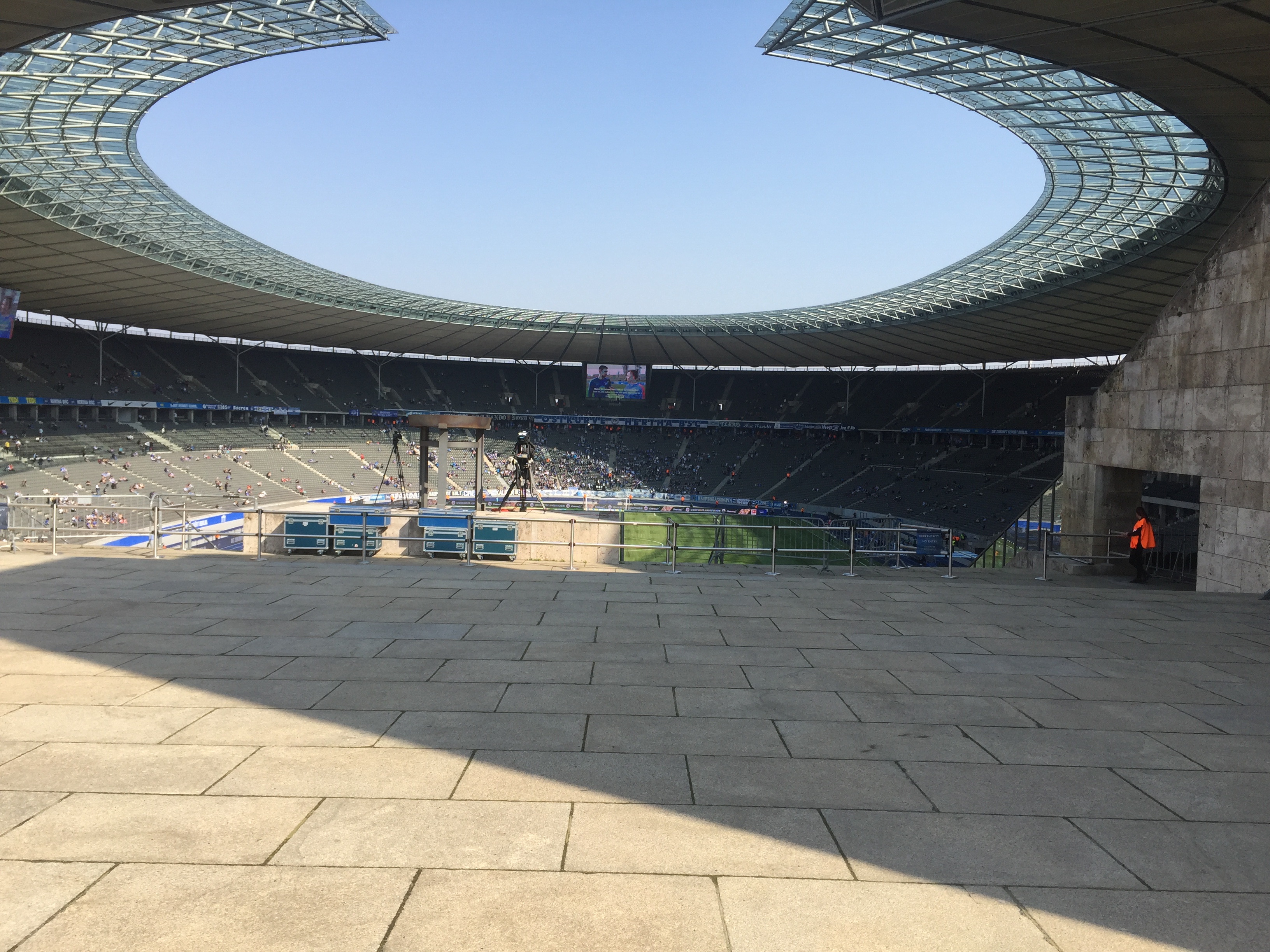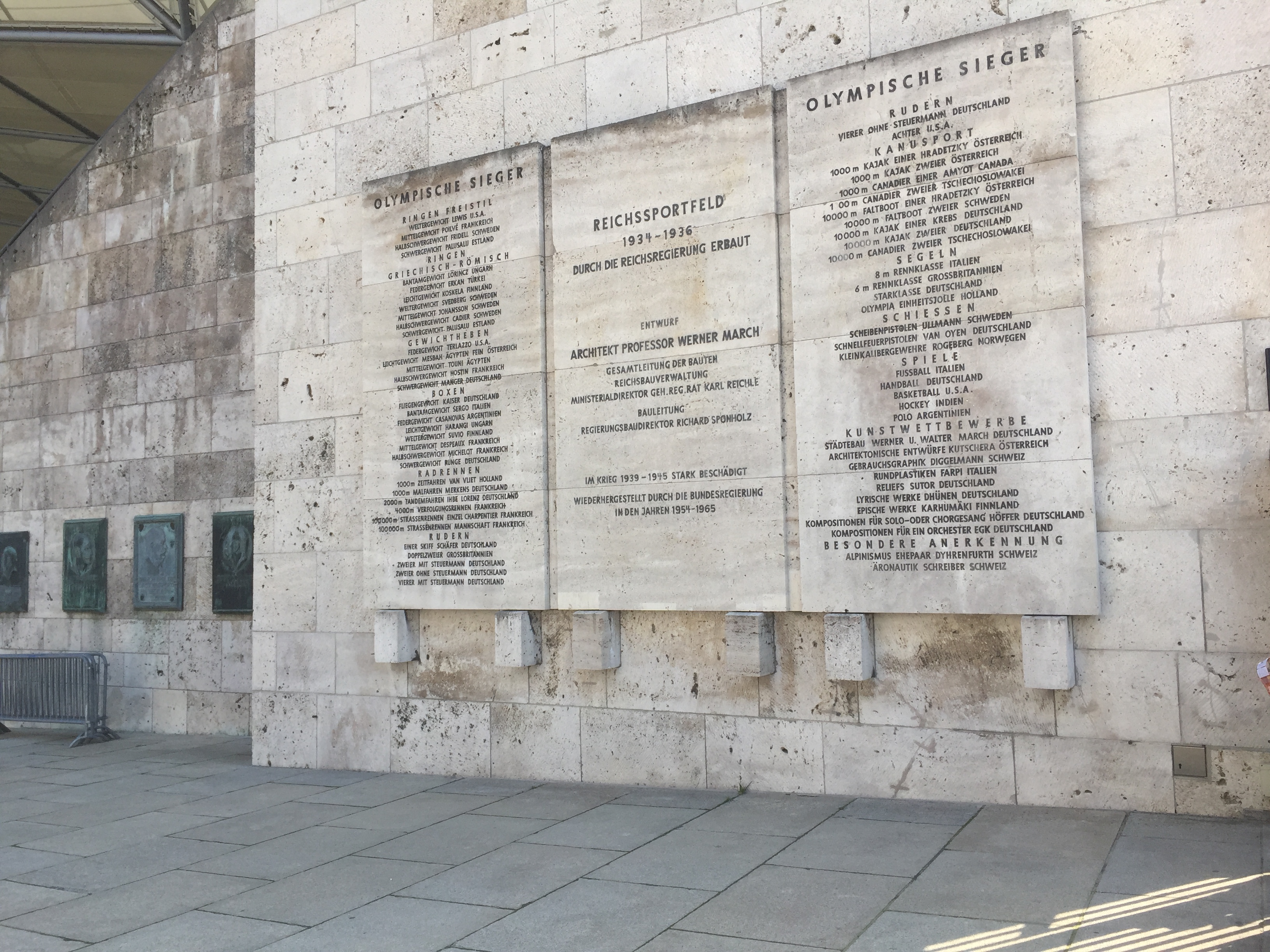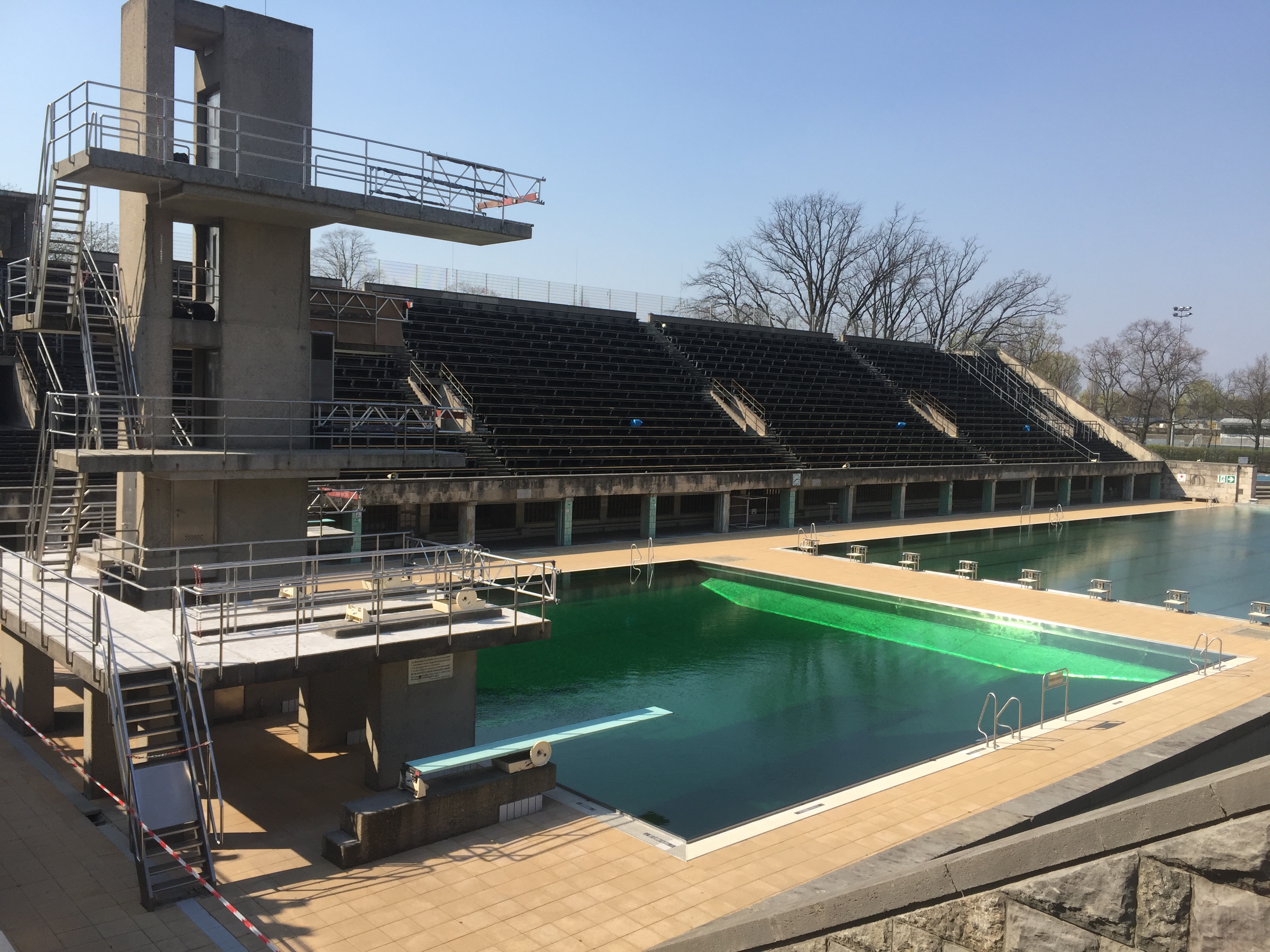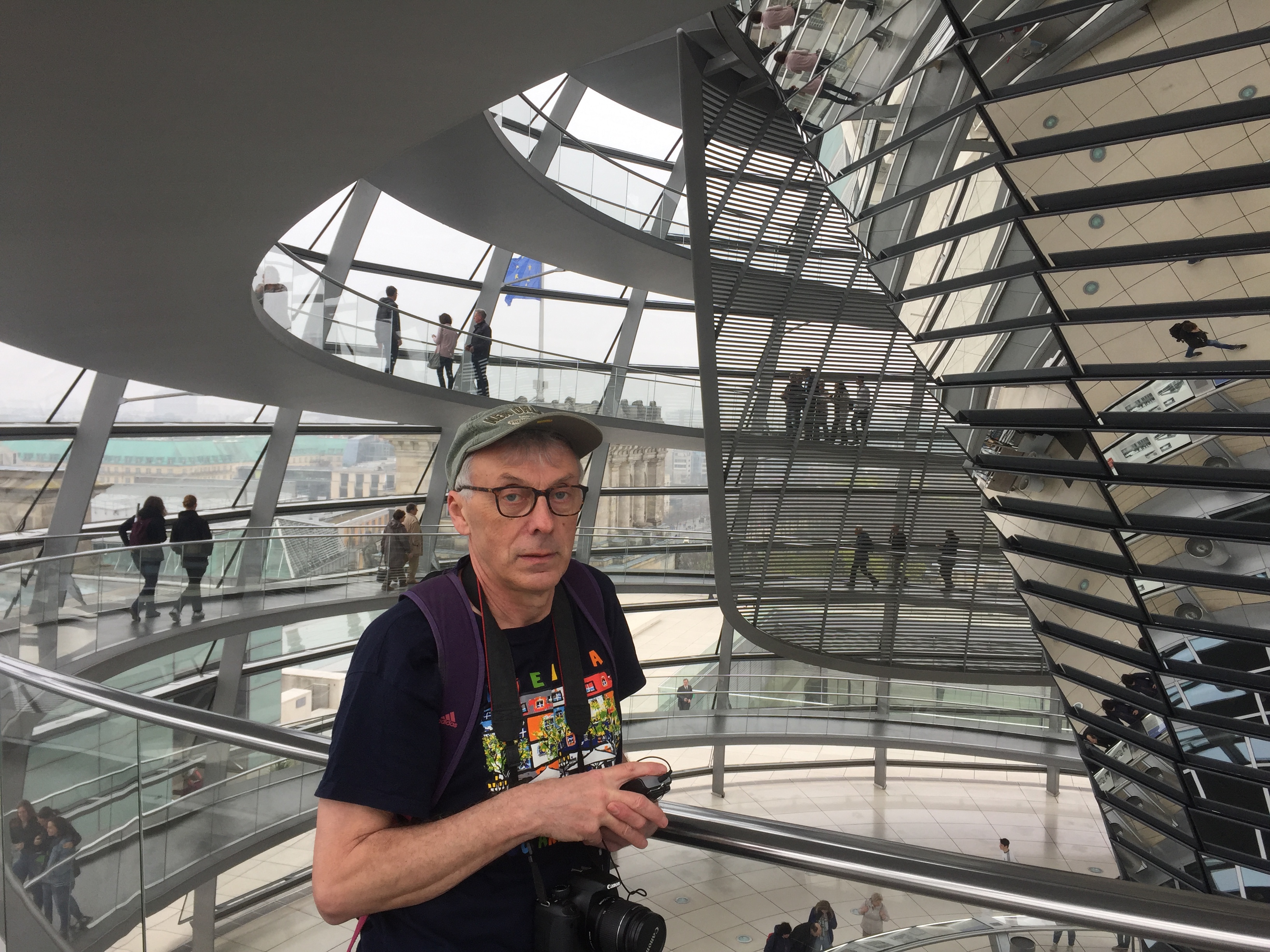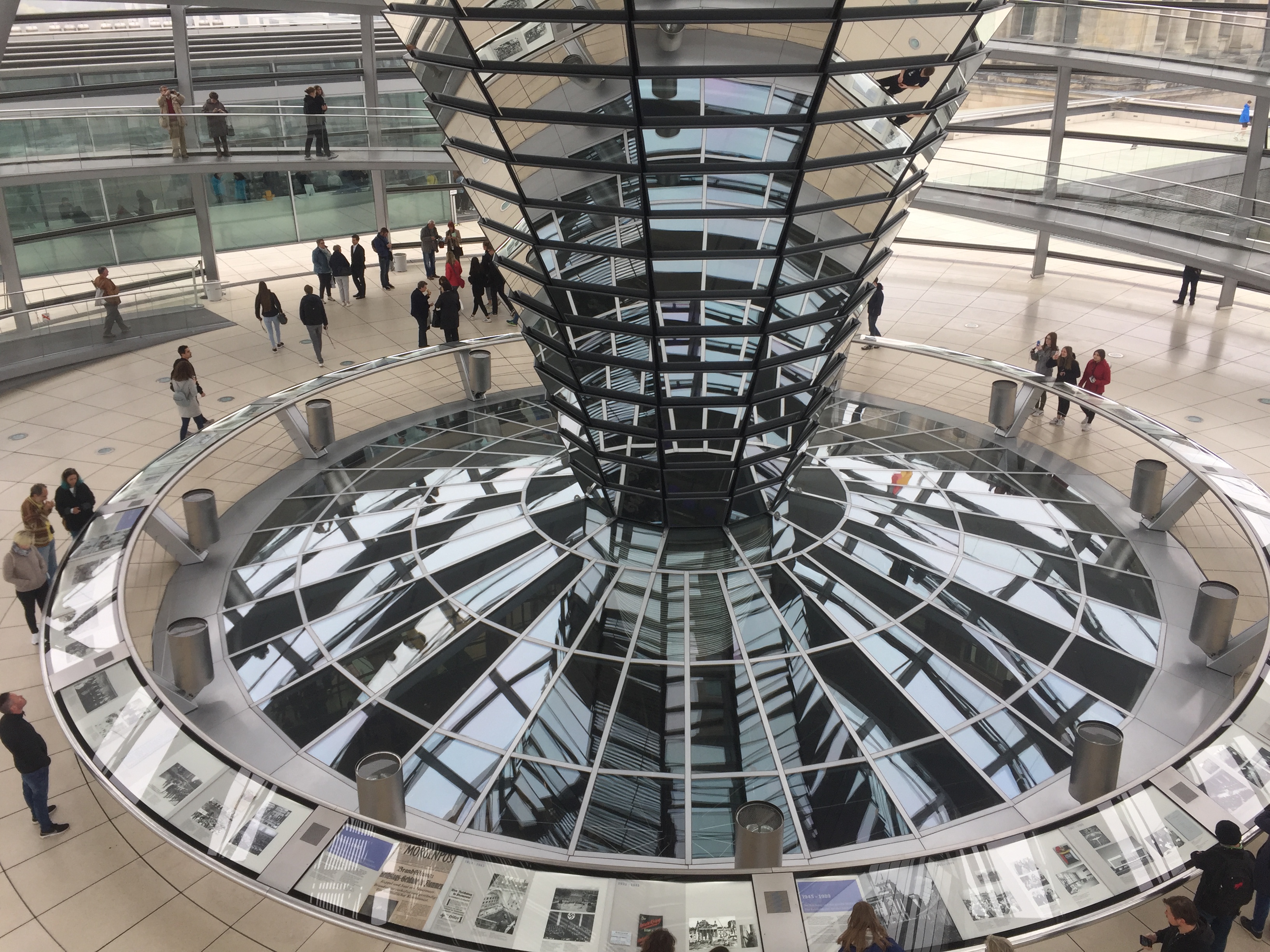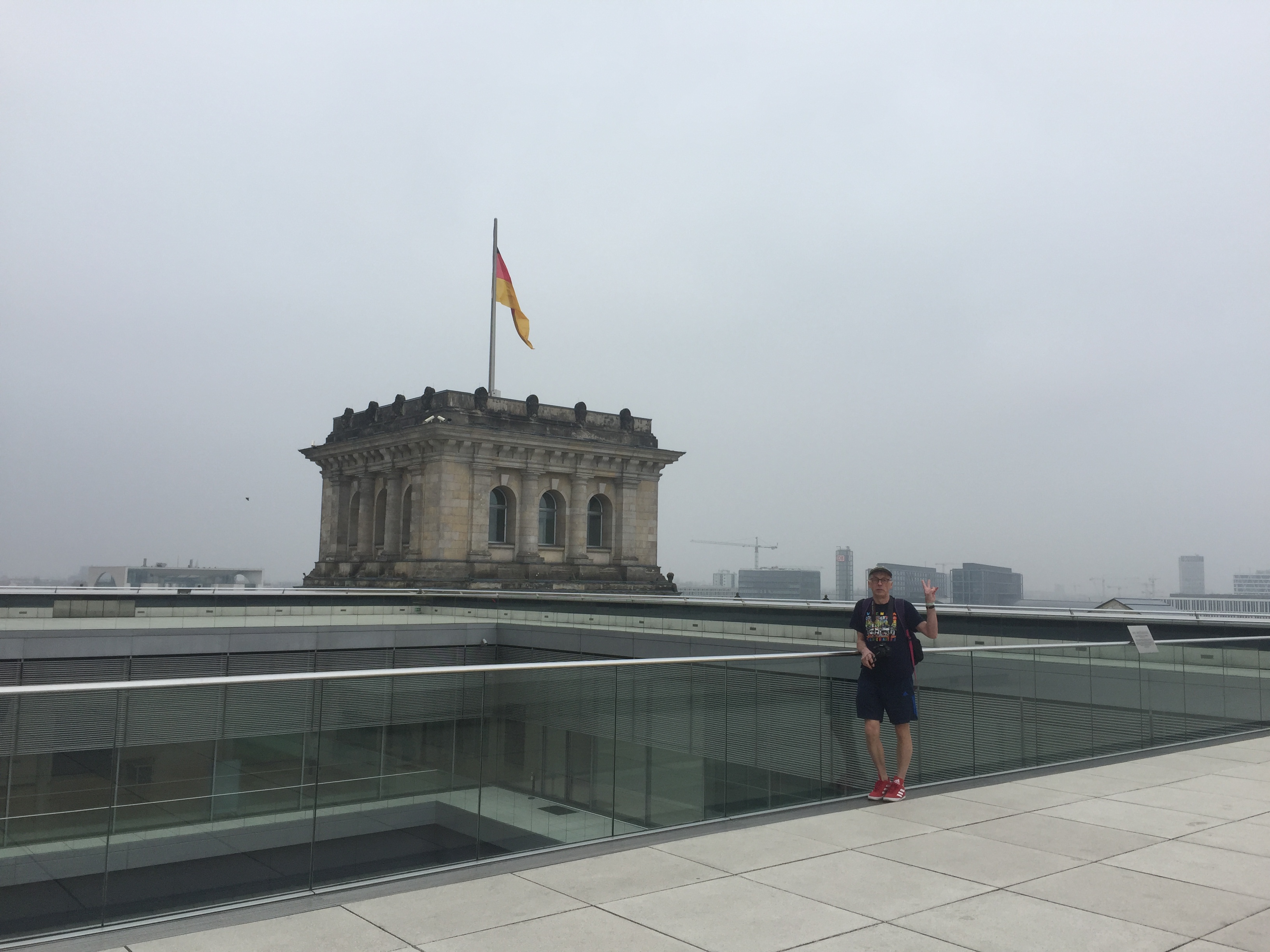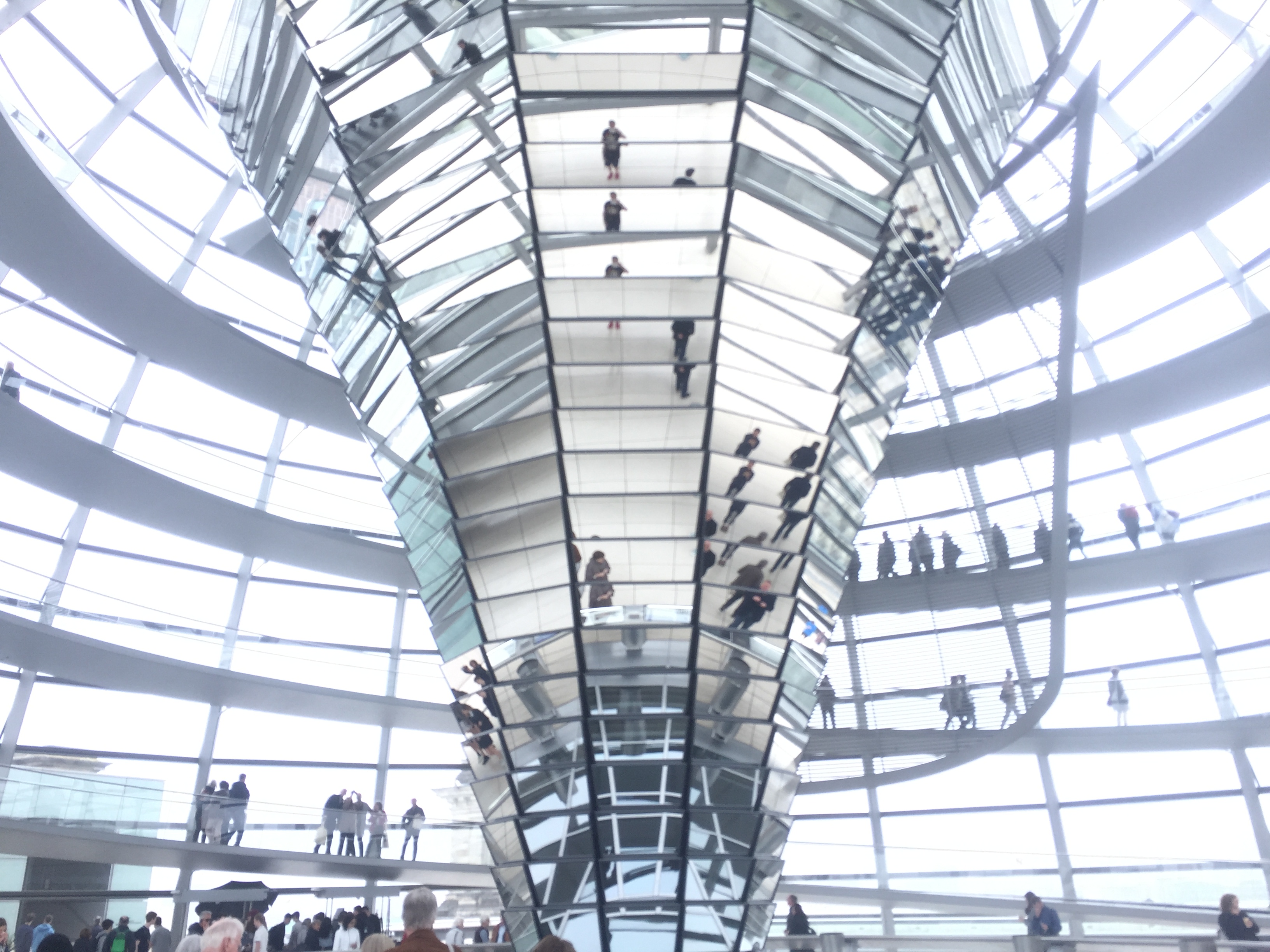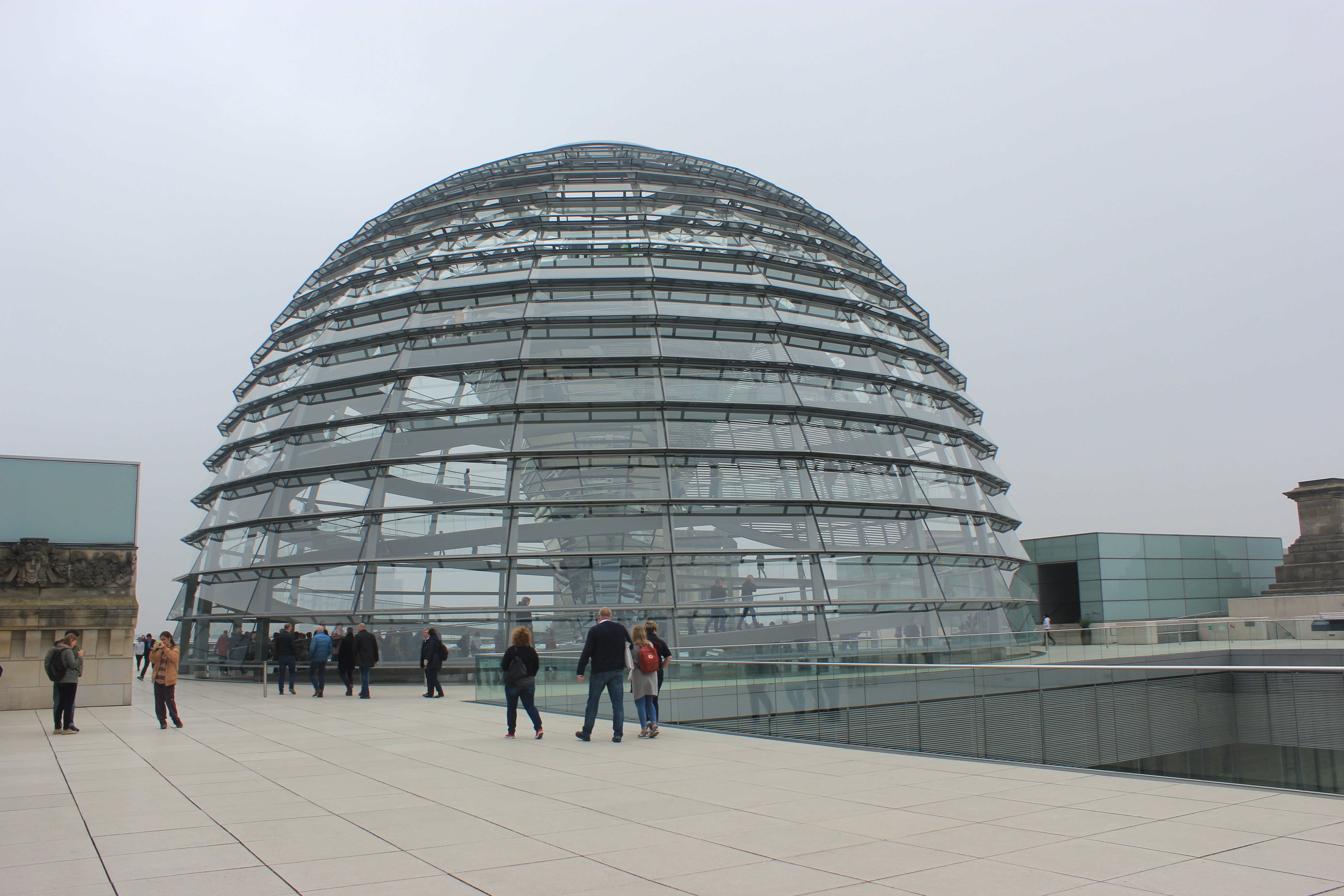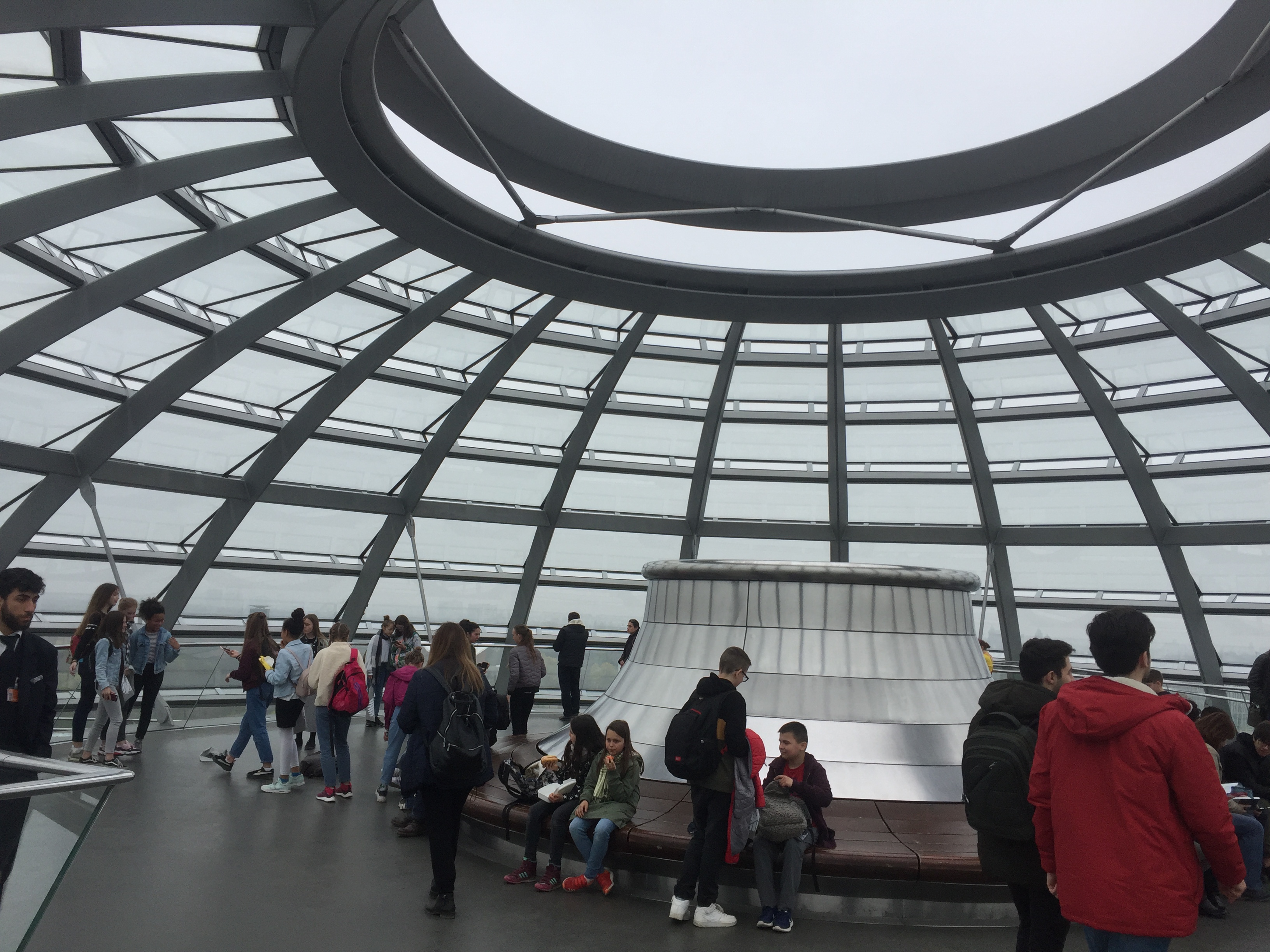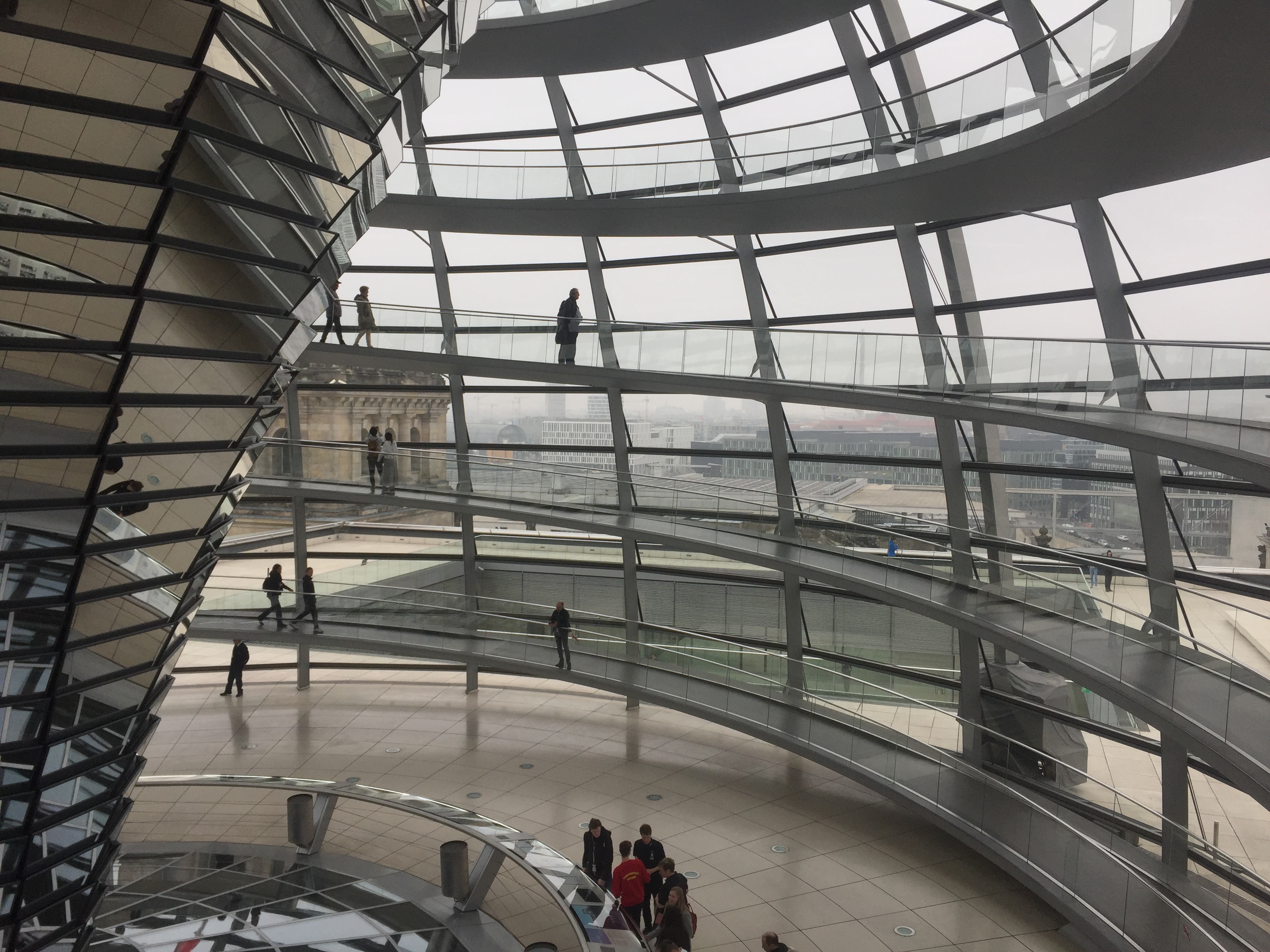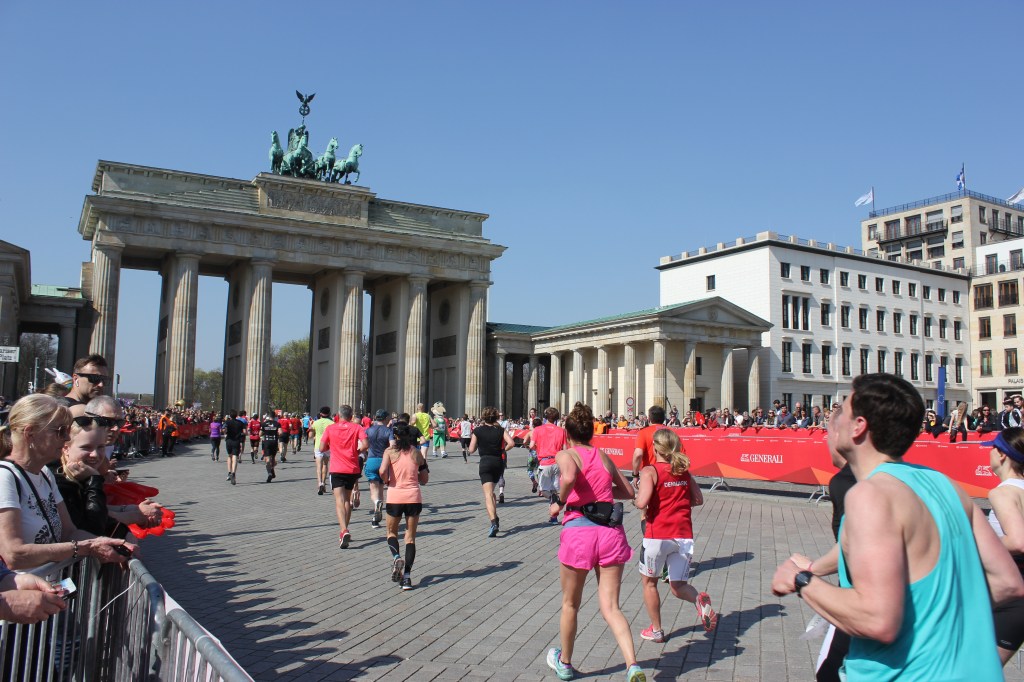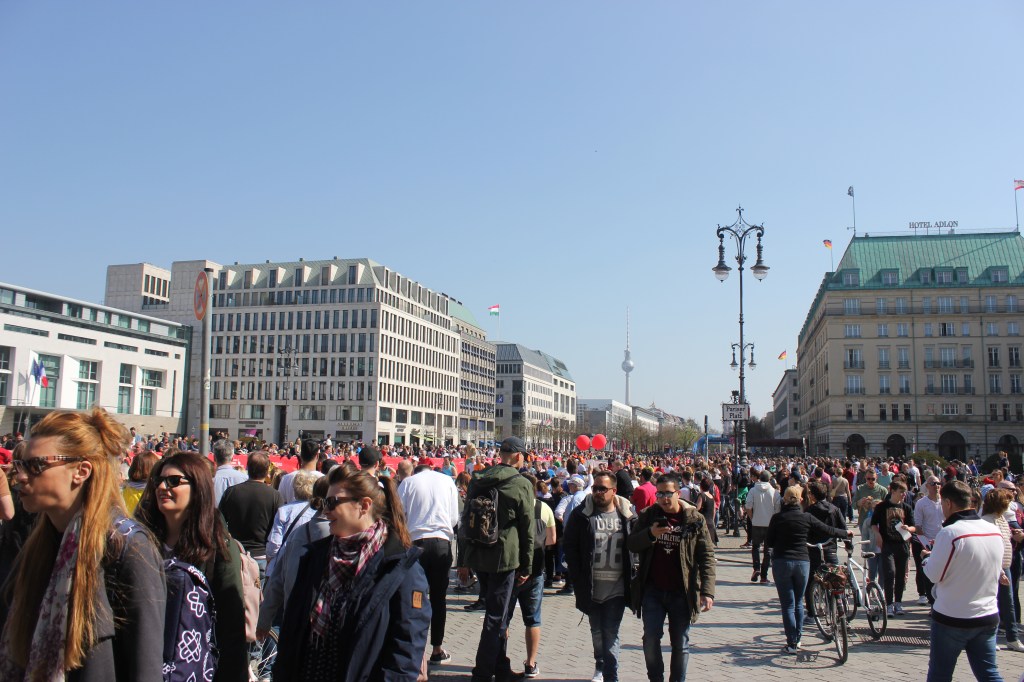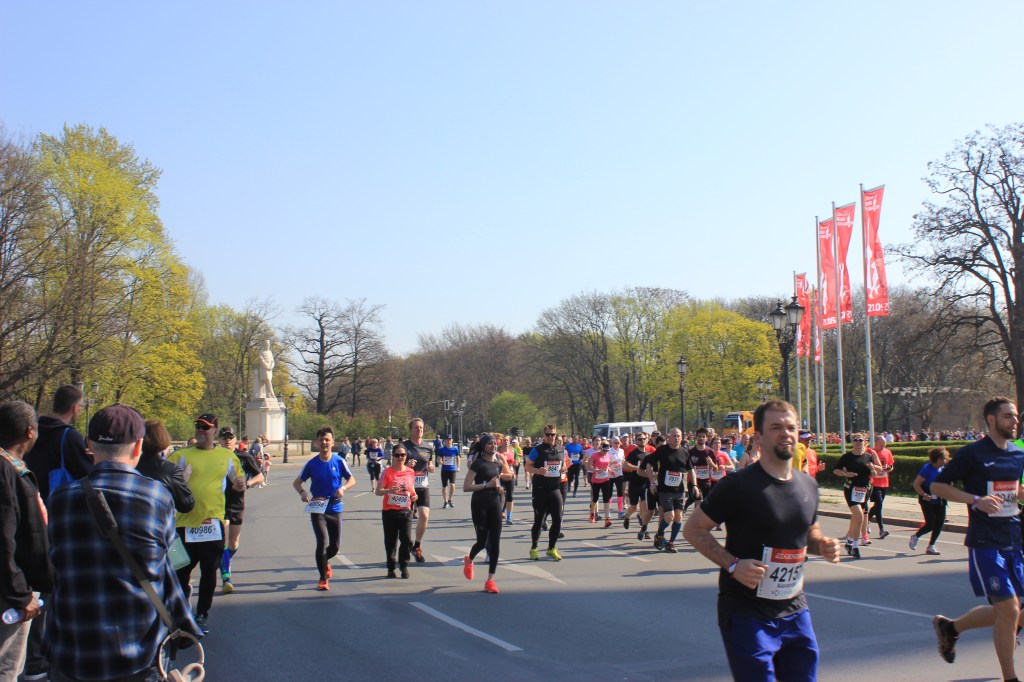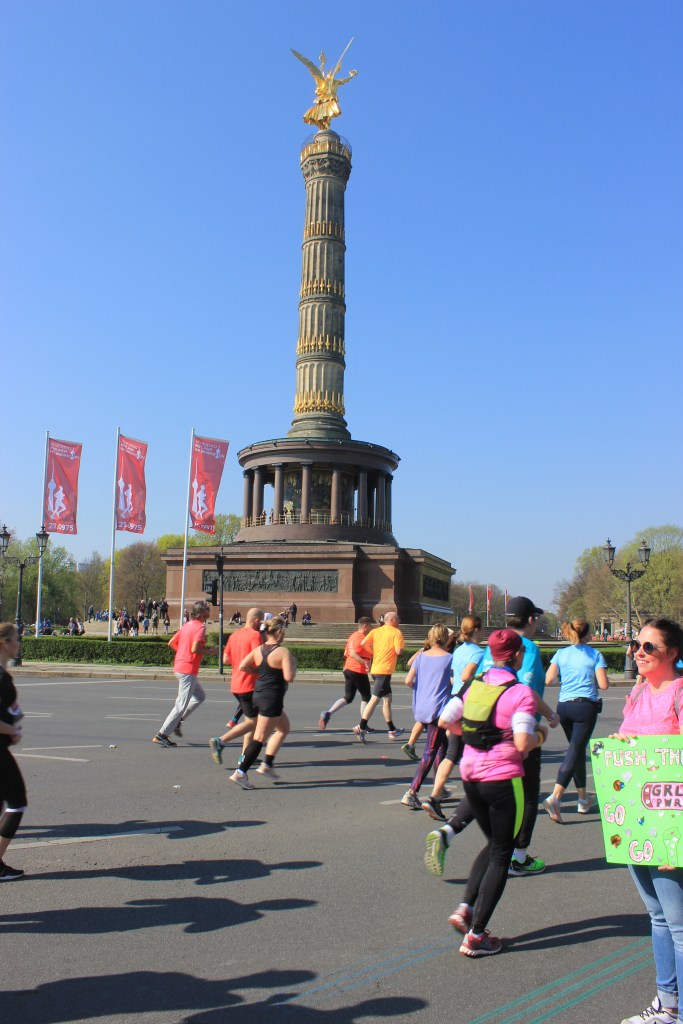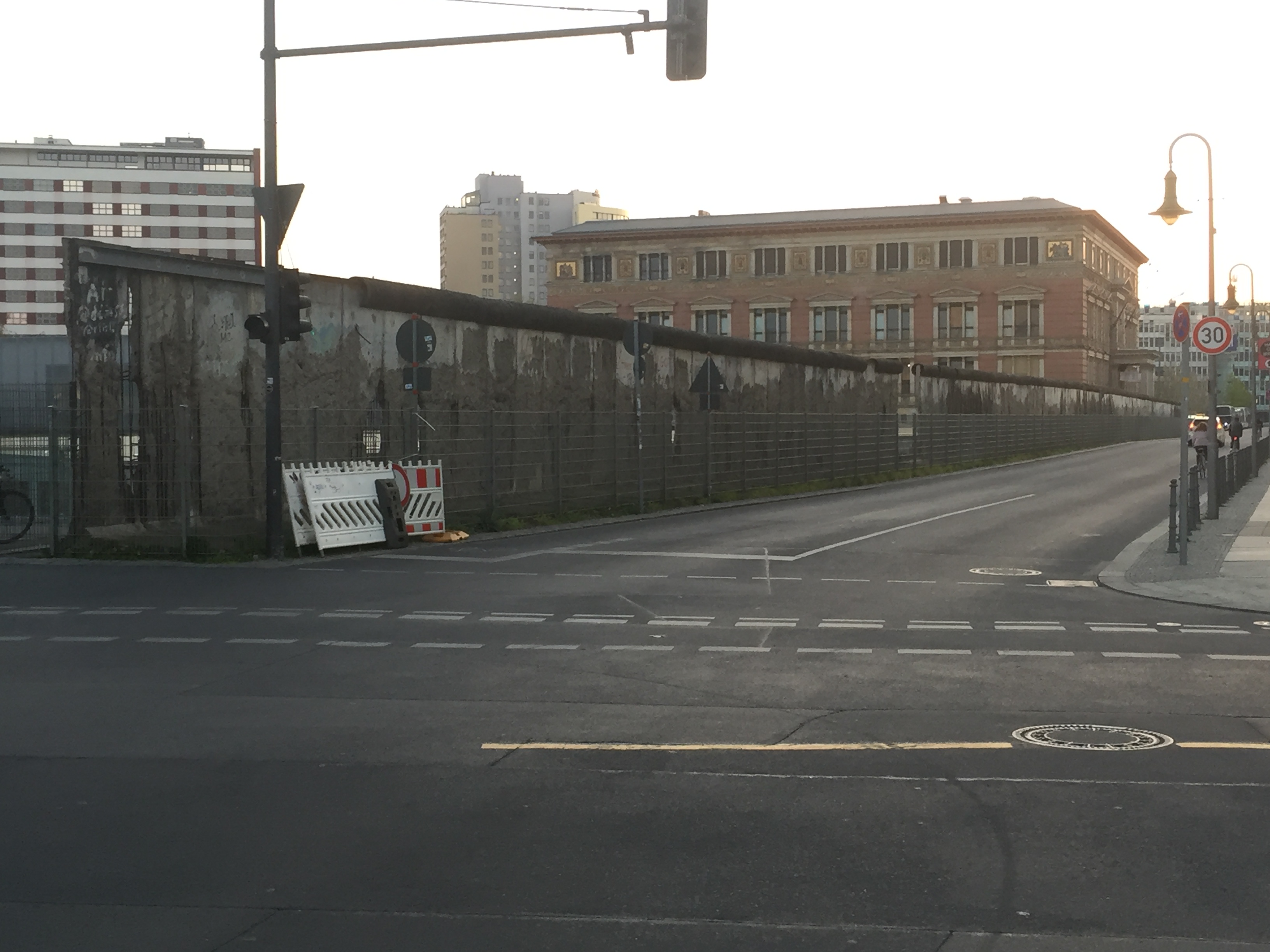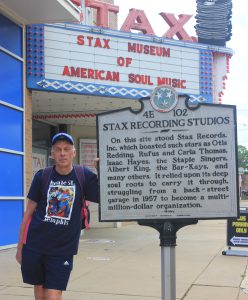
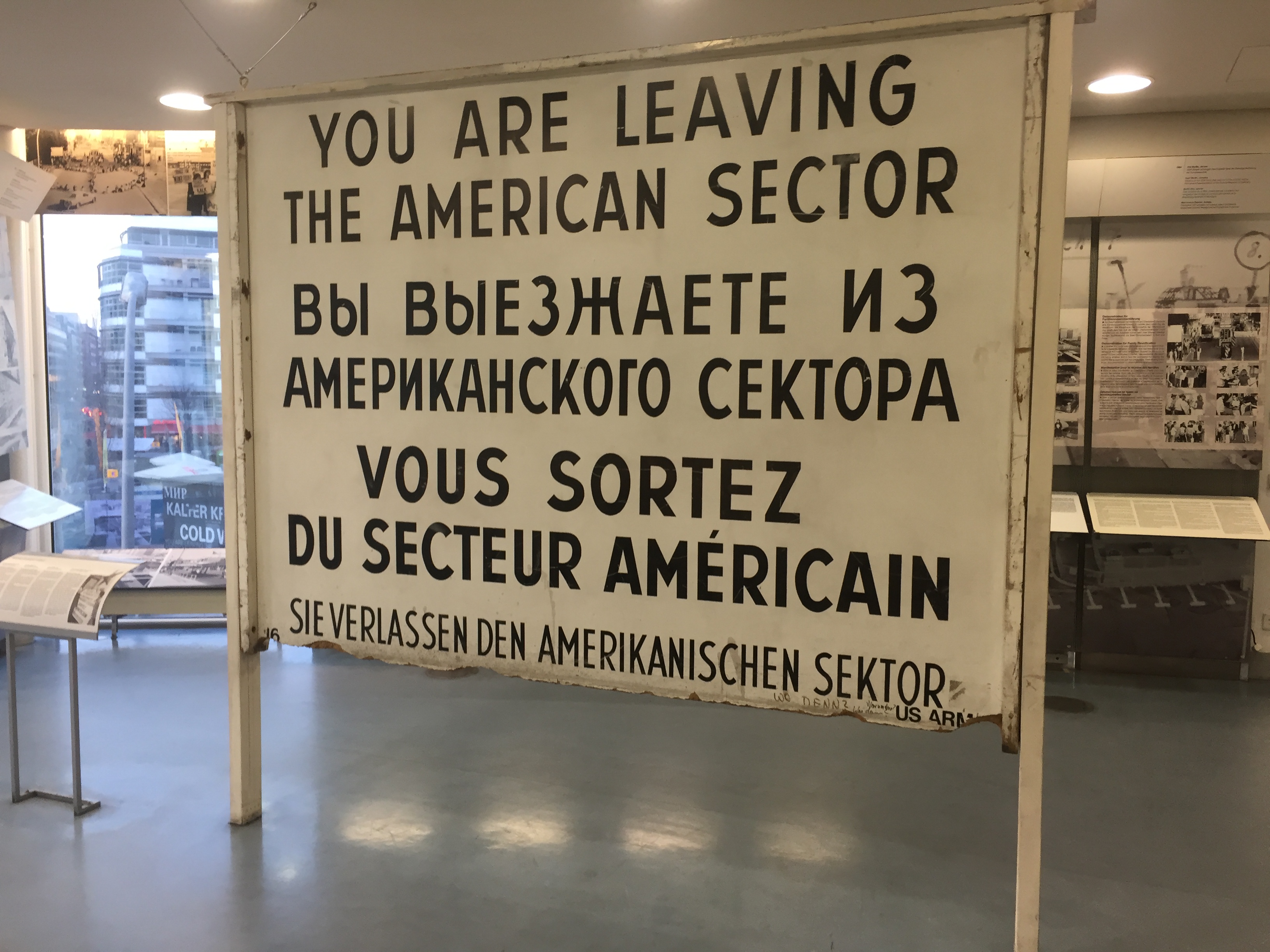
What a place to visit! The cocktail of history, politics, architecture and views over Berlin make this a must see attraction.
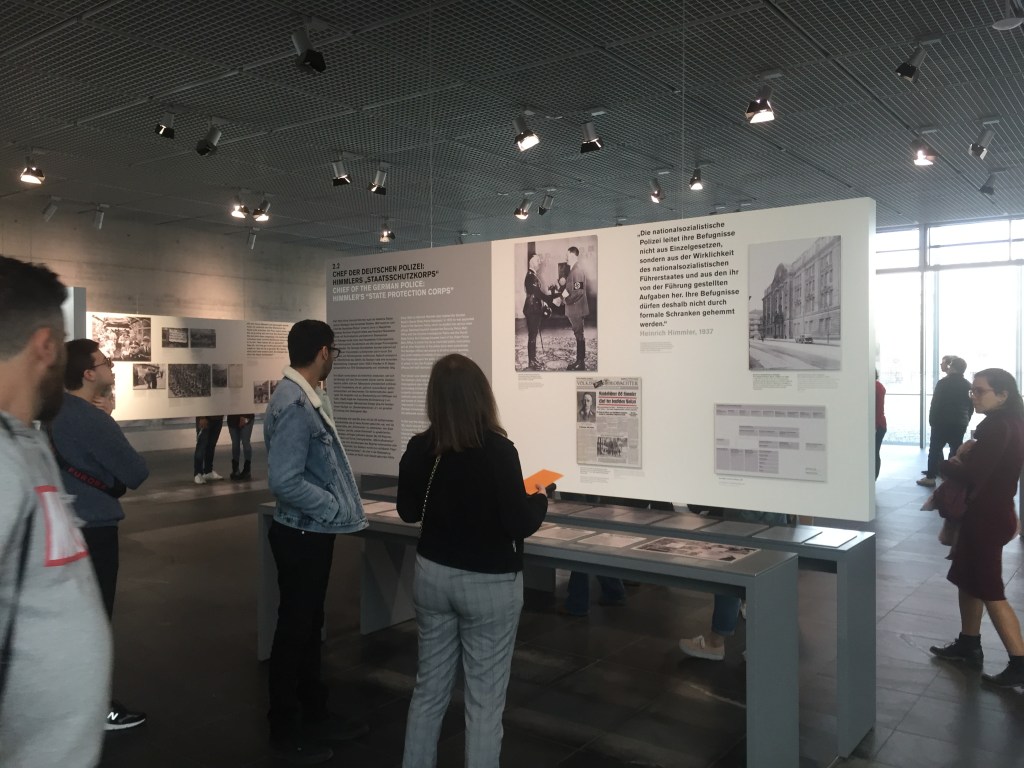
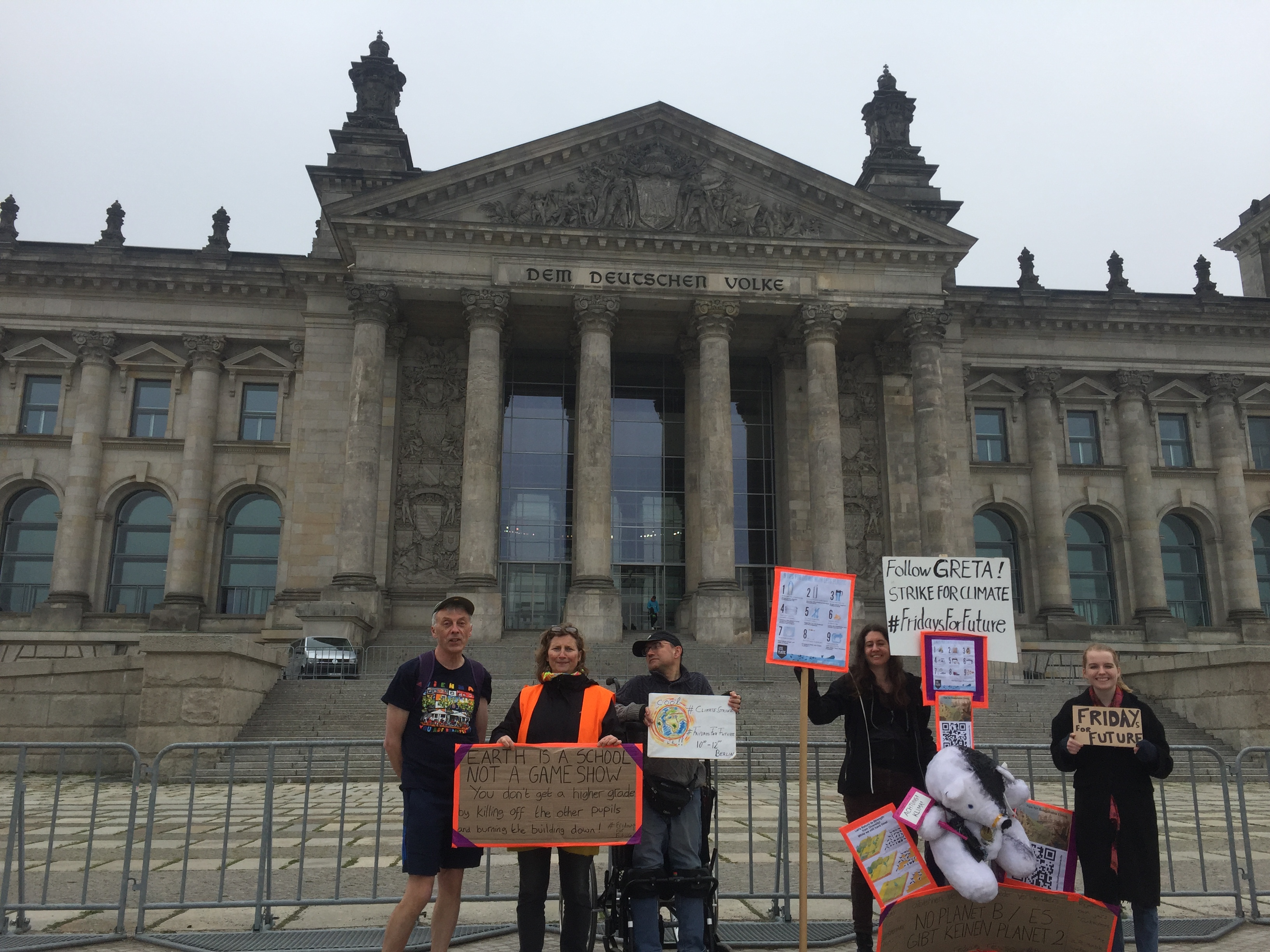
It is good to see that people come here to fight for our futures and just causes. I met some some activists of Climate Pledge Collective who are doing their bit.
Look out for more activity from them especially on Fridays. This is a global movement that we are all going to hear more about.
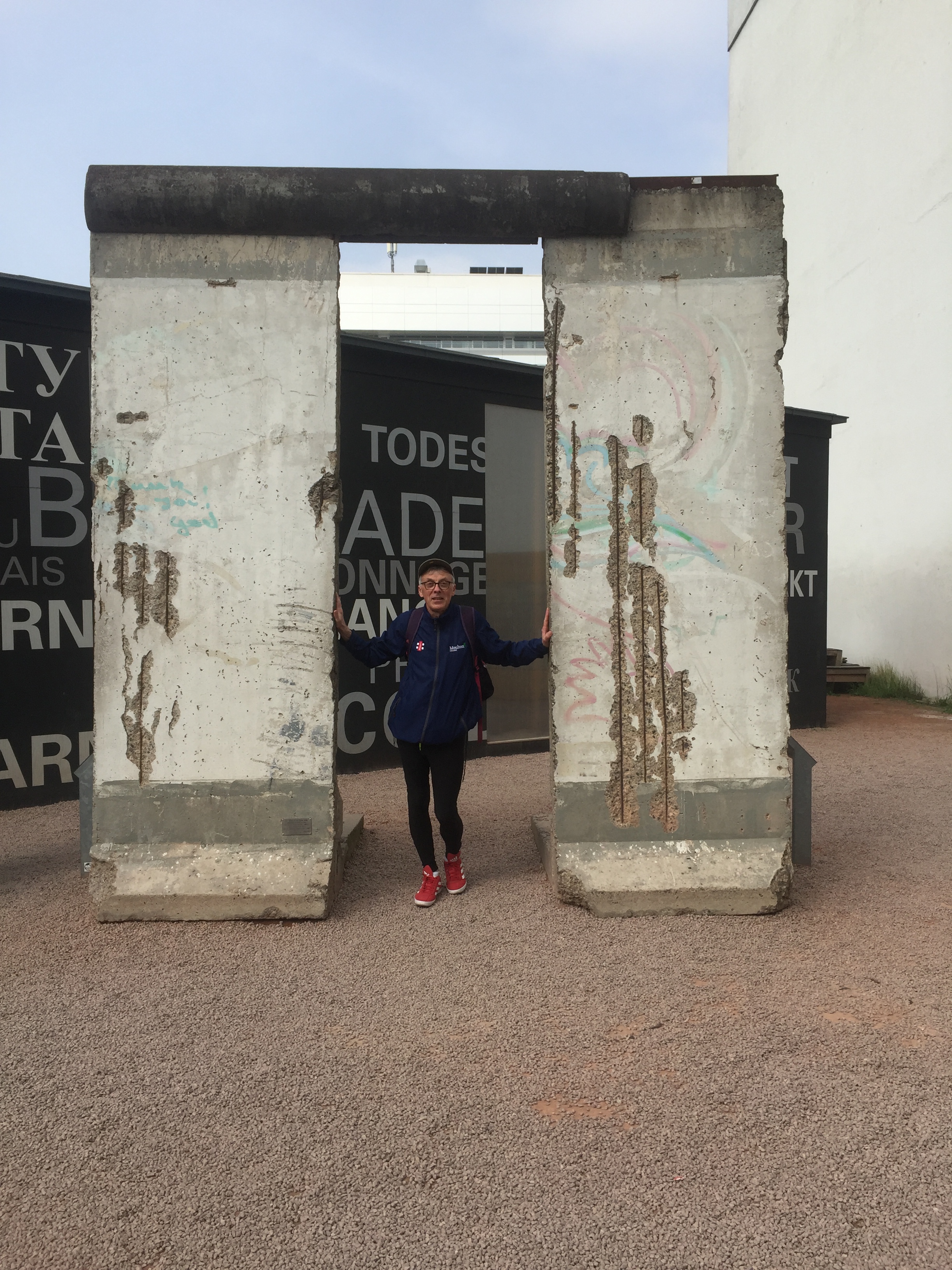
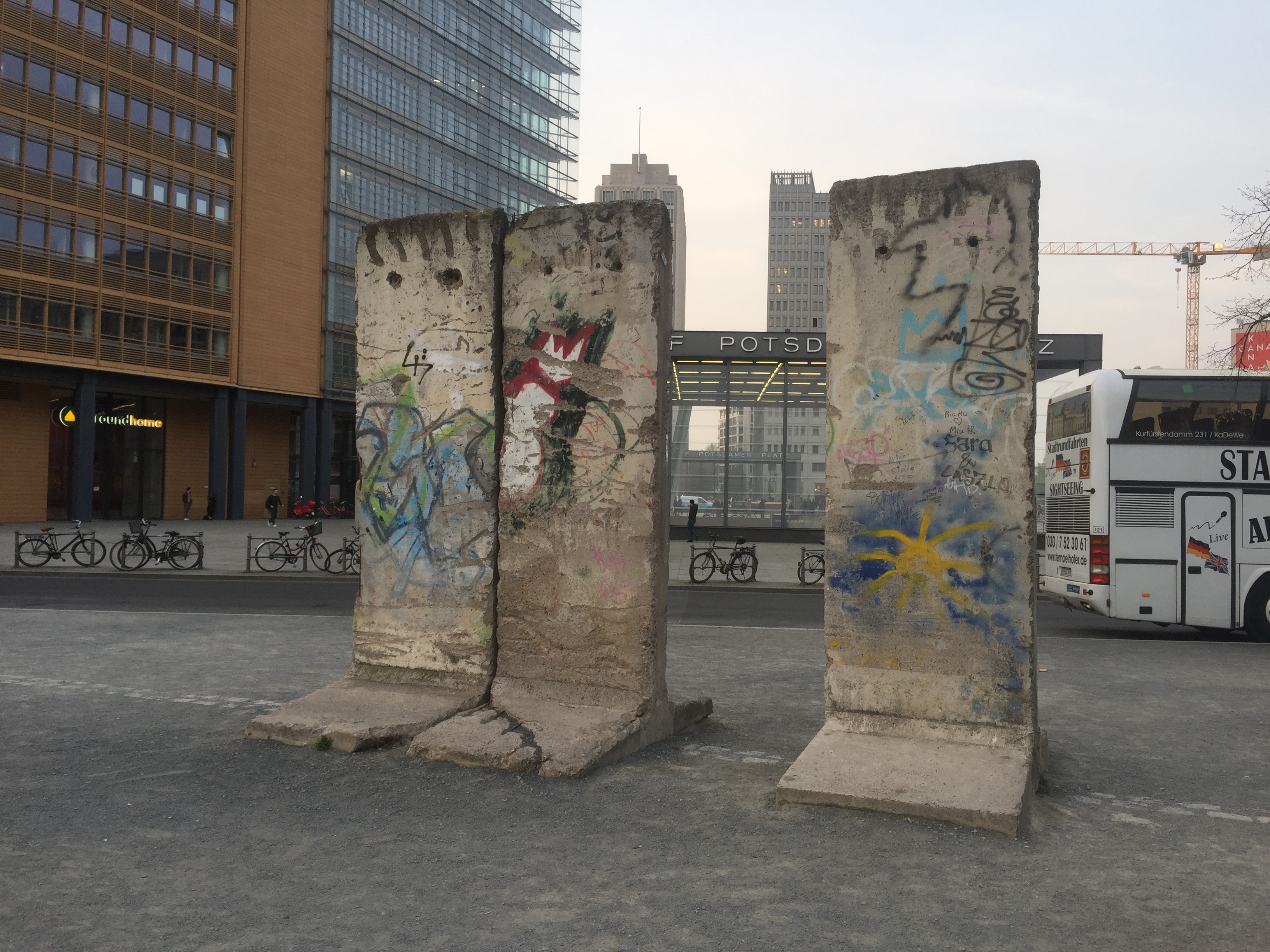
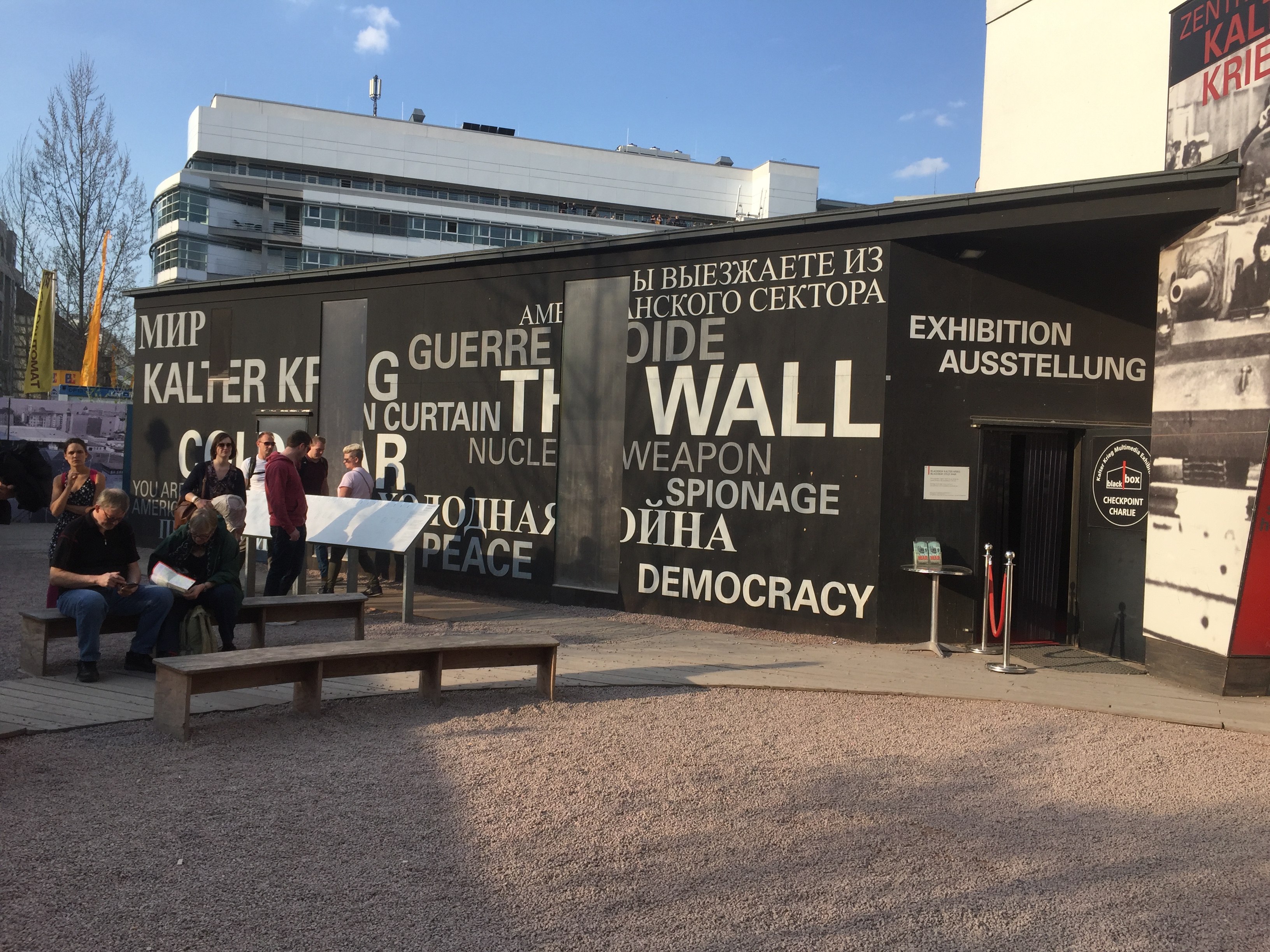
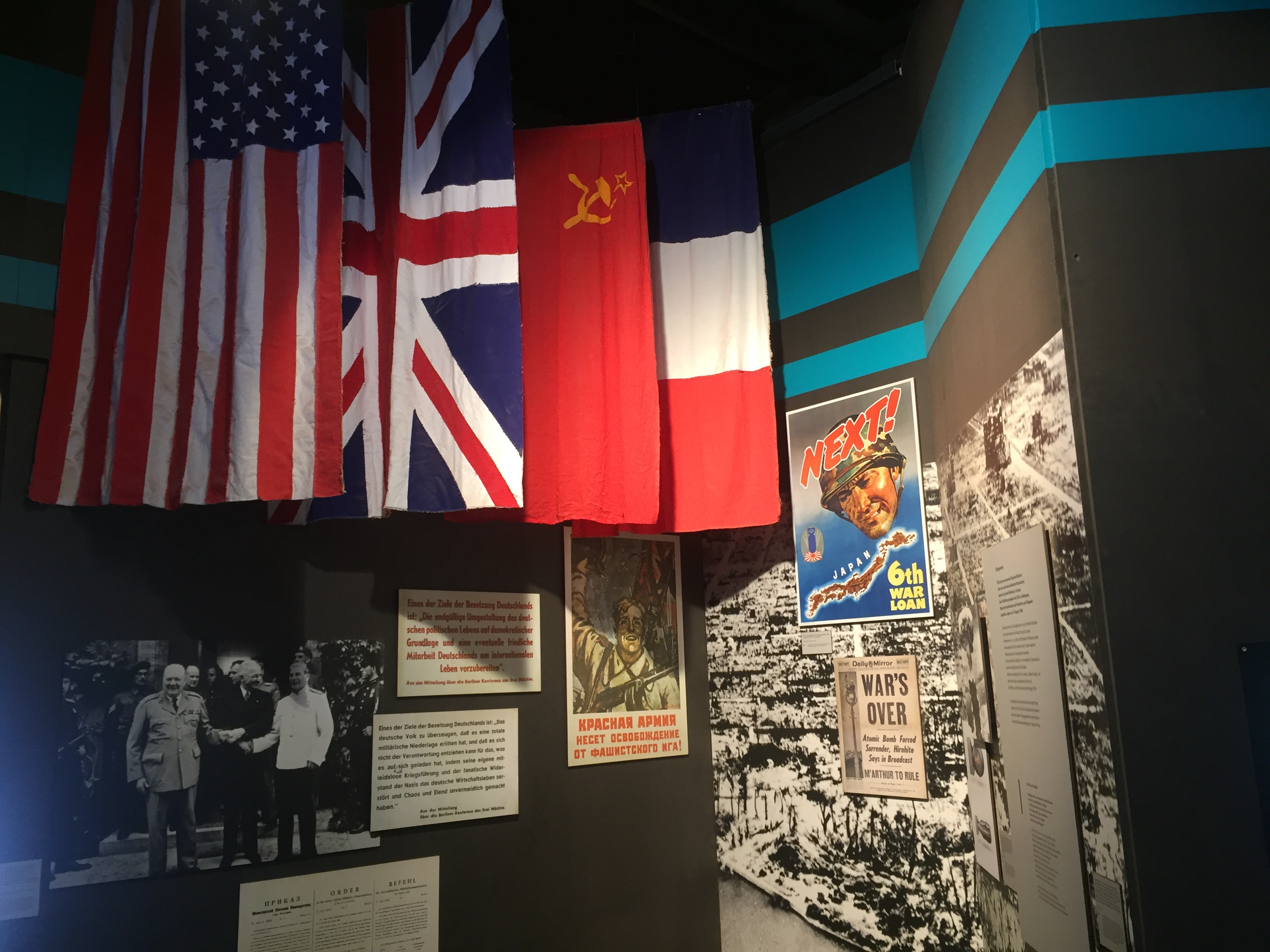
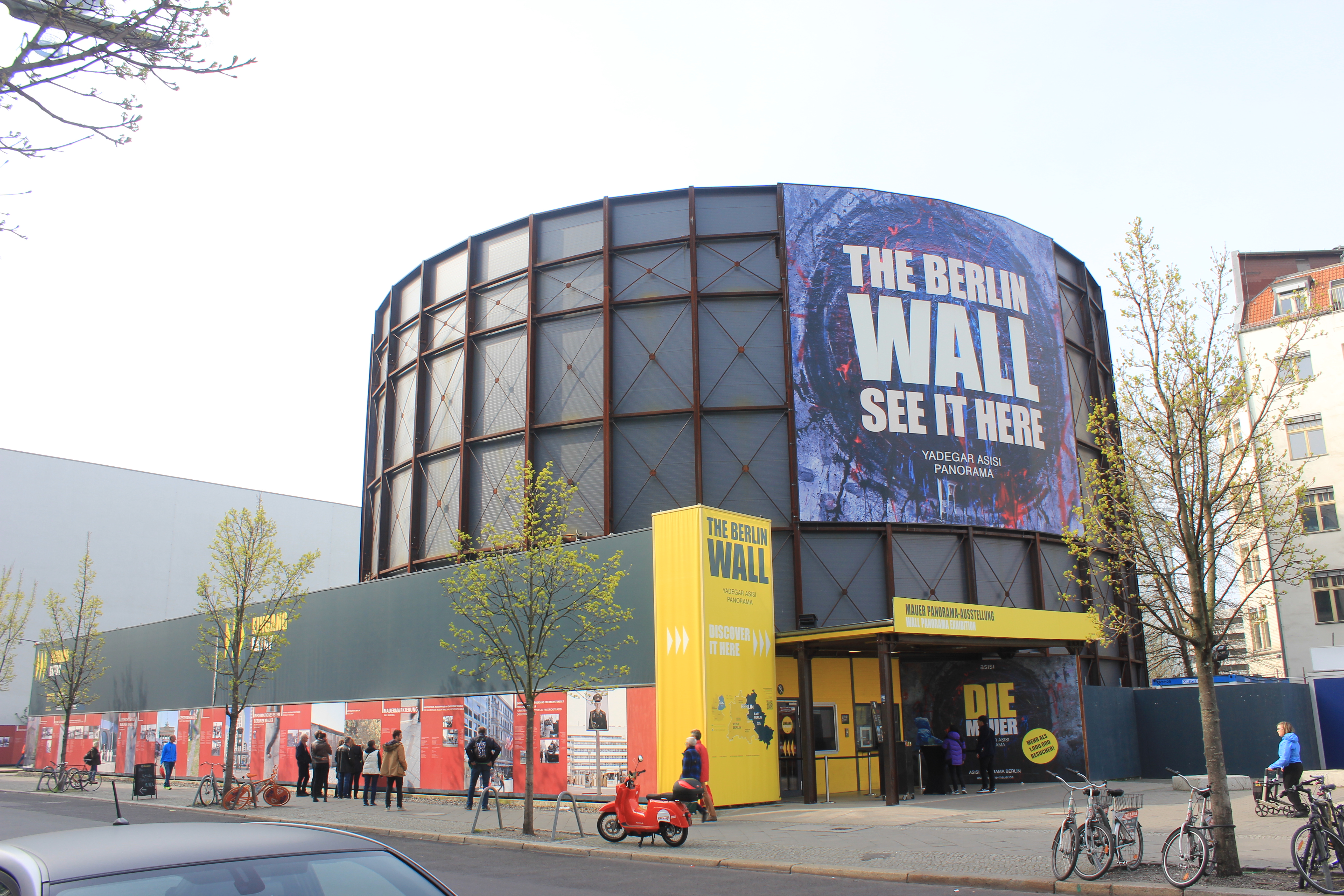
Berlin was a divided city from 1961 until 1989. The construction of The Berlin Wall broke the city into two parts and made it a battlefield for political confrontation between the superpowers of the USA and western Europe against the Soviet Bloc. The Iron Curtain smashed through Berlin separating friends and families.
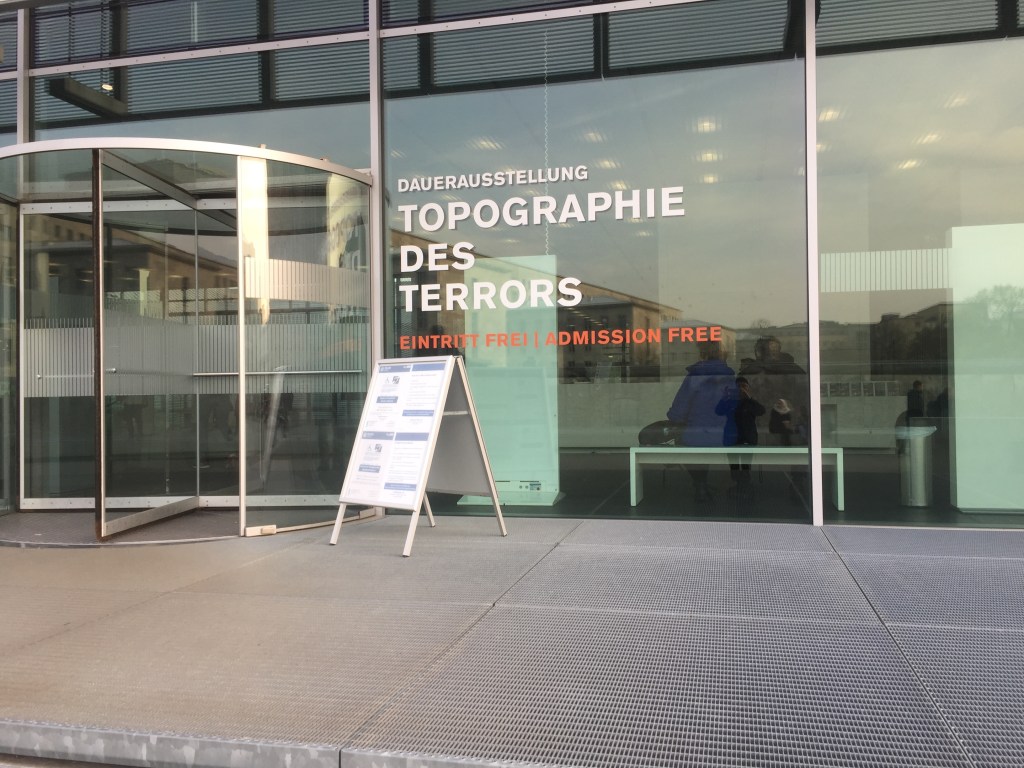
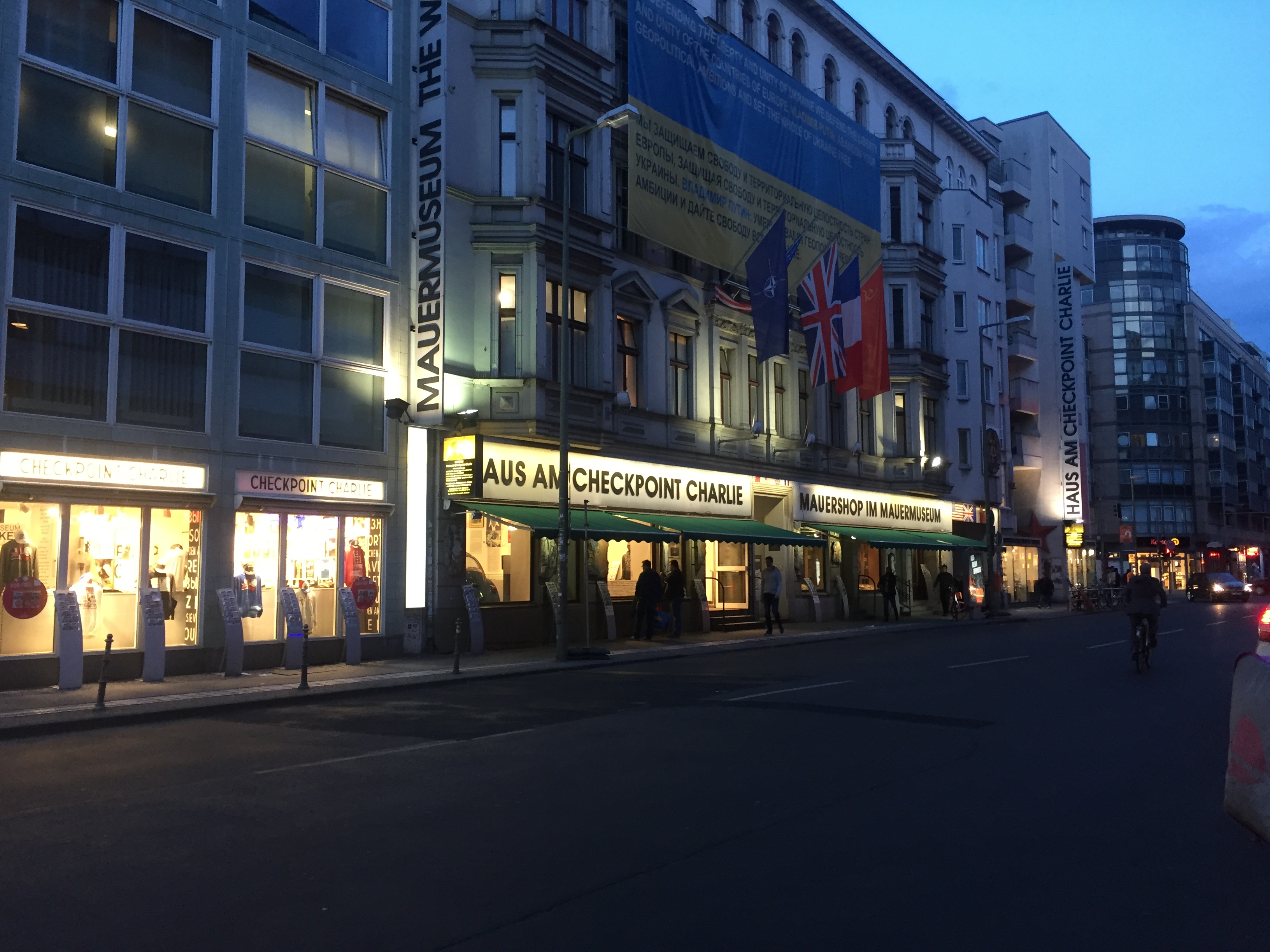
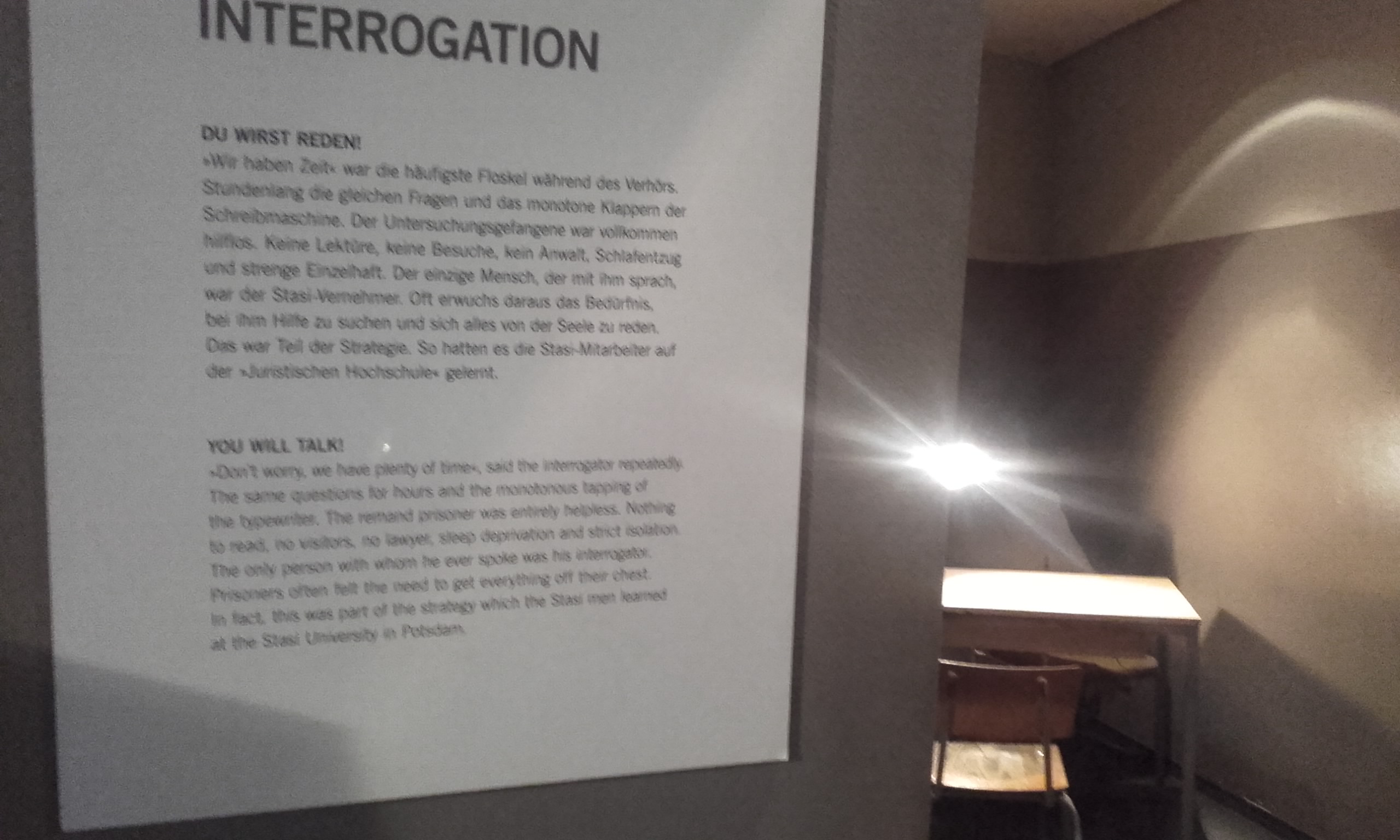
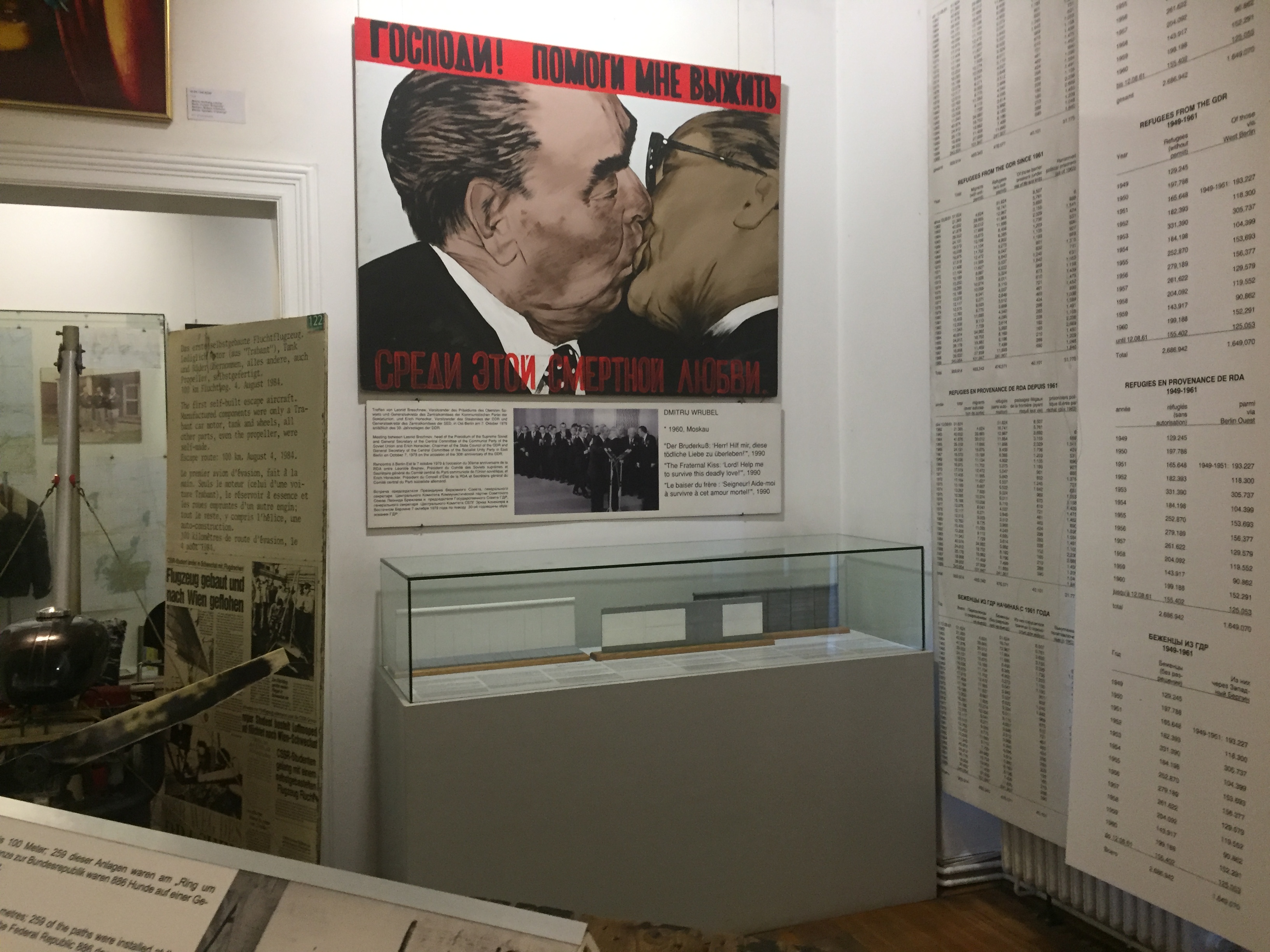
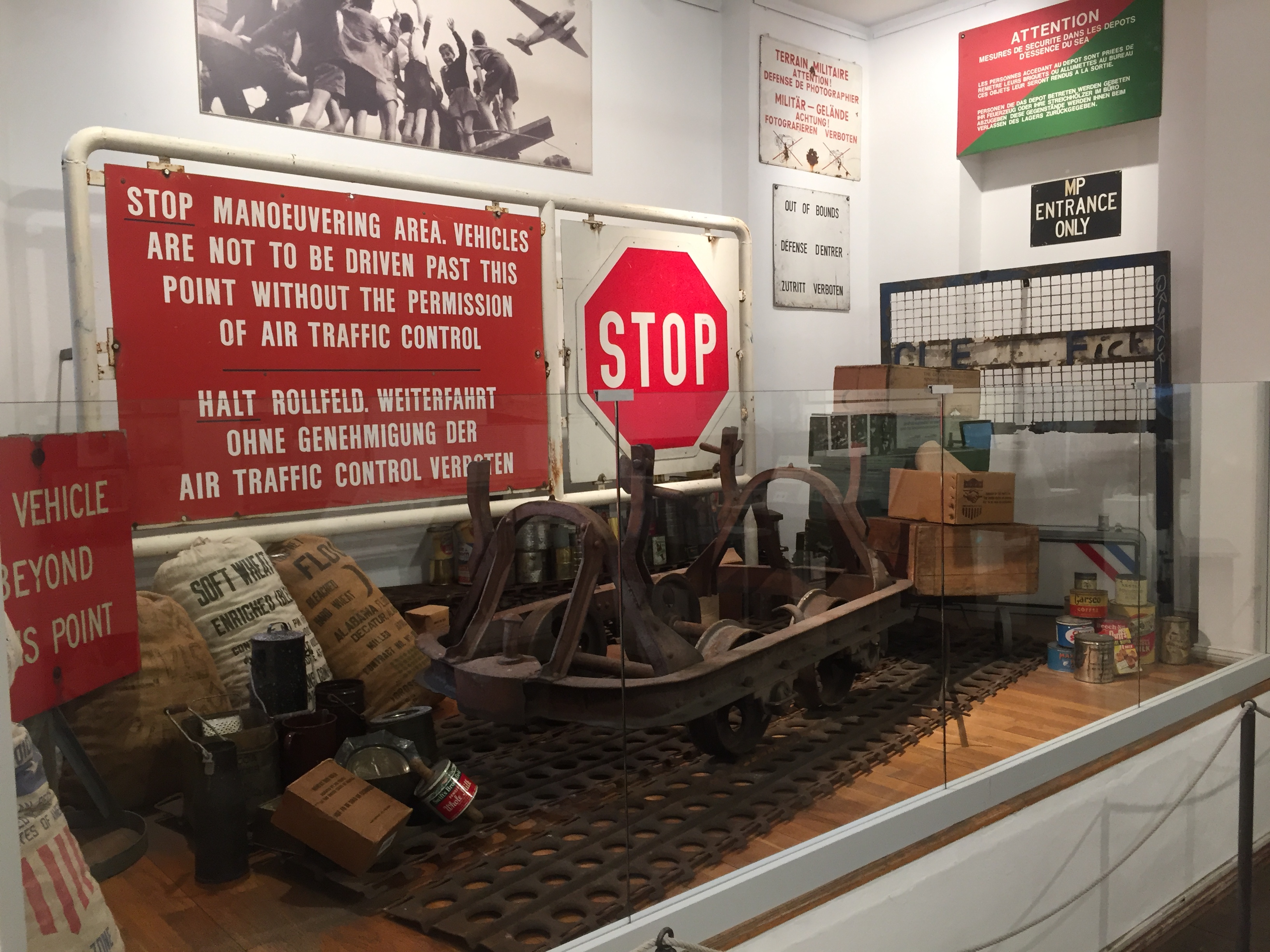
It was at Checkpoint Charlie that Russian and American tanks squared up to each other. Several museums vividly describe what life was like and how people survived living under such pressure.
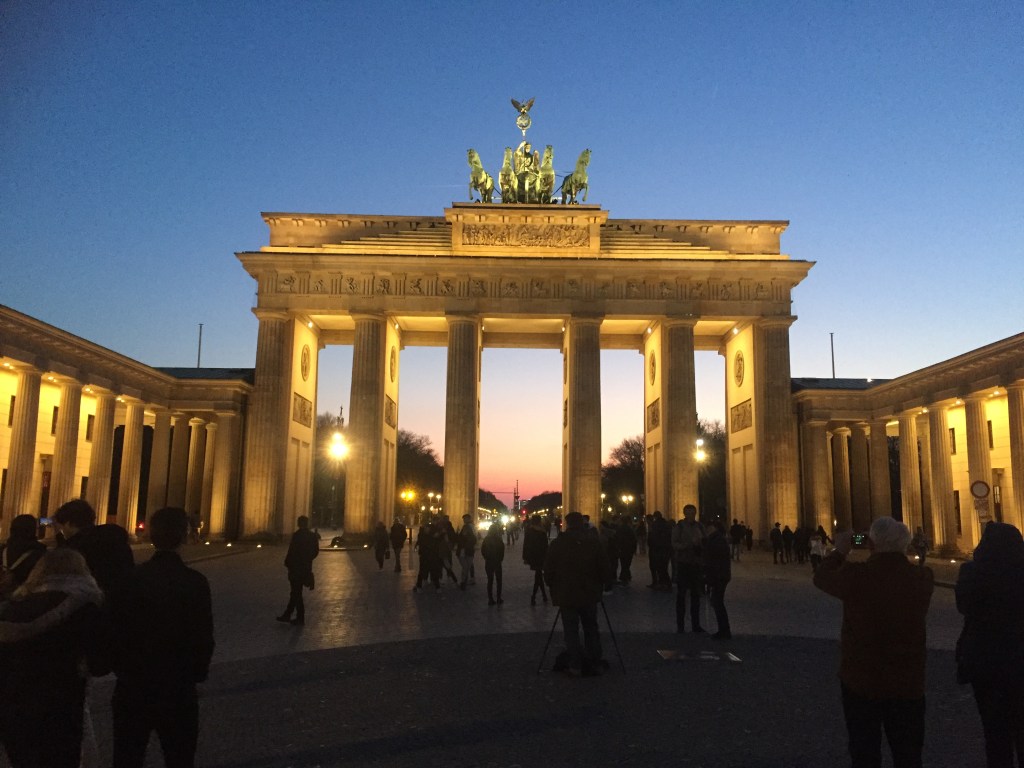
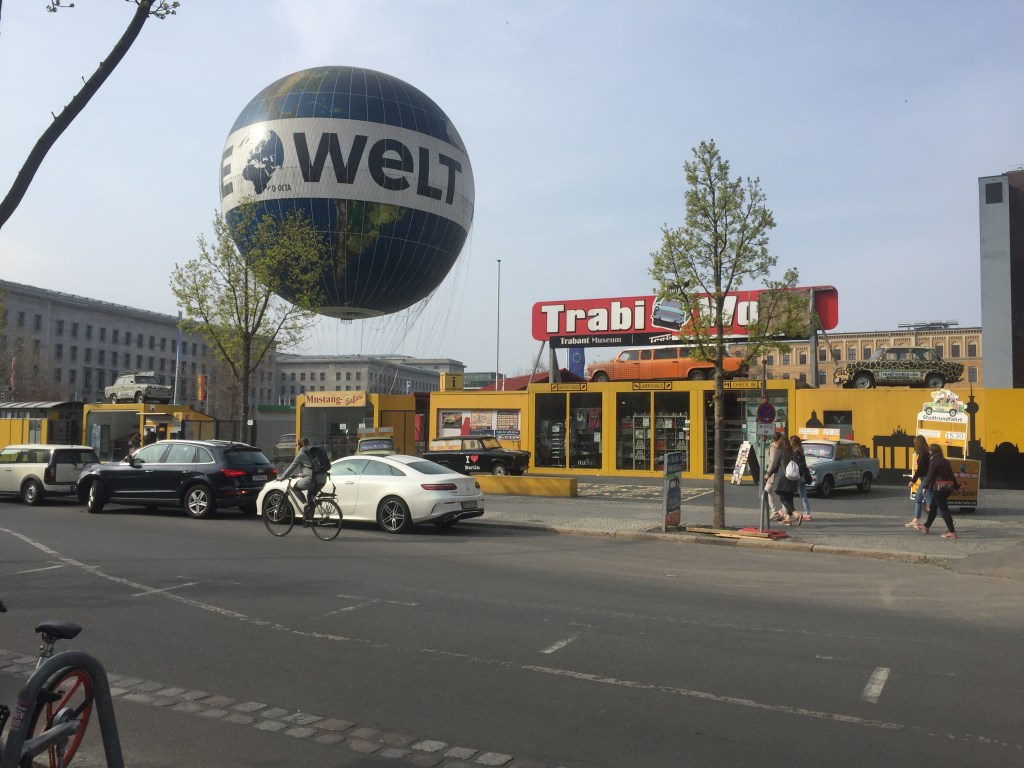
It is difficult to believe that only a generation ago Potsdamer Platz, Brendenburg Gate and many other areas were littered with barbed wire, electric fences, watch towers, land mines and tank traps.
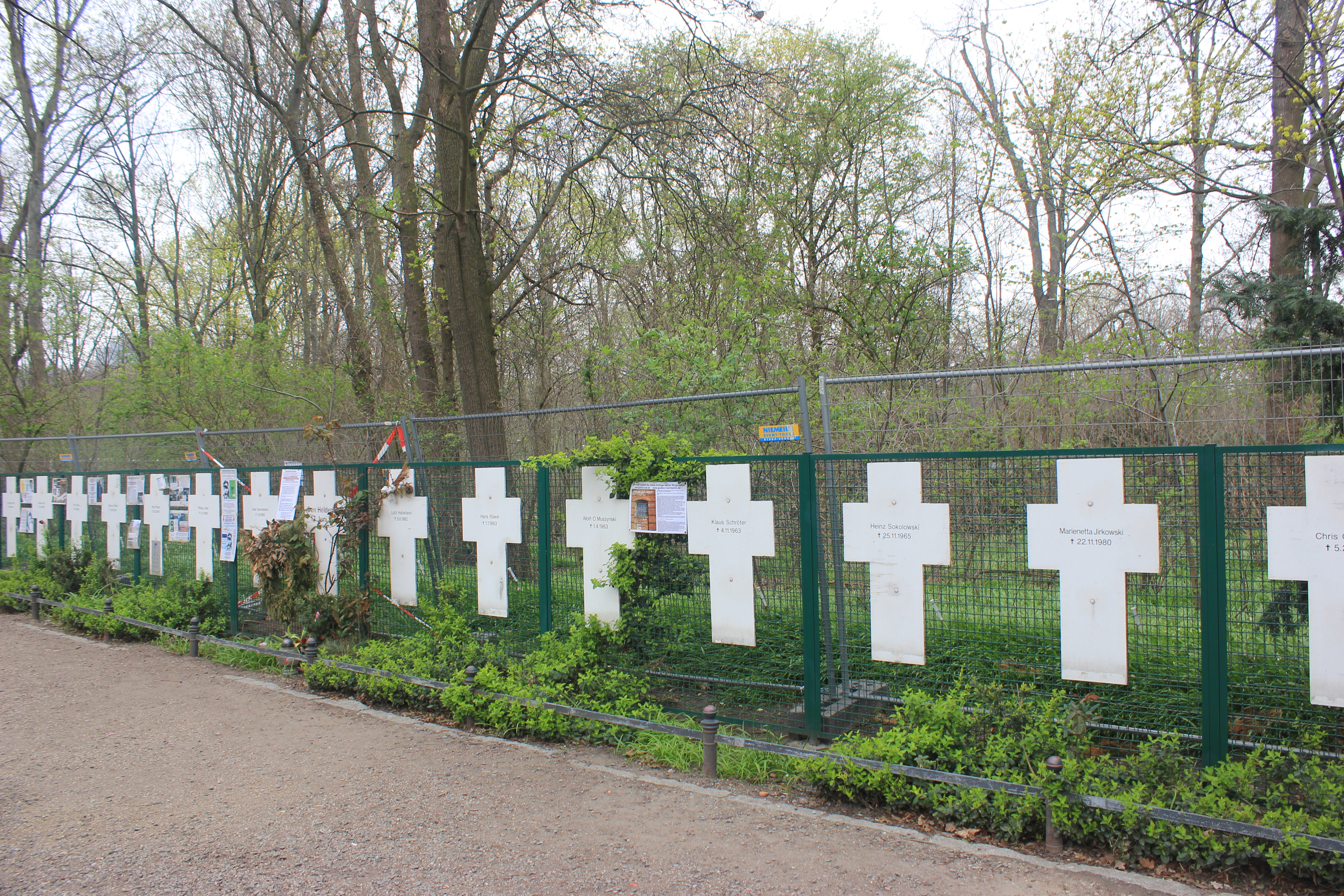
Despite all of the risks and dangers many people tried to cross from East to West Berlin. A few made it, some were captured and many were killed.
People power eventually brought down the wall and also Communism without a shot being fired. The human spirit is more powerful than any weapon.
Perhaps no other city impacted on the 20th century as much as Berlin did. Revolution, two world wars, Nazi government, carpet bombing, occupation, division and then reunification.
The city has survived and it has recovered to become as lively and as friendly a place that you could ever wish to visit.
History is everywhere although it is very uncomfortable to investigate what went on here. However modern Berlin is warm, colourful and relaxing
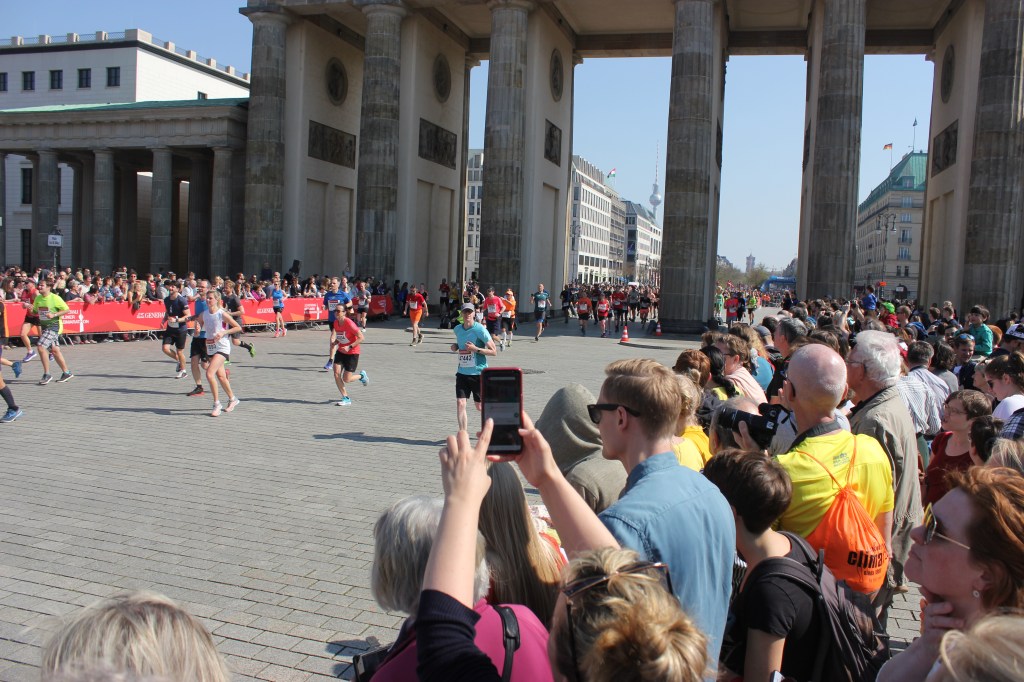
Take a look at Berlin from the observation deck of the Fernsehturm at Alexanderplatz, try a short cruise along the Spree River or even cycle through the arches of Brandenburg Gate. There are so many ways to explore the capital of Germany.
There are lots of bars, cafes and restaurants that stay open until the wee small hours. Visit them and meet the locals who will be happy to welcome you.
Finding somewhere to stay is easy. Most hotels are modern, clean and offer good value. The Leonardo, situated by the river and close to Fredrichstrabe, is a perfect location. Helpful staff, delicious beer and a tasty omelette for your breakfast.
Finding out about the history of sugar production leaves a nasty taste.
Around Louisiana and nearby states are many plantations. The Whitney Plantation is a museum dedicated to informing and educating visitors about life as a slave in the United States.
It includes the main house where the plantation owners lived in luxury and the church where they worshiped.
It also includes outbuildings where slaves lived in misery, as well as a cooler where they were incarcerated if they ever disappointed their master or overseer.
There are memorials to hundreds of slaves who worked on the plantations and who spent their lives in constant fear of the bull whip.
Exploring the Whitney Plantation makes you feel uncomfortable. However to understand the history of the United States it is an essential place to visit.
Much of New Orleans and Louisiana is below sea level. Miles and miles of levees line the banks of the Mississippi to protect the city and its inhabitants. Sadly, in 2005, these defences could not cope with the impact of Hurricane Katrina and much of the city was submerged by flood waters. Many people lost their lives and thousands of homes and properties were destroyed
It is difficult to appreciate the scale of the destruction and how dangerous the waters can be. When you are promenading by the river or enjoying a cruise on the Natchez, everything seems so perfect.
Further inland is Cajun Country. An area of Southern Louisiana that was populated by French Canadians after they were expelled from their homes by British colonists. It includes a vast area of swamps and bayous.
A boat trip around this area is a must. The scenery is stunning. However be careful. The abundant wildlife includes snakes so you must know where it is safe to explore.
The star attraction of the swamps are the Alligators. They are absolutely gorgeous. Take a tour around here and you will have the chance to meet them face to face. You may also have take the opportunity to feed them, however not by hand!
The French Quarter is at the heart of New Orleans. Streets of elegant buildings painted in flamboyant colours are a joy to explore. Hundreds of bars, cafes and restaurants populate the area providing comfort and refreshment for visitors. Jambalaya, Crawfish Pie and File Gumbo are on the menus along with Po’Boy. Don’t forget to try a Beignet with your coffee.
After your coffee take the short walk and discover the French Market. Buy your tee shirts and voodoo dolls here.
After the sun goes down New Orleans becomes a capitol of fun, If you enjoy live music then you must come here. Bourbon Street has scores of clubs and bars where locals and tourists meet to listen to great jazz, blues and rock and roll. What else would you expect from the city that gave us Louis Armstrong, Allen Toussaint, Mahalia Jackson Dr. John and Fats Domino.
However the party scene spreads all over the city. Great clubs can be found away from the centre, such as Chicki Wah Wah along Canal Street where for a few dollars you can have a great night out. You can even listen to bands and musicians who perform on street corners whilst the biggest party of all is world famous; it is Mardi Gras, which is celebrated throughout Louisiana in the springtime.
Visit New Orleans and you will get a great welcome………….
New Orleans. A city that is a melting pot of many cultures. Located in south east Louisiana, by the banks of the Mississippi, it is the gateway to the southern states
Colonised by France and then by Spain, it is perhaps the least american city of the United States. The food, the music, the architecture and its people provide a unique experience for visitors to the “Big Easy”
Keep a look out for when the hurricanes blow and be prepared for some late nights and lots of fun. You will love it!
After a long wait I recently visited The Roundhouse in Chalk Farm, one of London’s most historic and unusual theatres. I had noticed the building many times from trains entering or leaving Kings Cross and Euston and I was keen to take a closer look.
The Roundhouse opened in 1847 as a facility to service locomotives. It was later used as a warehouse. A similar building is located near Derby.
During the 1960s it was a top venue for popular bands. The Jimi Hendrix Experience, The Move, Pink Floyd, Jeff Beck, The Who, Led Zeppelin and The Doors all performed here. Later the site was neglected and it was closed to the public.
Following lots of hard work by many people and organisations it reopened in 2006. It now provides a unique and intimate home for performing arts and education.
I saw Ronnie Spector. She was backed by The Ronettes and a great band. All of her hits were presented along with tales from her long and colourful life.
A week later I was at The Venue on Great Portland Street to see Kenney Jones and The Jones Gang.
Kenney too has had a very long career, notably as drummer for some great bands. I doubt that he ever regrets leaving the pickling factory where he earned his first wages.
His band played with loads of enthusiasm and the show was just great. Special mention must be made of vocalist Robert Hart. He is an ace front man. He really connected with the audience who responded to create a raucous atmosphere. Robert used to be in Bad Company and when he was in his teens he had trials with Leeds United. Impeccable credentials.
For any fans of The Who, The Faces and especially The Small Faces it was all too beautiful.