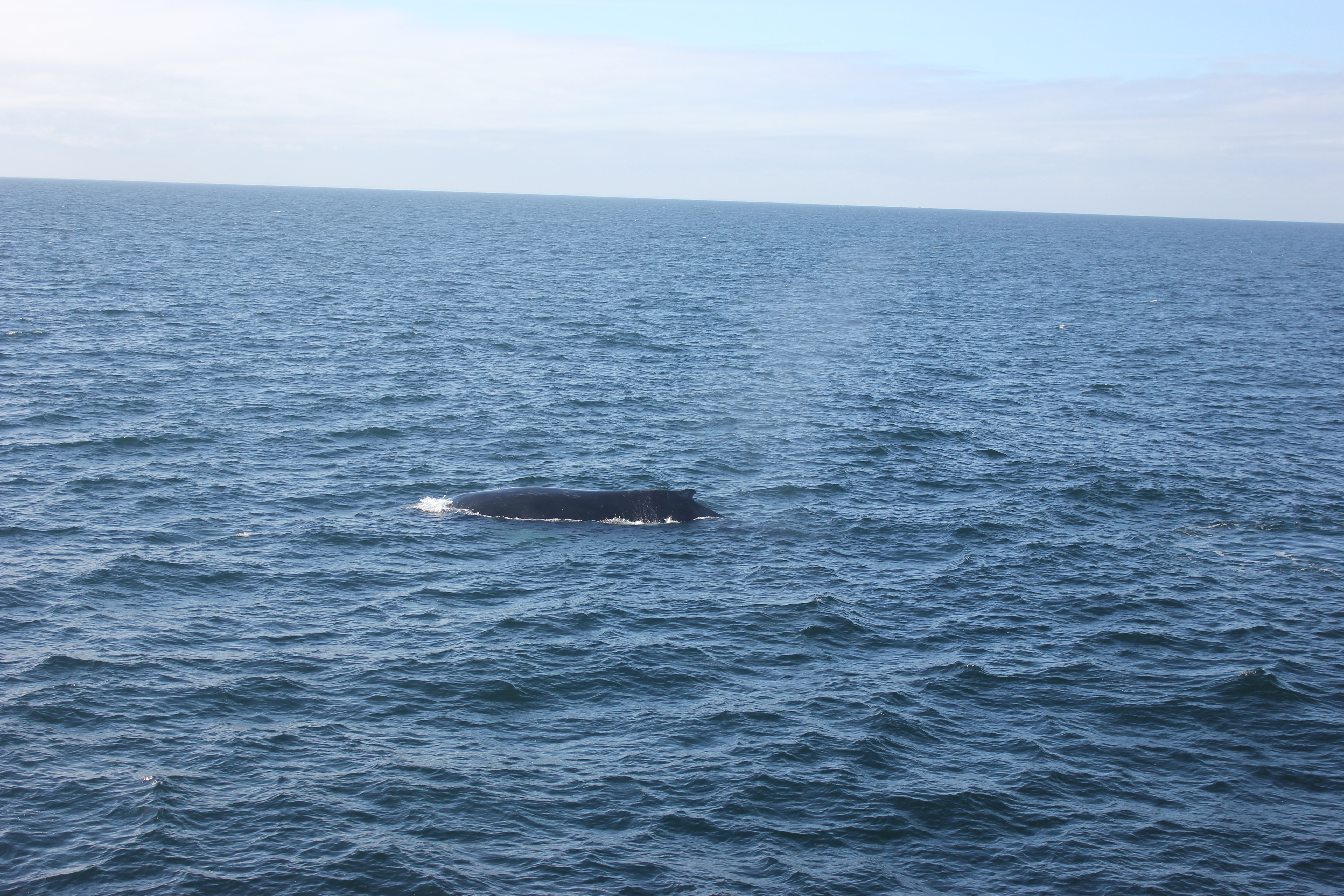
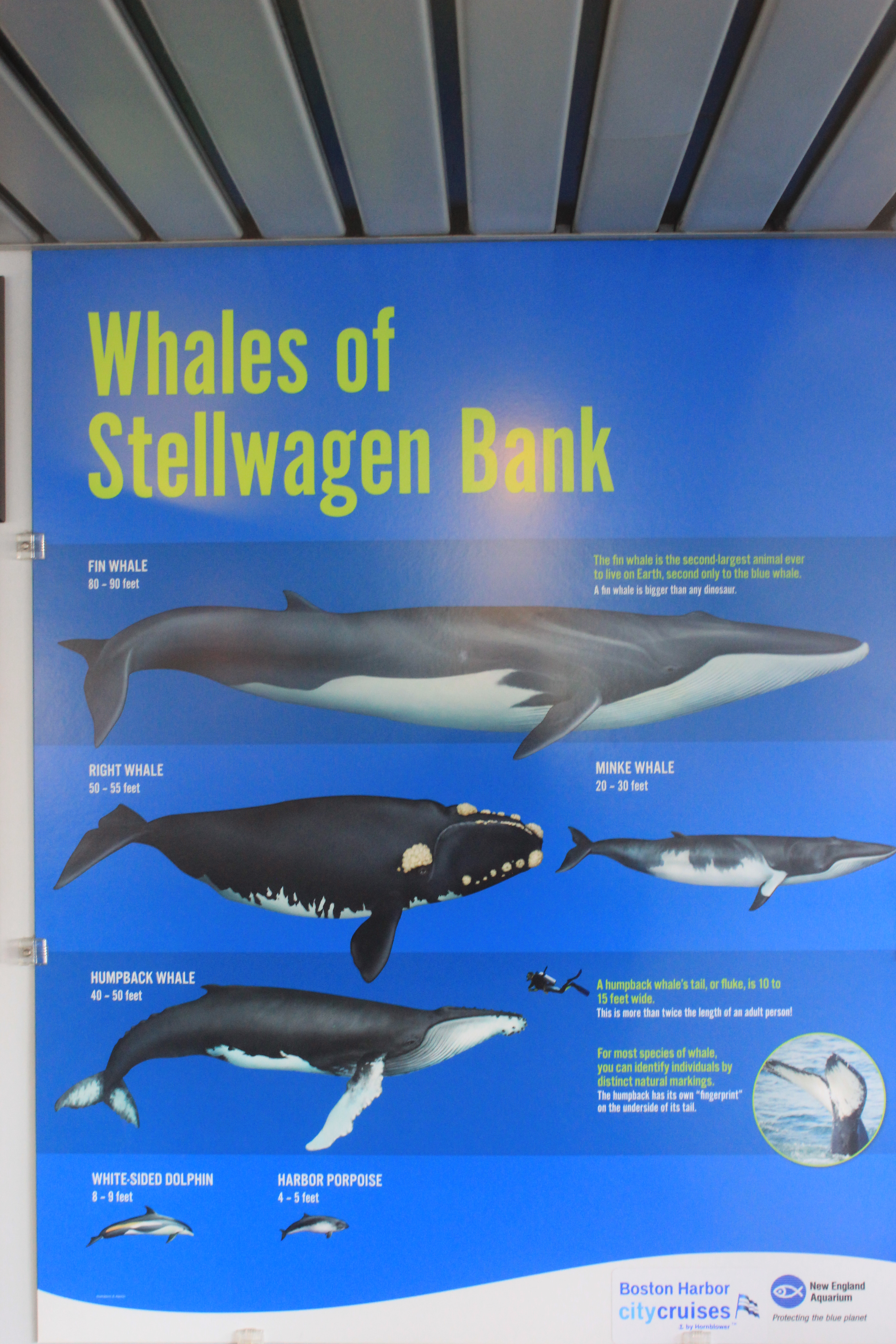
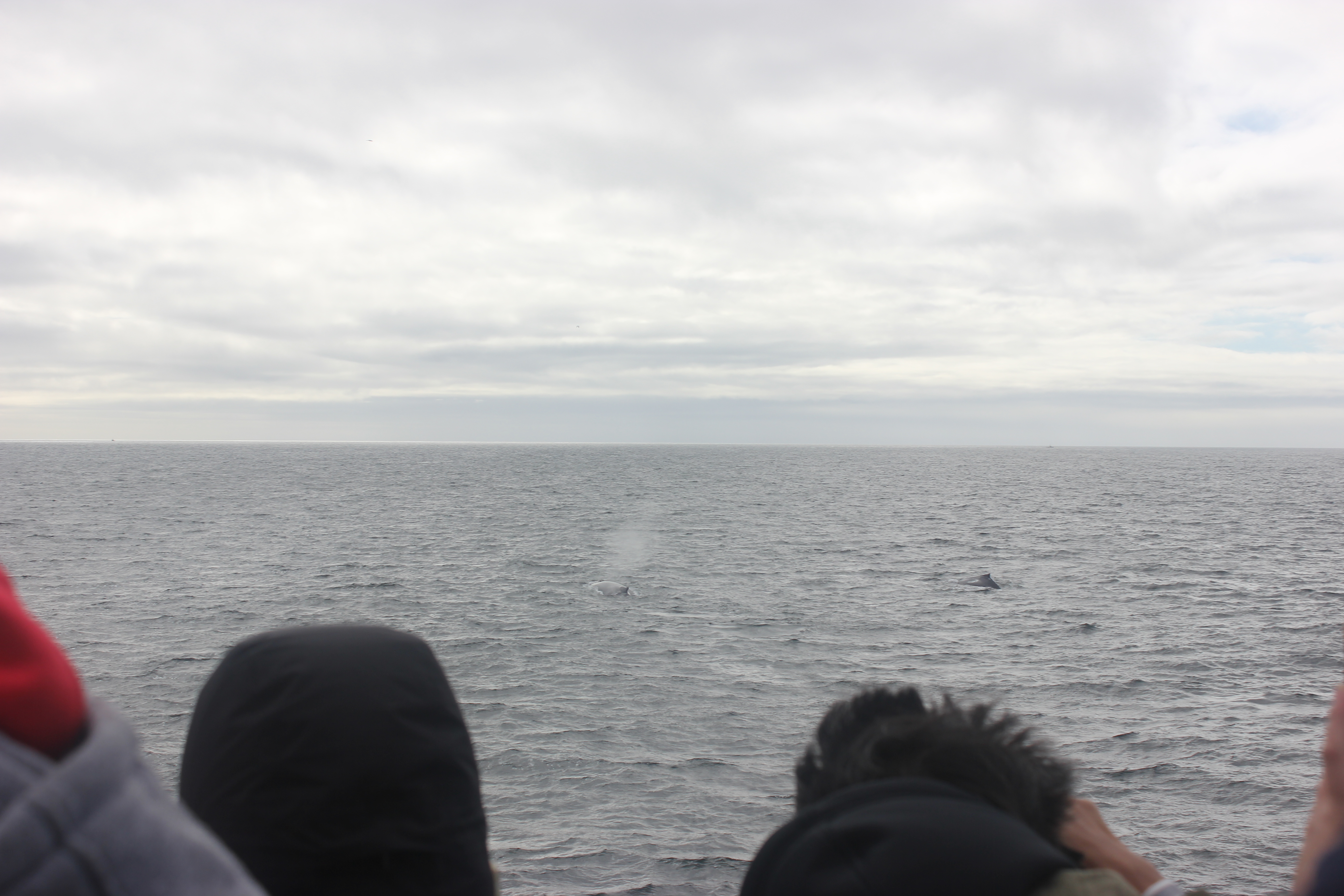
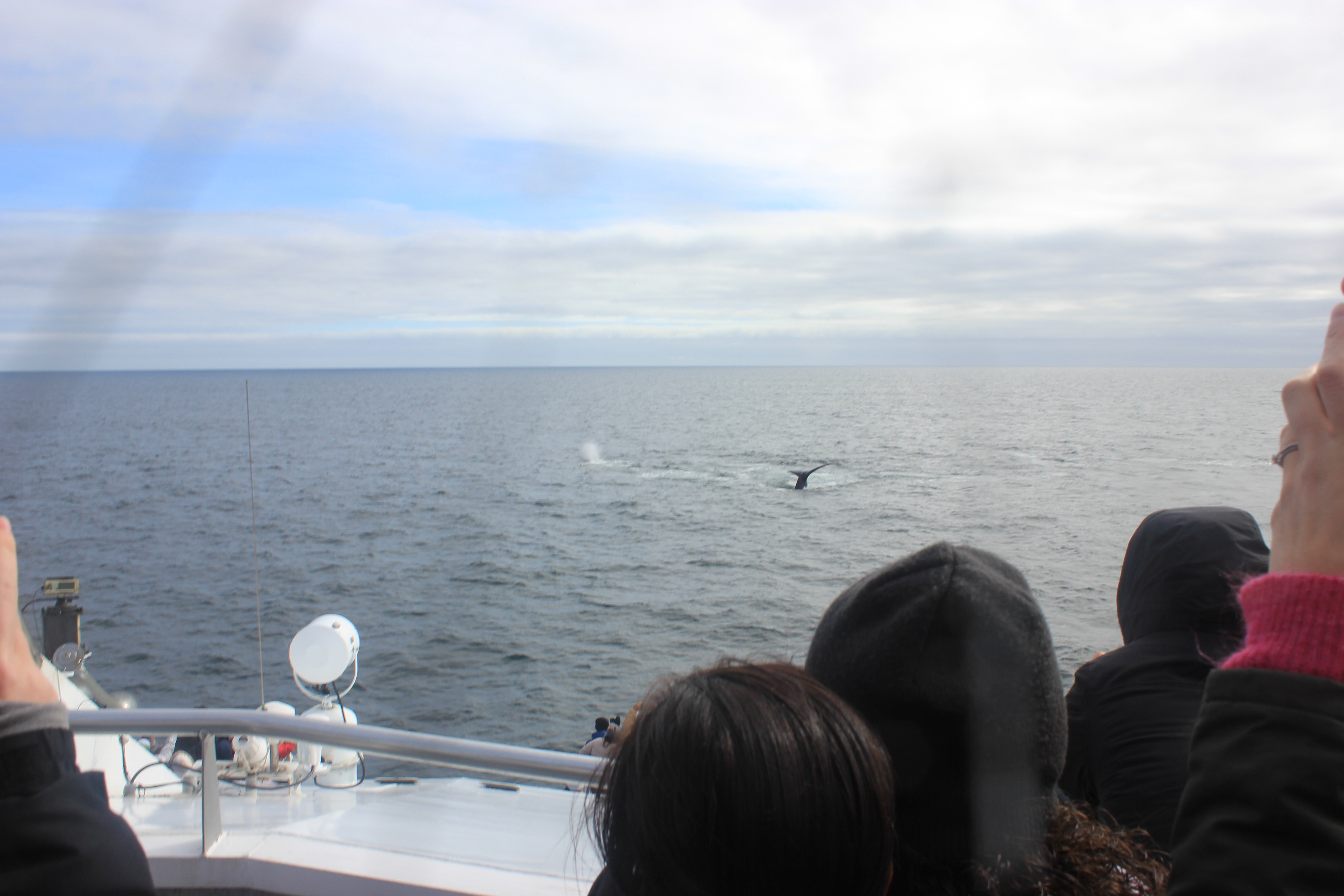
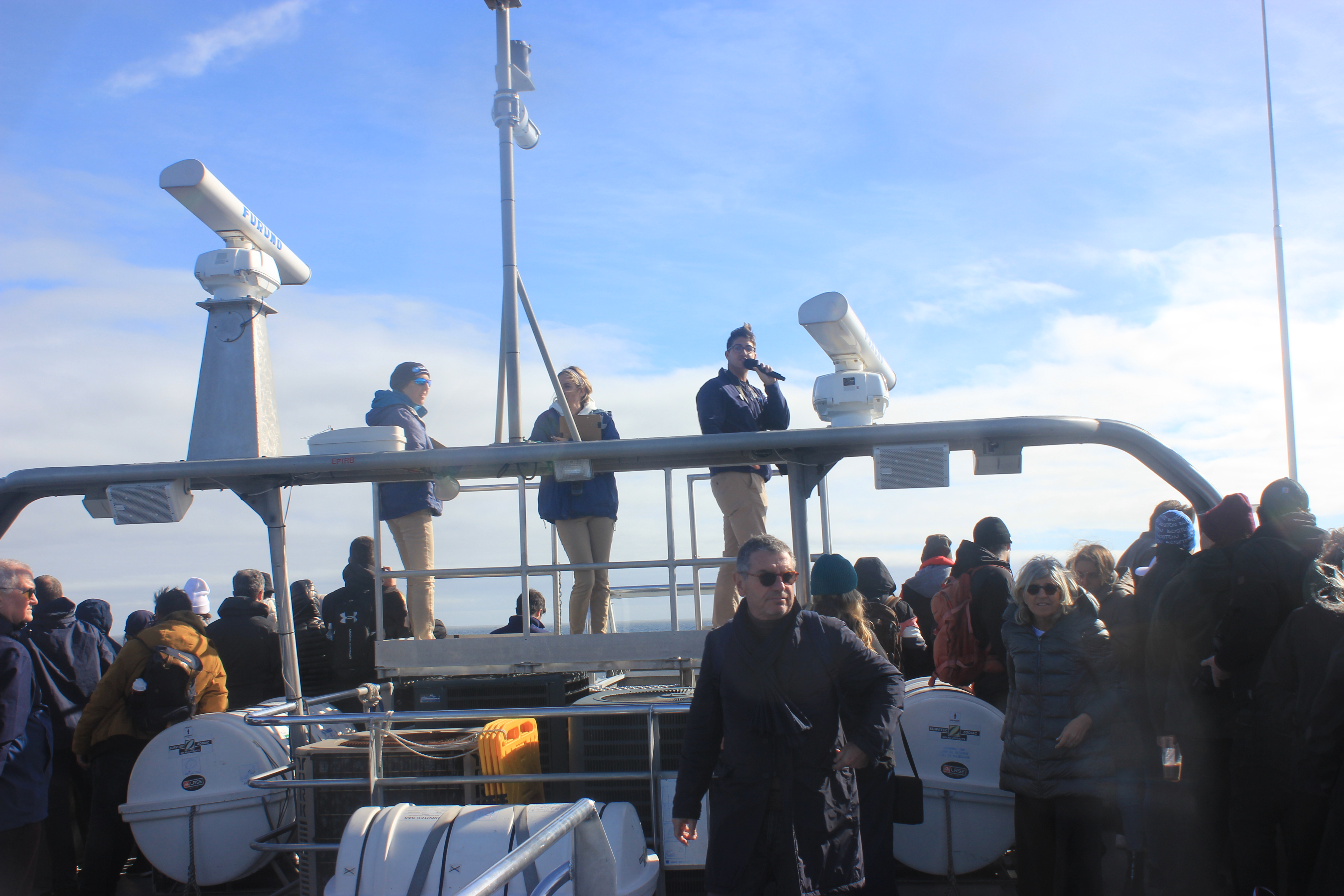
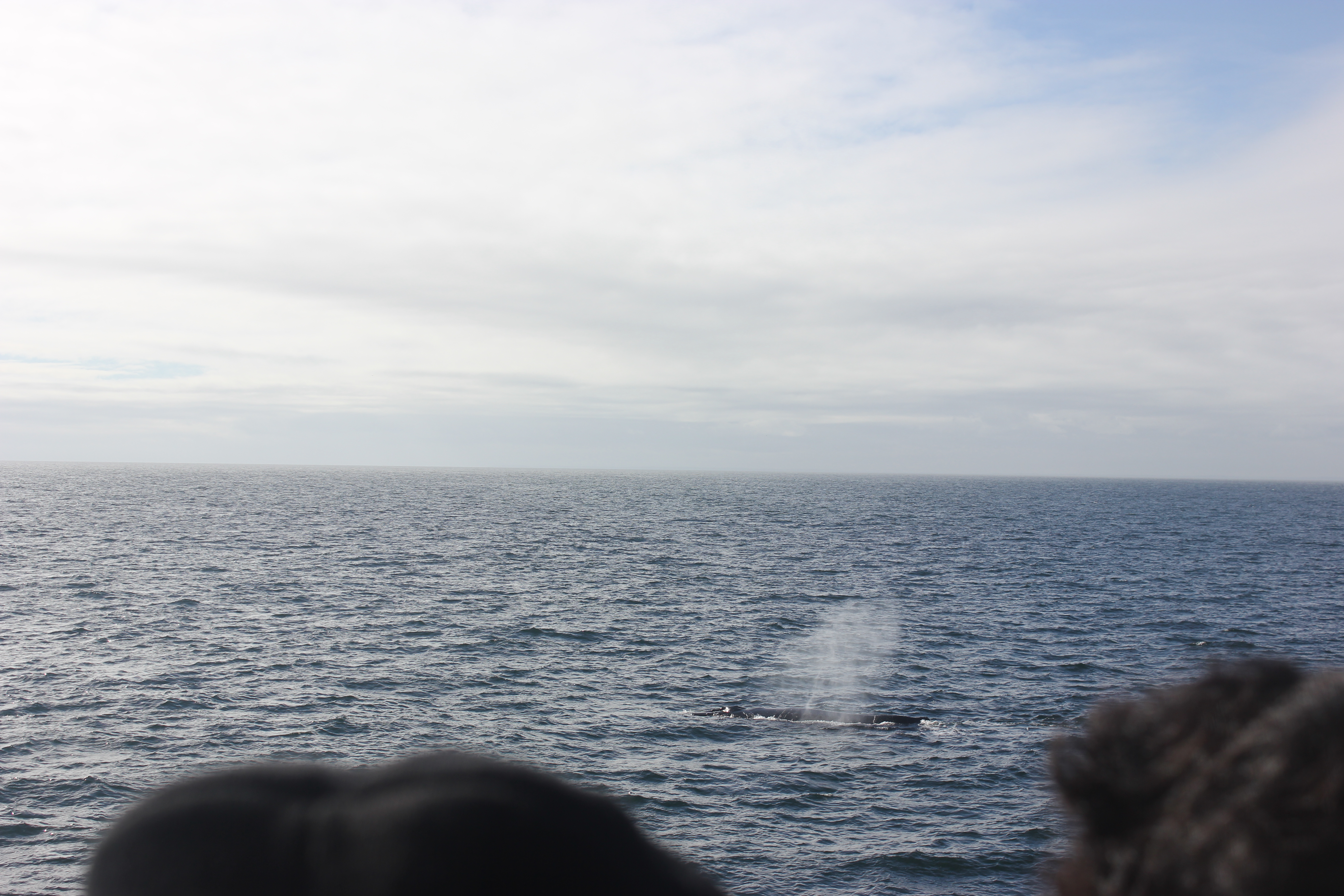
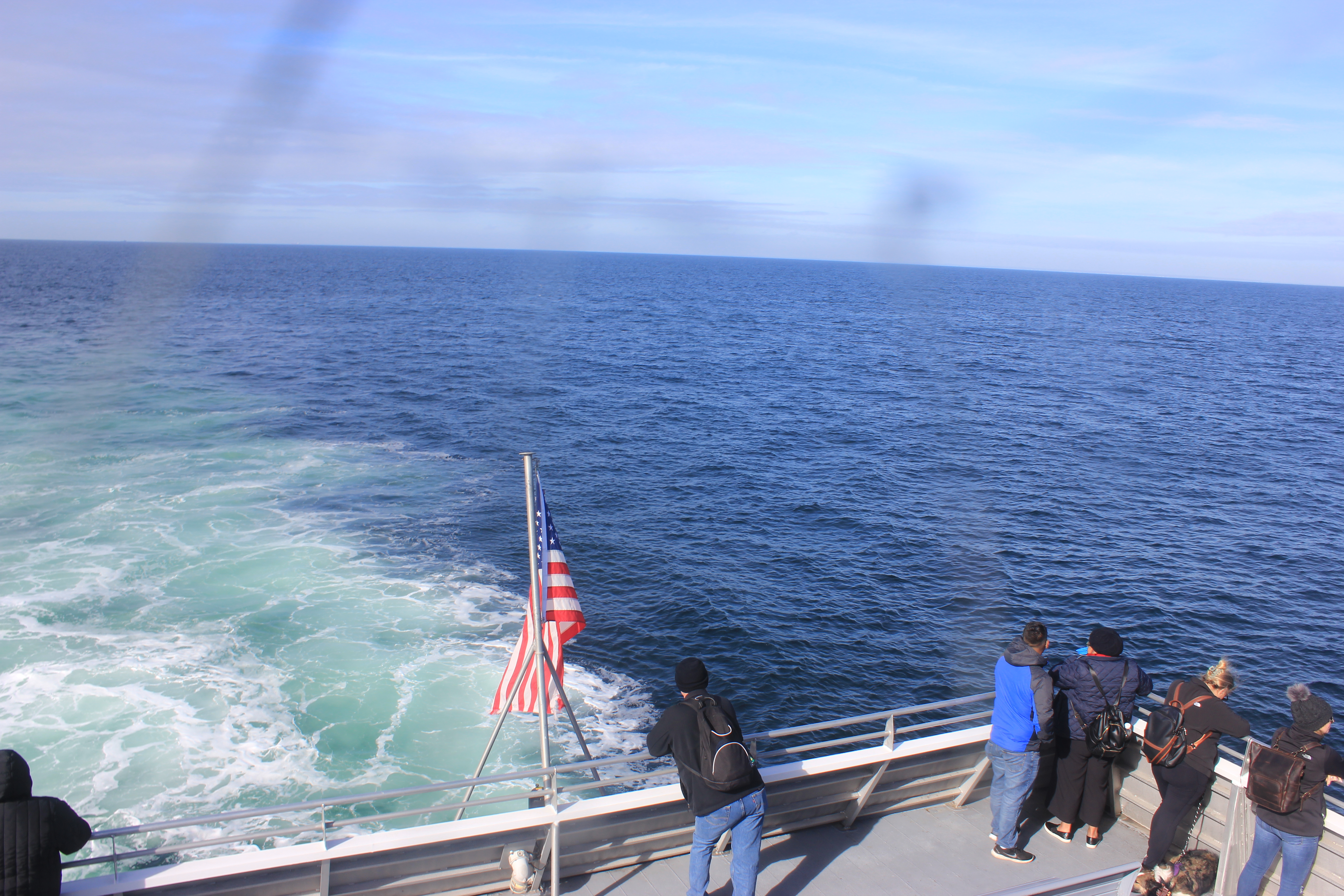
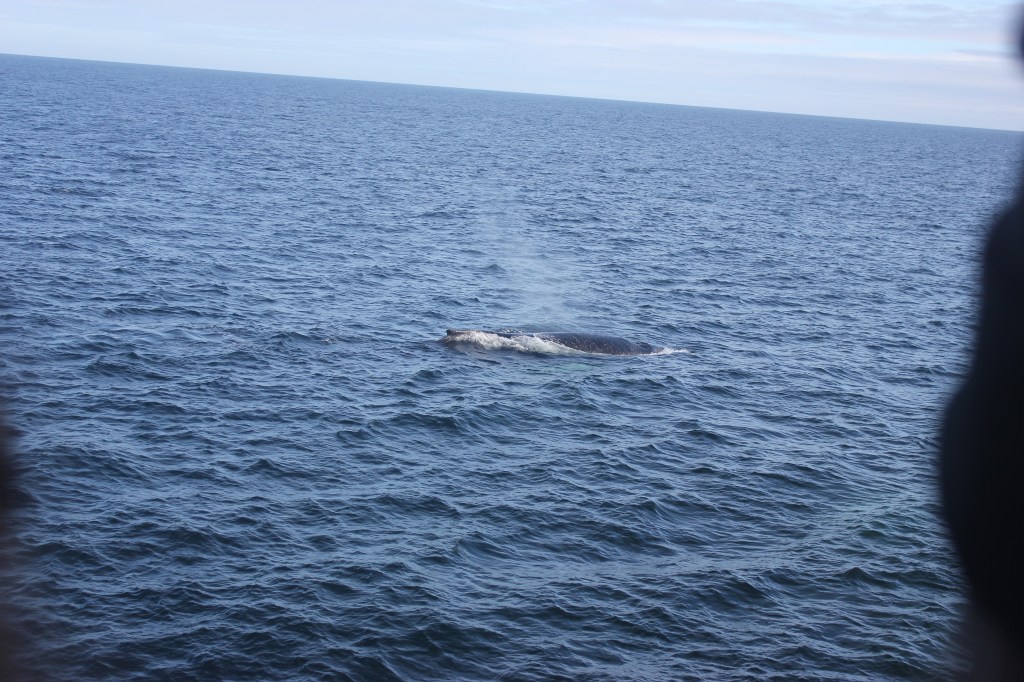
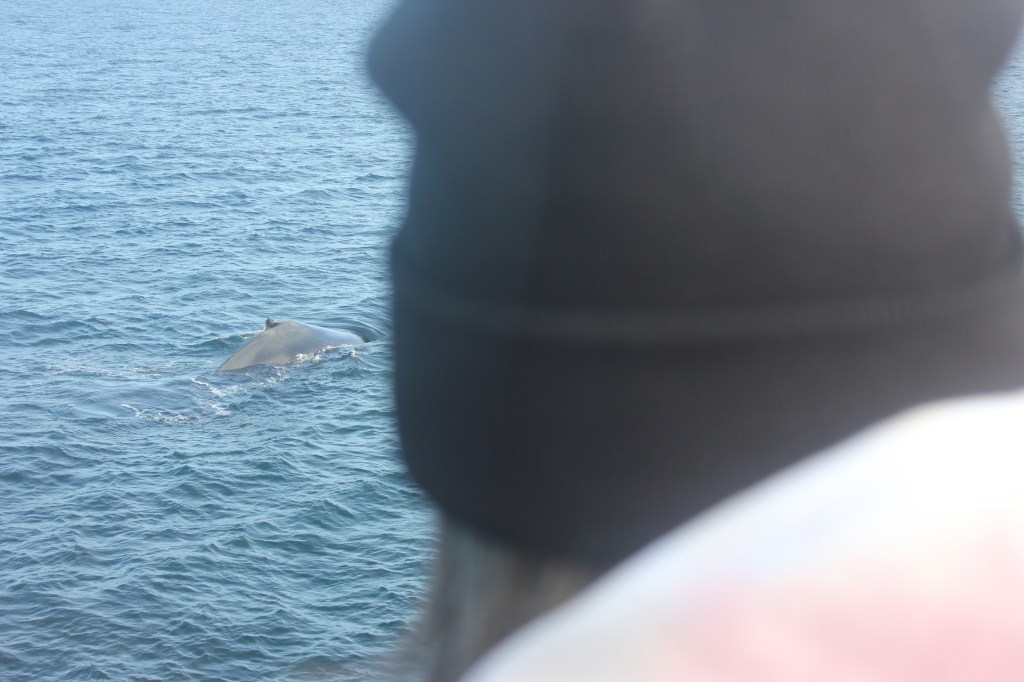
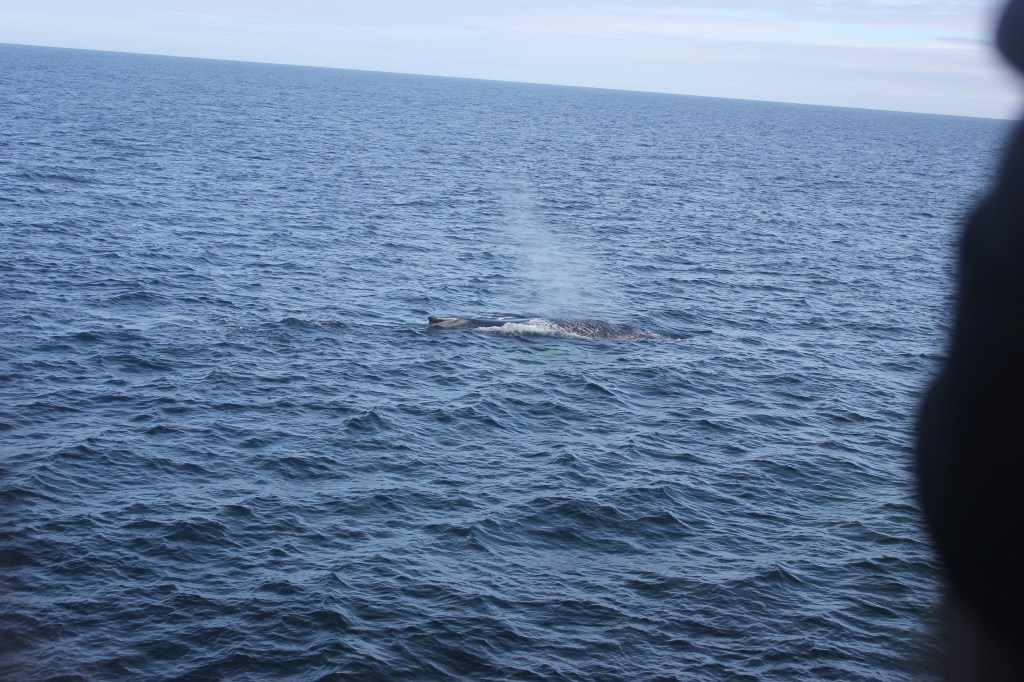
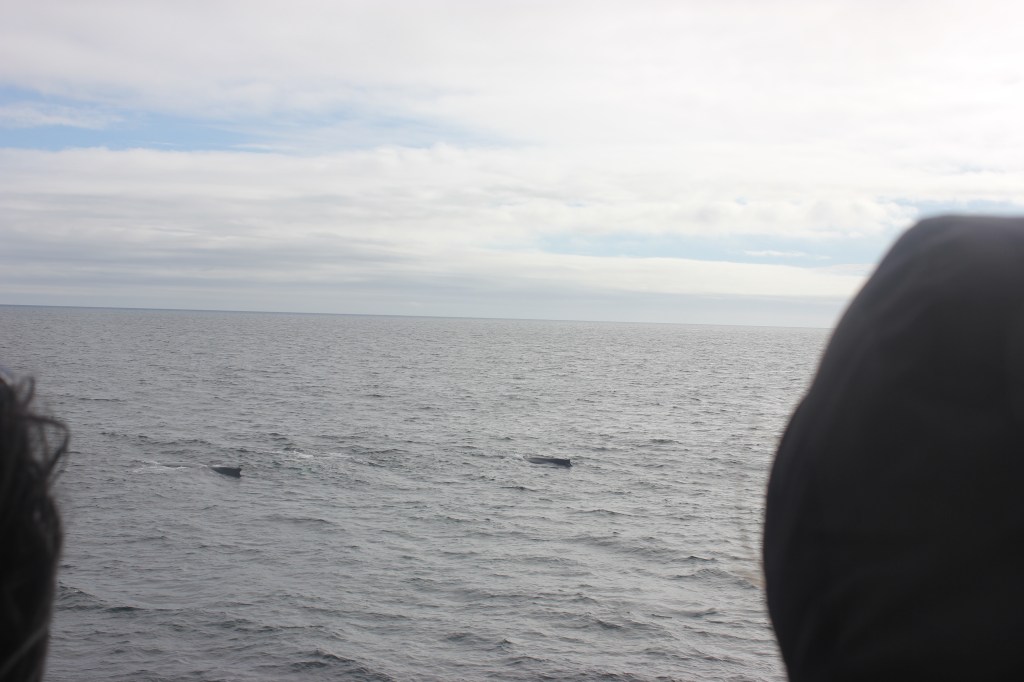
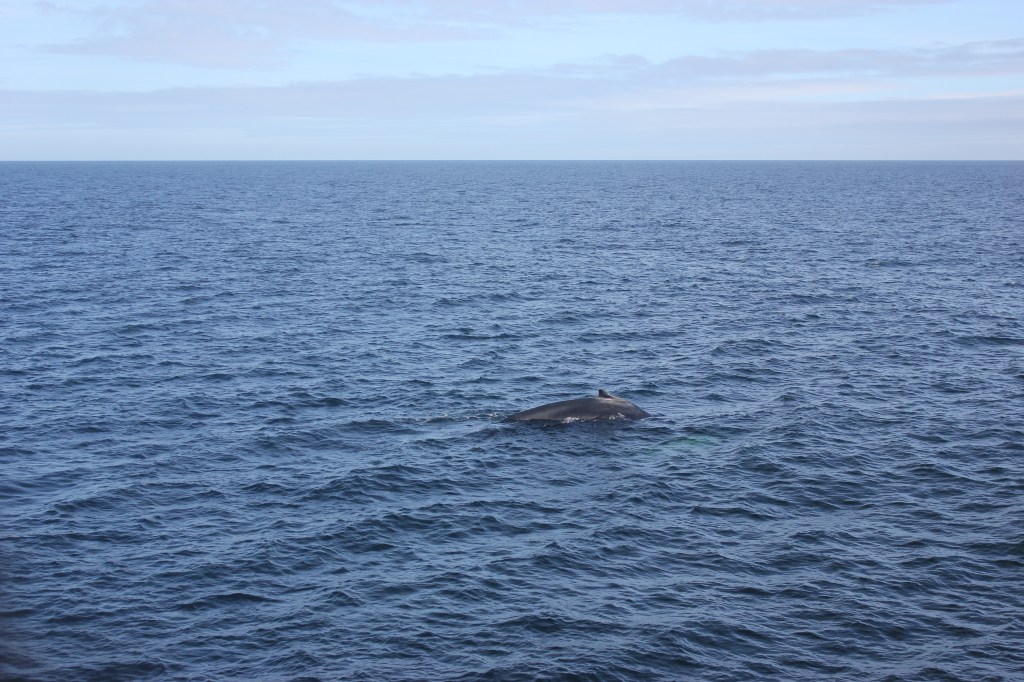
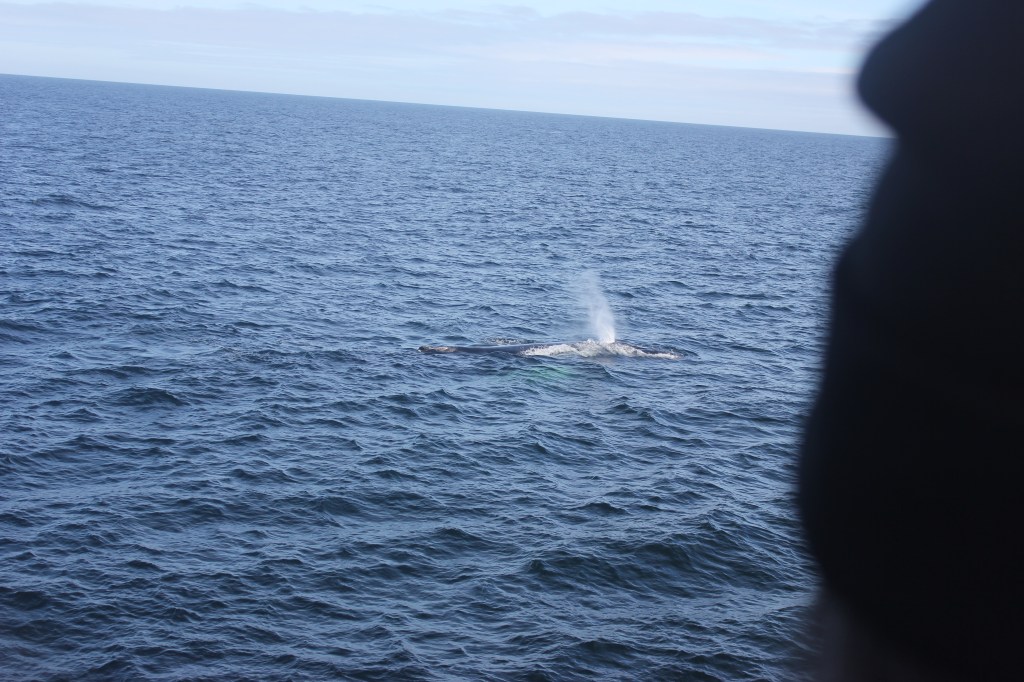
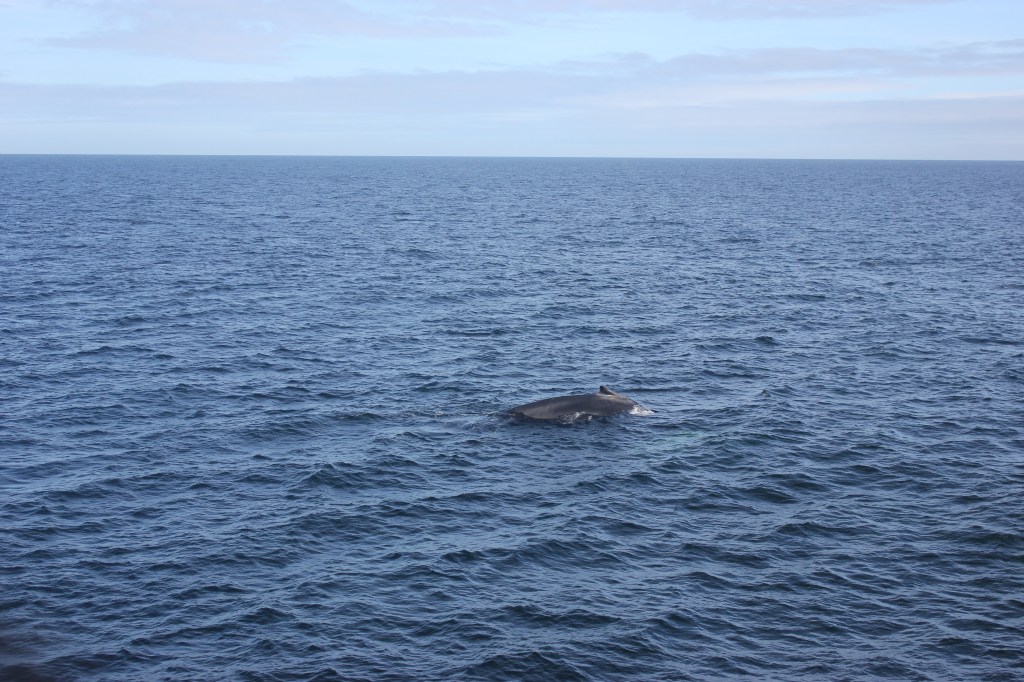
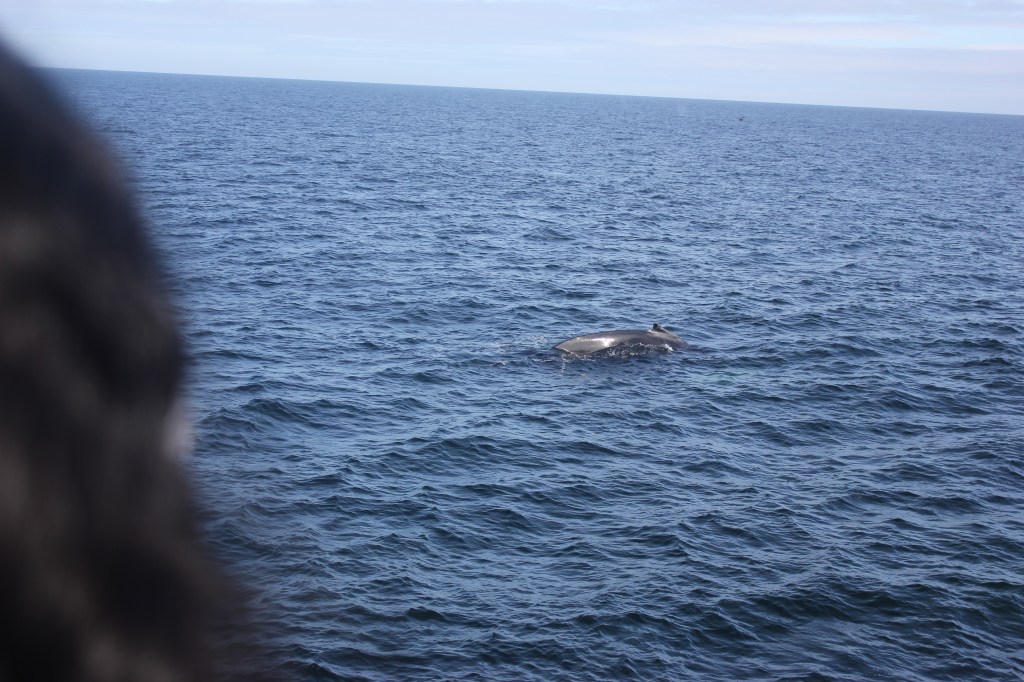
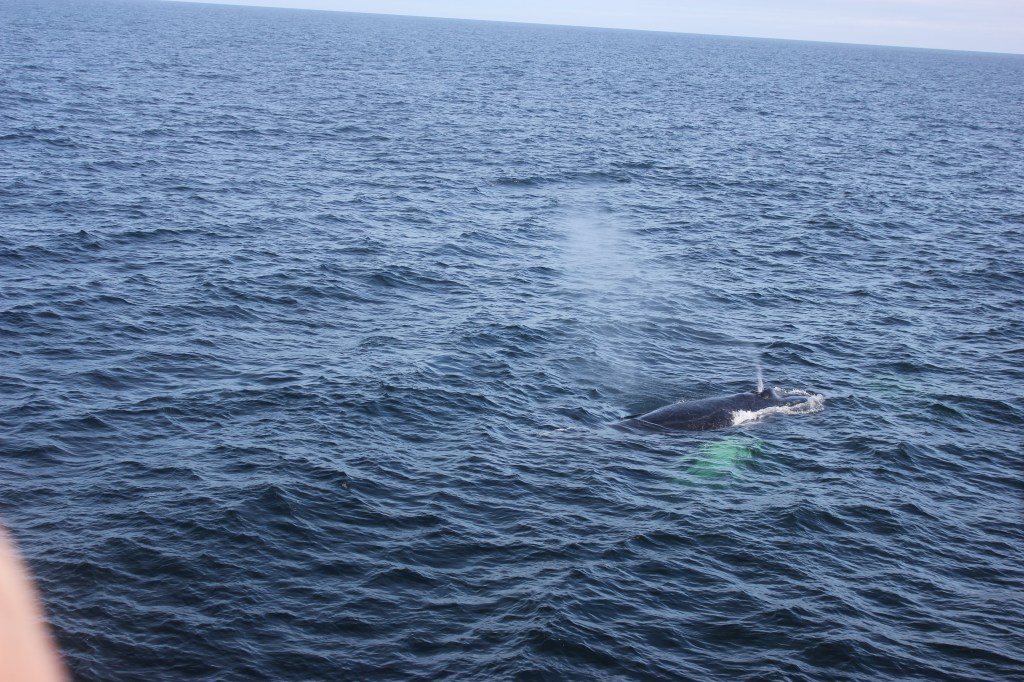
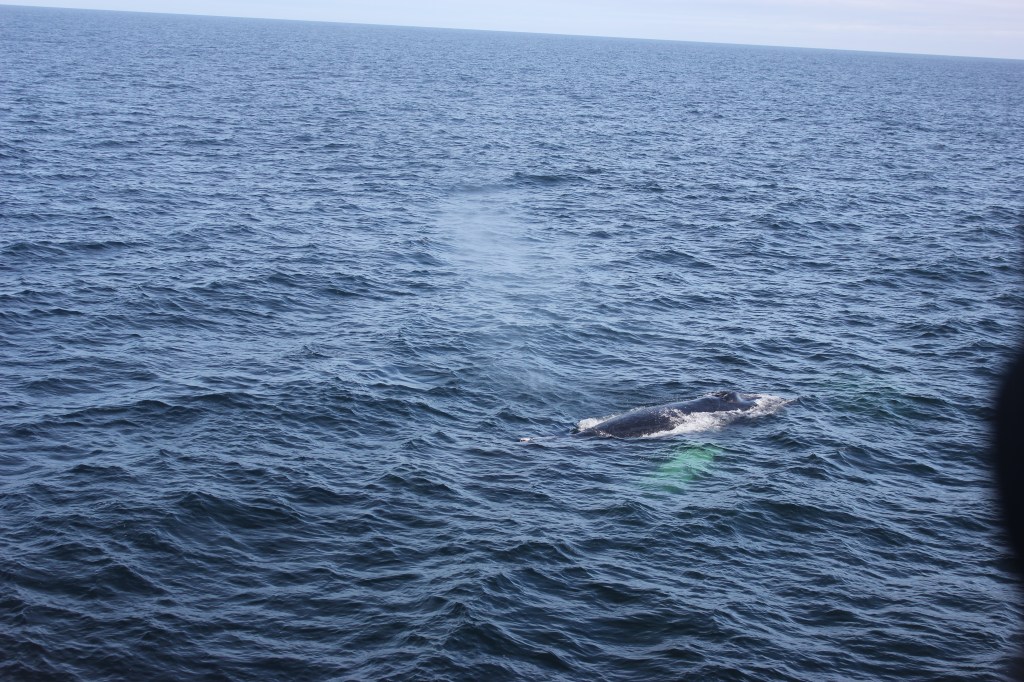
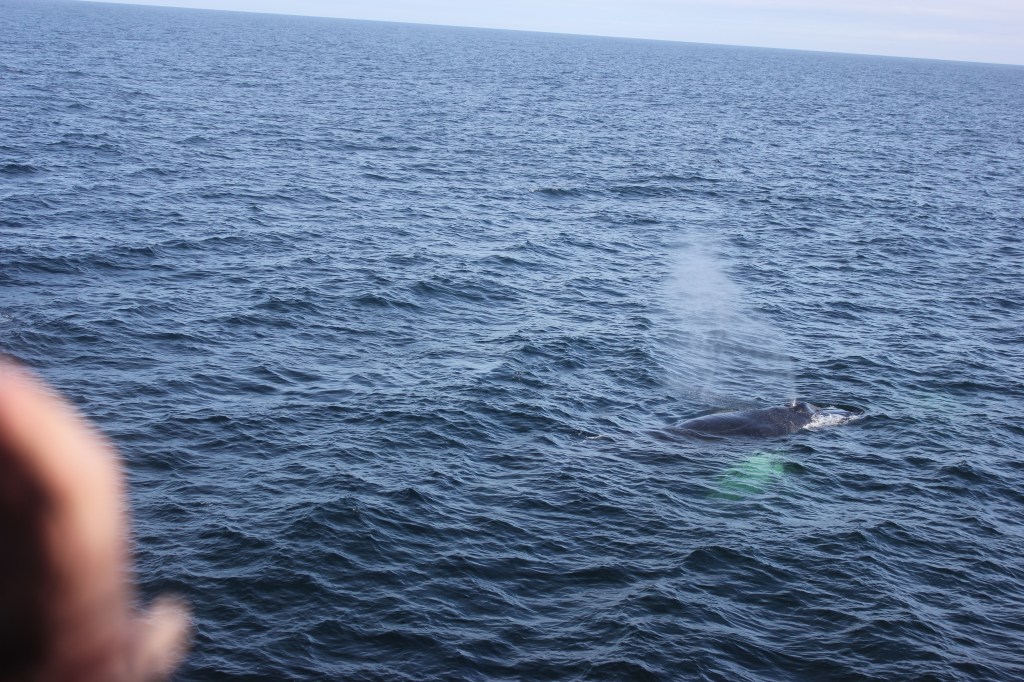
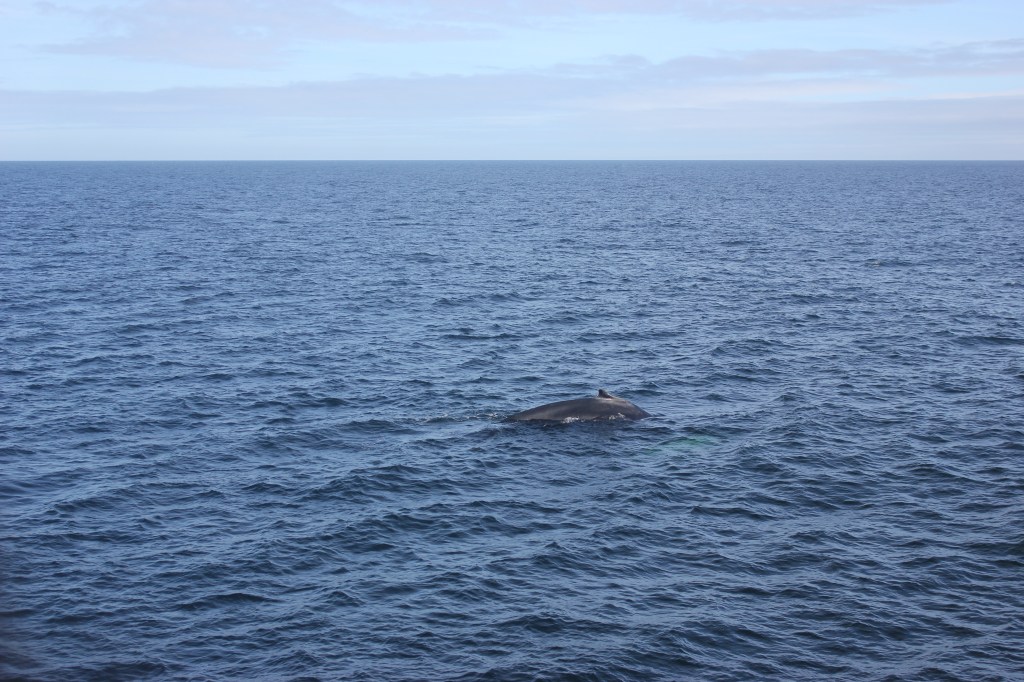
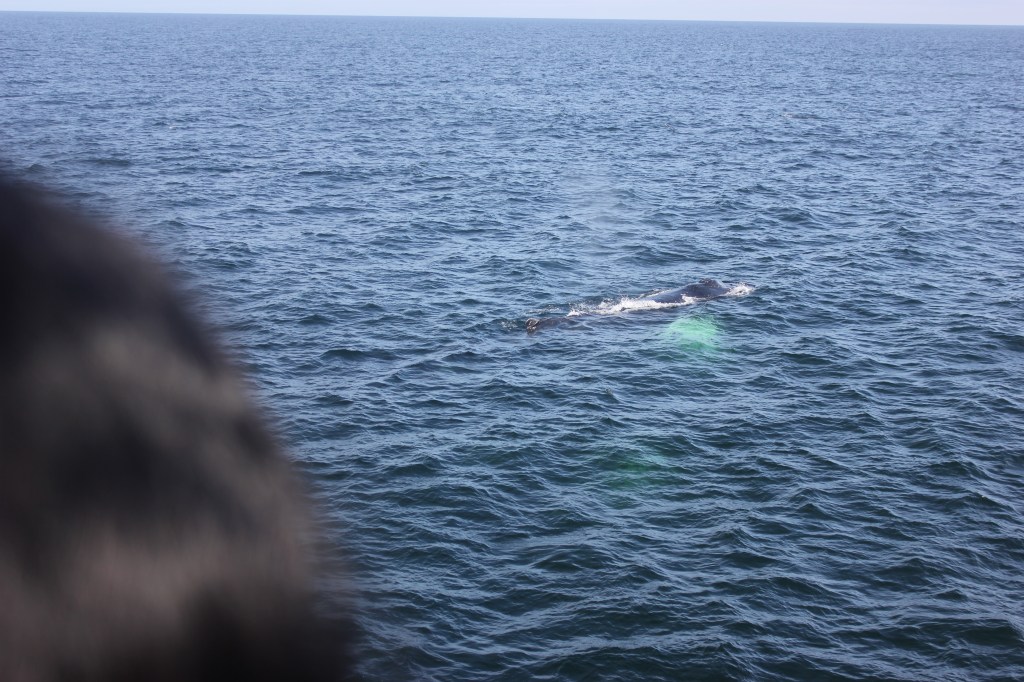
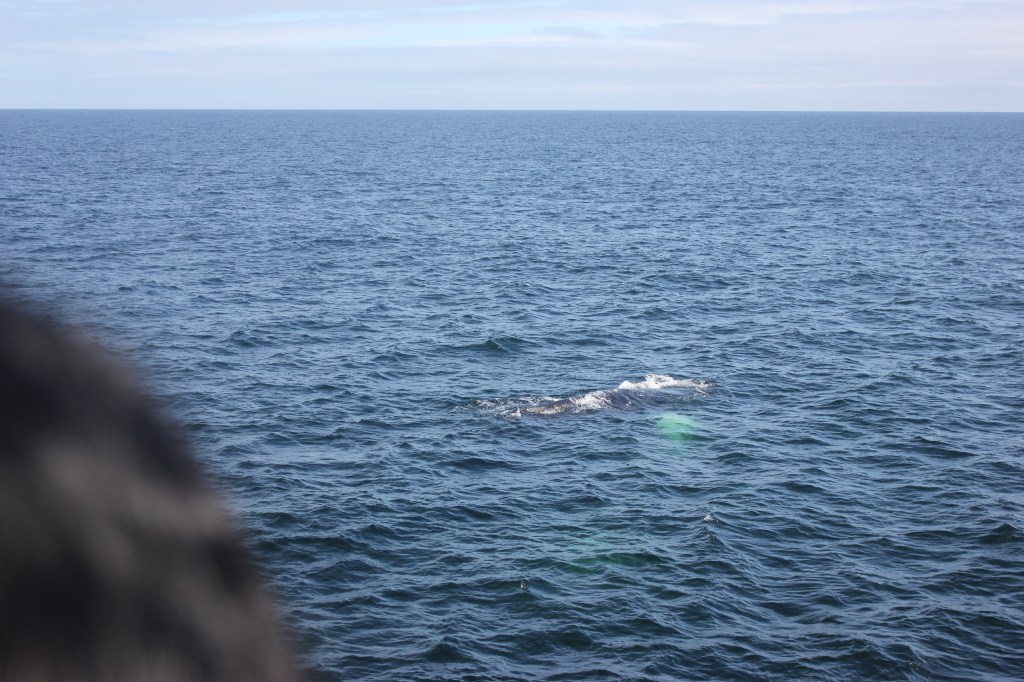
A boat trip to Stellwagen Bank to see some of the largest creatures on the planet.
What a treat!
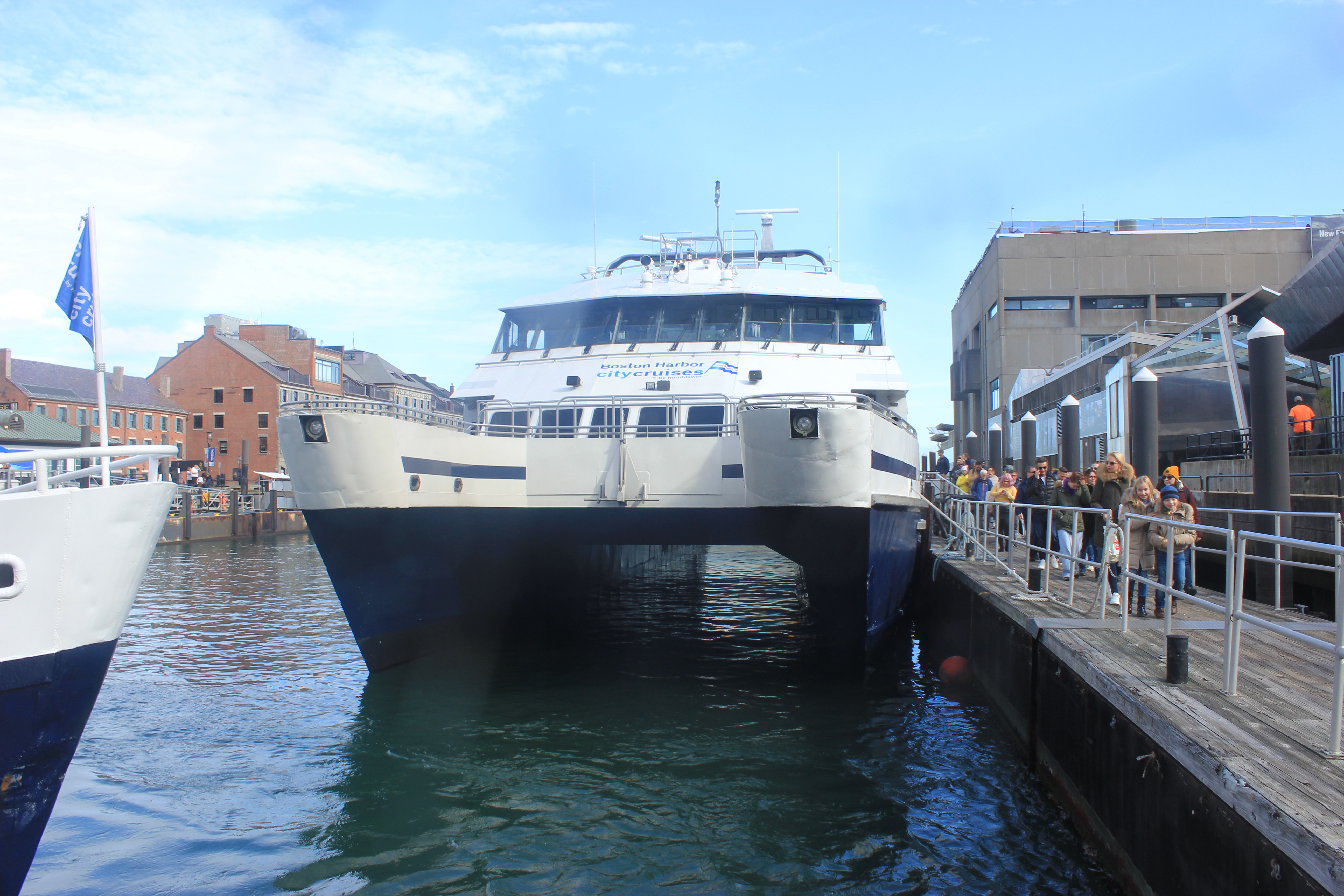
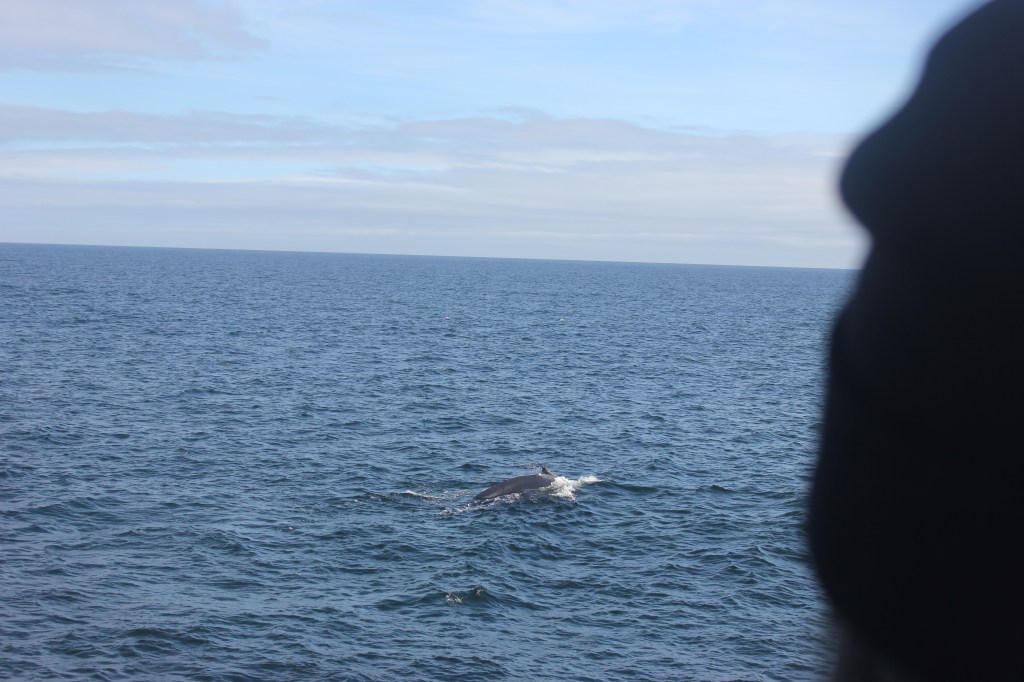
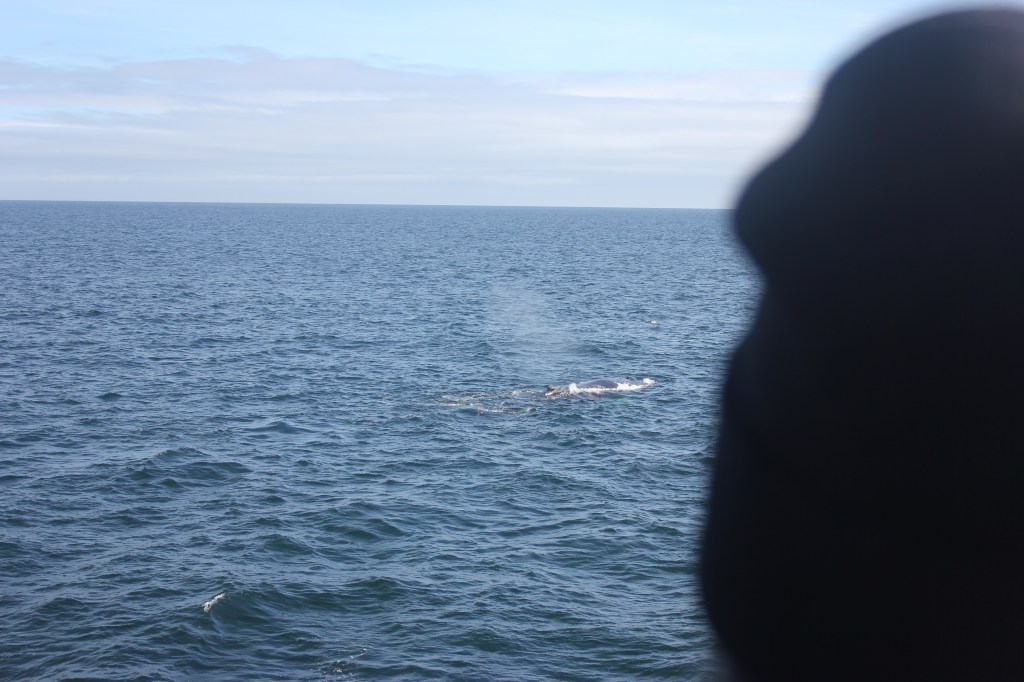
Stellwagen Bank National Marine Sanctuary is only about 30 miles from Boston, between Cape Ann and Cape Cod. Within an hour of leaving Boston Harbour, I sighted whales. At one moment I could see 5 whales. I will remember this excursion for a very long time.
Boston is a major city for sports so during my visit I was able to indulge myself.
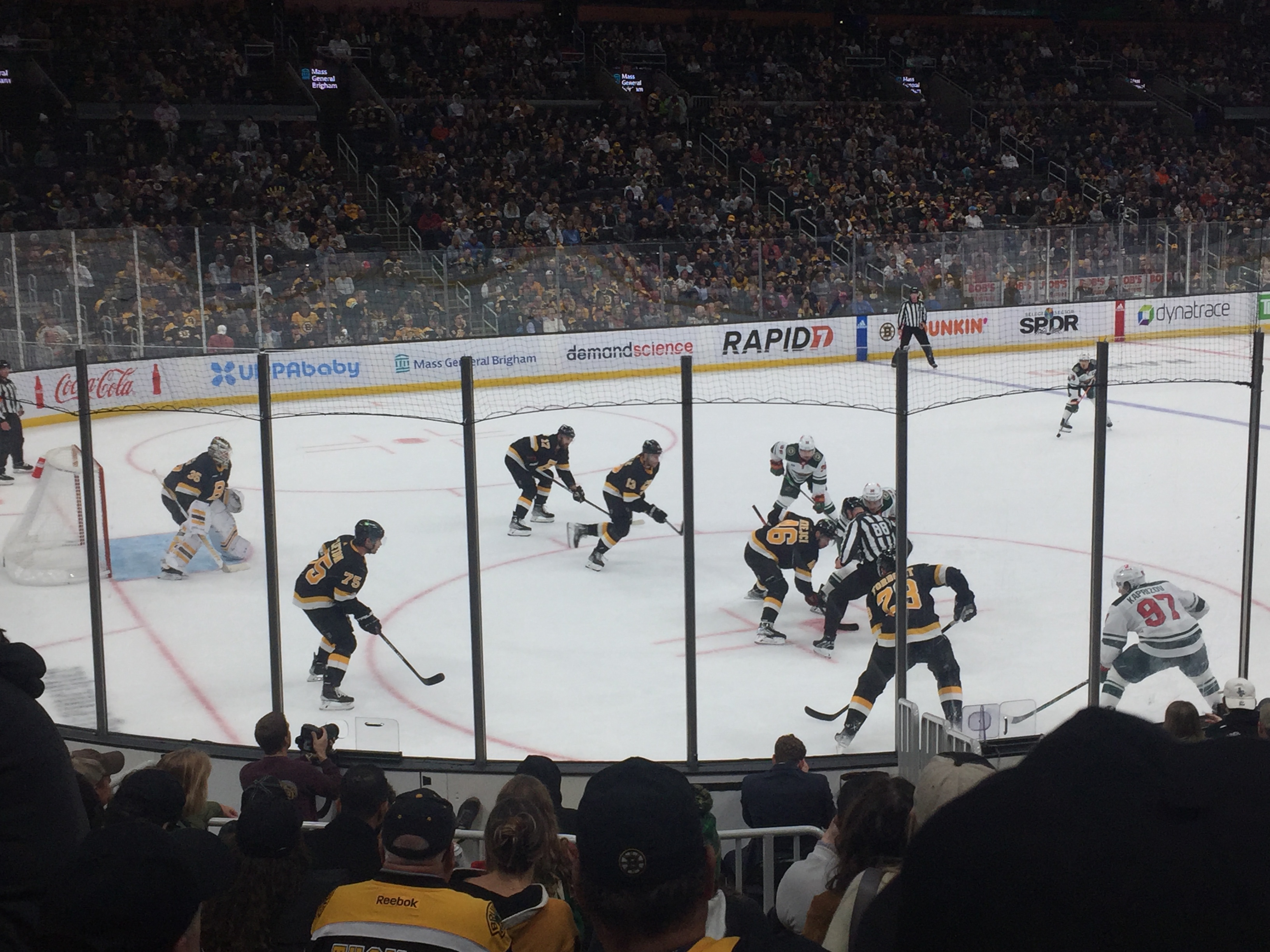
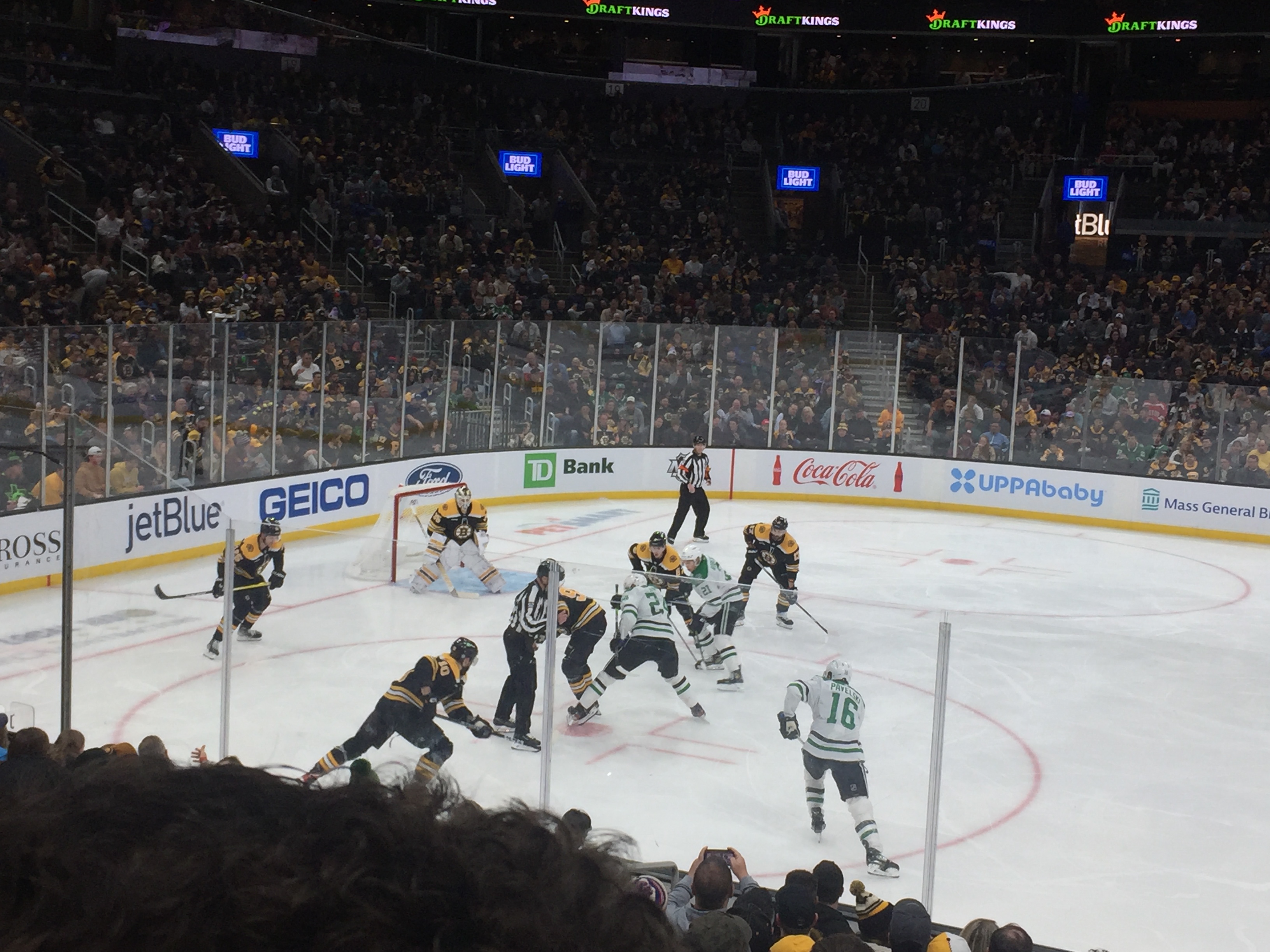
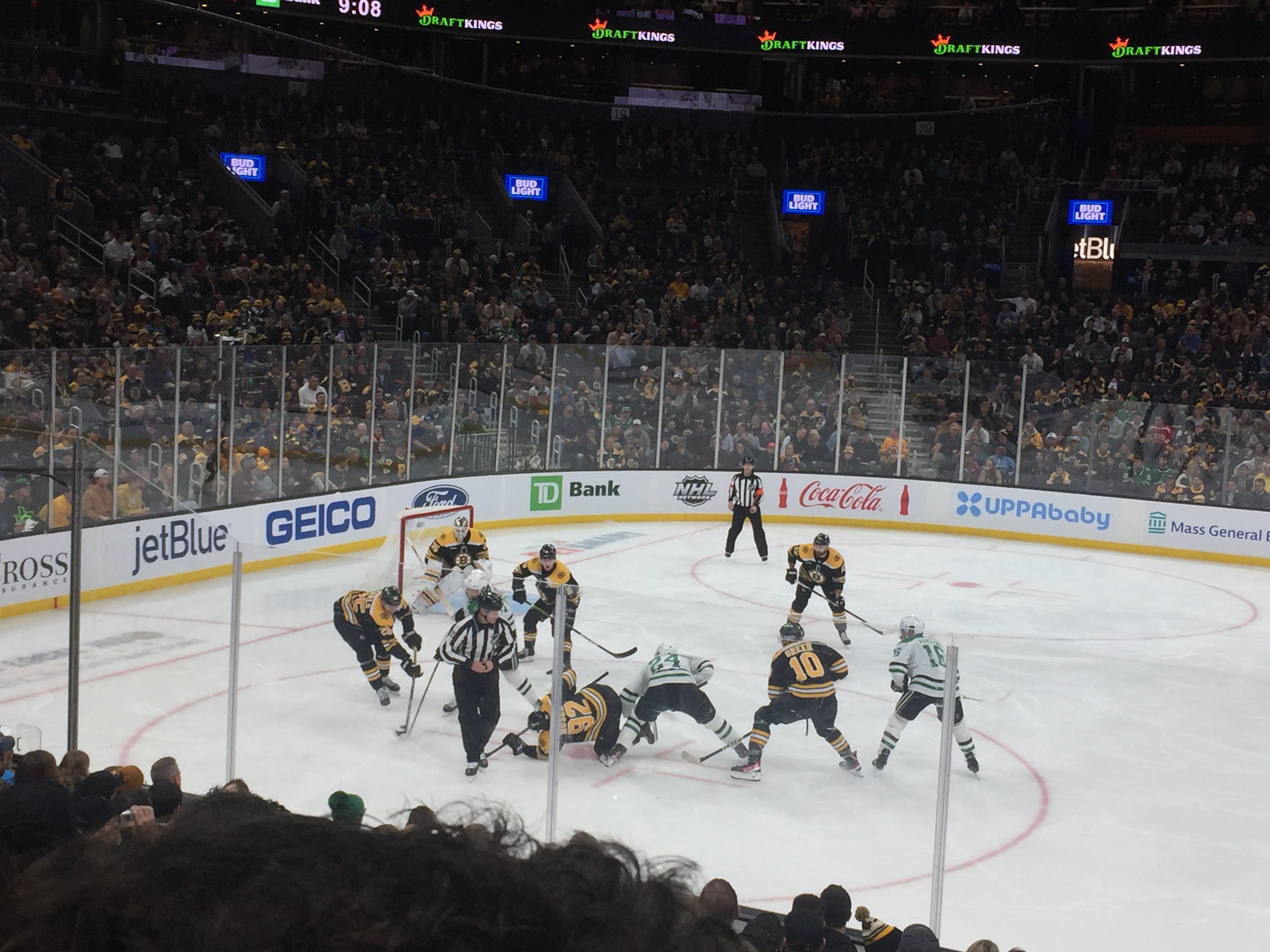
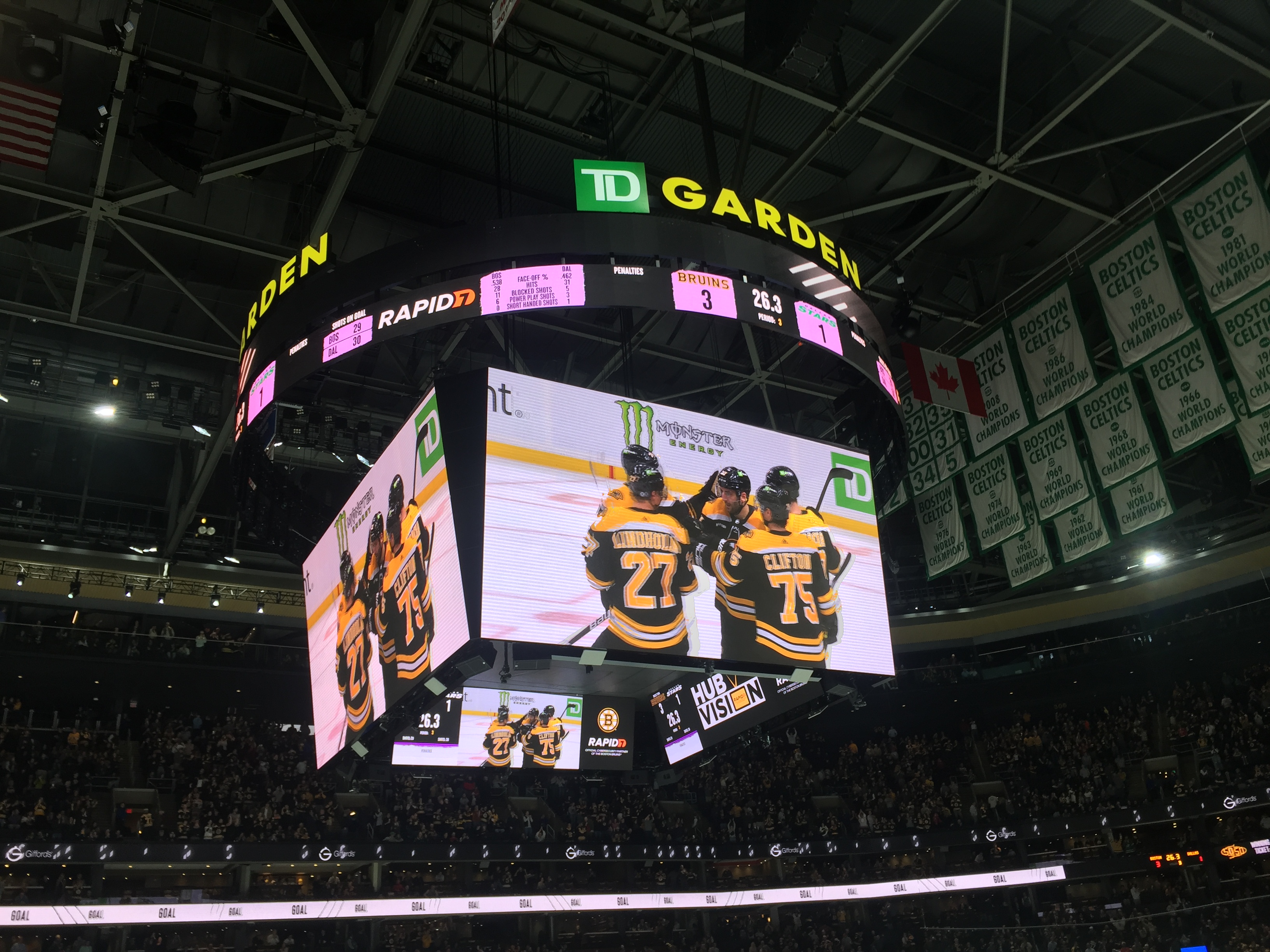
The Boston Bruins are one of the strongest teams in the NHL. I saw them defeat Minnesota Wild in a ripsnorter of a game. The Bruins scored a winner with only 10 seconds remaining of overtime. 4-3 to the Bruins. I also saw the Bruins prevail over the Dallas Stars by 3-1.
The Bruins are serious contenders for this season’s Stanley Cup. Watch out for them when the play offs come around.
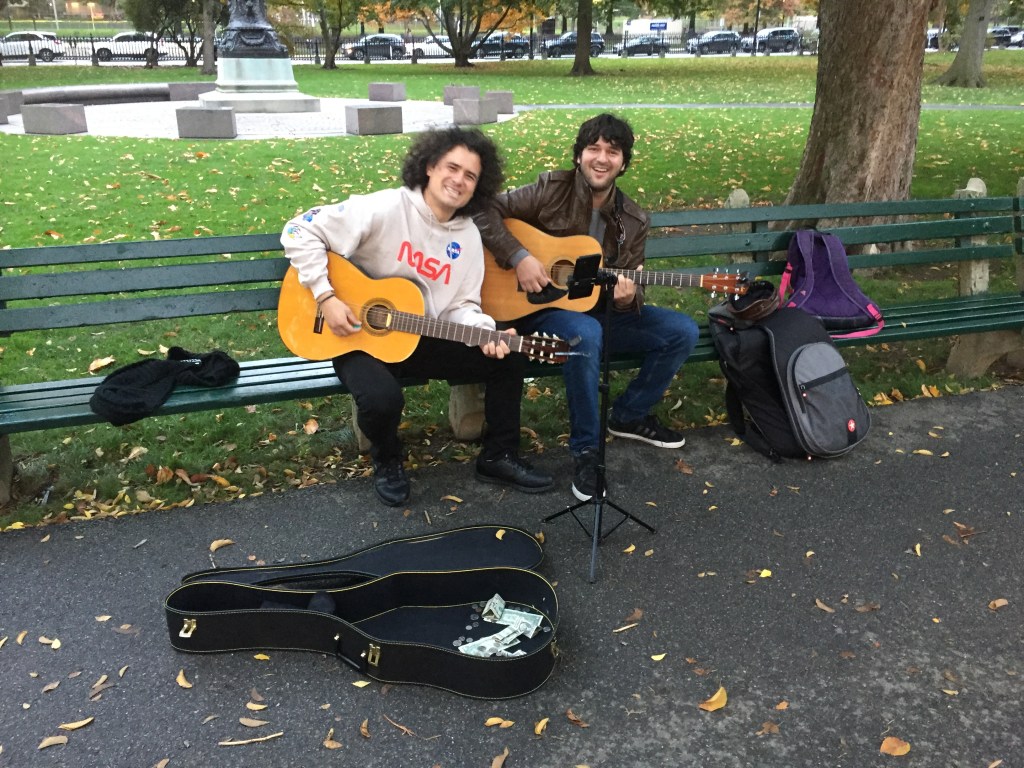
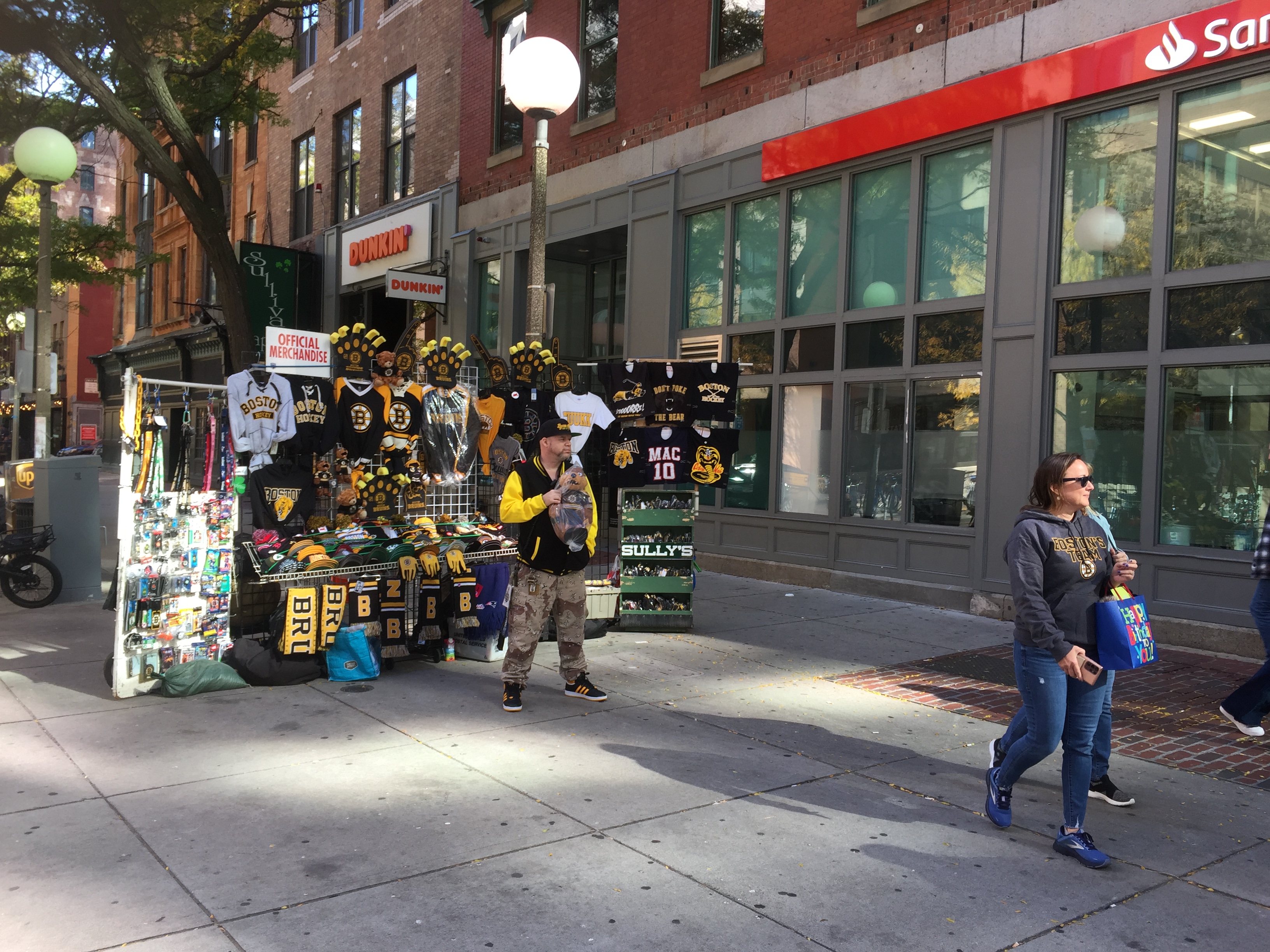
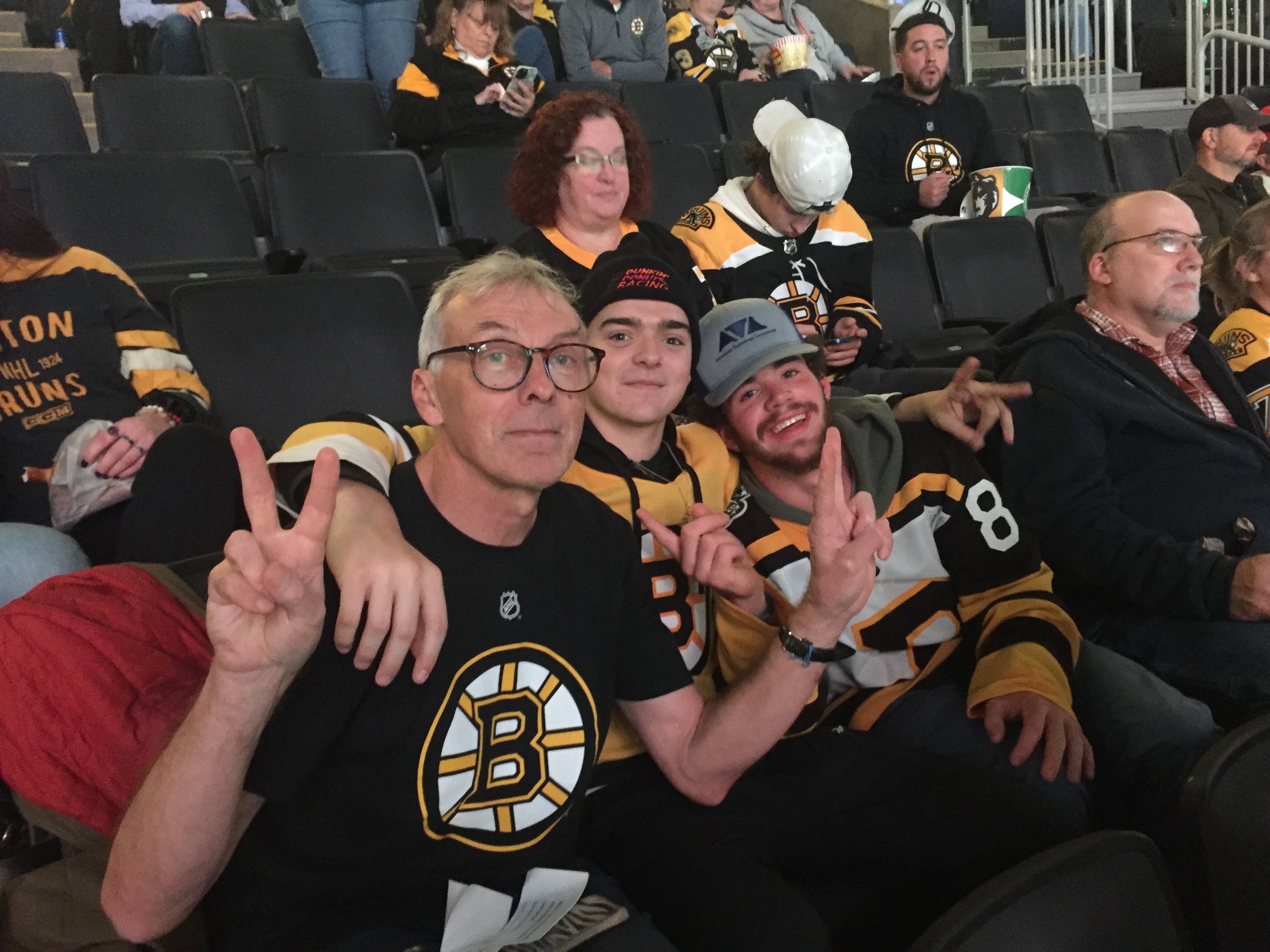
There was a great atmosphere at the Bruin’s games. The Bruin’s uniforms are similar to those of Castleford Tigers, so I felt at home. I met Kyle and Zach who are big fans of the Bruin’s. Kyle’s uncle is a doughnut magnet and Zach has aspirations to be a lineman for the county and to drive the main roads. It was great to meet you guys, don’t forget to look out for Yard Act.
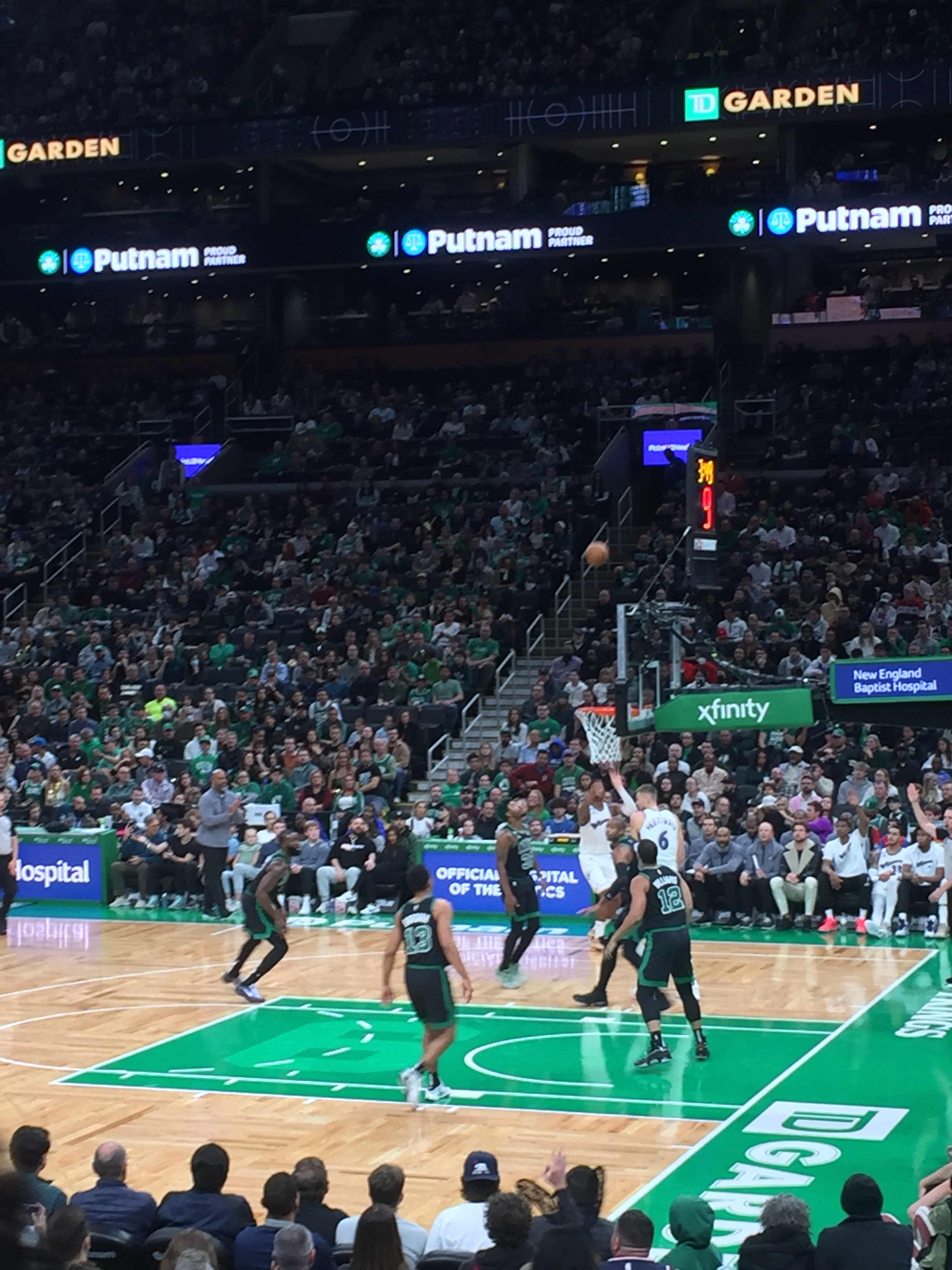
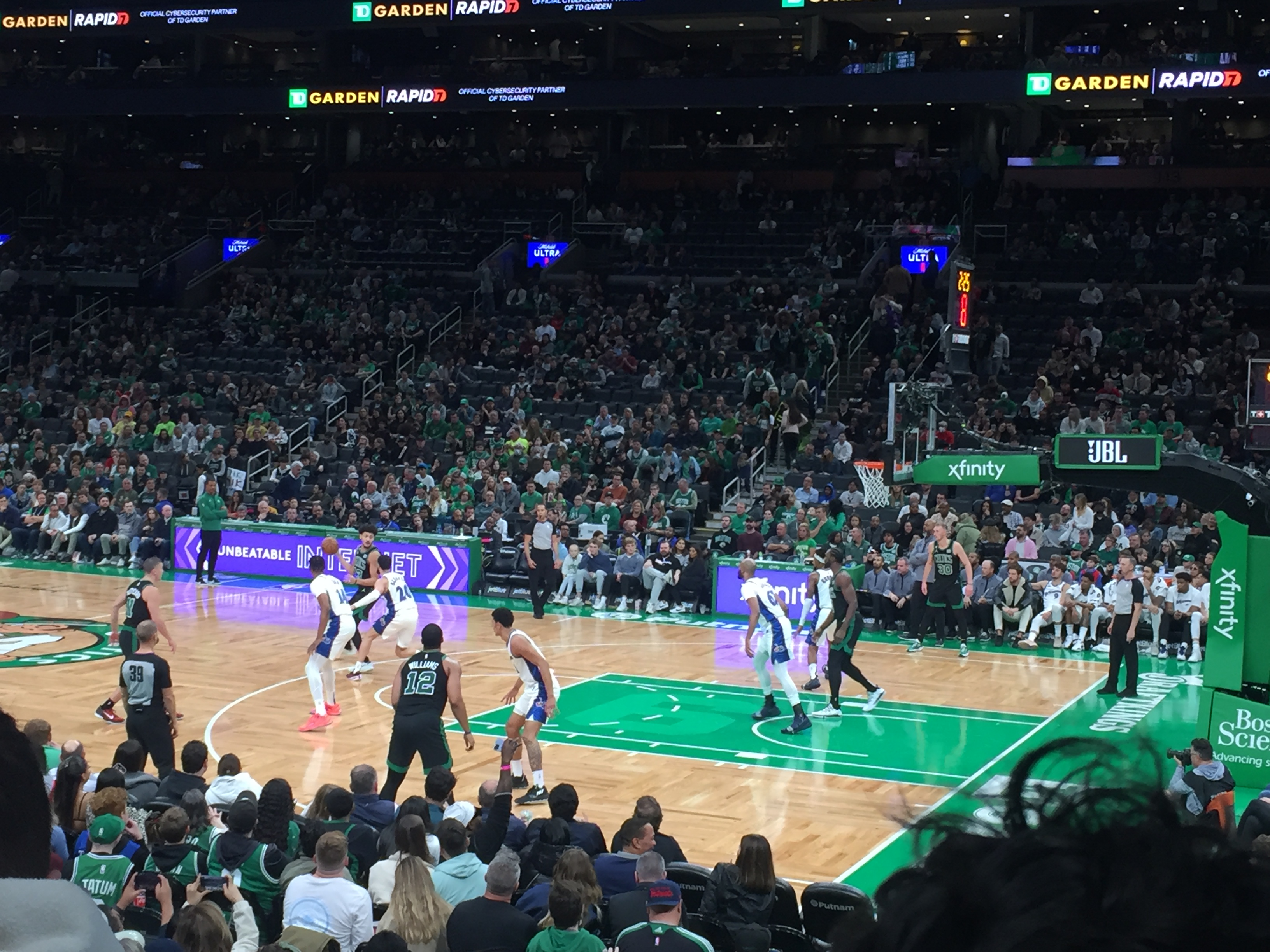
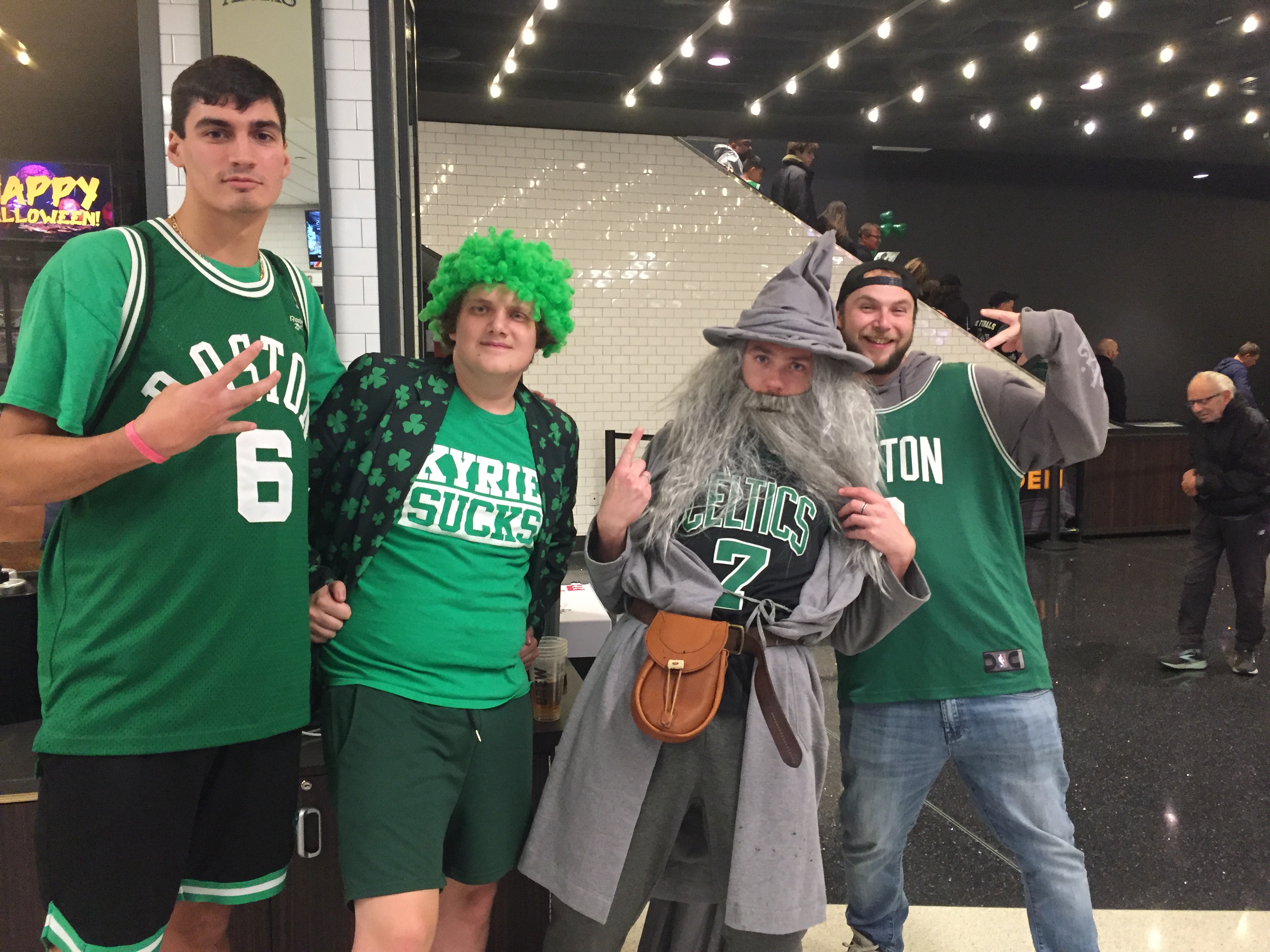
In the NBA the Boston Celtics are going well and are placed highly in the Eastern Conference. I saw them demolish Washington Wizards by 112 to 94.
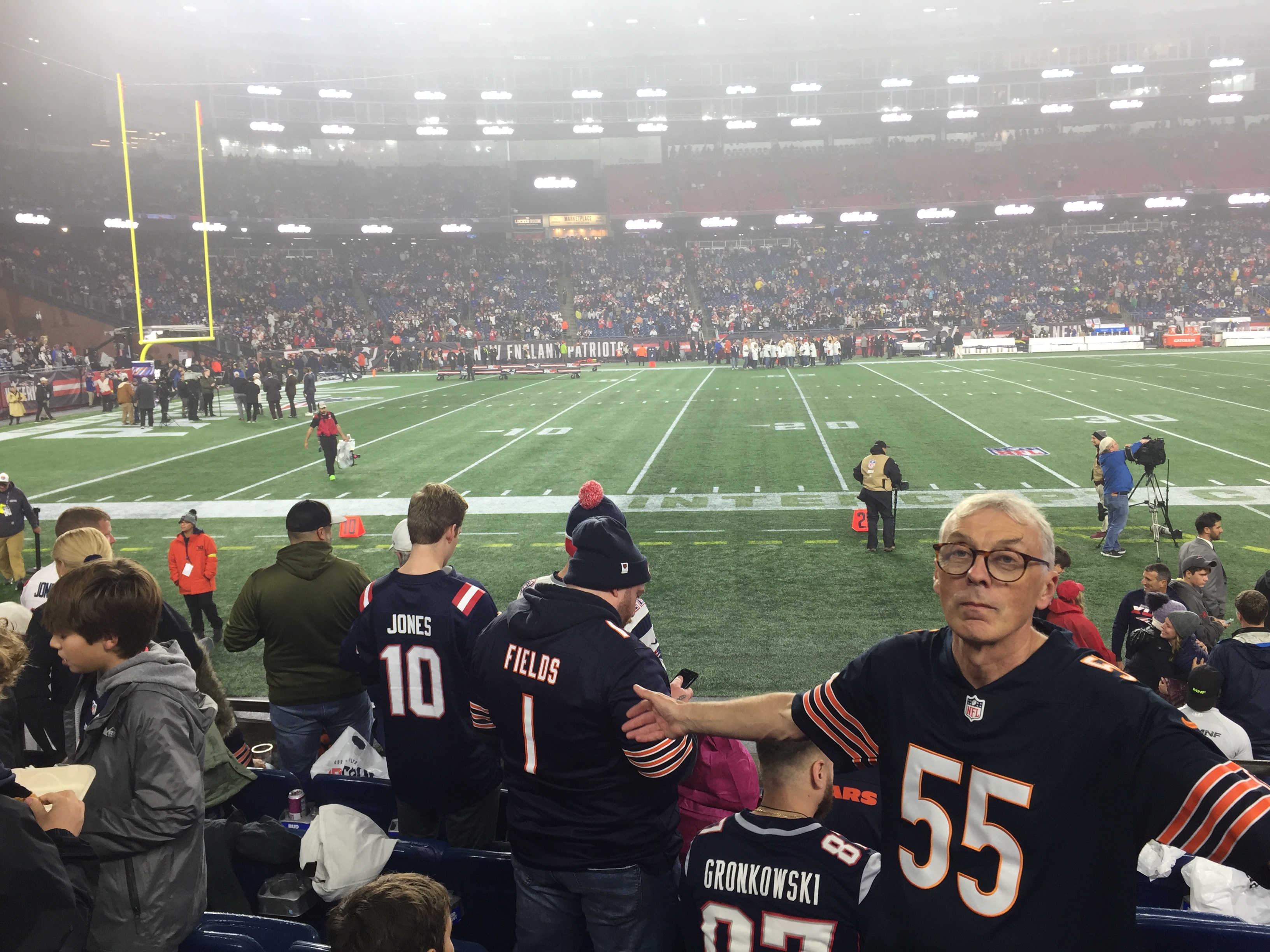
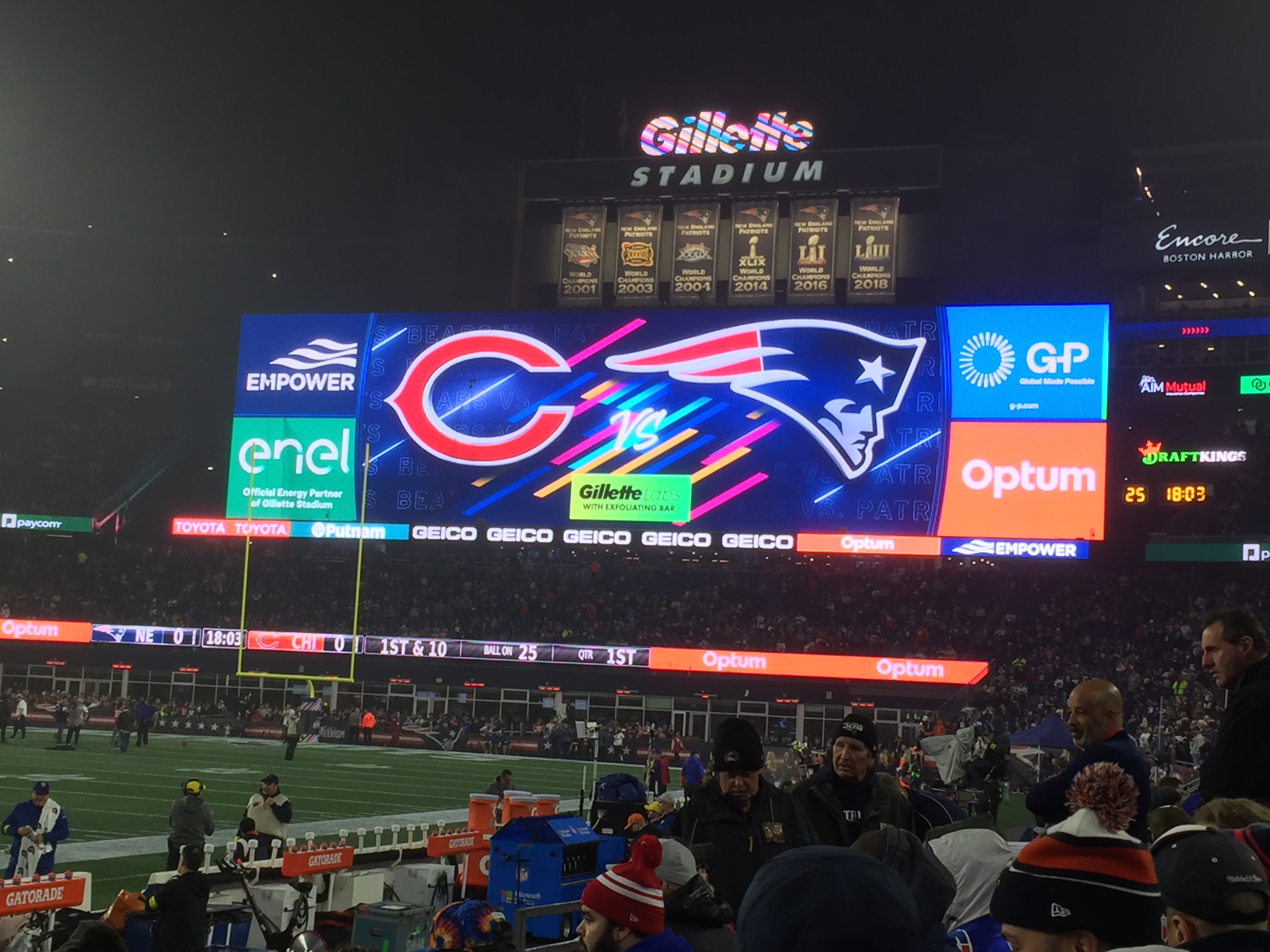
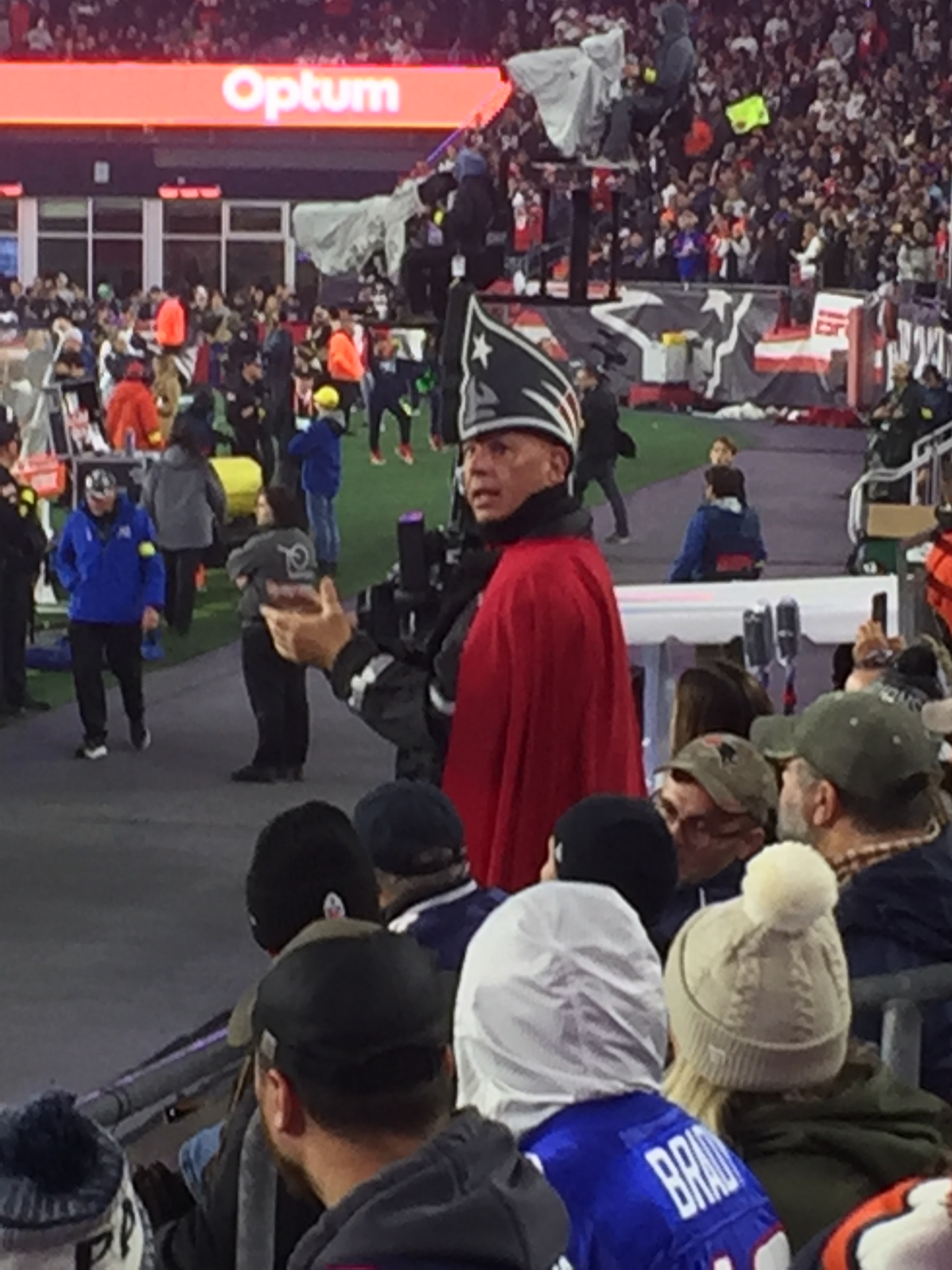
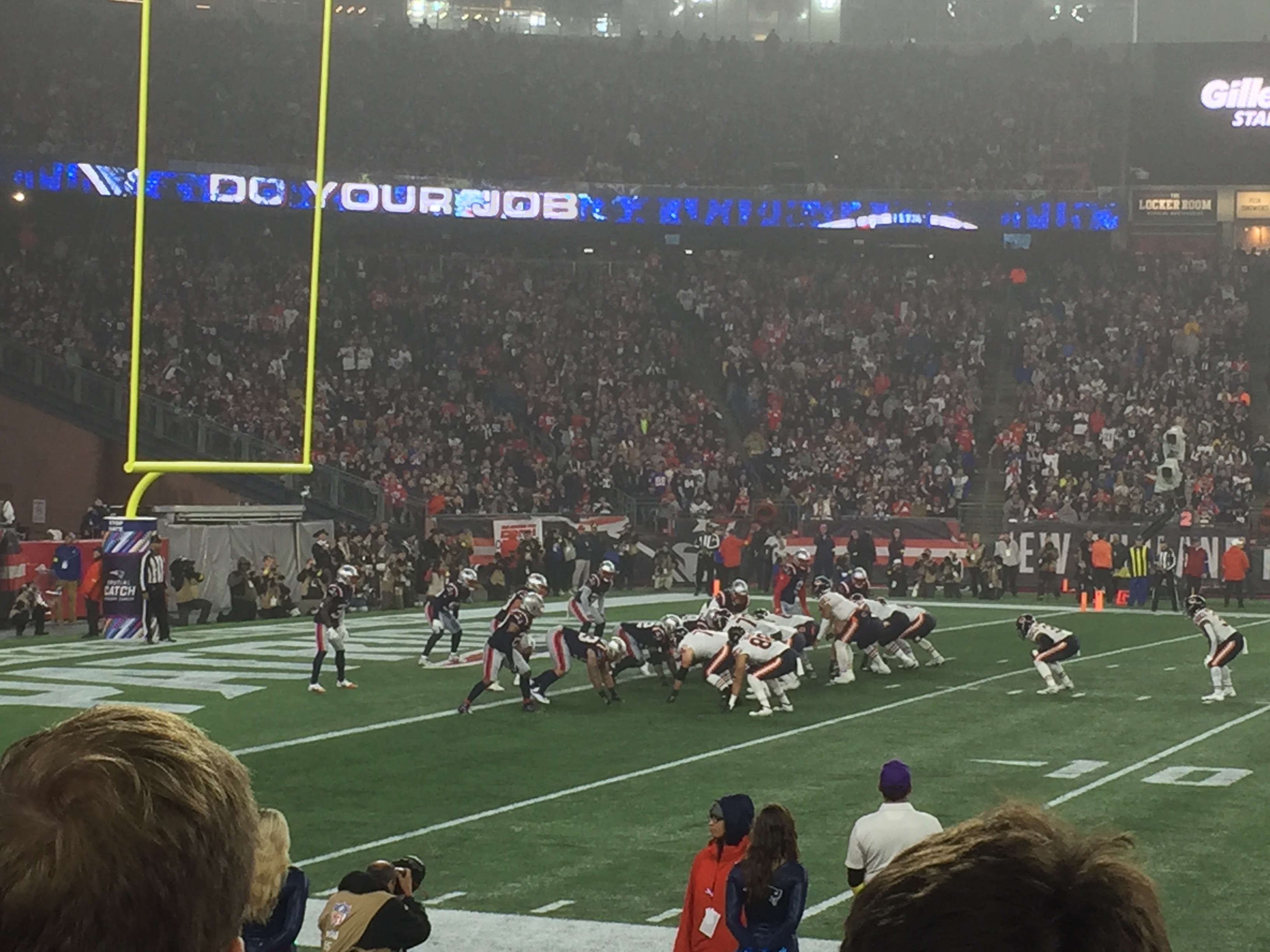
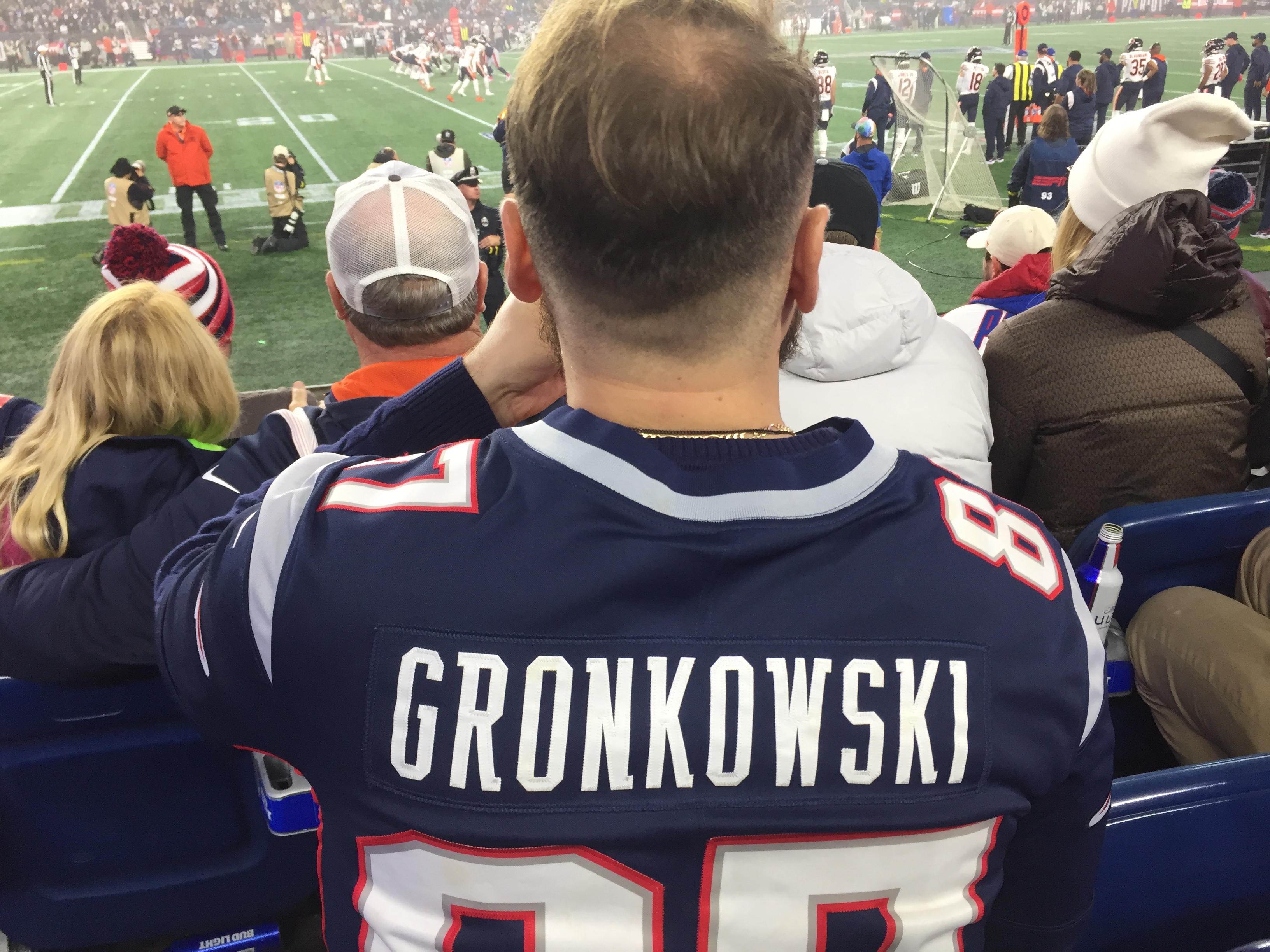
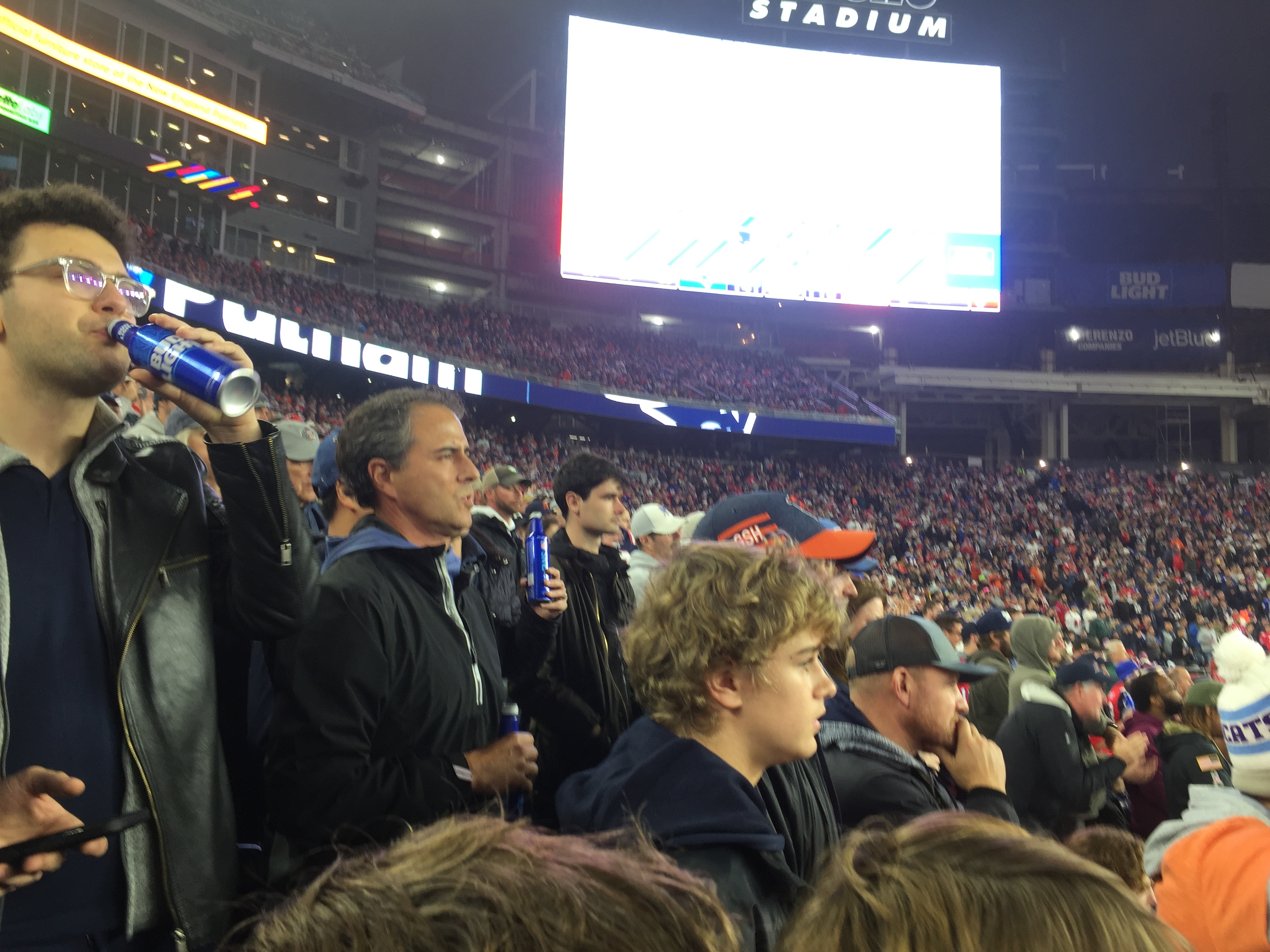
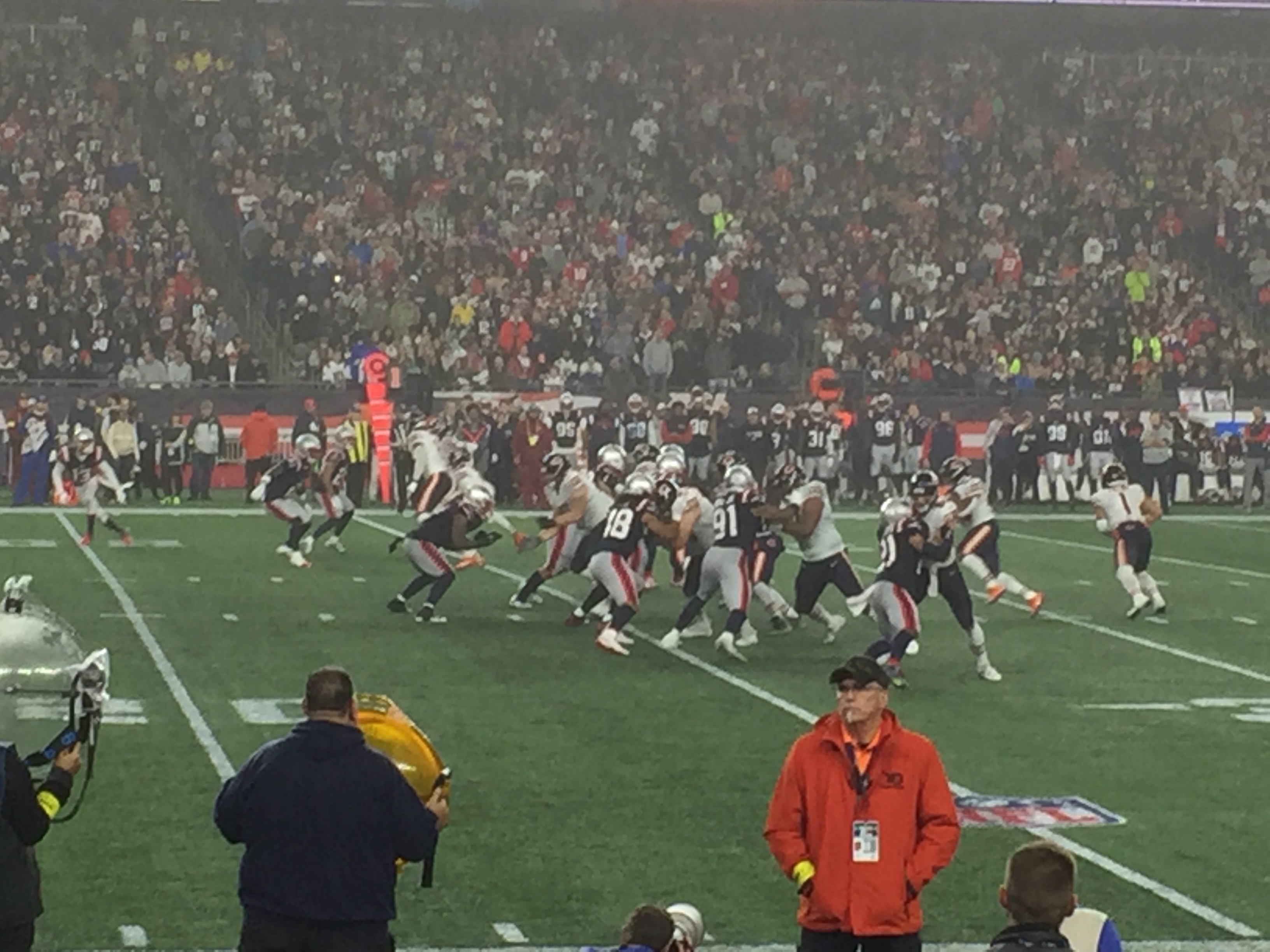
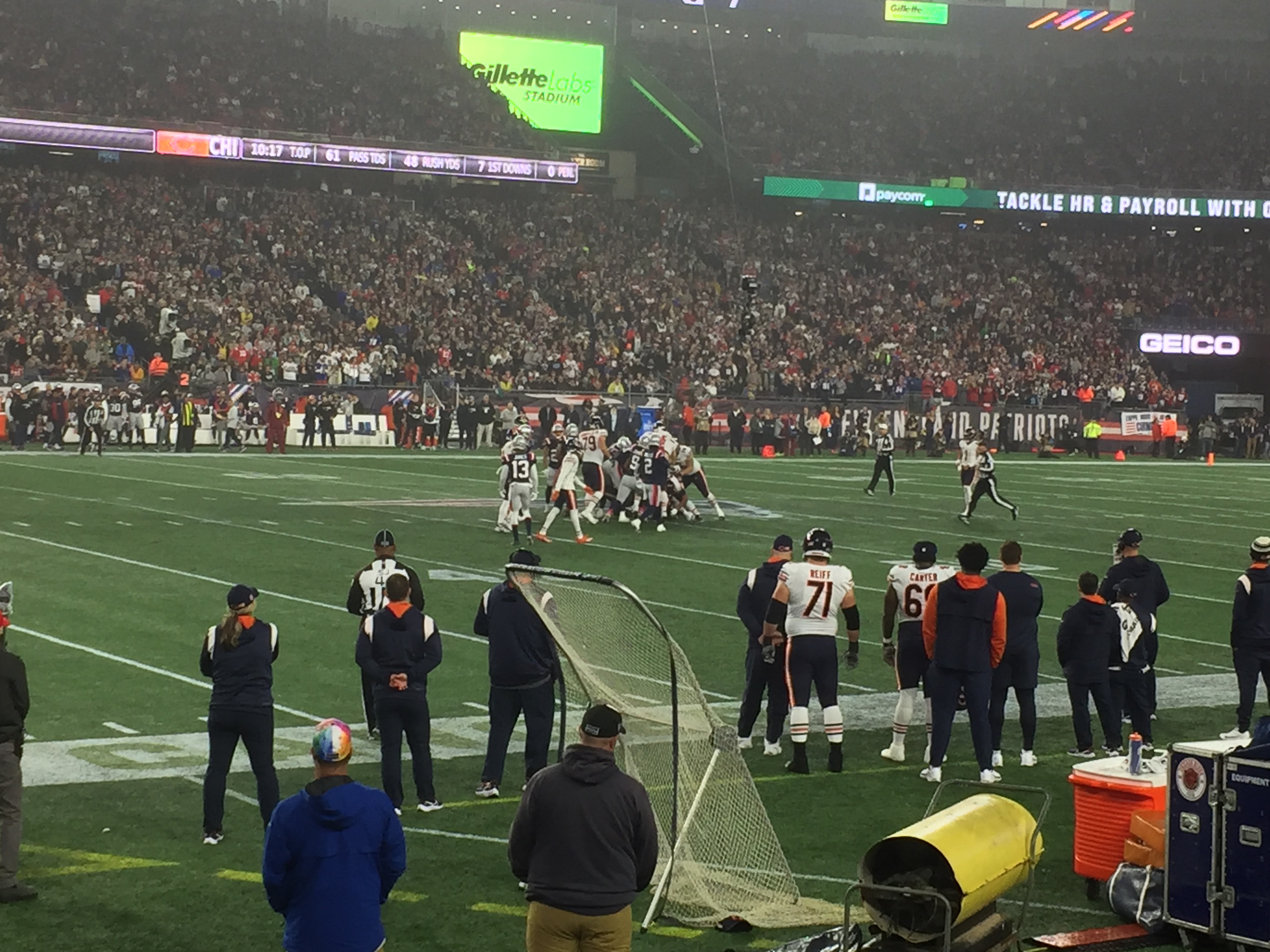
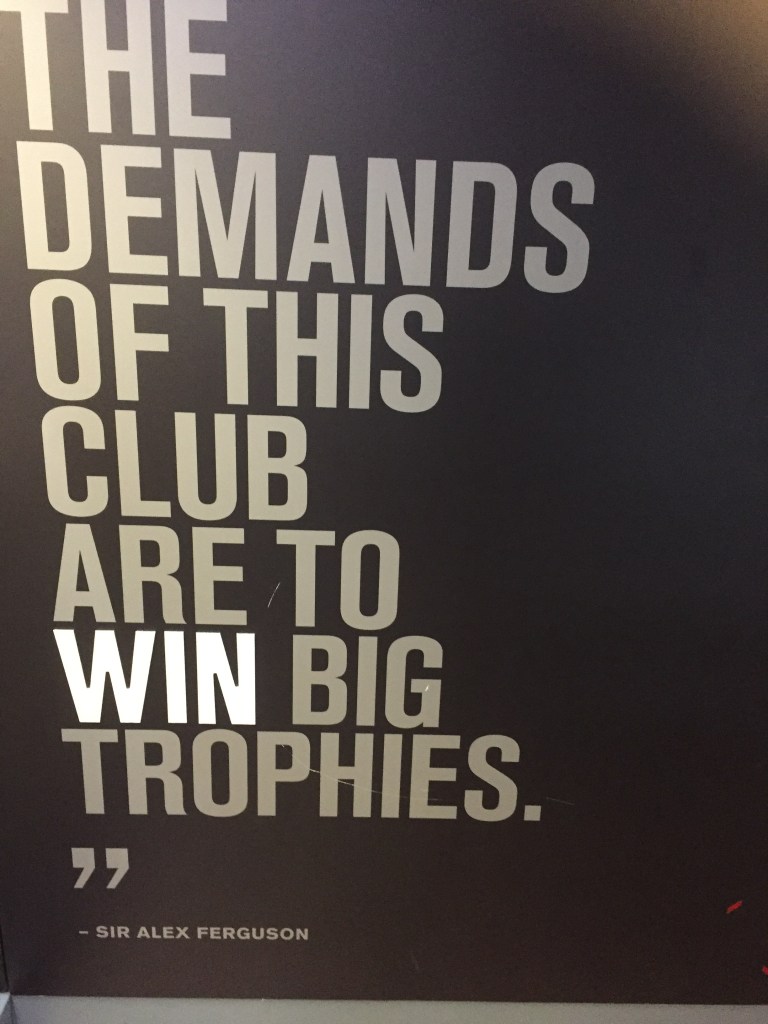
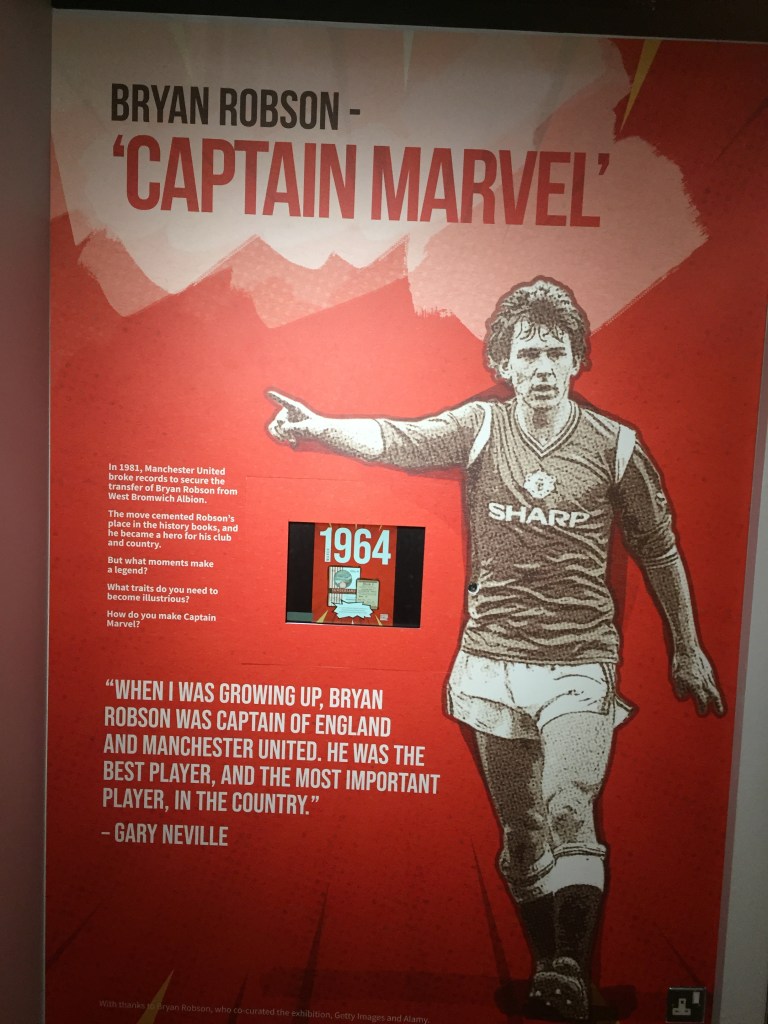
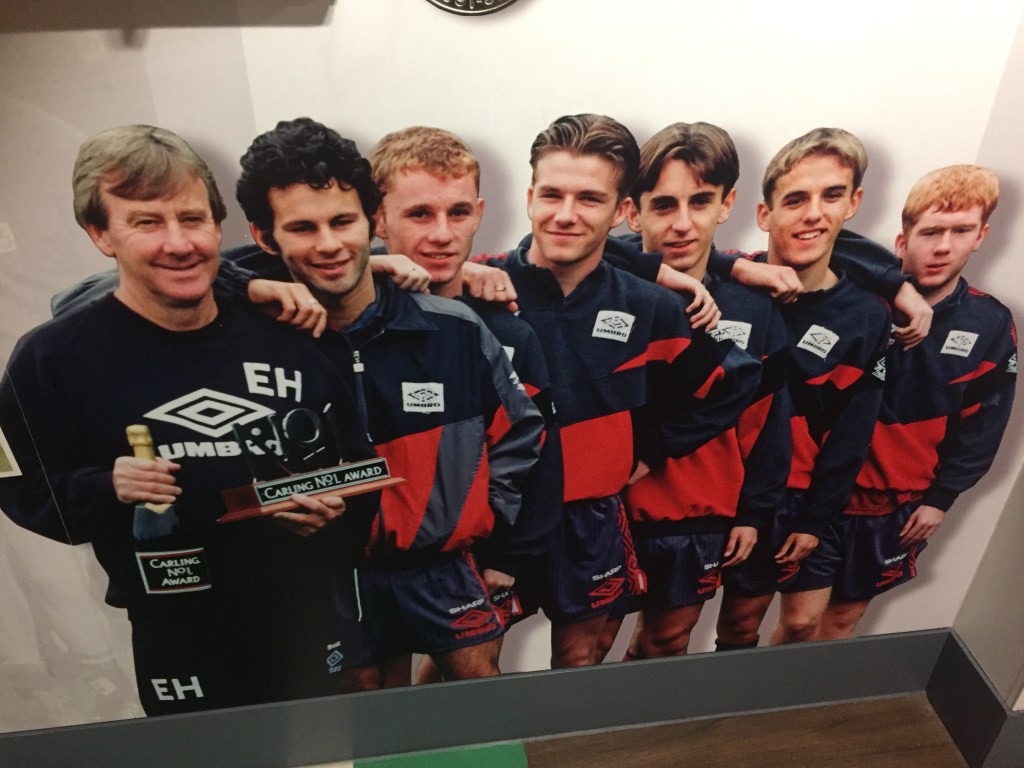
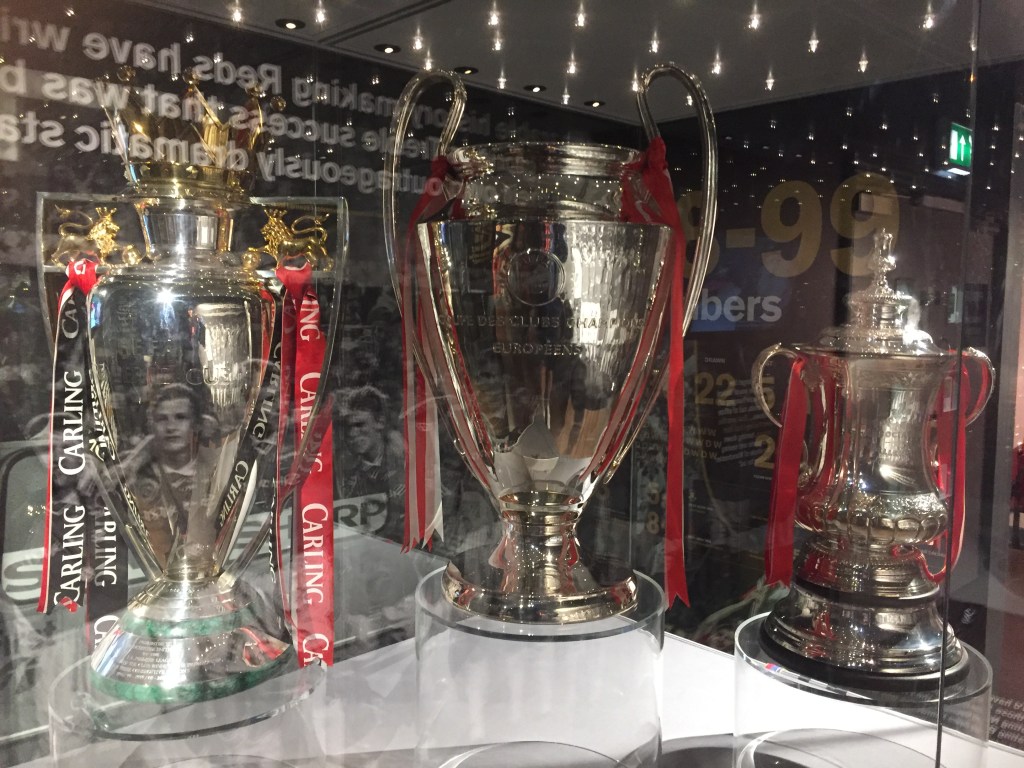
It was a big thrill for me to travel to Foxborough to visit the Gillette Stadium to see the New England Patriots host the Chicago Bears. The Patriots have won Superbowl many times. They are the Manchester United of the NFL. However, to my delight, the Chicago Bears mauled the Patriots and won the contest by 33 to 14.
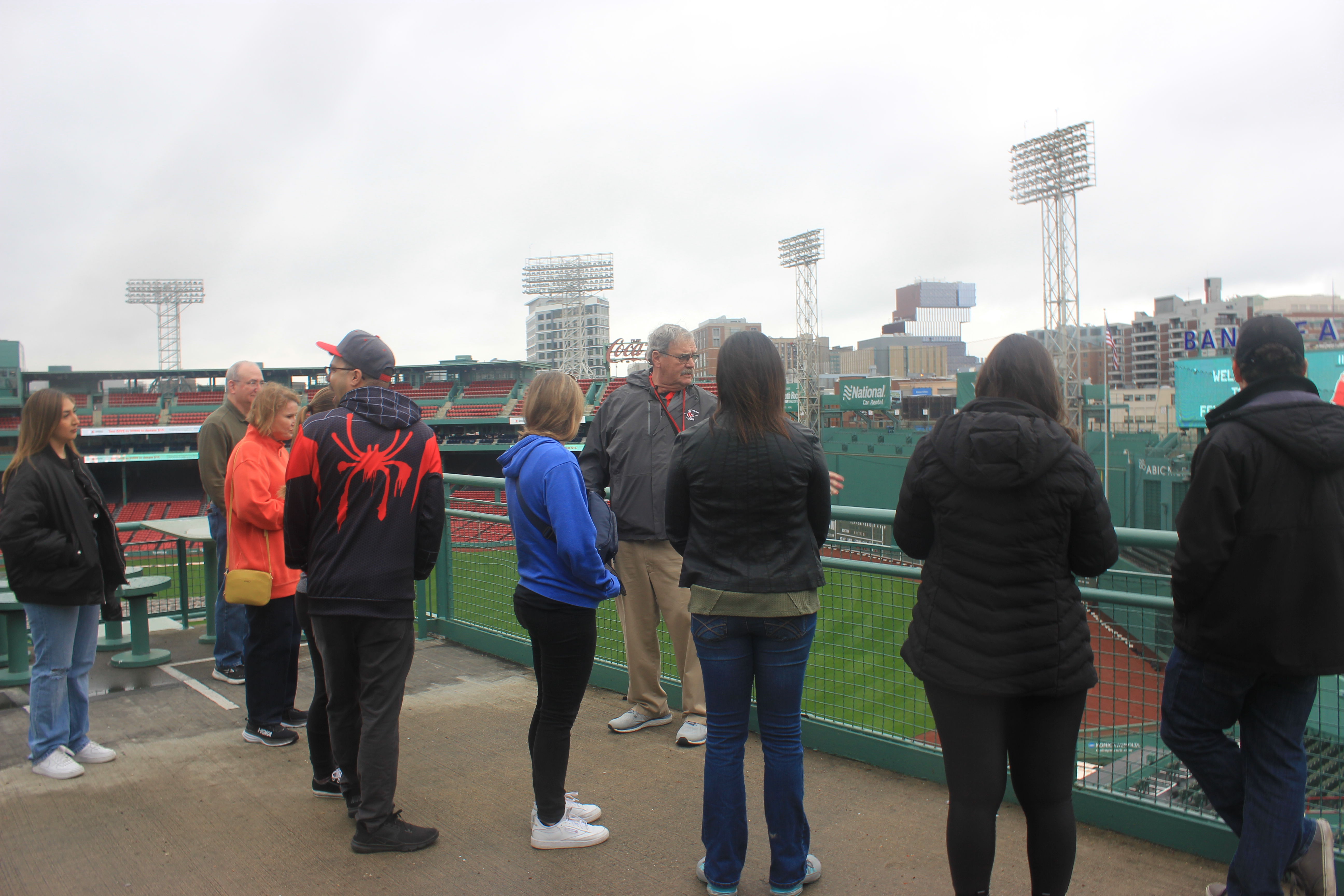
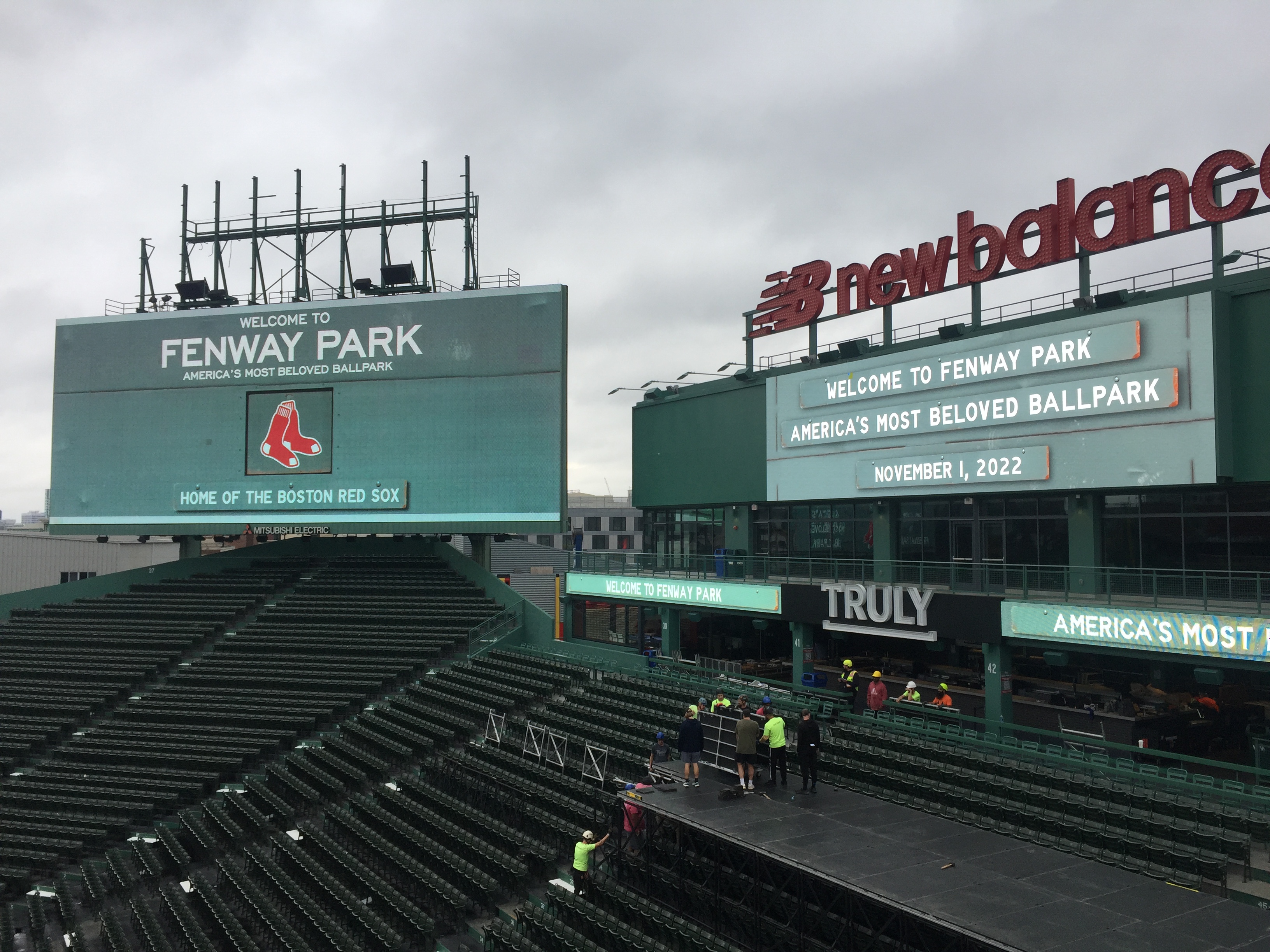
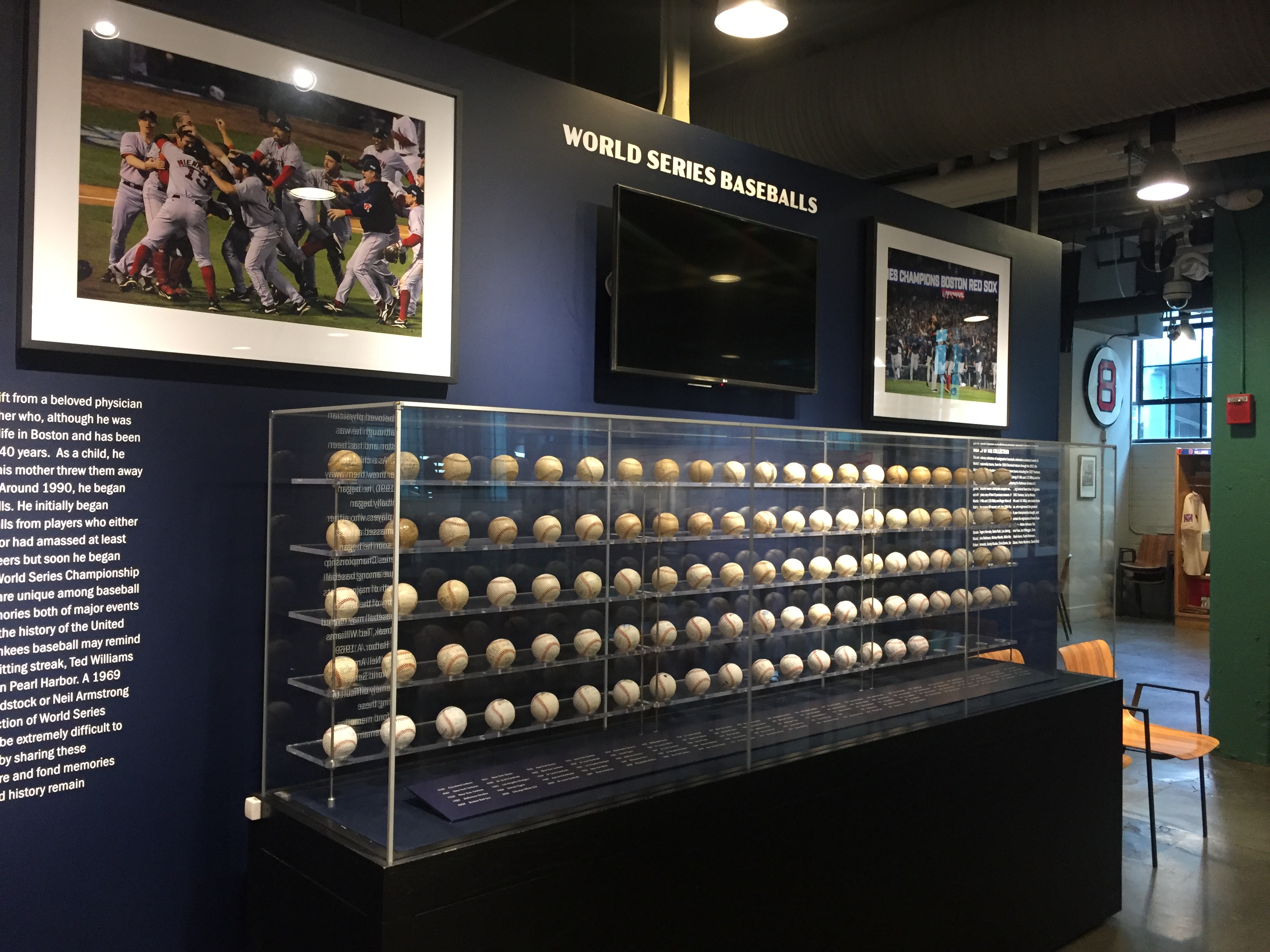
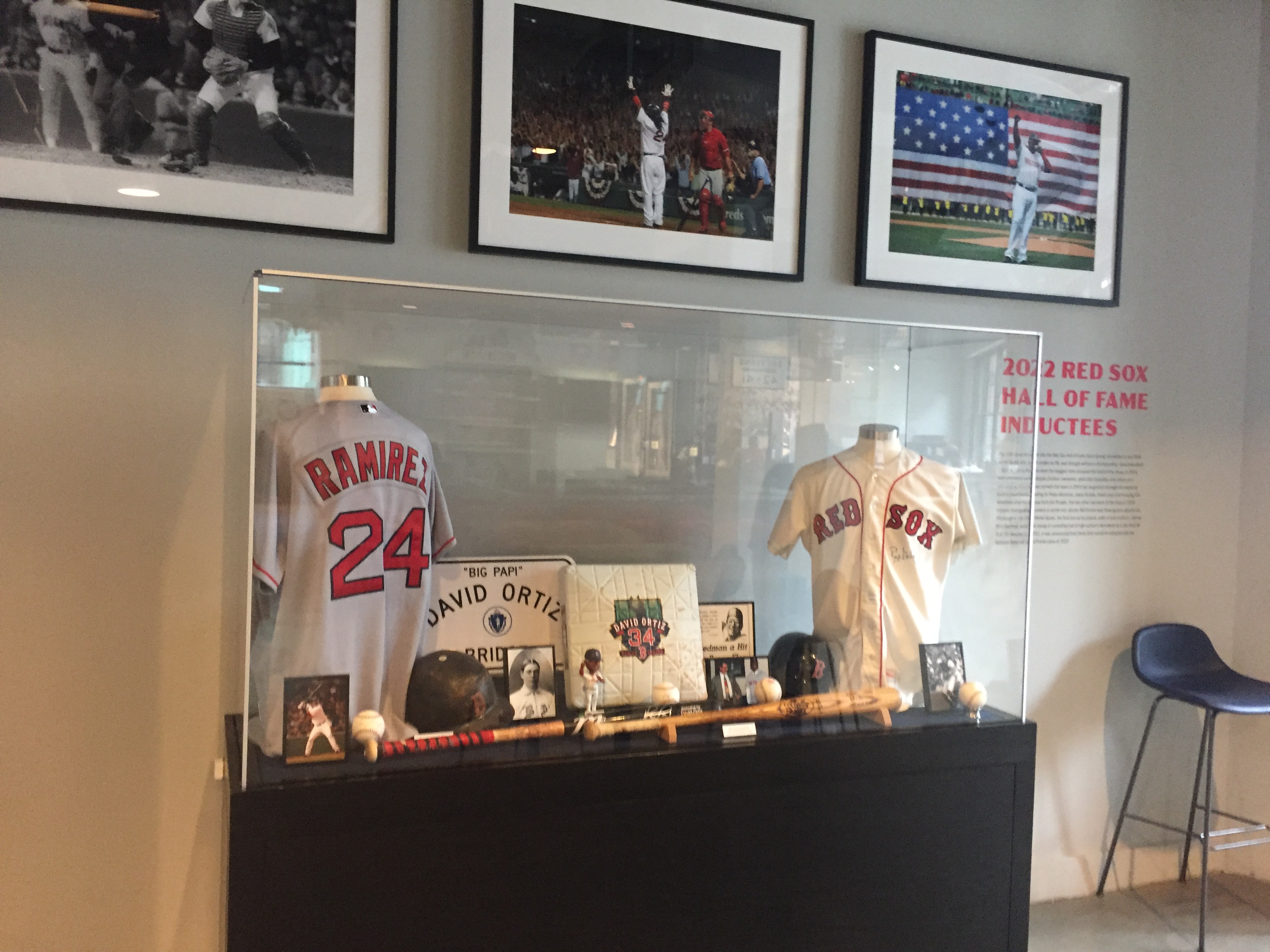
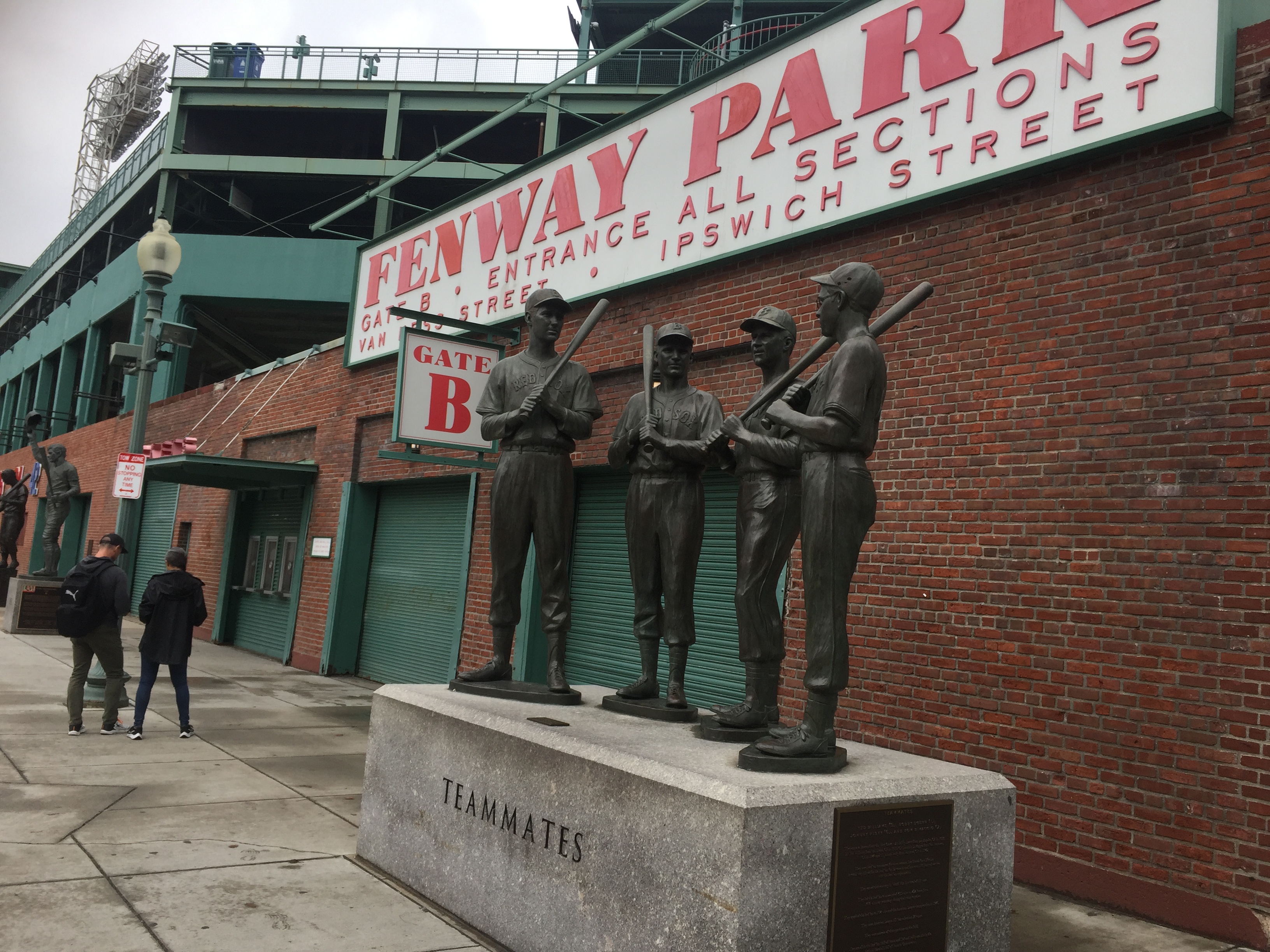
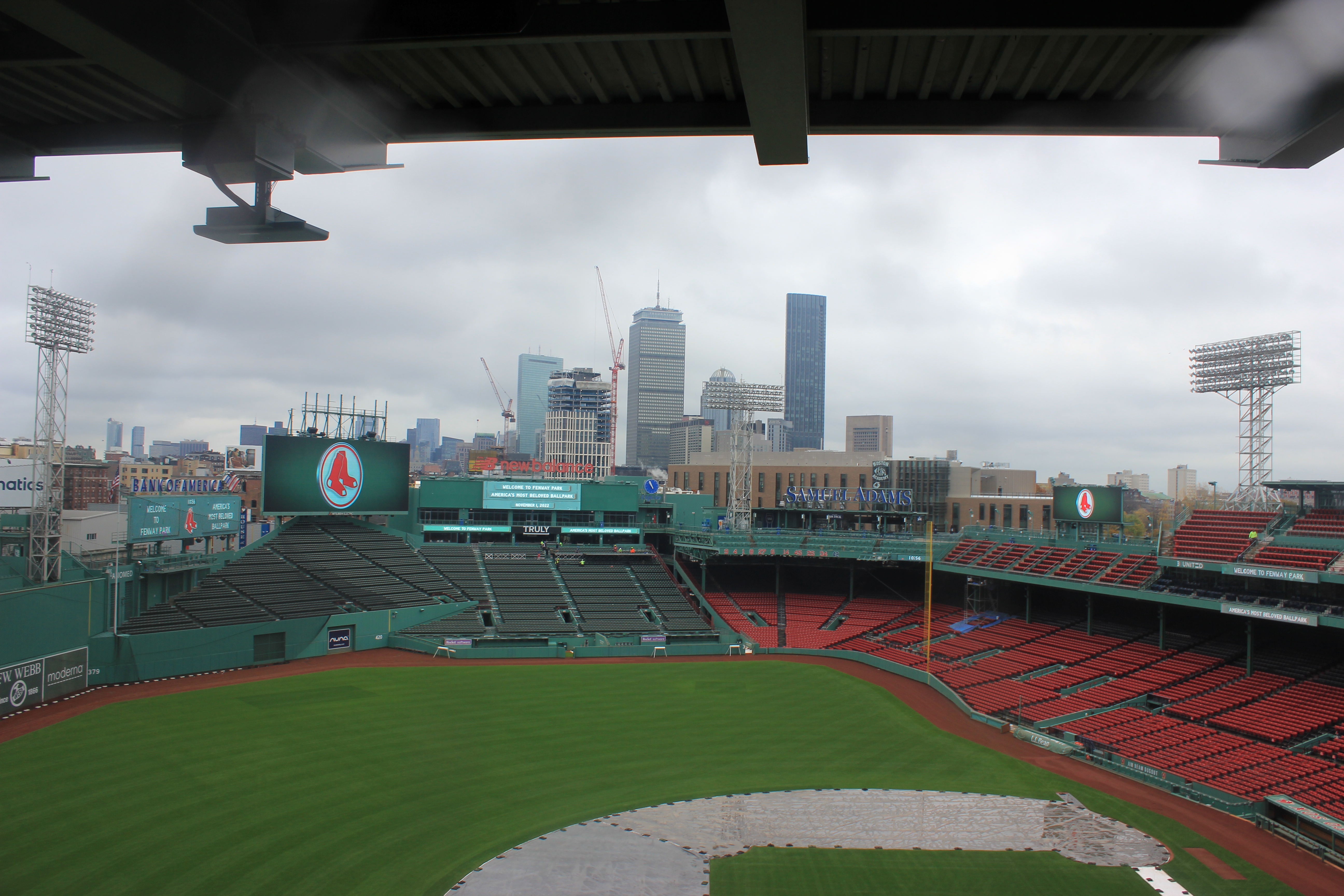
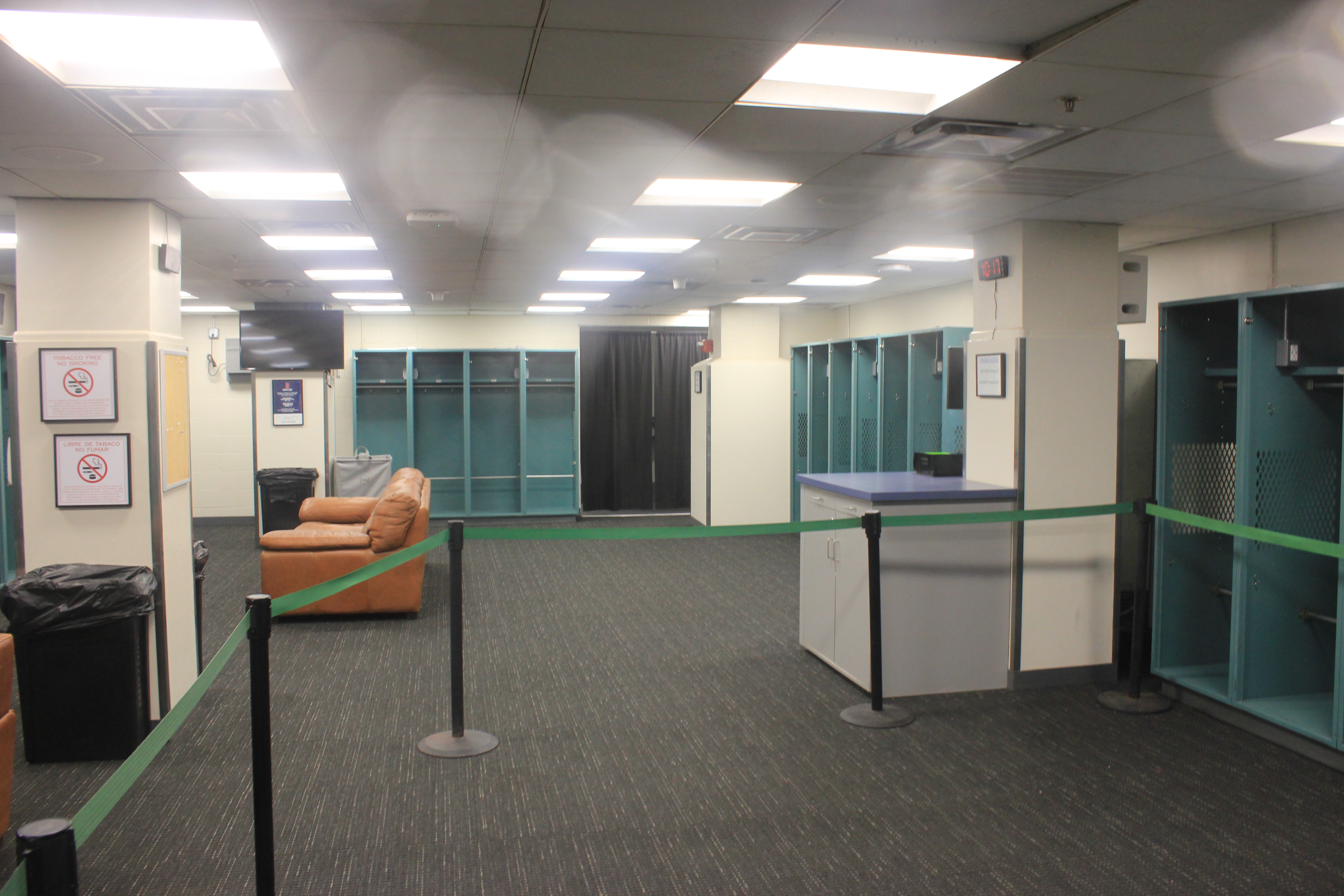
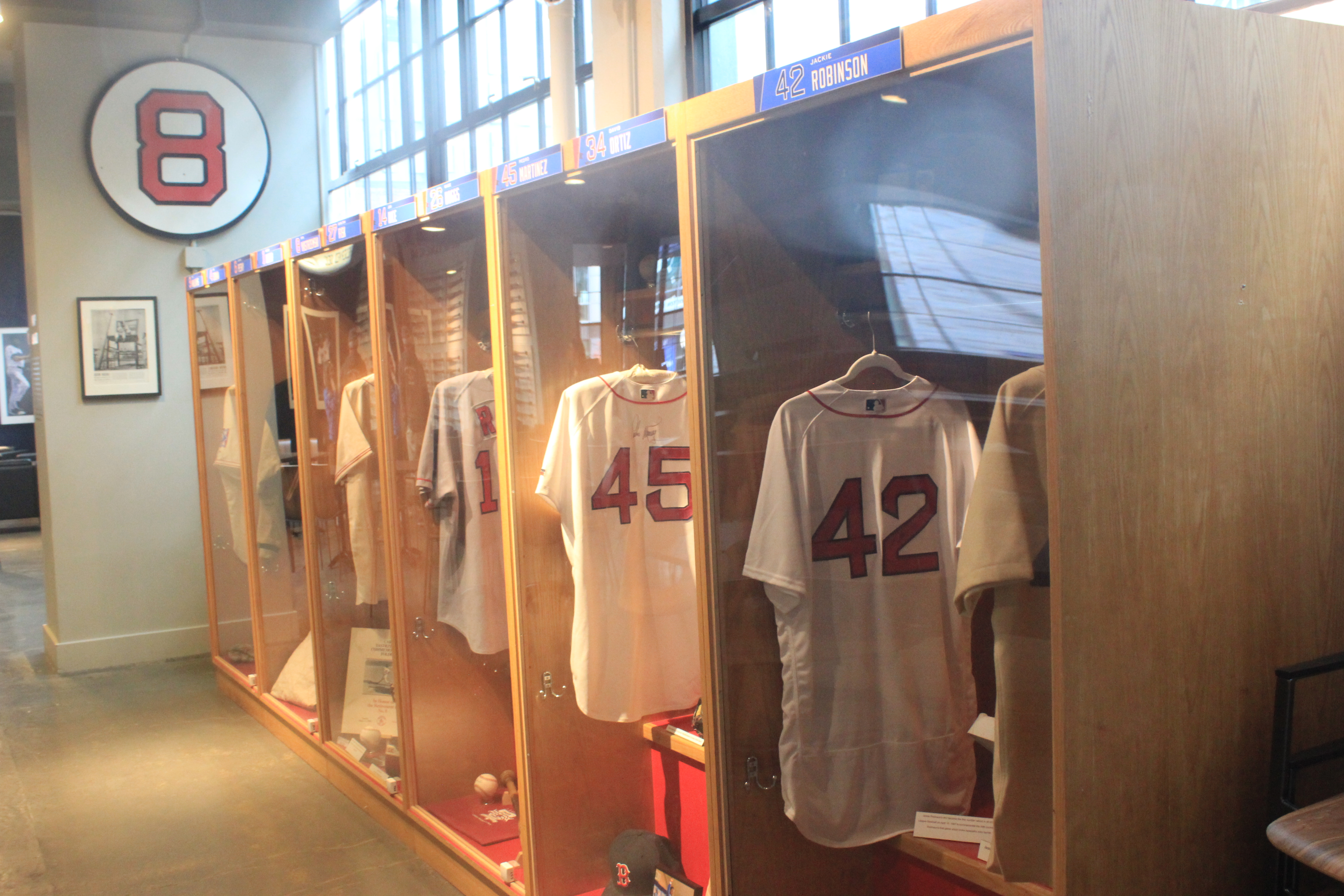
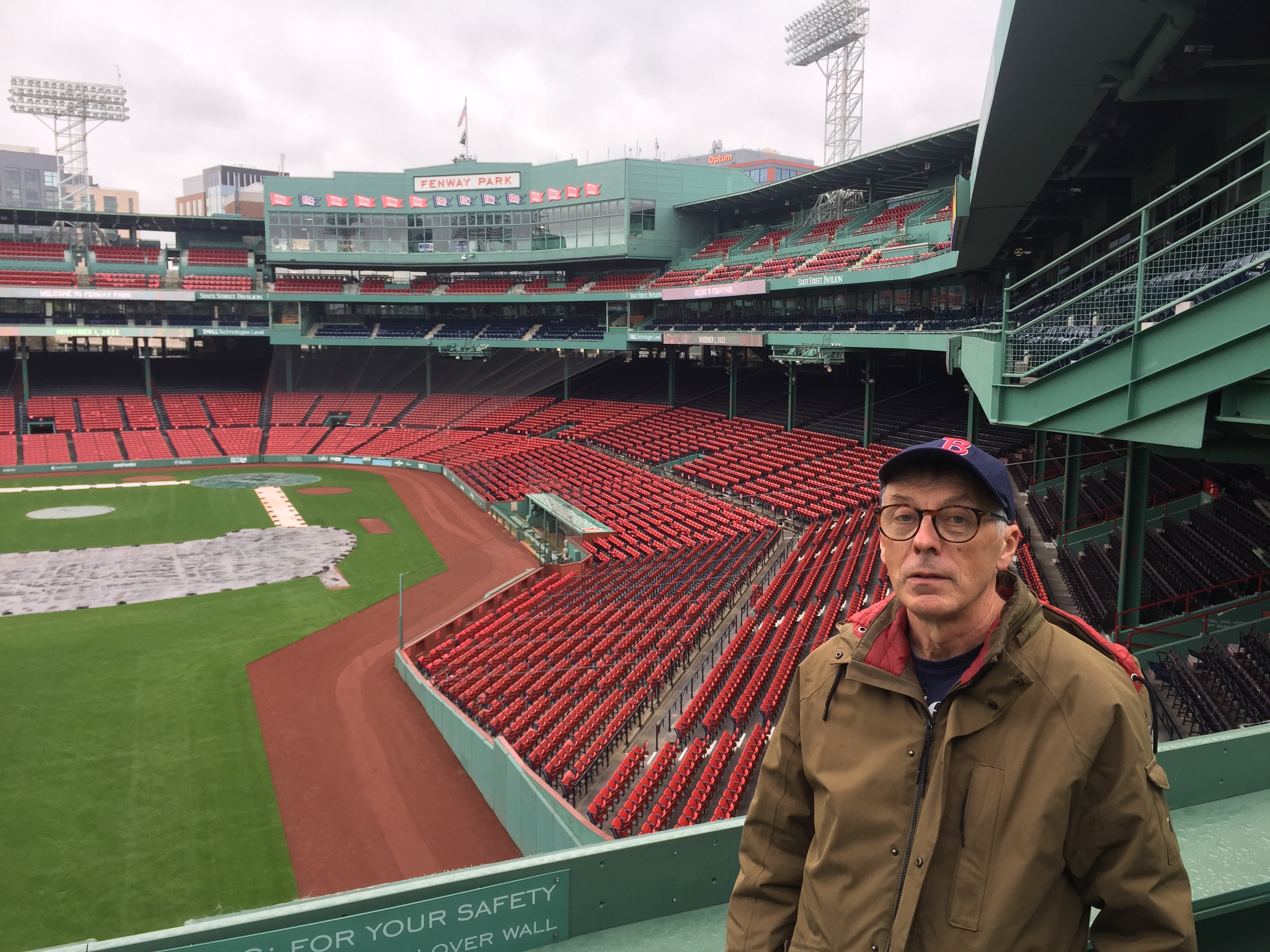
Although I had missed the baseball season, I was still able to visit Fenway Park, home of the Boston Red Sox. I joined a stadium tour. Our guide was Rich who knows everything about the Red Sox and lots about Boston. Hopefully, one day I will return and enjoy the sport at this famous venue.
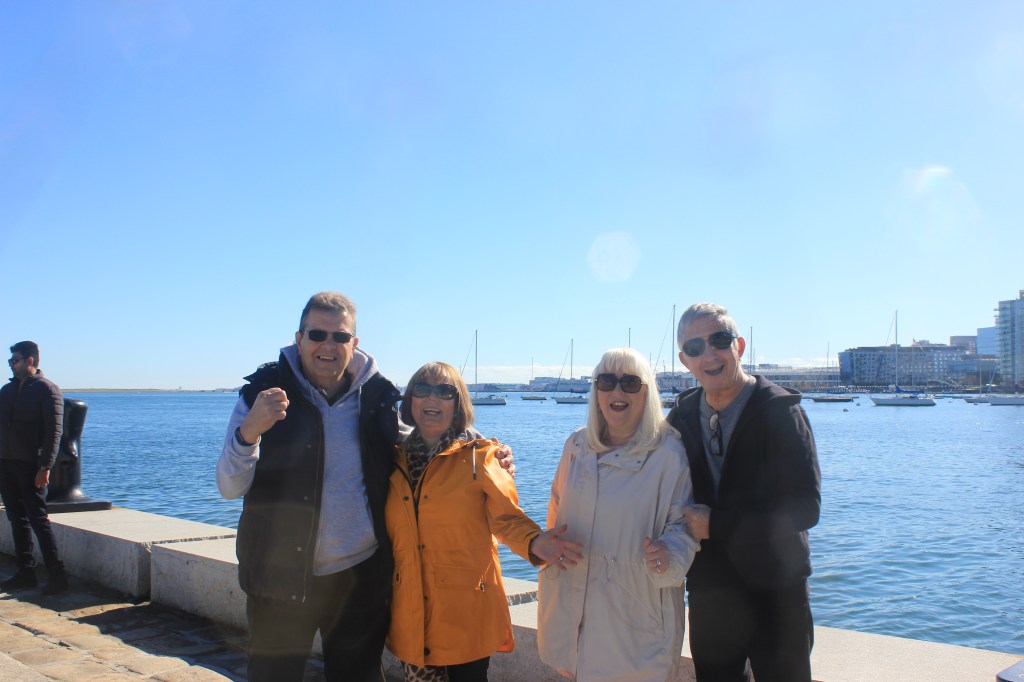
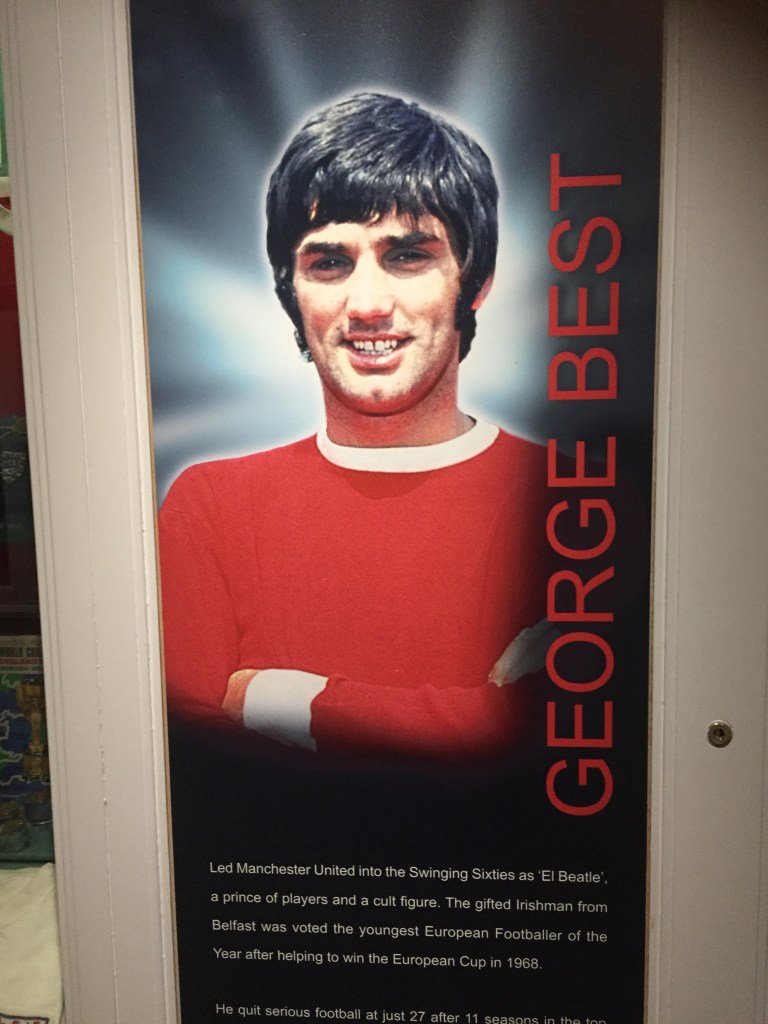
During a walk around Boston Harbour I met fellow Brits, David, Zena, Adrienne and Sid. We had a chat about West Ham, Tottenham Hotspurs and Leeds United. We shared memories of Jimmy Greaves, Bobby Moore, George Best, Ron Harris and Norman Hunter. Remember Jimmy Greaves’ shin, Sid!
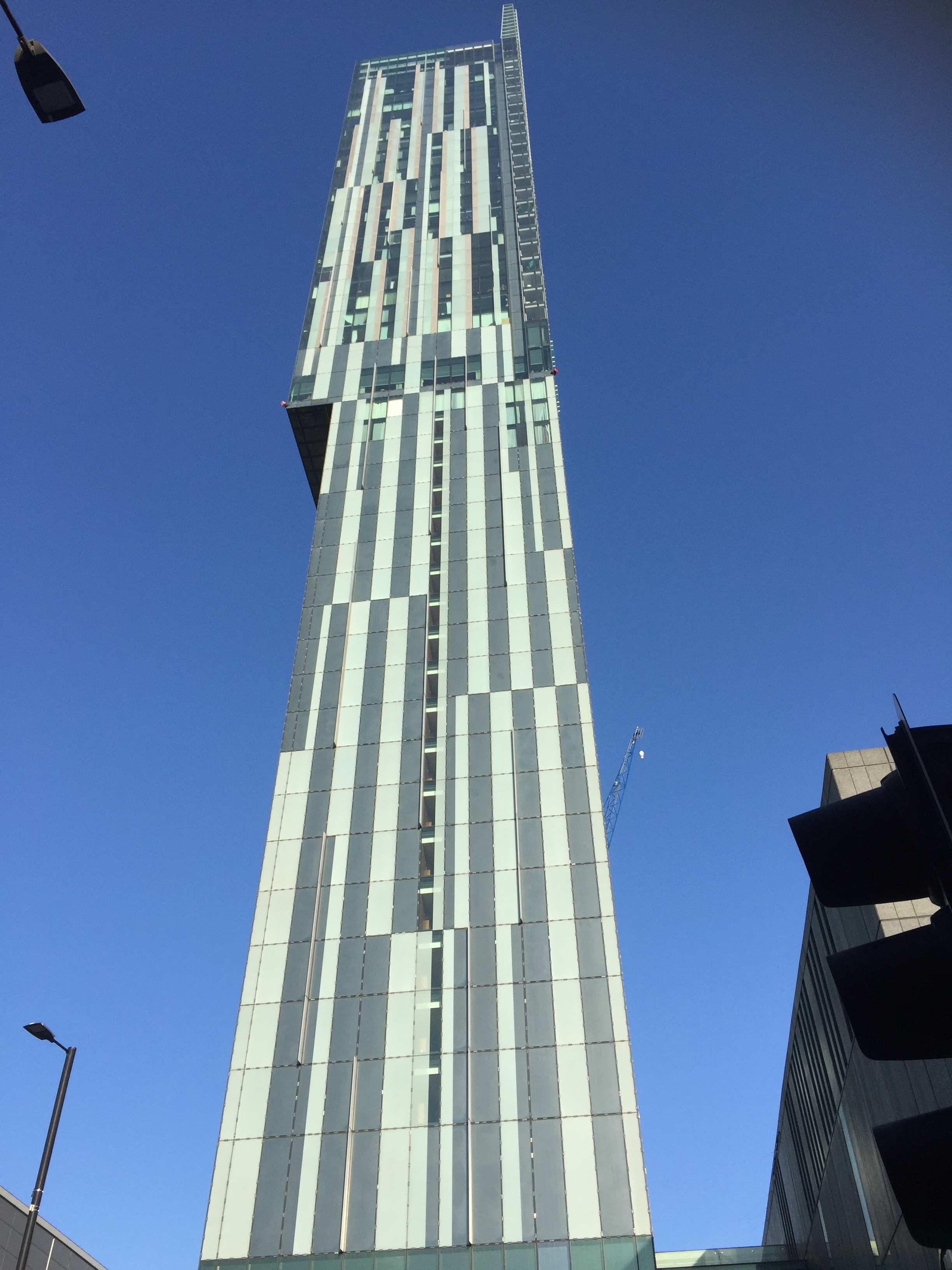
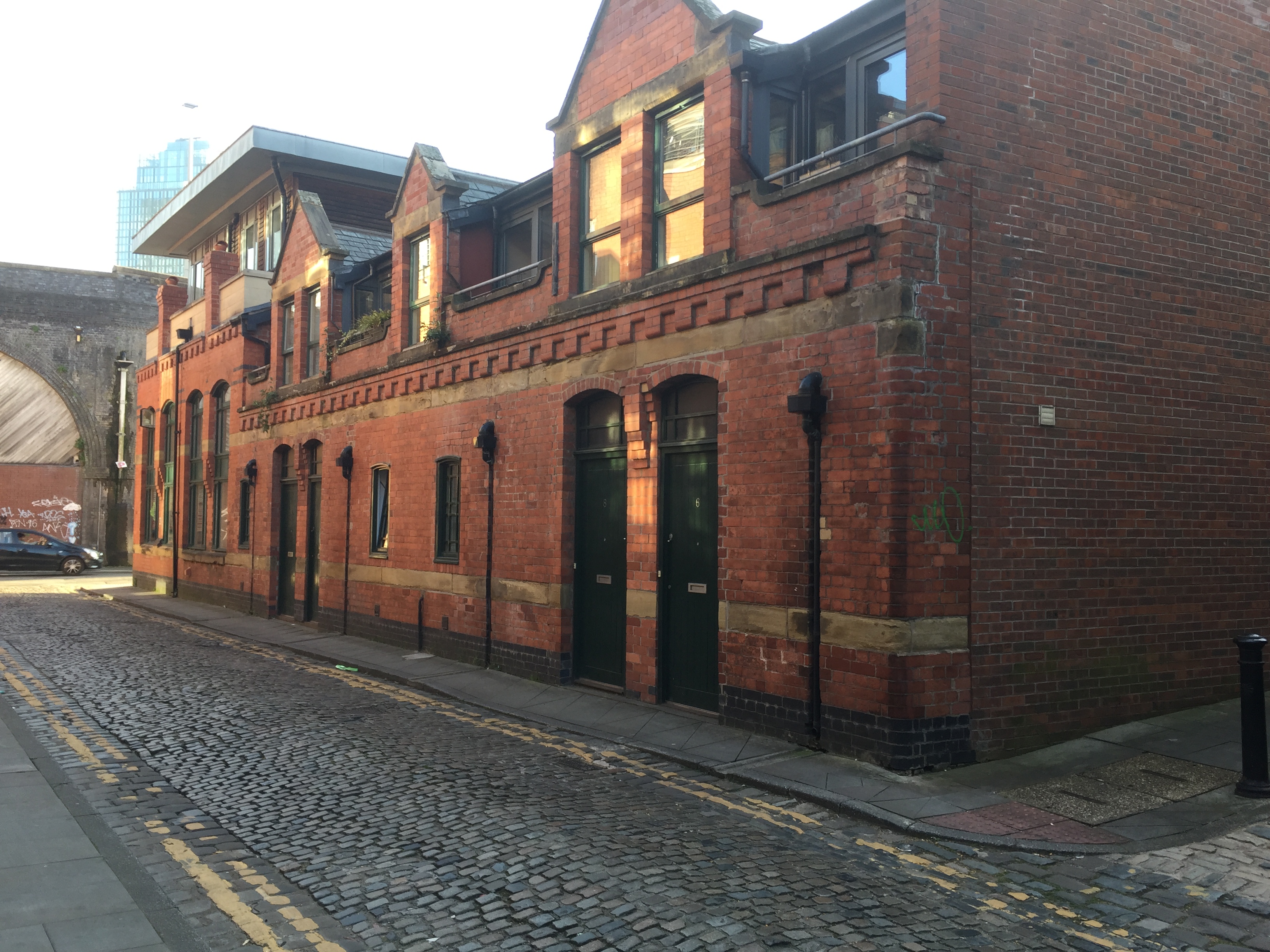
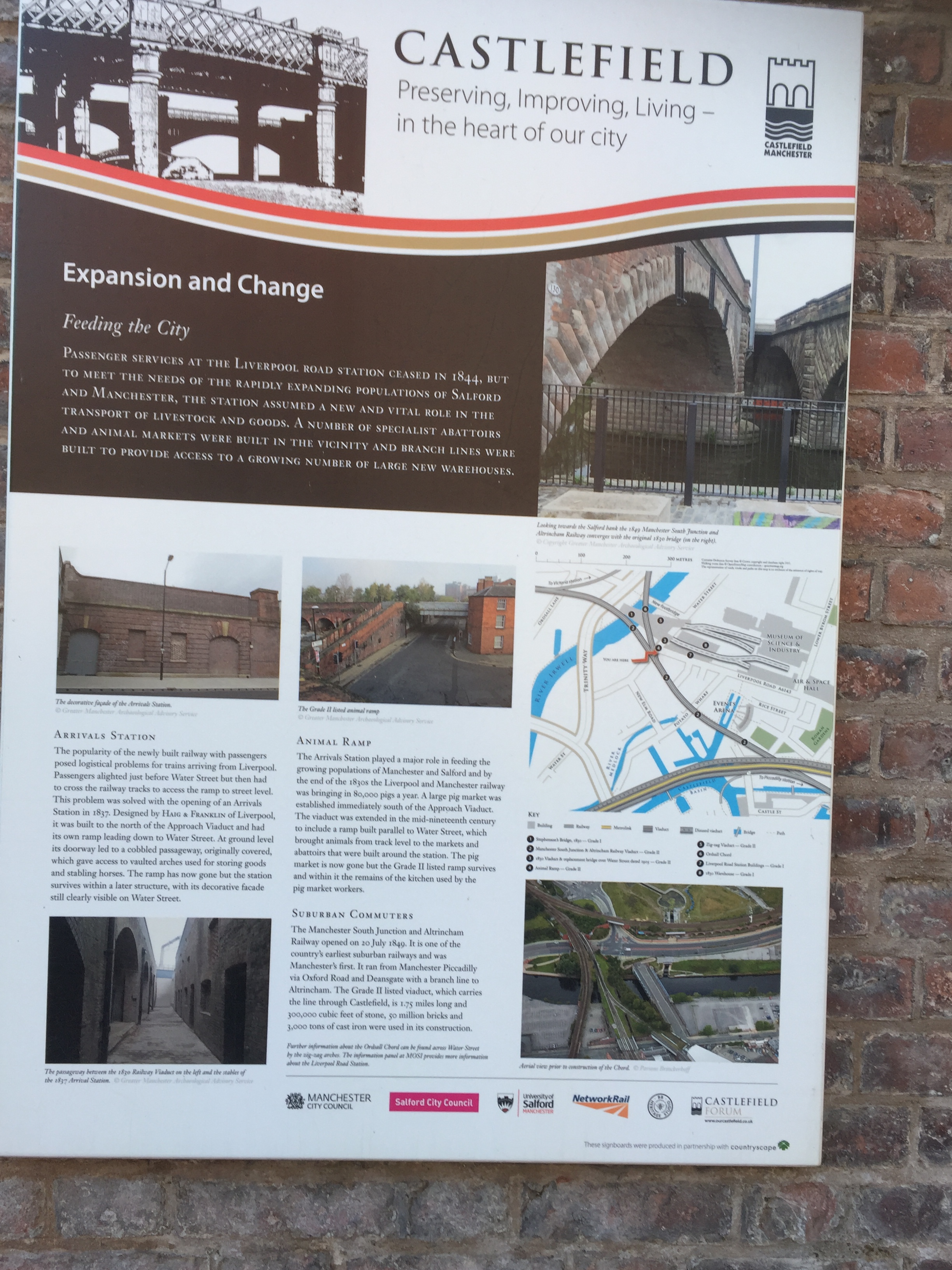
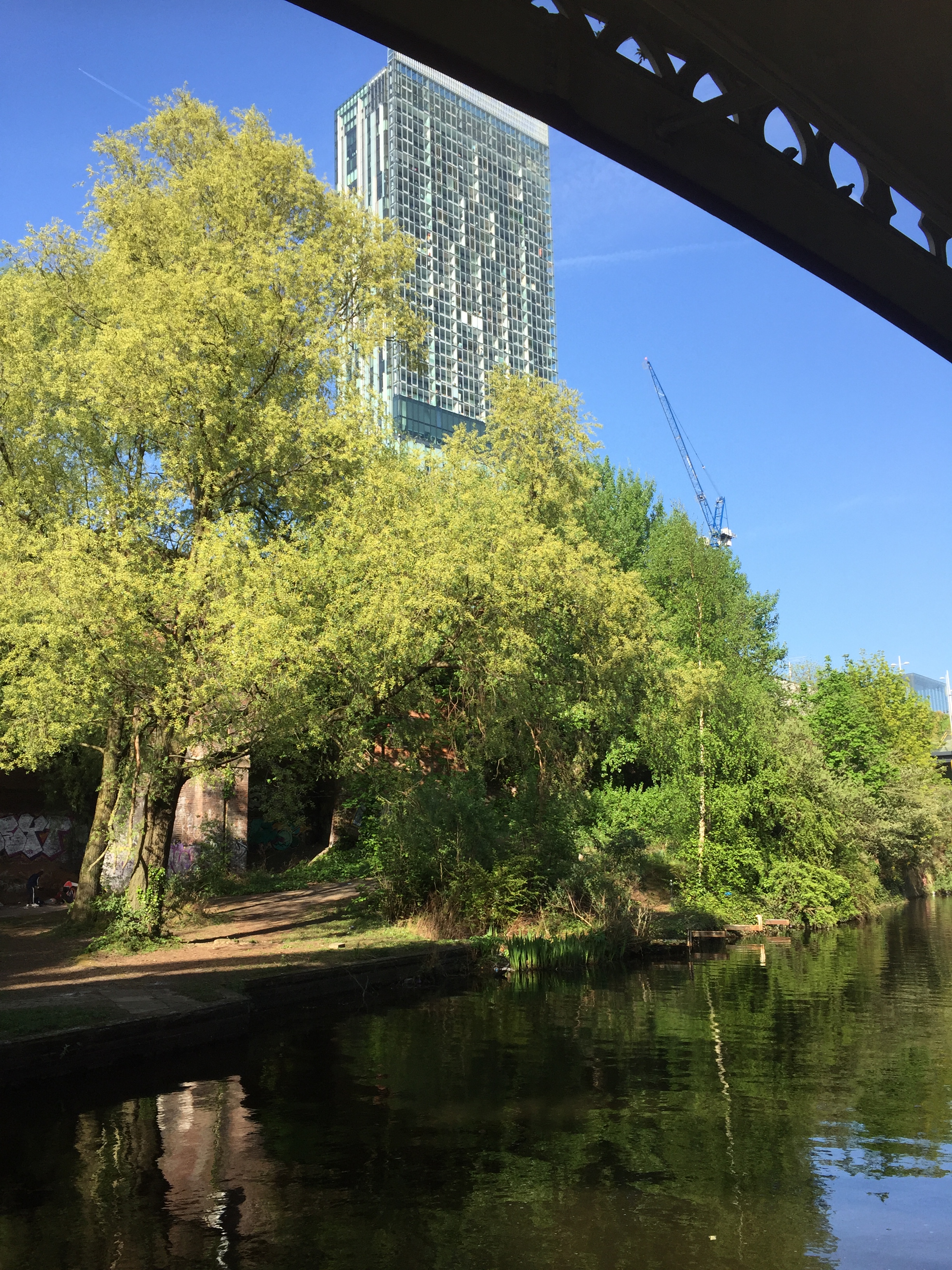
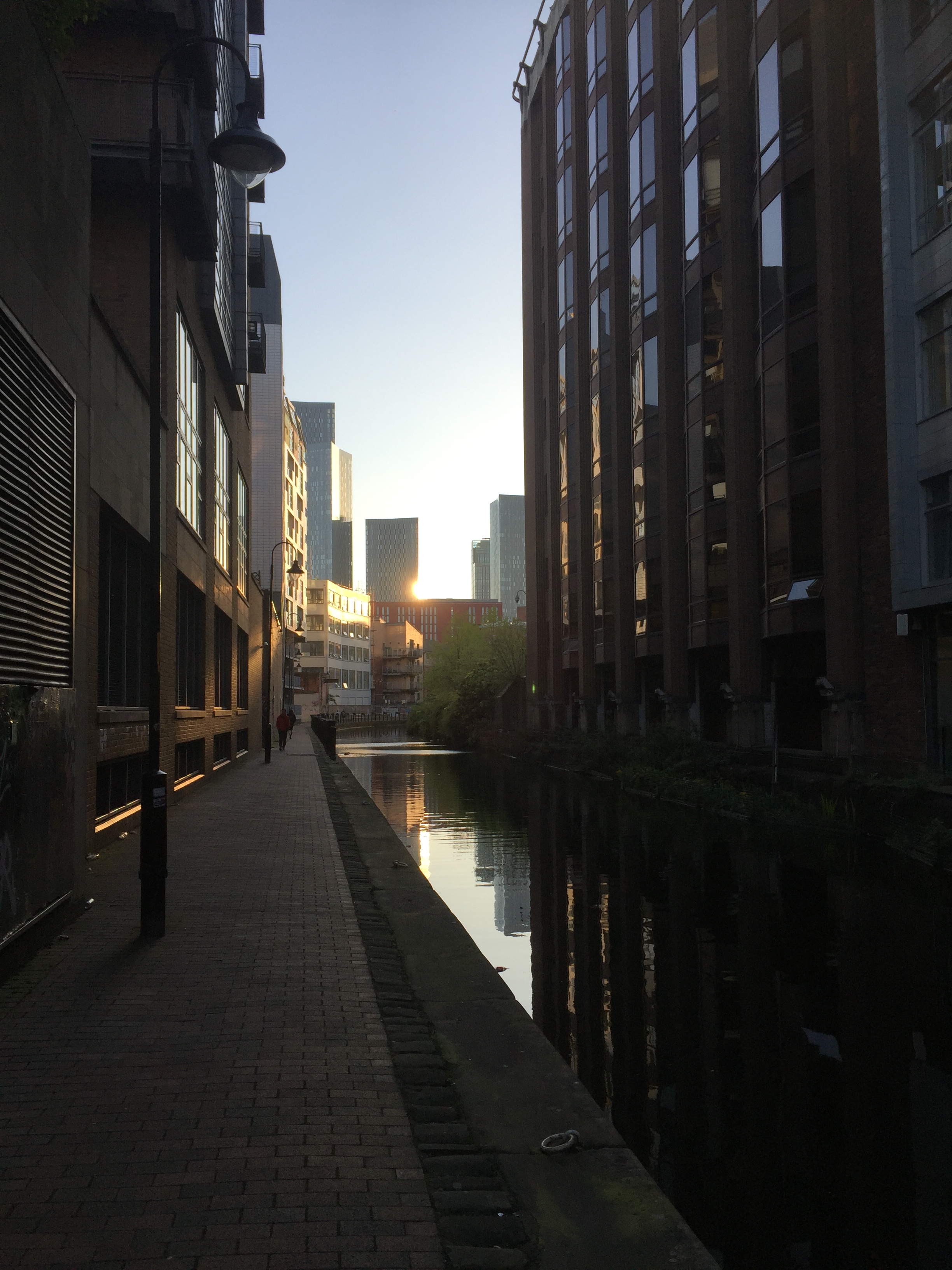
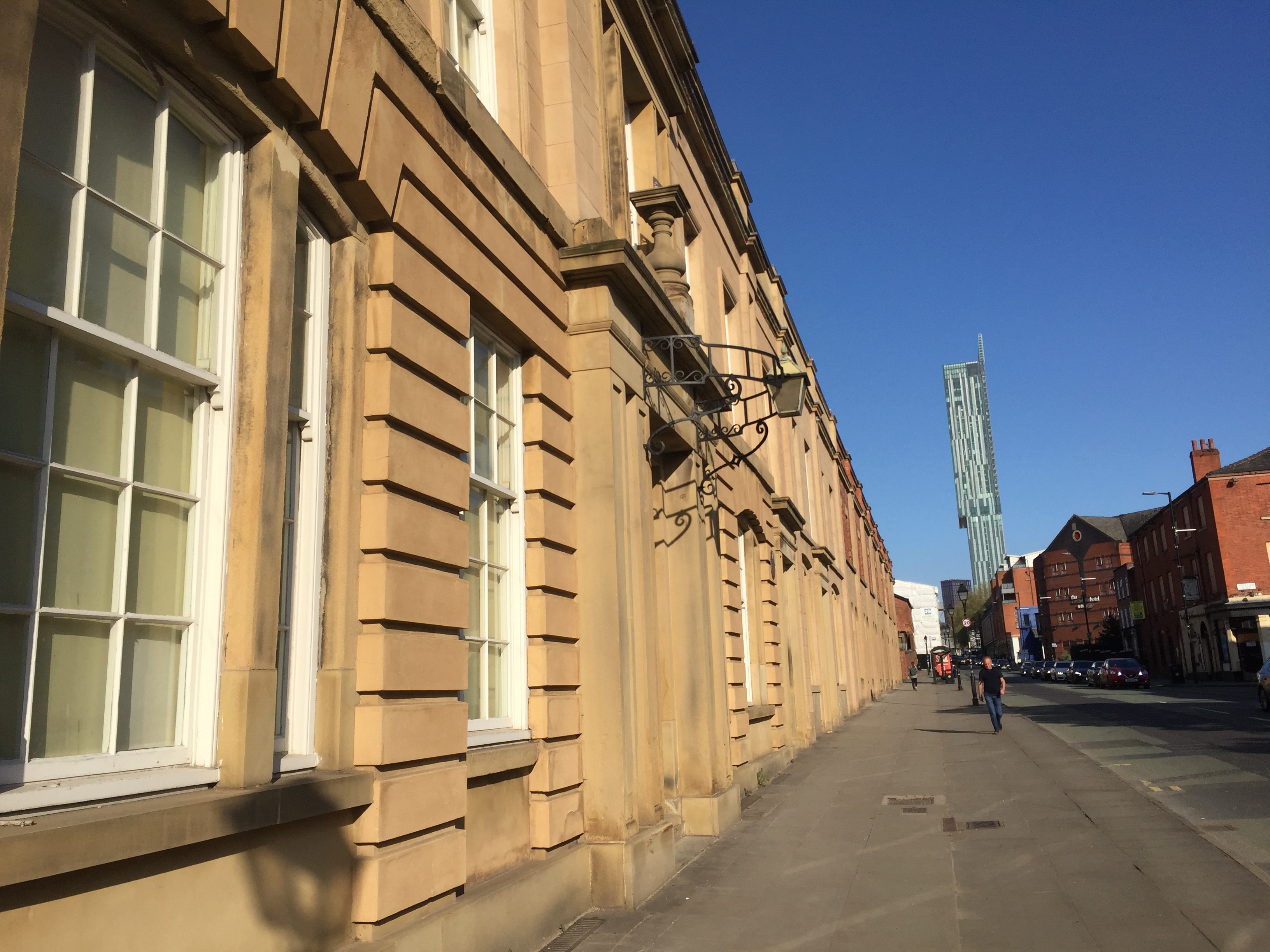
At the south-west corner of Manchester city centre is the area of Castlefield. The area is not large but its importance to the industrialisation of Manchester and the north west of England has been immense.
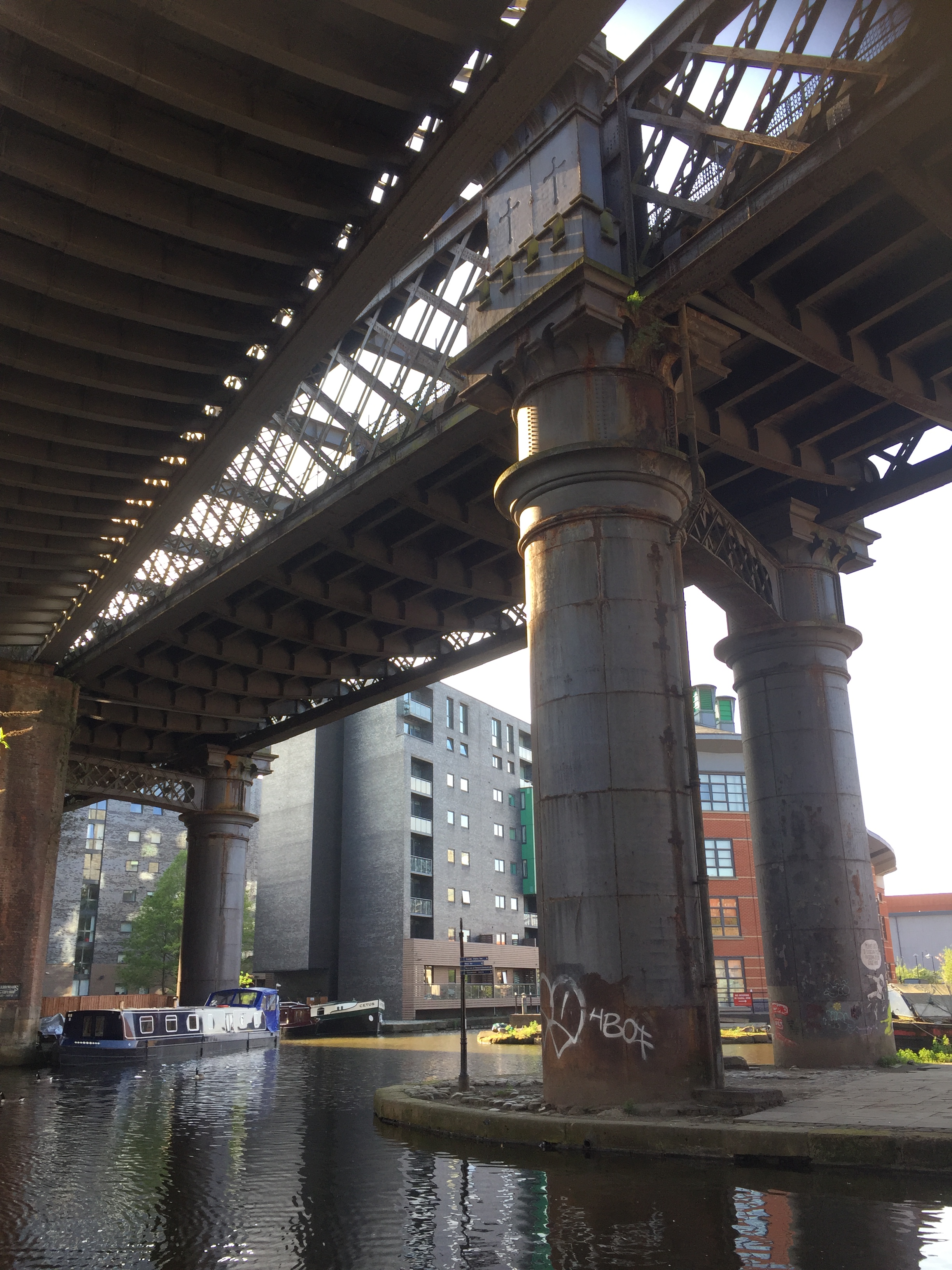
The Bridgewater Canal terminates here. It was constructed to service the coal mines around Worsley, that were owned by the Duke of Bridgewater. It was later extended to connect Runcorn, Worsley and Leigh. The Rochdale Canal and other shorter canals join the Bridgewater Canal in Castlefield. The area is still home to many warehouses that were built at this time. Many of these served the cotton industry that dominated Manchester.
Later came the railway. Consequently, Castlefield is a criss cross of routes to serve barges and trains. There are many notable landmarks, including the former Liverpool Road Railway Station. Opened in 1830 it was the terminus for the worlds first inter-city passenger railway, connecting Manchester and Liverpool.
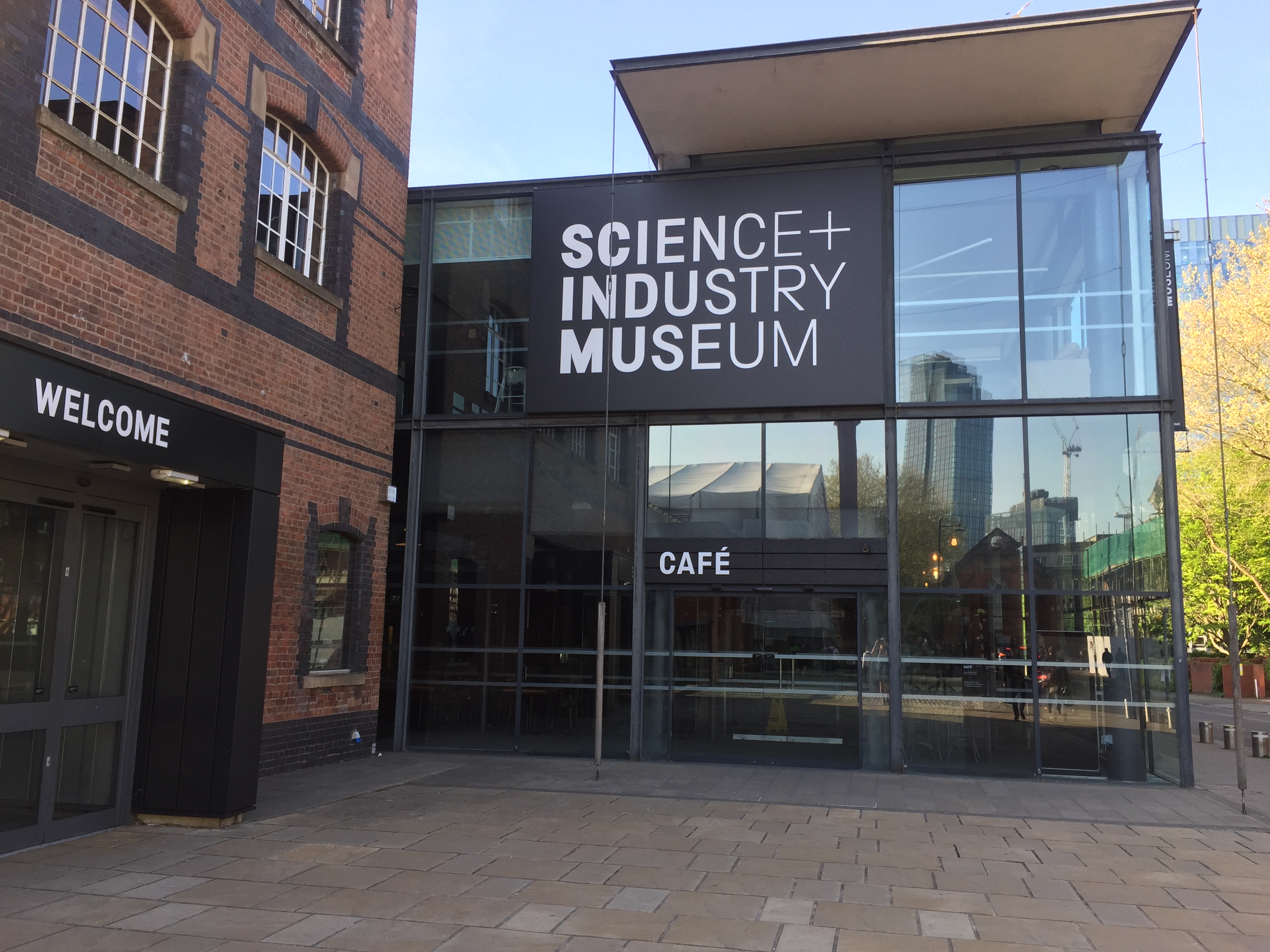
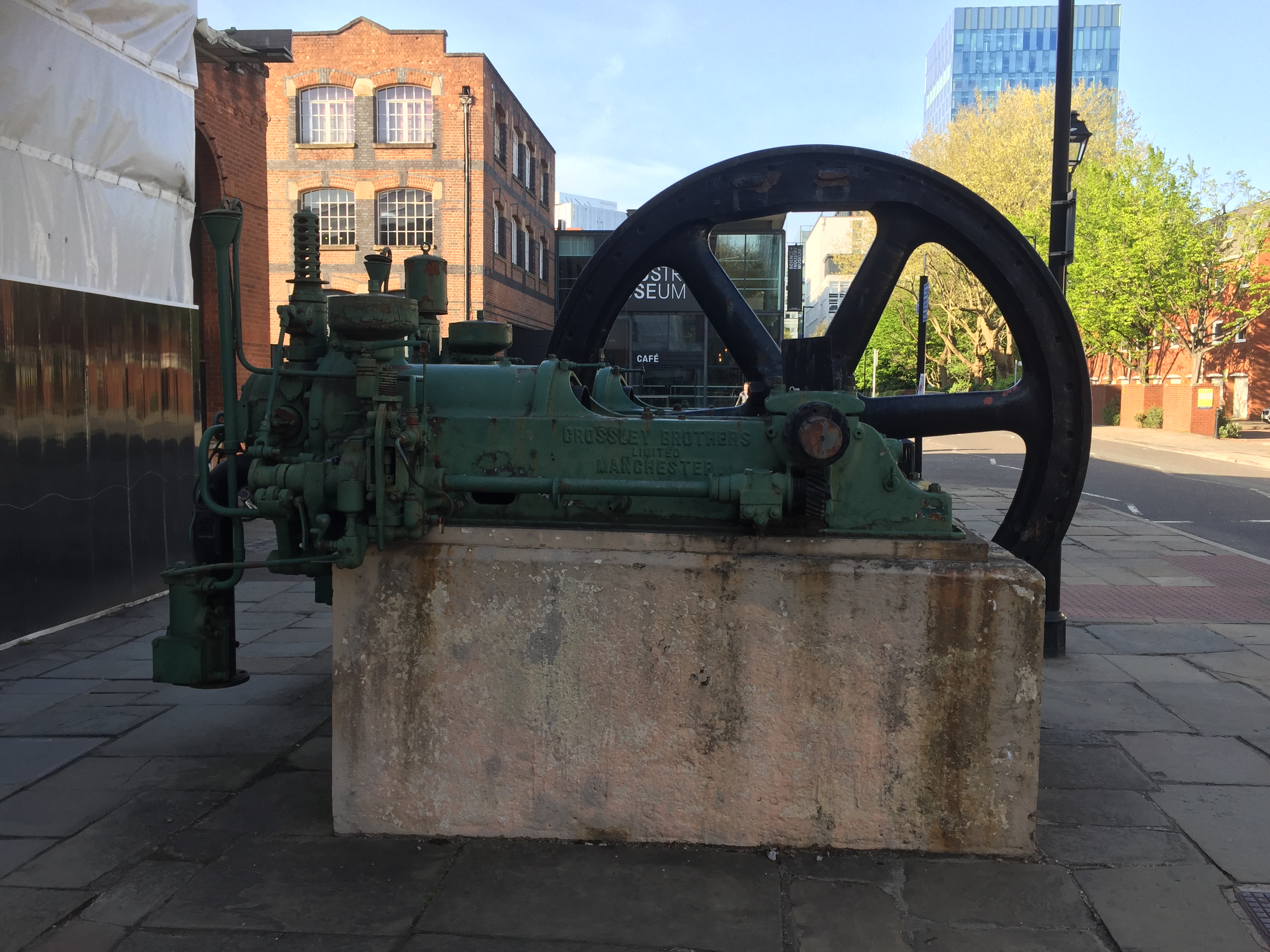
If you are in Manchester it is worth a visit, and try to make time to see the Science and Industry Museum.




















 Gordon's Gubbins.