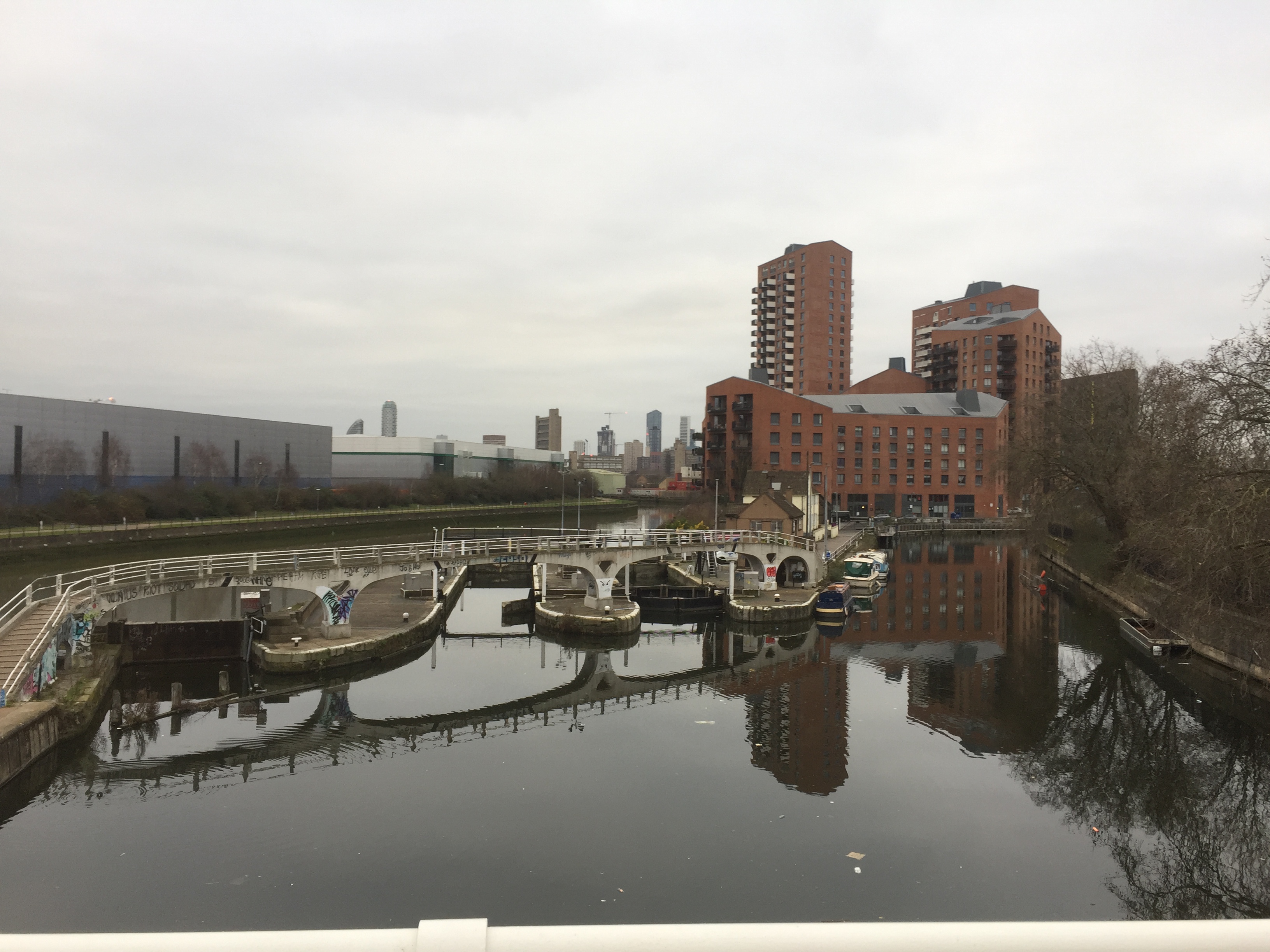
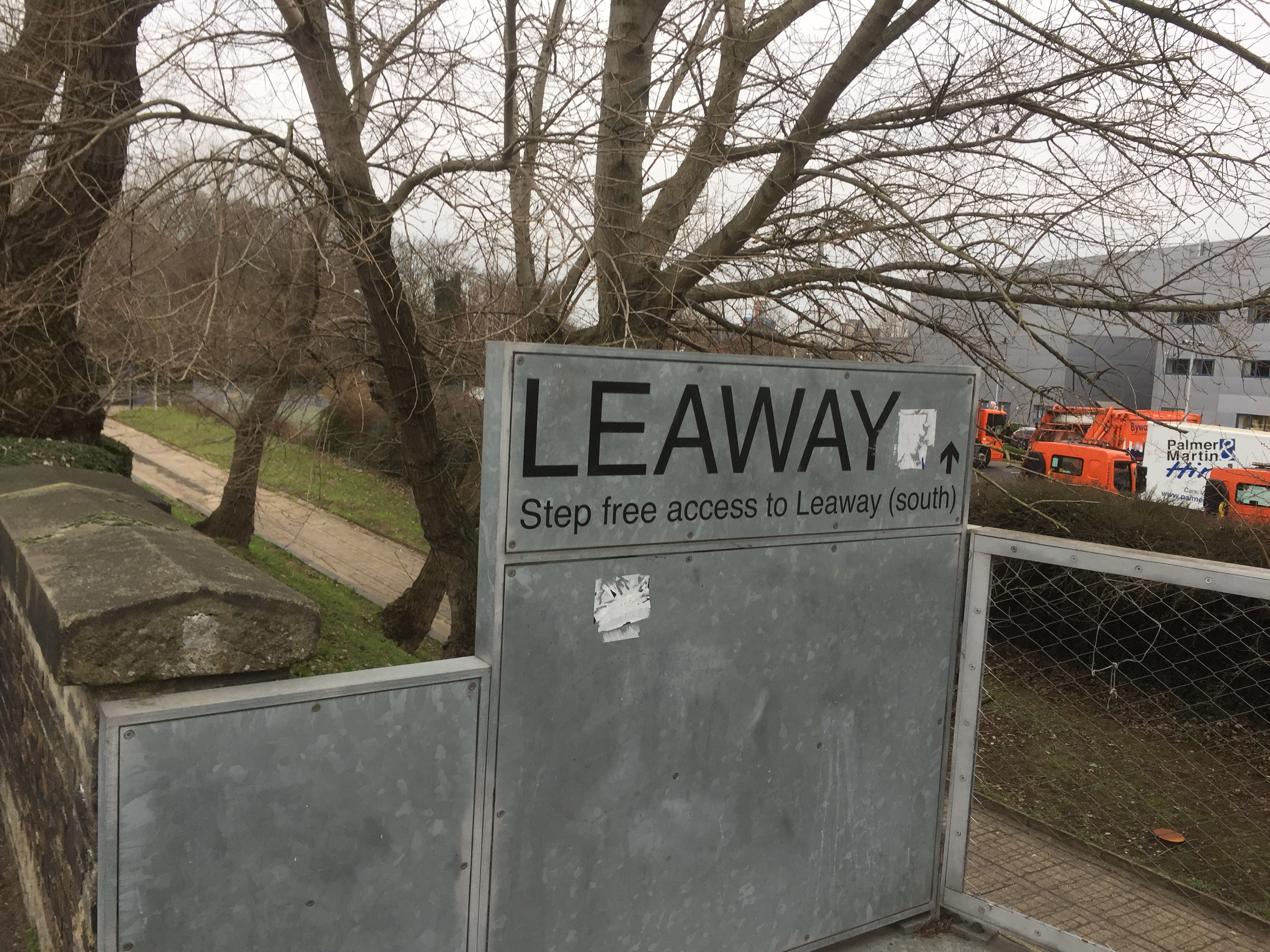
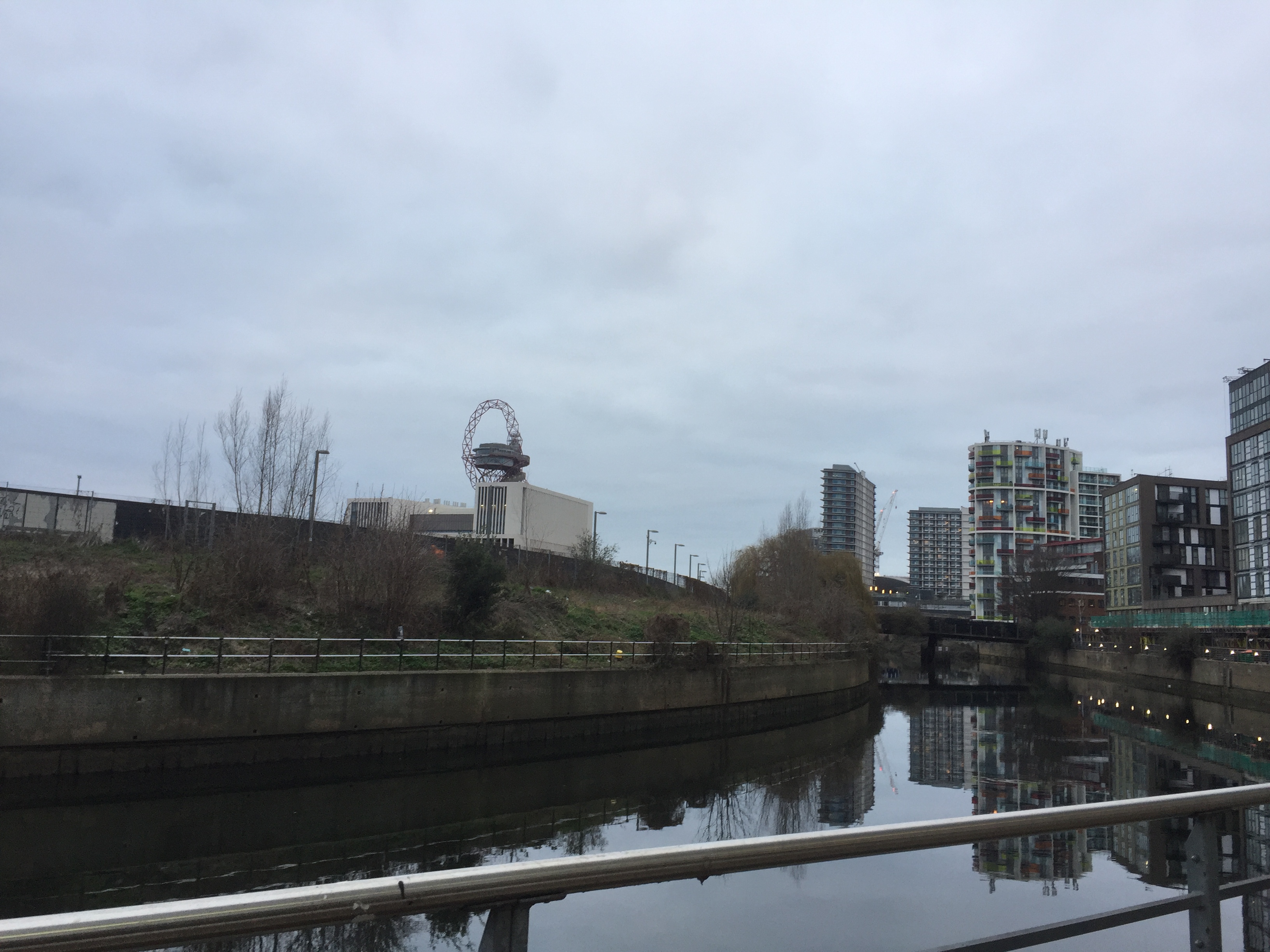
The River Lea is London’s second river. It rises near Luton and meets the River Thames at Leamouth, close to Docklands. A walk along its banks may surprise you. Especially as it flows through the area formerly known as Stratford-at-Bow, but is now known as Bow.
It is an area that has changed radically this century. The 2012 Olympics stimulated that change. There are many new buildings in addition to The Olympic Park.
The final couple of miles of the River Lea are known as Bow Creek. The river is tidal and it has a big impact on the economic and social history of this end of the capital.
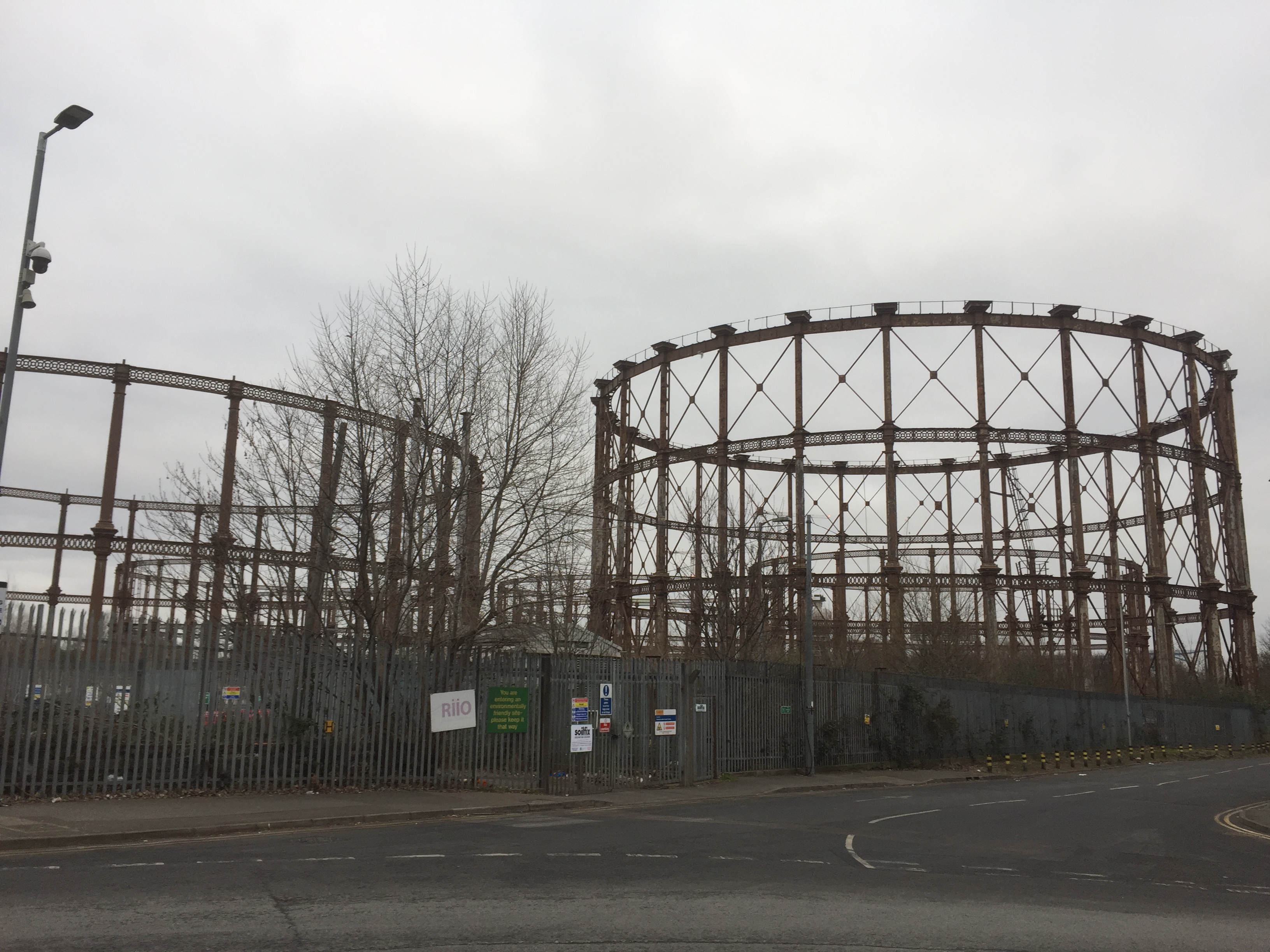
The area was heavily industrialised. It was a site for shipbuilding, coal wharfs and the Thames Ironworks. The workers at the ironworks formed a football club that developed into West Ham F.C.
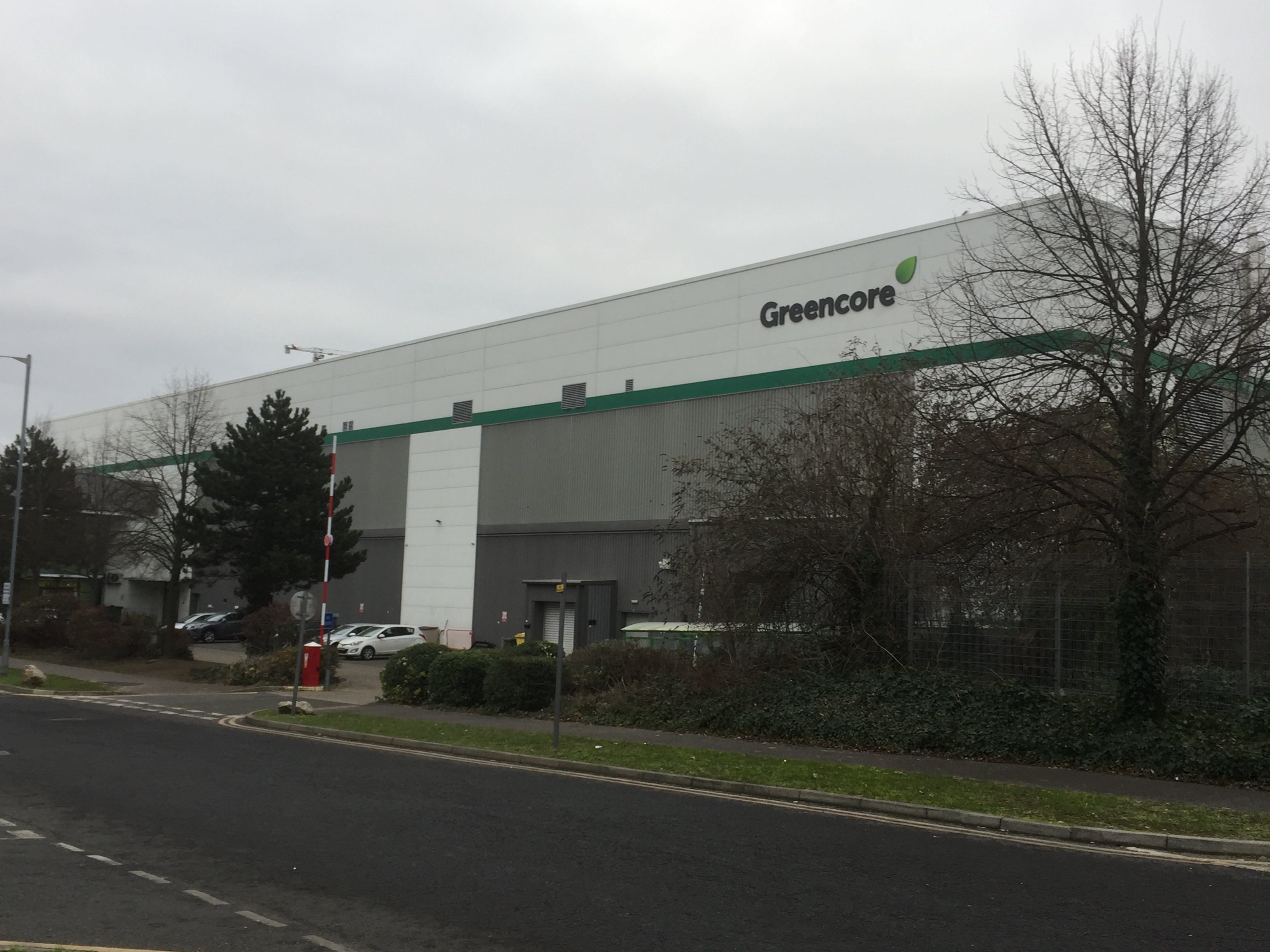

Between the Greencore Sandwich Factory in Bow and the London Stadium in Stratford is Three Mills, an island on the River Lea. For hundreds of years mills on this site produced grain, not only for bakers but also distillers of gin.


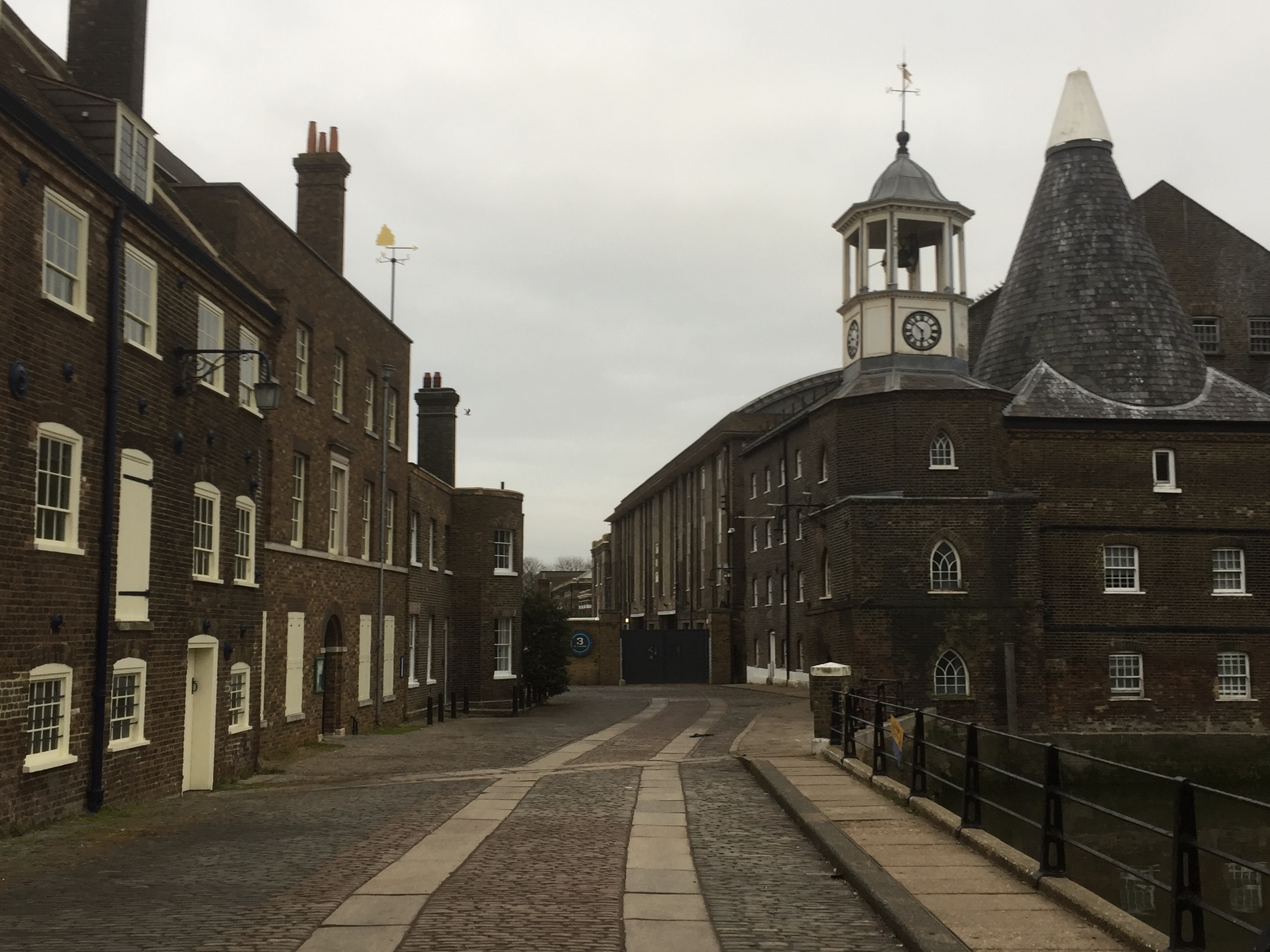
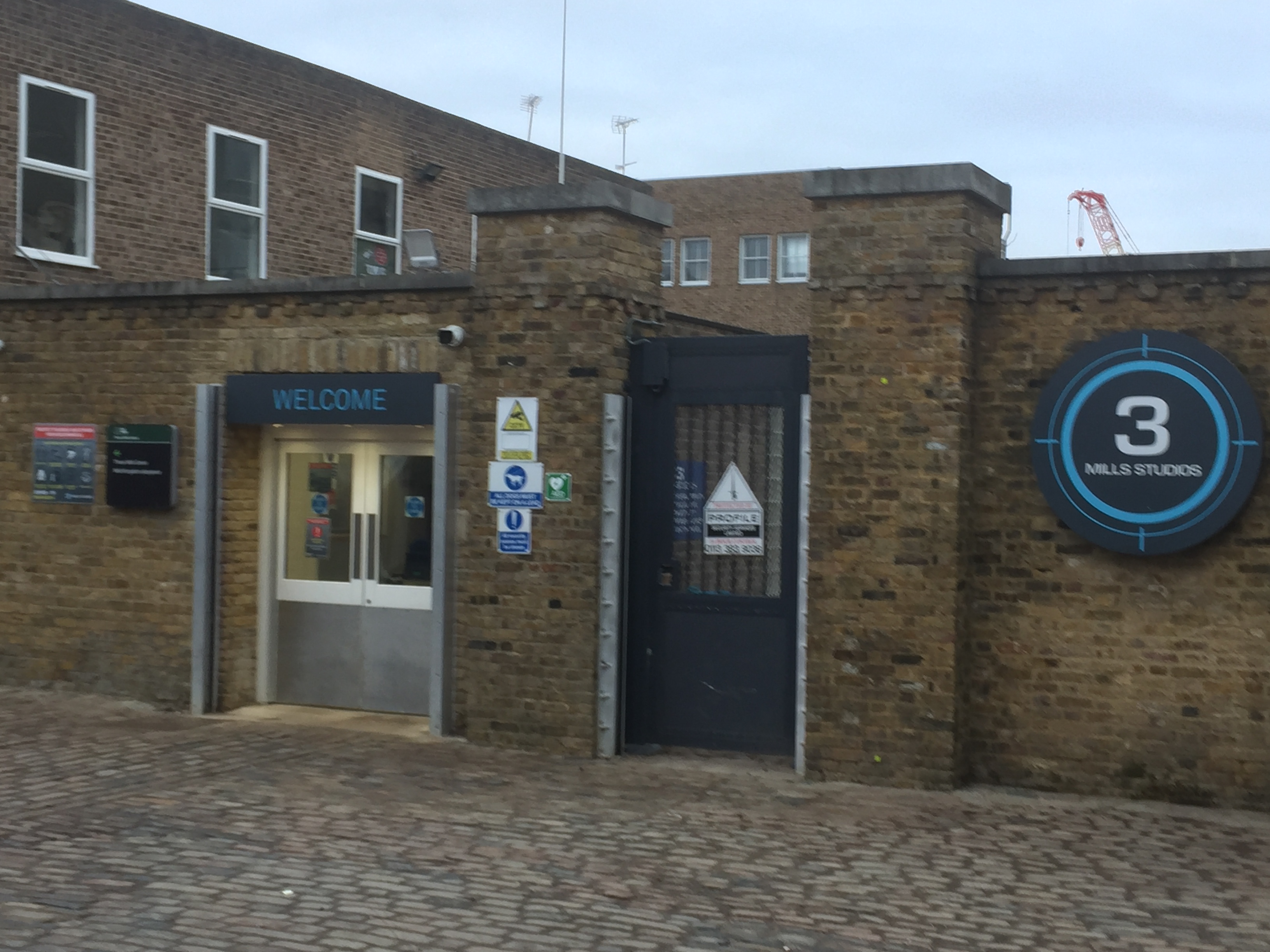

Many of the mill buildings survive. Some have been converted into “3 Mills Studio”. Many films and television shows have been recorded here including MasterChef. Yes, this is the lair of Gregg Wallace.
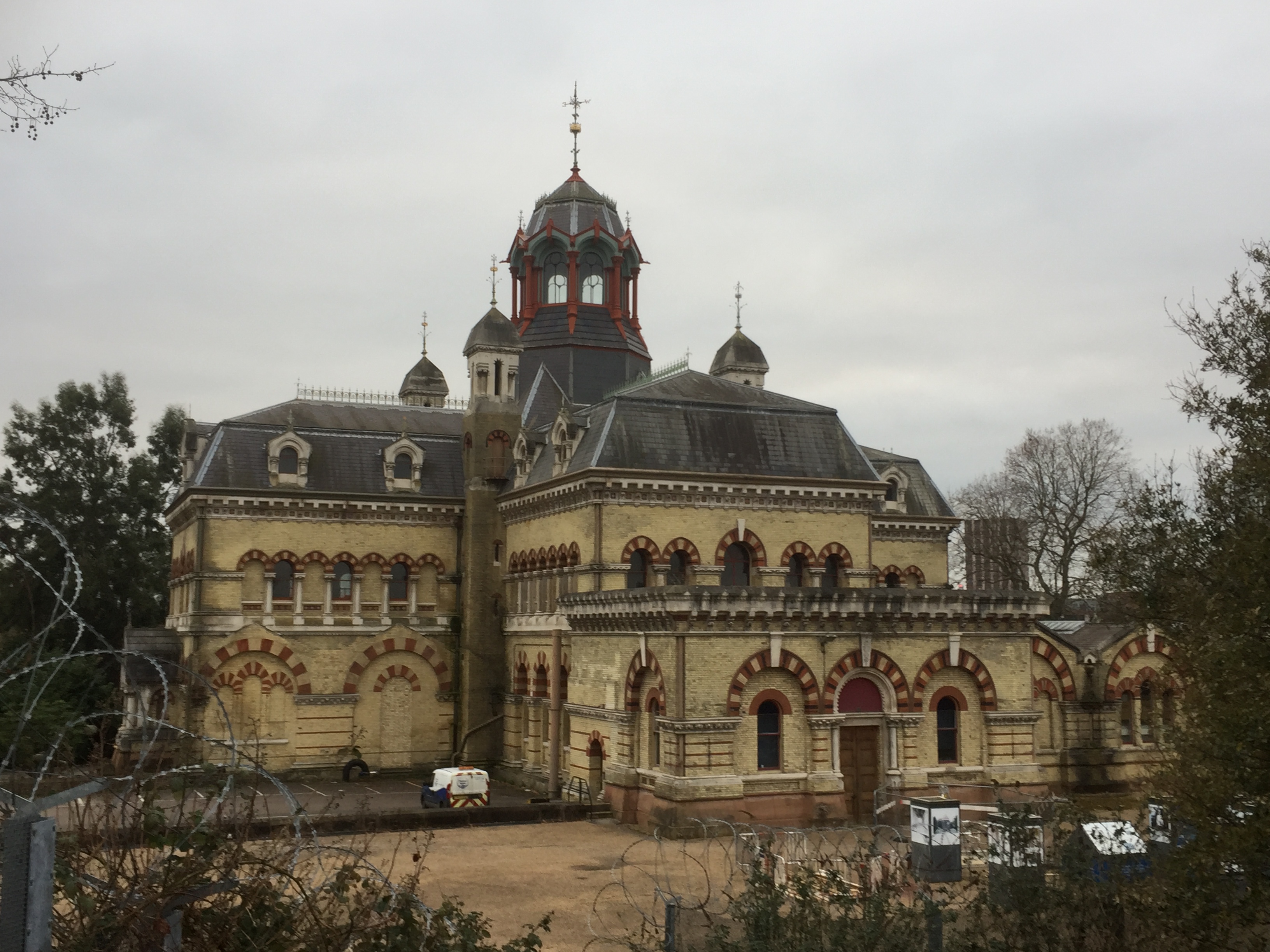
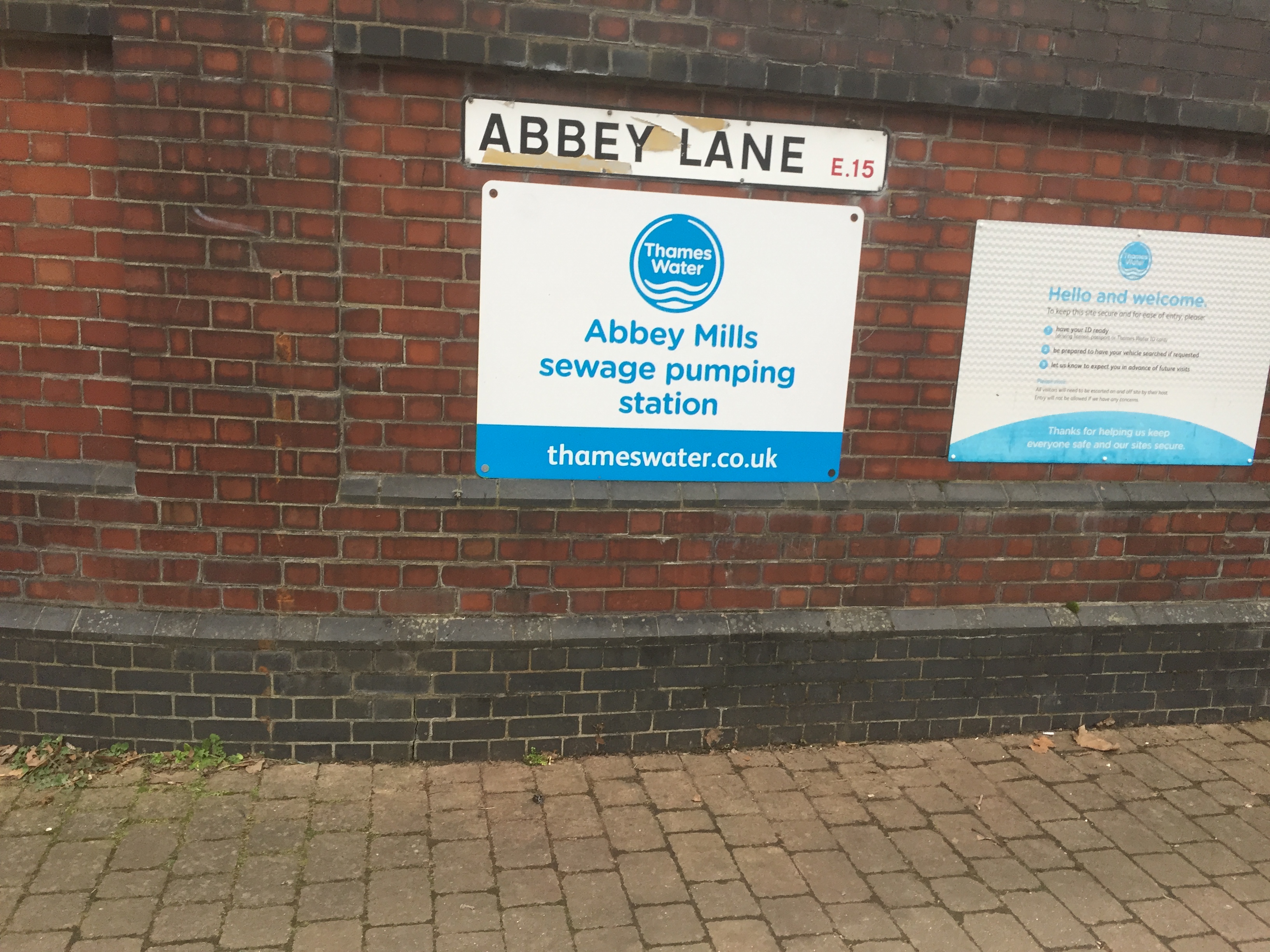
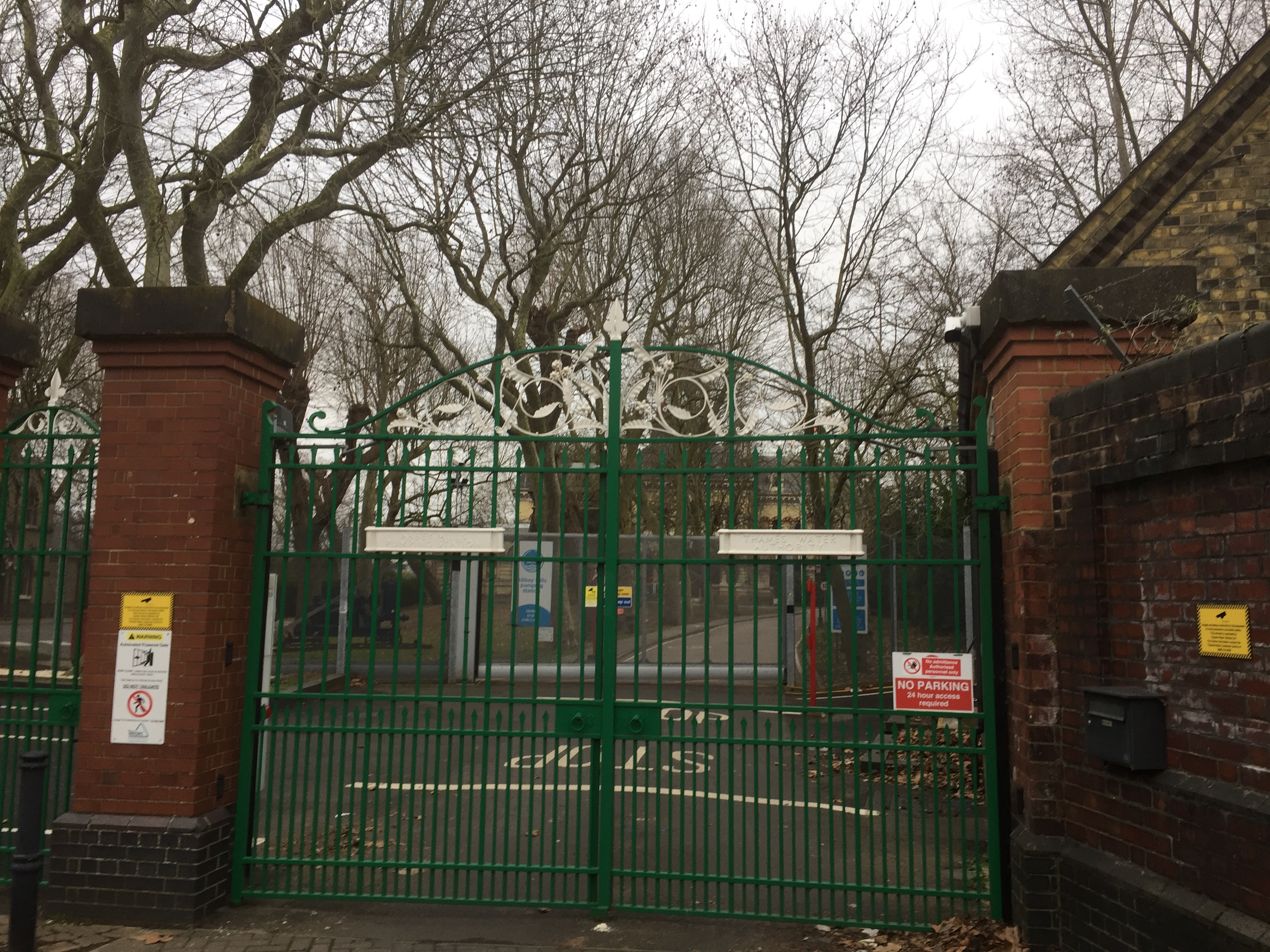
Not far away is Abbey Mills Pumping Station. This is a splendid Victorian building that has been called ” a cathedral of sewage”. Very nice.
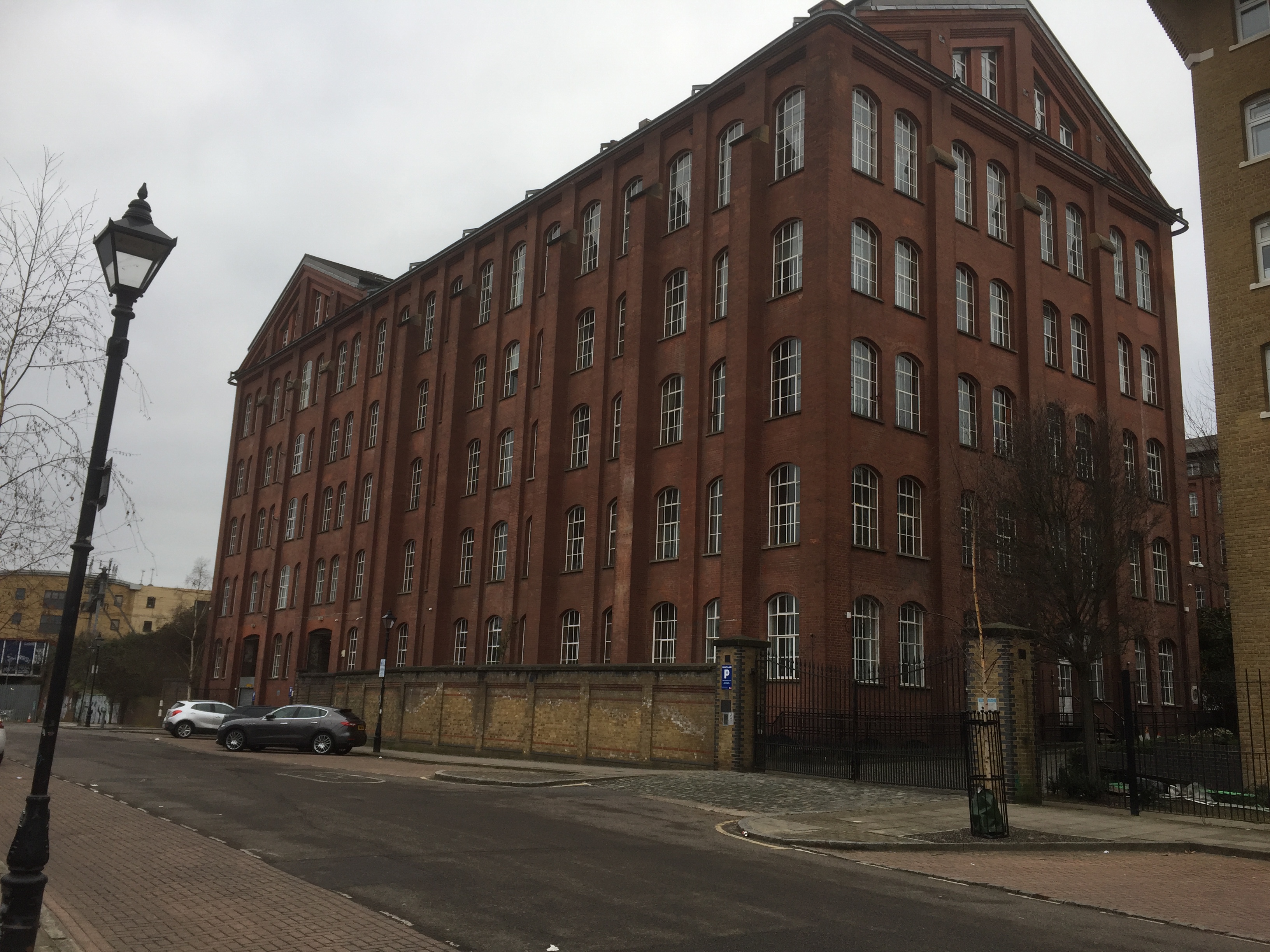
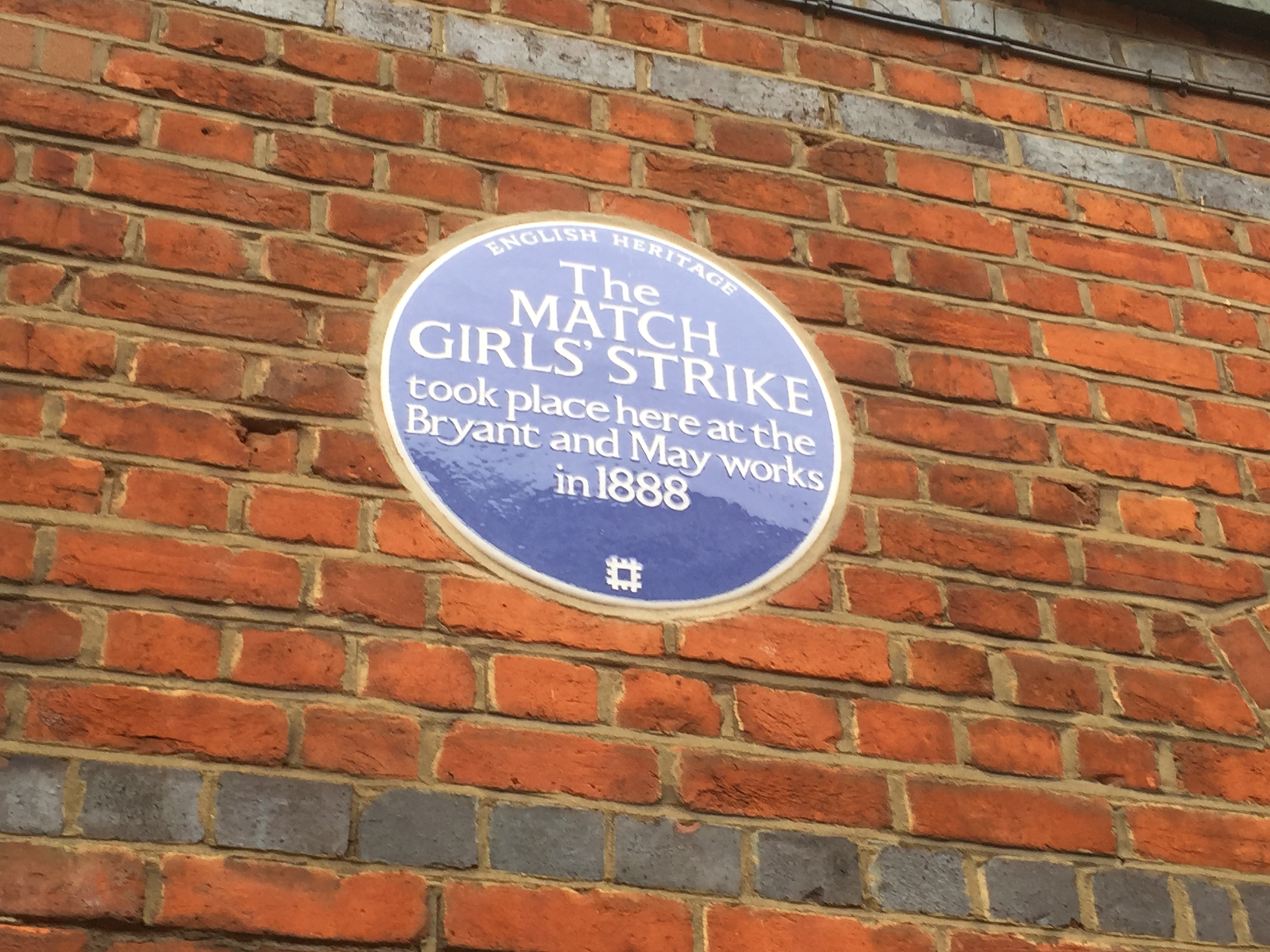

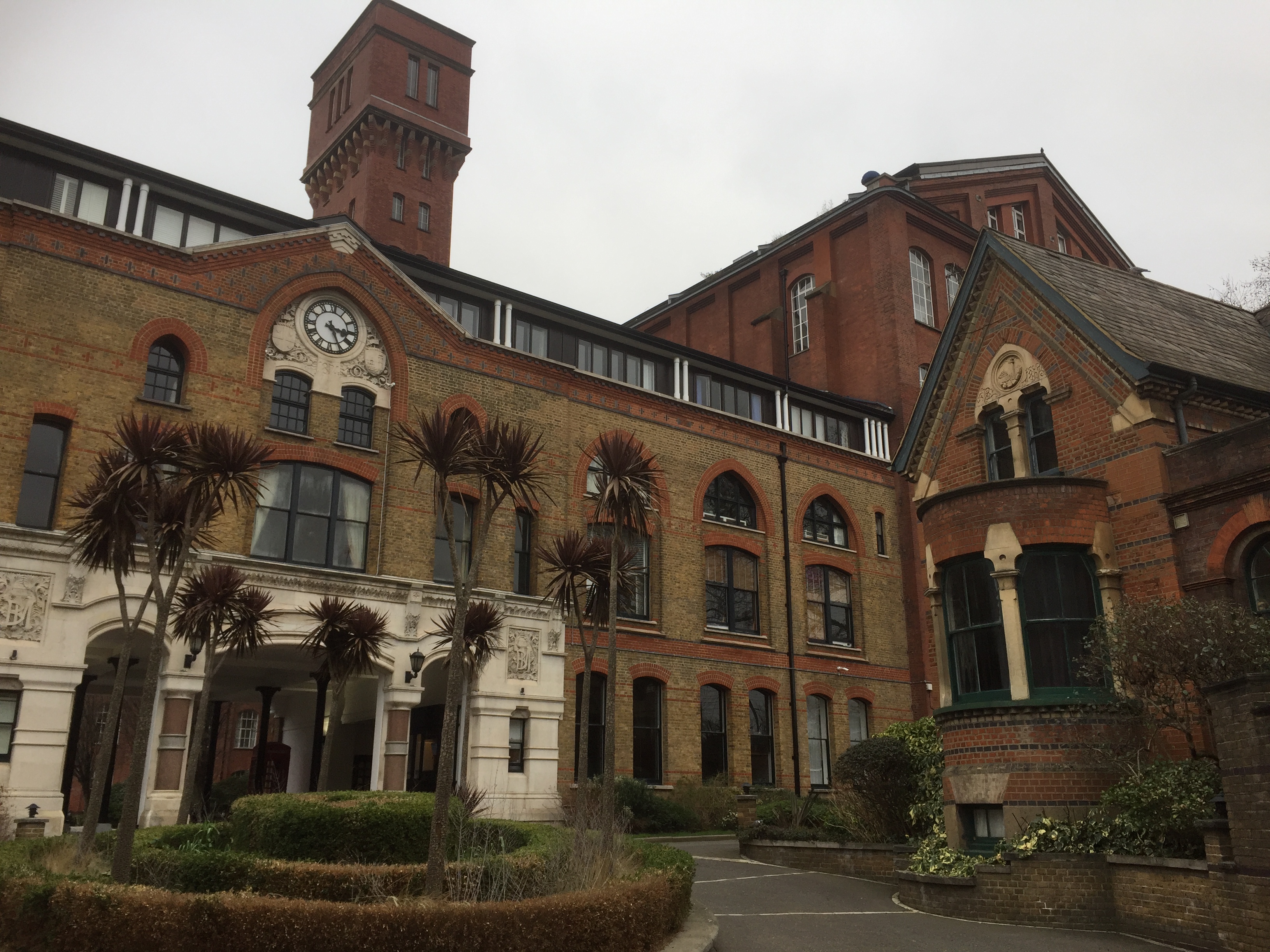
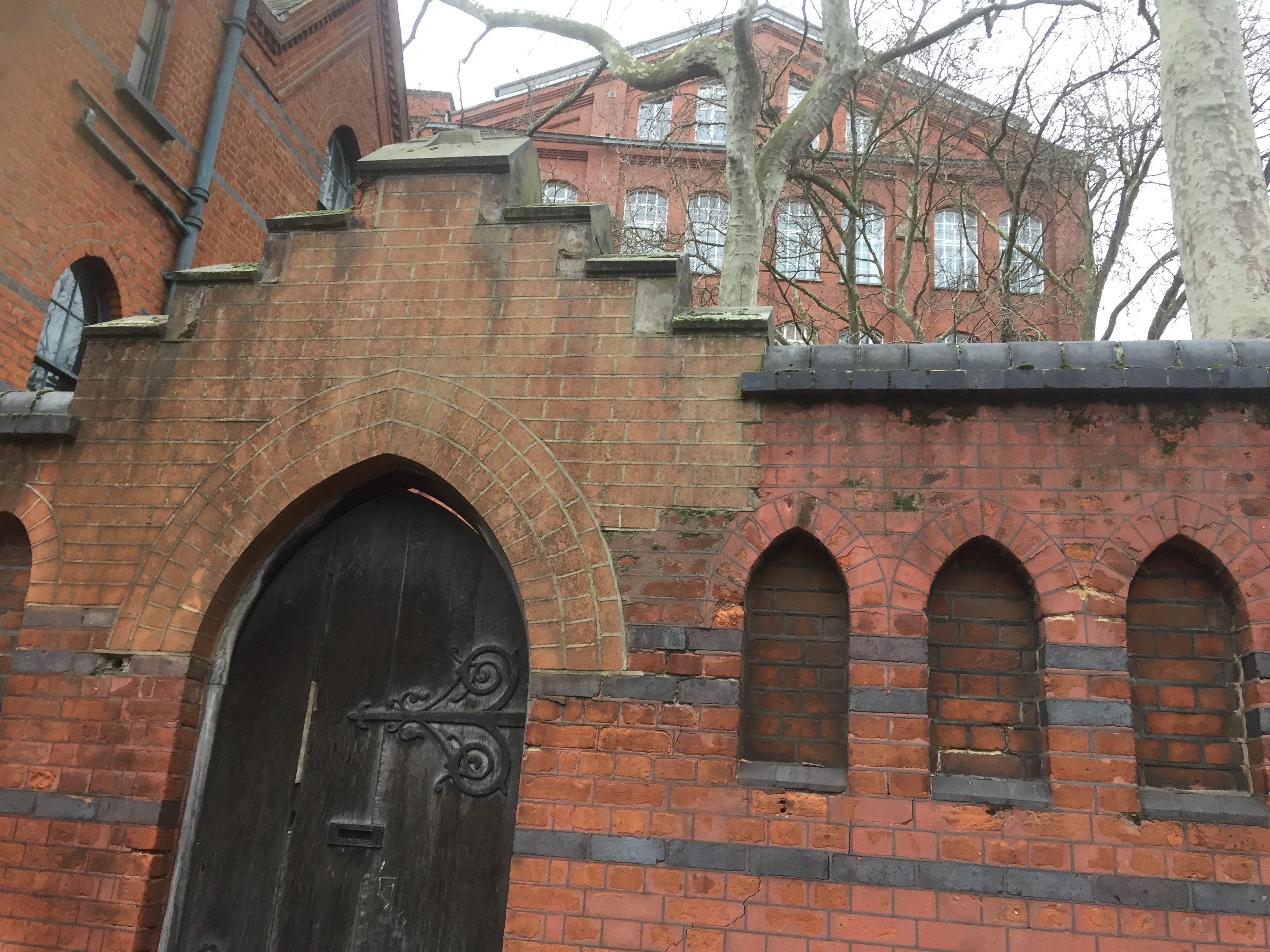
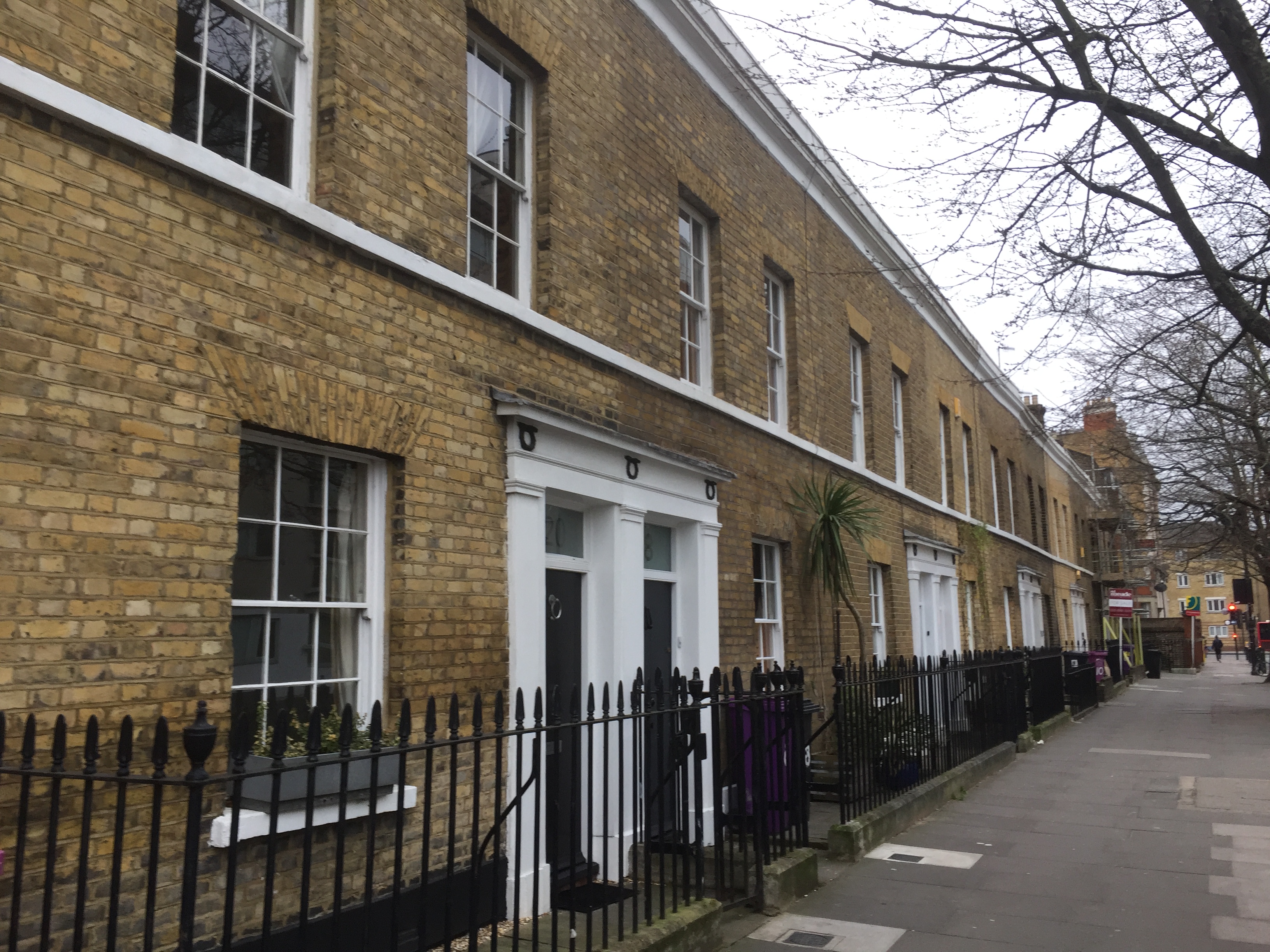
A little away from the river is the former Bryant and May Match Factory. At the end of the 19th century this huge building was London’s largest factory and had a workforce of around 5000 employees. Many of the employees were women and children. They were known as ‘Match Girls”. Any readers who have studied Victorian social history may be familiar with these workers and the famous strike that they held in response to their working conditions and in particular the risk of catching “Phossy Jaw” as a consequence of working with sulphur.
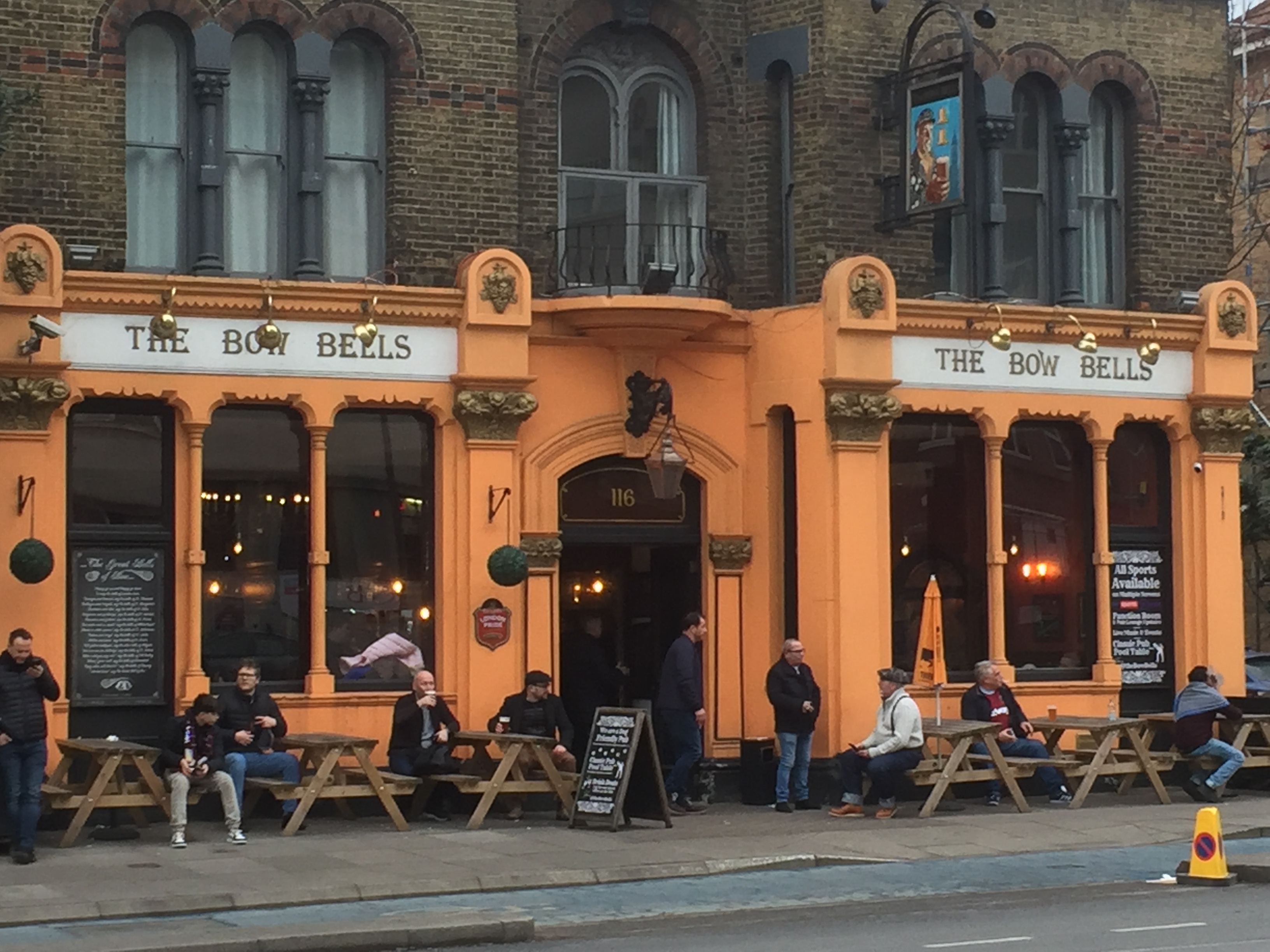
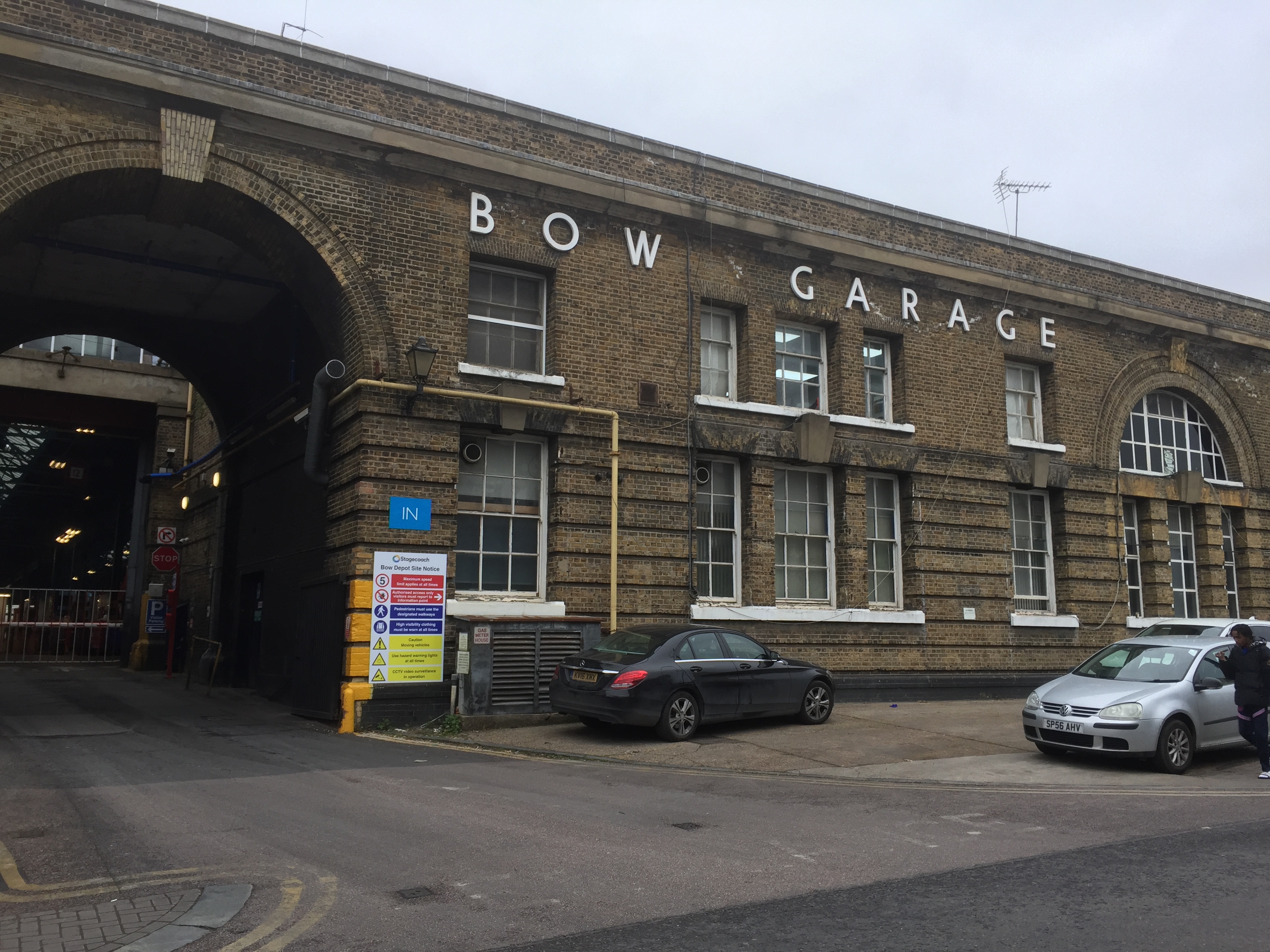
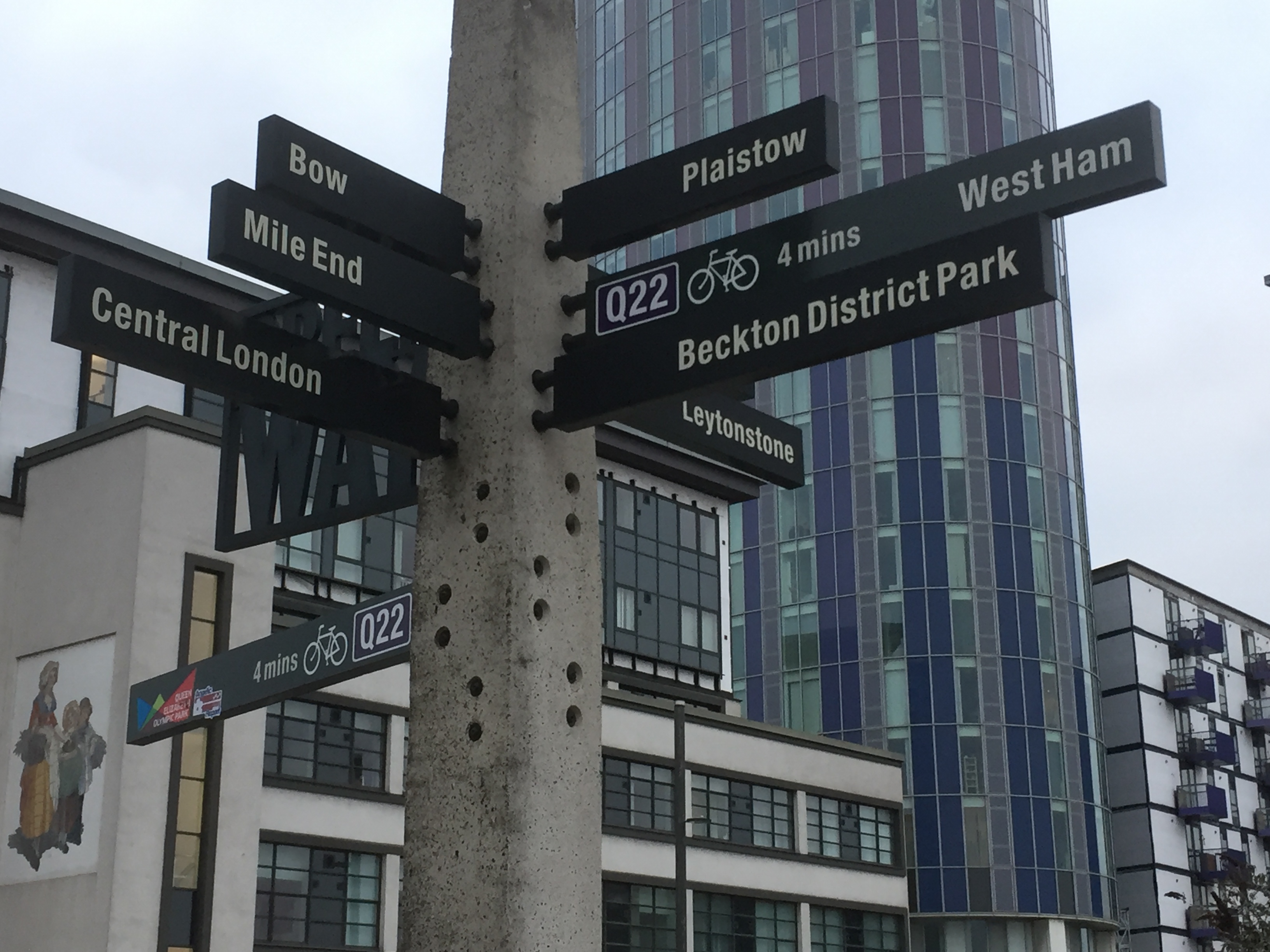
It may not be in all of the tourist guides but a visit to this corner of the east end will give you an insight into the struggles of working people.

 Gordon's Gubbins.